- English
- French
- German
- Portuguese
- Spanish
- Russian
- Japanese
- Korean
- Arabic
- Greek
- German
- Turkish
- Italian
- Danish
- Romanian
- Indonesian
- Czech
- Afrikaans
- Swedish
- Polish
- Basque
- Catalan
- Esperanto
- Hindi
- Lao
- Albanian
- Amharic
- Armenian
- Azerbaijani
- Belarusian
- Bengali
- Bosnian
- Bulgarian
- Cebuano
- Chichewa
- Corsican
- Croatian
- Dutch
- Estonian
- Filipino
- Finnish
- Frisian
- Galician
- Georgian
- Gujarati
- Haitian
- Hausa
- Hawaiian
- Hebrew
- Hmong
- Hungarian
- Icelandic
- Igbo
- Javanese
- Kannada
- Kazakh
- Khmer
- Kurdish
- Kyrgyz
- Latin
- Latvian
- Lithuanian
- Luxembou..
- Macedonian
- Malagasy
- Malay
- Malayalam
- Maltese
- Maori
- Marathi
- Mongolian
- Burmese
- Nepali
- Norwegian
- Pashto
- Persian
- Punjabi
- Serbian
- Sesotho
- Sinhala
- Slovak
- Slovenian
- Somali
- Samoan
- Scots Gaelic
- Shona
- Sindhi
- Sundanese
- Swahili
- Tajik
- Tamil
- Telugu
- Thai
- Ukrainian
- Urdu
- Uzbek
- Vietnamese
- Welsh
- Xhosa
- Yiddish
- Yoruba
- Zulu
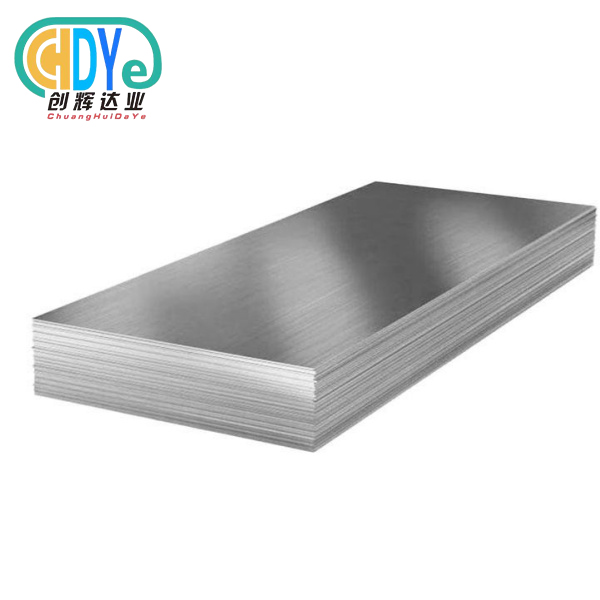
niobium target plate
2.Standard: ASTM B393
3.Surface: Polished, annealed, Cold-rolled bright
Niobium Target Plate for Sputtering and Thin-Film Deposition: Custom Purity and Dimensions from CHDY
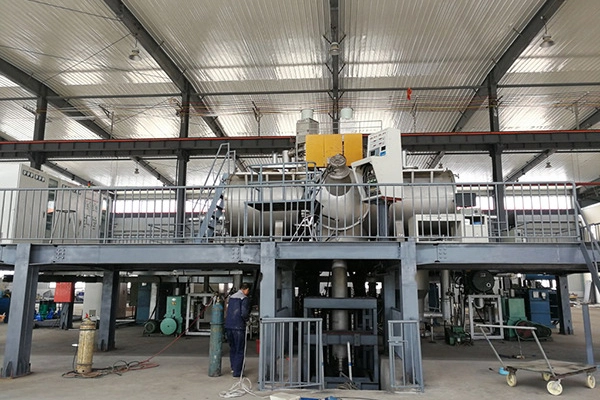
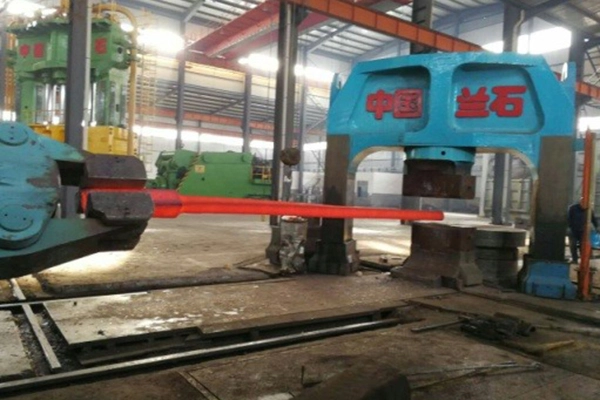
Flat niobium comes from CHDY. It goes into two areas. One is target manufacturing. The other is target component production. We also make a niobium target plate. The build follows customer drawings. The company is Shaanxi Chuanghui Daye Metal Material Co., Ltd. Its base sits in Baoji High-tech Development Zone. Purity runs from 99.9% (3N) to 99.995% (4N5). Density is 8.57 g/cm³. That figure appears in the table below. Melting point is 2,468 °C. Your specifications and drawings set purity, size, and surface condition. Before production starts, chemical composition gets agreed with you in detail. Flatness is agreed in detail too. Material uniformity follows the same route.
Specifications
The table holds reference data for the niobium material CHDY supplies. Final purity and size depend on your sputtering process. Look up the exact values for your order.
|
Purity |
99.9% |
|
Technics |
Cold rolled |
|
Standard |
ASTM B393 / ASME SB393 |
|
Density |
8.57g/cm3 |
|
Application |
Widely used in chemical, electronics, aviation and aerospace fields |
|
Specification |
Customized |
|
Hardness |
Soft, Hard, Half Hard, Quarter Hard, Spring Hard etc. |
|
Certification |
ISO 9001:2015 |
|
Payment terms |
30% TT in advance, 70% balance before shipment |
Some values do not appear above. Flatness tolerance figures are one example. They are not specified here. CHDY confirms them for each order. To start the discussion, send your drawing.
Key Features That Affect Sputtering Results
Chemical Composition
Impurities sitting in the plate finish up in the film you deposit. Work out your impurity limits first. Then choose a grade. Keep interstitial content low and embrittlement is less of a risk.
Surface Condition
What the target surface must be comes down to your sputtering setup and the deposition process you run. Machining marks can shift the results. Contamination can too. Surface damage counts as well. Which one matters most? That depends on the application.
Dimensional Requirements
You can give us a thickness figure. Flatness tolerance is another thing you can set. Overall dimensions as well. If the target needs to fit a given sputtering system, send the drawings. CHDY then makes the niobium target plate to the sizes you ask for.
Material Uniformity
Steady sputtering rests on uniform material and sound internal quality. Say you have a special requirement for density, microstructure, or internal defects. Any of them must be agreed before the order goes in.
Be used in a wide range of industries.

Electronic devices
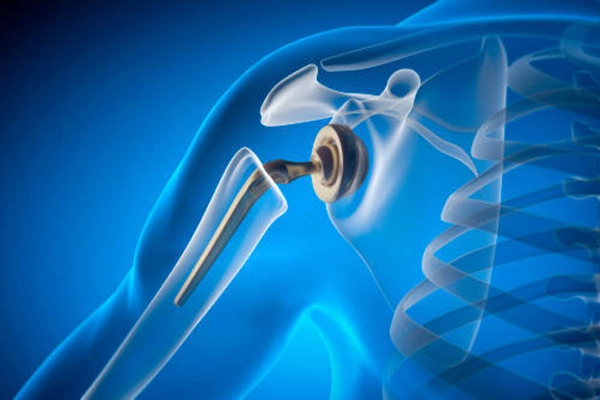
Medical implants
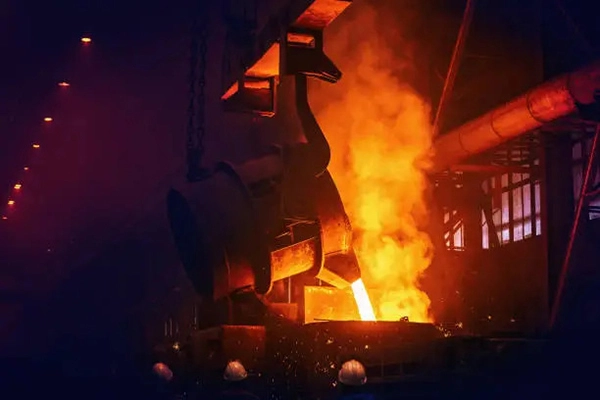
Steel industry

Chemical Processing

Aerospace and Defense

Energy and Environmental Engineering
Material Properties of Niobium
Niobium stays ductile at room temperature. Cold working suits it too. Plate that has to be formed into target parts is a good match for it.
Nb₂O₅ builds up on the surface as a dense anodic oxide film. Hydrochloric acid cannot get through this layer at moderate temperatures. Nitric acid leaves the metal alone too. Sulfuric acid behaves the same way. Liquid alkali metals do no damage either. Lithium and sodium are two examples. Cool the metal to very low temperatures. It then turns into a Type II superconductor. The critical temperature sits close to 9.2 K.
Applications
Most of it goes into thin-film deposition. Metallic niobium films come from sputtering. The same process also yields coatings based on niobium. On its own, This product serves as a target. Target components start from it as well.
Metallurgy is one field that uses niobium products. So do electronics, medical devices, and special steel.
Handling and Processing Notes for niobium target plate
Gases get trapped by hot niobium. Oxygen starts to react with it around 200 °C. Past 400 °C, oxidation picks up fast. Working at high temperatures? Choose vacuum conditions or silicide protective coatings.
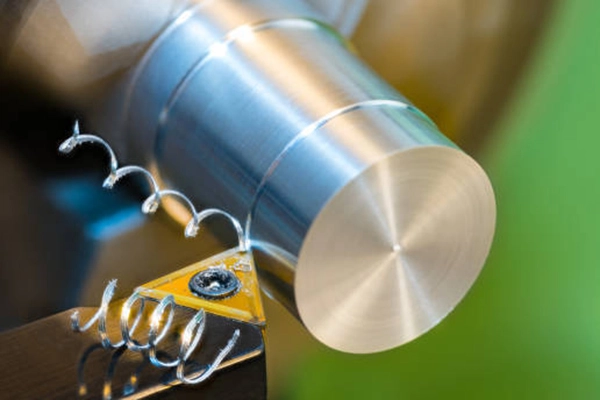
Weld it in a chamber under high vacuum. A chamber full of high-purity argon does the job too. Machining takes care, since niobium galls and seizes without much trouble. Go with high-speed steel tools. Keep a strong flow of lubricating coolant running the whole time.
Purchasing Checklist
Include the following details in your inquiry. That way CHDY can give you an accurate quote for your niobium target plate:
- Which purity grade fits your job (99.9% to 99.995%)? For the tantalum cap, which one do you need (RO4200 or RO4210)?
- How tight the limits sit on carbon, oxygen, nitrogen, and hydrogen
- How flat the part has to be, plus its overall dimensions and thickness
- Drawings for your sputtering system
- Surface condition requirements
- Density, microstructure, or internal defect requirements
- RRR (residual resistivity ratio) value, if your application needs one
About CHDY
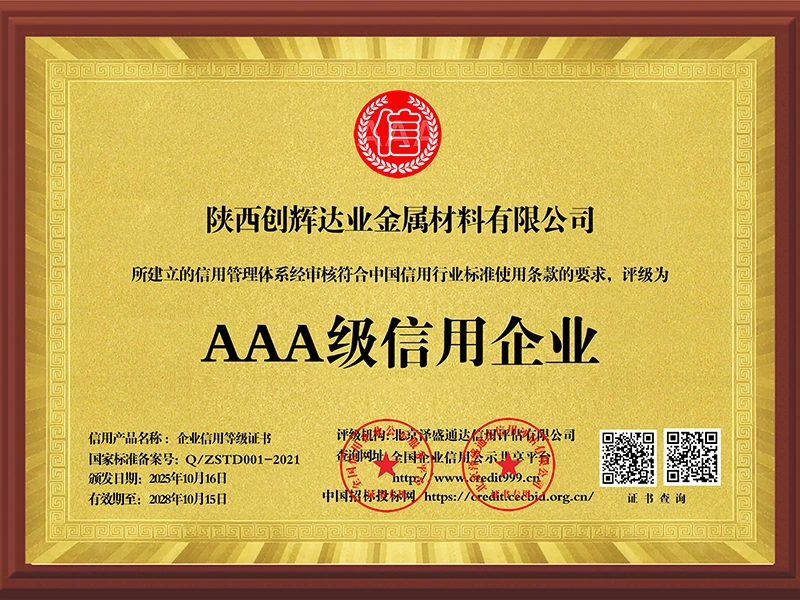
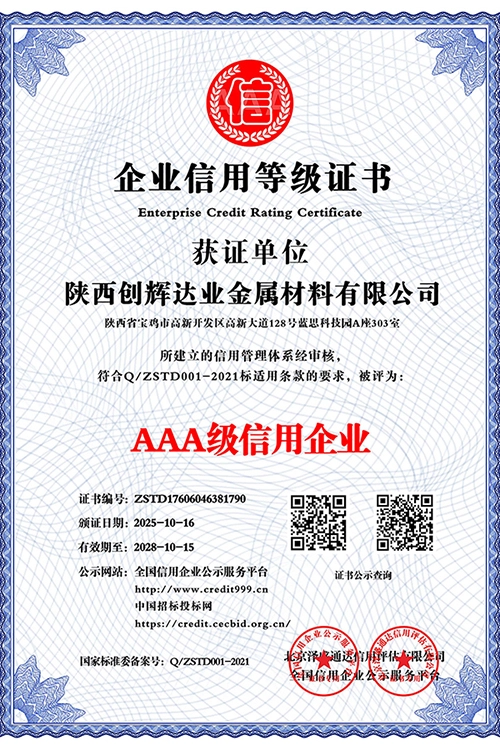
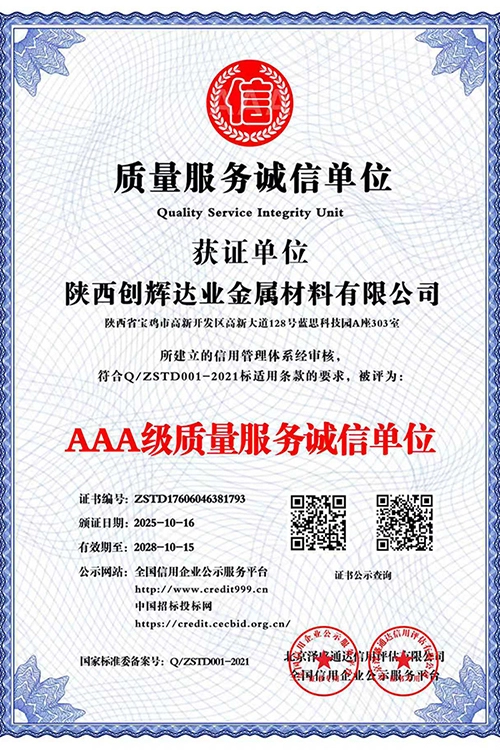
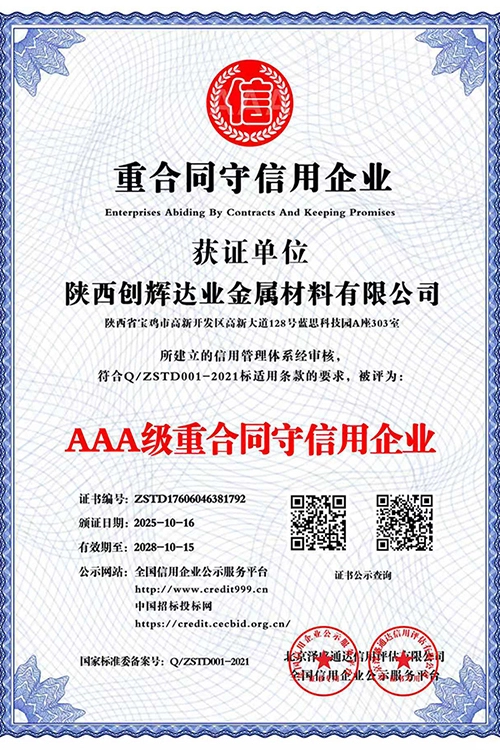
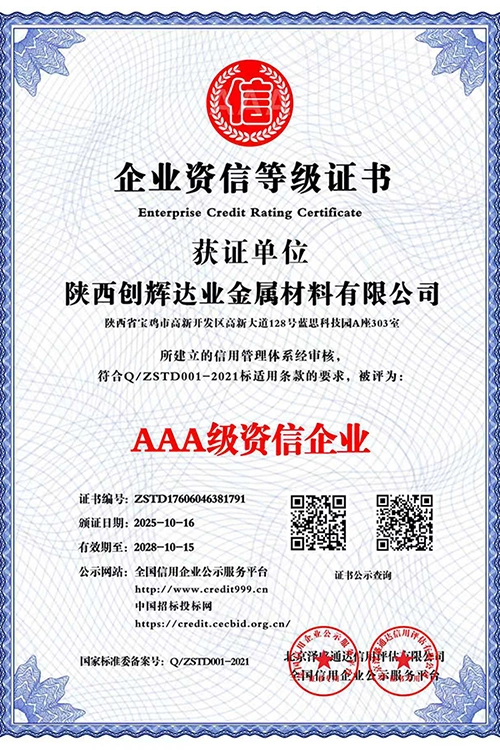
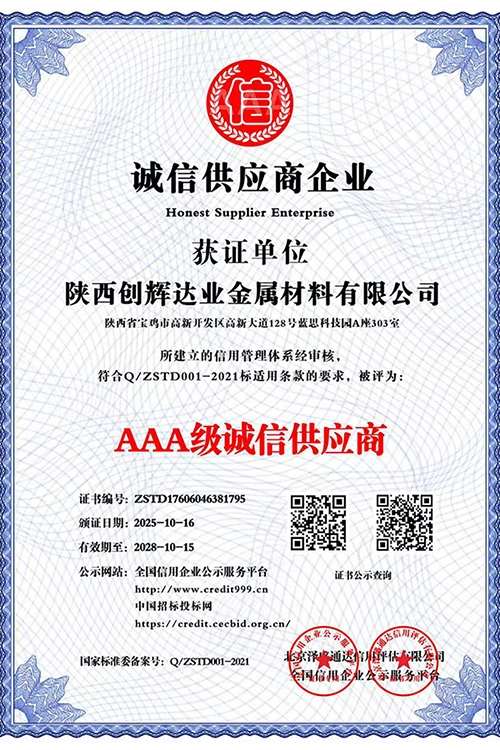
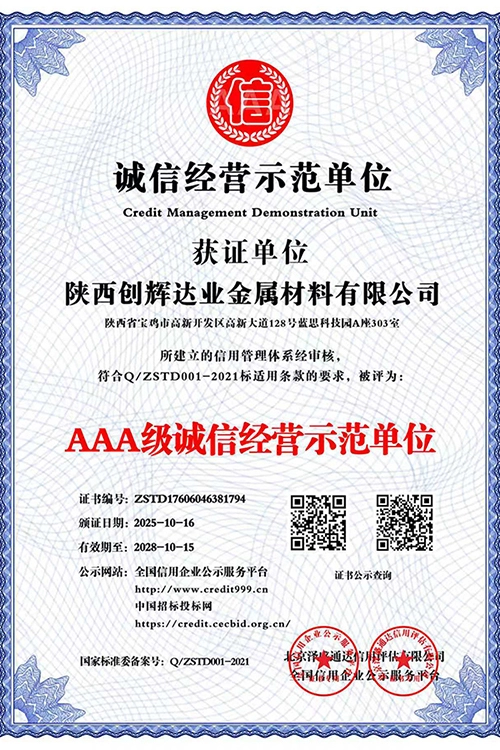
Shaanxi Chuanghui Daye Metal Material Co., Ltd. is located in Baoji High-tech Development Zone, Shaanxi Province, known as China's "Titanium Capital". The founder has more than 30 years of experience in the rare metal industry.
CHDY stocks titanium and tantalum. Niobium, tungsten, molybdenum, zirconium, nickel and other rare and non-ferrous metal alloys are on their list too. Buyers from metallurgy, electronics, medical and special steel all shop there. Shipments reach more than 50 countries and regions. The United States is one of them, and so are Germany, South Korea, and Singapore.

|
Material |
Main elements(%) |
Impurities (Maximum %) |
||||||||||
|
Nb |
Fe |
Si |
Ni |
W |
Mo |
Ti |
Ta |
O |
C |
H |
N |
|
|
RO4200 |
Remainder |
0.004 |
0.004 |
0.002 |
0.005 |
0.005 |
0.002 |
0.07 |
0.015 |
0.0040 |
0.0015 |
0.003 |
|
RO4210 |
Remainder |
0.01 |
0.01 |
0.005 |
0.02 |
0.01 |
0.004 |
0.10 |
0.02 |
0.01 |
0.0015 |
0.01
|
|
Grade |
Tensile strength psi(MPa), ≥ |
Yield strength δ0.2, psi (MPa),≥ |
Elongation in 1"/2" gage length, %, ≥ |
|
|
>=0.010 |
<0.010 |
|||
|
RO4200 RO4210 |
18000 (125) |
12000 (85) |
25 |
20 |
 |
 |
 |
 |
 |
 |
 |
 |
|
|
|


|
|
|
|
|
 |
 |
 |
 |


 |
 |
 |
 |
 |
 |
FAQ
Q: RO4210 and RO4200 niobium differ in what ways?
A: In RO4200 the tantalum content stays below 0.1%. That is what makes it reactor grade. RO4210 is the commercial grade. Its tantalum can go up to 0.5%. For nuclear and superconducting work, RO4200 is the usual pick.
Q: Can niobium be welded?
A: Welding works for joining it. You have two routes. First is electron beam welding, and it runs in a high vacuum. TIG welding is the second route. That one happens inside an inert chamber filled with high-purity argon. Do it in open air, and embrittlement becomes a risk.
Q: Why does the RRR value matter?
A: RRR gives you purity information. It also points to thermal conductivity at cryogenic temperatures. Need a specific RRR value? Ask CHDY before you place the order.
Q: At what temperature does niobium oxidize?
A: Oxidation begins around 200 °C. Push past 400 °C and the reaction picks up quickly. Hot-running parts then need vacuum or silicide coatings.
Q: Is niobium difficult to machine?
A: Yes. The material galls. It flows rather than chips. Choose high-speed steel tools. A heavy lubricating coolant will help. So will the right cutting angles.
Q: What should I send with an inquiry?
A: Send the purity grade for your this product. Impurity limits must be included too. Thickness is needed, and flatness tolerance counts too. Dimensions are needed. Send drawings as well. Before ordering, agree on any density or microstructure requirements.
Contact Us
Send your drawings, purity grade, and surface requirements for a niobium target plate to info@chdymetal.com to request a quote from CHDY.

Learn about our latest products and discounts through SMS or email