- English
- French
- German
- Portuguese
- Spanish
- Russian
- Japanese
- Korean
- Arabic
- Greek
- German
- Turkish
- Italian
- Danish
- Romanian
- Indonesian
- Czech
- Afrikaans
- Swedish
- Polish
- Basque
- Catalan
- Esperanto
- Hindi
- Lao
- Albanian
- Amharic
- Armenian
- Azerbaijani
- Belarusian
- Bengali
- Bosnian
- Bulgarian
- Cebuano
- Chichewa
- Corsican
- Croatian
- Dutch
- Estonian
- Filipino
- Finnish
- Frisian
- Galician
- Georgian
- Gujarati
- Haitian
- Hausa
- Hawaiian
- Hebrew
- Hmong
- Hungarian
- Icelandic
- Igbo
- Javanese
- Kannada
- Kazakh
- Khmer
- Kurdish
- Kyrgyz
- Latin
- Latvian
- Lithuanian
- Luxembou..
- Macedonian
- Malagasy
- Malay
- Malayalam
- Maltese
- Maori
- Marathi
- Mongolian
- Burmese
- Nepali
- Norwegian
- Pashto
- Persian
- Punjabi
- Serbian
- Sesotho
- Sinhala
- Slovak
- Slovenian
- Somali
- Samoan
- Scots Gaelic
- Shona
- Sindhi
- Sundanese
- Swahili
- Tajik
- Tamil
- Telugu
- Thai
- Ukrainian
- Urdu
- Uzbek
- Vietnamese
- Welsh
- Xhosa
- Yiddish
- Yoruba
- Zulu
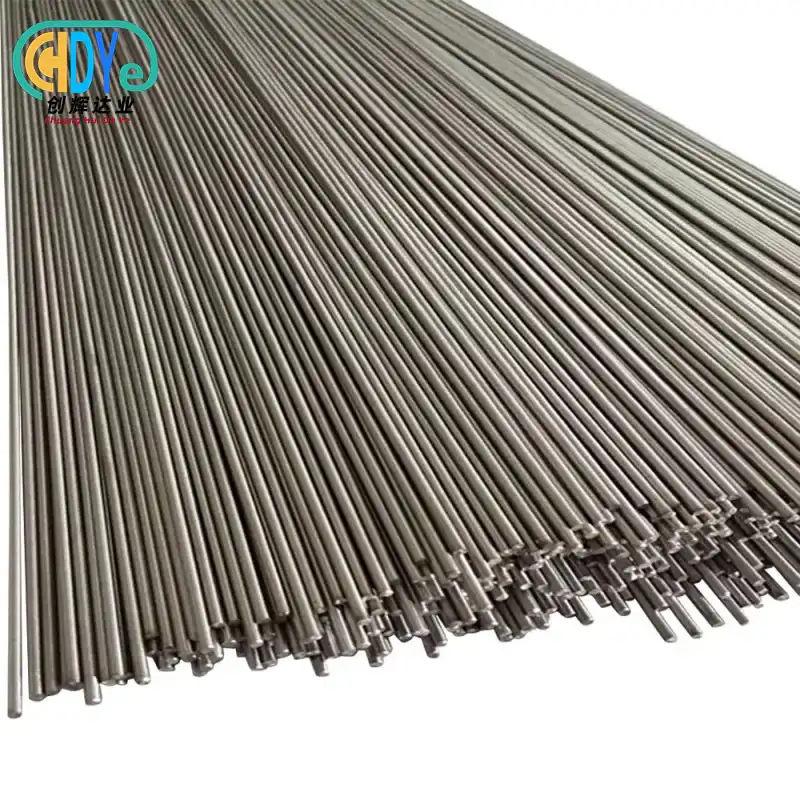
tantalum bars rods
2. Diameter: 1–50 mm
3. Length: as your requirements
4. Density: 16.65 g/cm³
5. Tensile strength: 200–300 MPa
6. Applications: Chemical, electronics
7. Shape: Bar/Rod
Tantalum Bars Rods for Chemical, Oil and Alloy Applications: Custom Grades, Diameters and Lengths
Refractory metal for processing and research is what Shaanxi Chuanghui Daye Metal Material Co., Ltd. (CHDY) supplies. One item is tantalum bars rods. You set the grade, diameter, length, and surface condition. Every bar begins as a tantalum ingot. Cold work takes each rod from ingot to final diameter. Forging is one way. Rolling is another. Swaging and drawing are two more. Any of these may be used alone or in combination. Baoji High-tech Development Zone, Shaanxi Province, is where CHDY is based. Its founder has more than 30 years of rare metal experience. Send us your drawing. We will confirm what can be supplied.
What Are Tantalum Bars and Rods?
Tantalum bar is made from tantalum ingots and is supplied in various dimensions for industrial processing, component manufacturing, and research use.
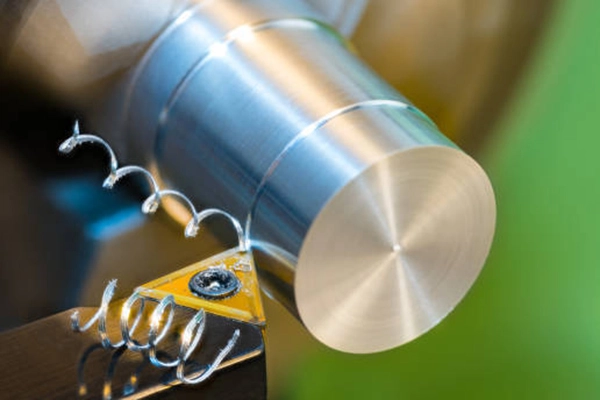
Cold work turns a tantalum ingot into rod at the final diameter. That gives a solid semi-finished product. Machining is one option. Fabrication is another. Or the part can go straight into industrial equipment.
CHDY supplies this product to customers. Those customers buy refractory metal for further fabrication or direct use.
How Tantalum Bars and Rods Are Produced
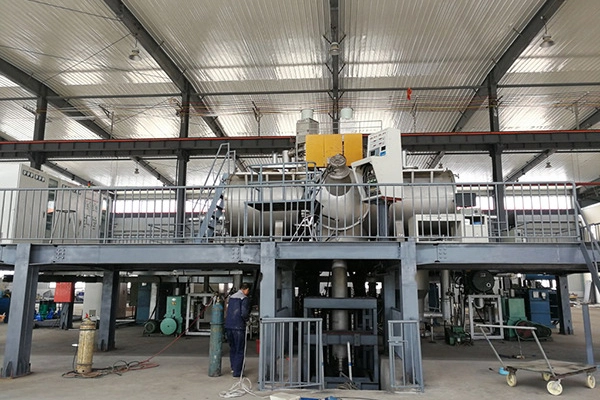
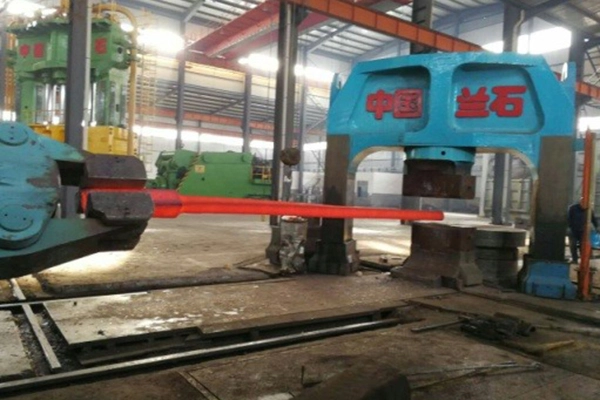
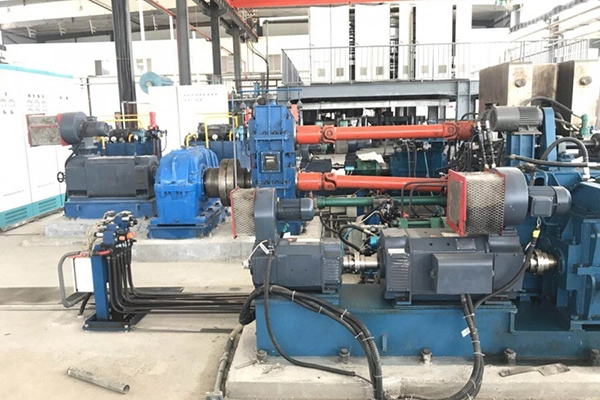
Every bar and rod begins with a tantalum ingot, which is reduced step by step to the required size. Four working methods are used:
- Forging
- Rolling
- Swaging
- Drawing
They can be used one at a time or in combination, depending on the target size and the final shape. Cold working from ingot to final diameter is the route used for tantalum rod.
Specifications
The table carries only the details we have for this product. Values we did not specify stay blank. That covers diameter and length, plus surface condition and dimensional tolerance. Each one gets checked against your drawing or your purchase request.
| Property | Specification |
|---|---|
| Alloy Composition | Ta >99.9% |
| Diameter Range | 1–50 mm |
| Maximum Length | up to 1000 mm |
| Density | 16.65 g/cm³ |
| Tensile Strength | 200–300 MPa |
| Melting Point | 3017°C |
| Shape Options | Bar/Rod |
| Condition | Annealed |
| Certificate | ISO9001:2015 |
| Surface treatment | Bright surface |
| Packing | Wooden box |
| Delivery time | normal production time is 10-15 days |
| Features |
1. Good ductility, good machinability 2. Good plasticity3. Excellent corrosion resistance 4. High melting point, high boiling point 5. Very small coefficients of thermal expansion 6. Good capability of absorbing and releasing hydrogen 7. Good biocompatibility |
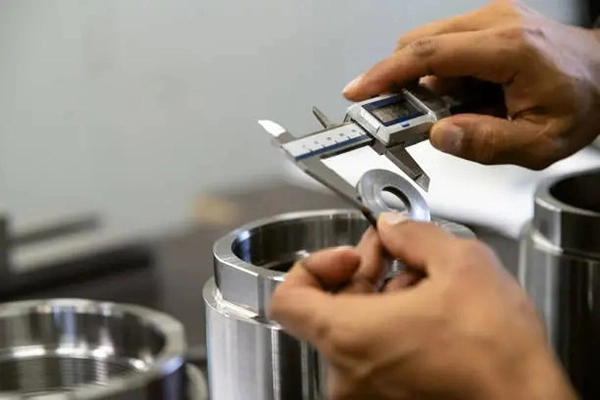
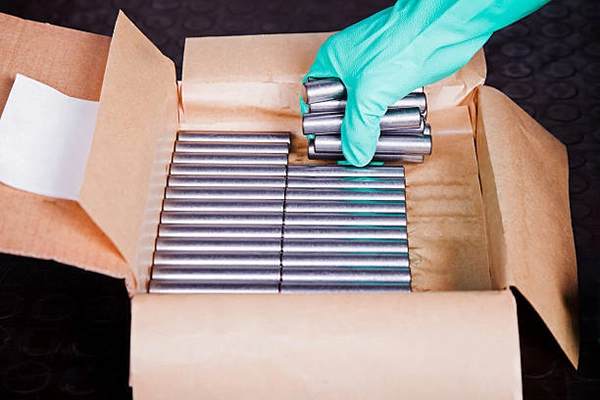
Choosing the Right Tantalum Bar or Rod
Four factors affect the choice.
Material grade. Pure tantalum is not the same as a tantalum alloy. The chemistry behind each one and tantalum bars rods differs. So do the mechanical properties. Choose the grade that fits your part and the way you build it.
Dimensions. The final component decides the diameter and the length you need.
Processing requirements. Will the material be machined, bent, or fabricated? Then look at the material condition and the dimensional tolerance first. Send us your processing plan. We will check which specifications are available.
Operating environment. Material choice depends on temperature, chemical exposure, and mechanical loading. Put these conditions in your inquiry, please.
Applications of Tantalum Bars and Rods
Tantalum bar is used in the chemical industry and the oil industry because of its corrosion resistance. Equipment parts in these fields are exposed to aggressive media.
Tantalum bars and rods are also added to a number of alloy types. Some of these are high-temperature alloys that contain tantalum. Others are tantalum-based heat-resistant alloys, and there are corrosion-resistant alloys too.
Research labs and makers of components buy bars and rods as well, for custom parts. CHDY products go into fields such as metallurgy, electronics, medical, and special steel.
Supply and Customization of tantalum bars rods
Projects differ in grade, diameter, length, and surface condition. CHDY checks the available specifications and coordinates material supply according to your requirements.
For tantalum bars rods, send your drawing, grade, and quantity. Our team will confirm what can be supplied and suggest the best match for your application.
CHDY also supplies titanium, niobium, tungsten, molybdenum, zirconium, nickel, and other non-ferrous and rare metal alloy products, so several materials can be purchased together.
Be used in a wide range of industries.

Electronic devices

Medical implants
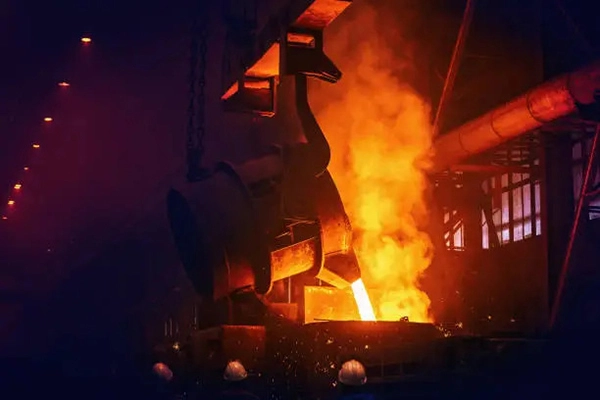
Steel industry
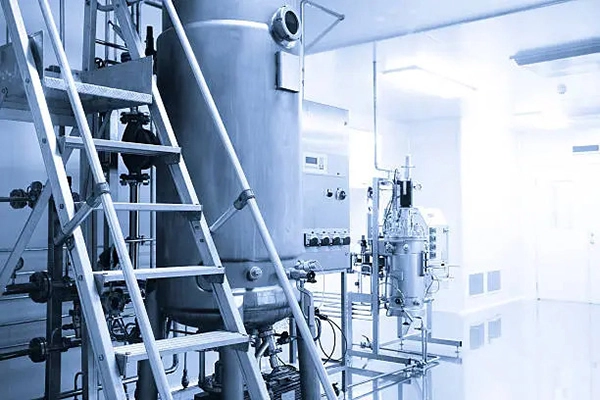
Chemical Processing

Aerospace and Defense

Energy and Environmental Engineering
About CHDY
CHDY works out of the Baoji High-tech Development Zone in Shaanxi Province. That corner of China goes by the name "Titanium Capital." Our founder has spent more than 30 years in the rare metal trade. These days CHDY products reach buyers in over 50 countries and regions. The United States, Germany, South Korea, and Singapore all sit on that list.


 |
 |
 |
 |
 |
 |
 |
 |
|
|
|


|
|
|
|
|
 |
 |
 |
 |


 |
 |
 |
 |
 |
 |
Frequently Asked Questions
Q: What is a tantalum bar?
A: Tantalum ingots are the starting point for this rod. Corrosion does little damage to it. That is why chemical plants and oil operations rely on it.
Q: How is tantalum rod made?
A: Working runs cold the whole way, from ingot down to final diameter. You can forge the tantalum rod, roll it, swage it, or draw it. Each method works on its own. They can also be combined.
Q: What matters when picking a bar or rod?
A: Start with the material grade. Diameter and length count as well. After that, think about how you will process it and where it will be used. Temperature, chemical exposure, and mechanical loading all come into play there.
Q: Are different grades available?
A: Our list covers both commercially pure tantalum and tantalum alloys. Chemical composition is not the same for them. Mechanical properties differ too. For your project, we check which specifications are available.
Q: Can I buy material to machine or bend?
A: Let us know whether the material gets machined, bent, or fabricated. During the check of available specifications, we look at the material condition and the dimensional tolerance.
Q: What is the way to ask for a quote on this product?
A: Email your grade, diameter, length, surface condition, and operating conditions to our team.
Contact Us
Send your grade, diameter, length, and quantity requirements for tantalum bars rods to info@chdymetal.com. Our team will review your request and reply with the specifications available.
Learn about our latest products and discounts through SMS or email