- English
- French
- German
- Portuguese
- Spanish
- Russian
- Japanese
- Korean
- Arabic
- Greek
- German
- Turkish
- Italian
- Danish
- Romanian
- Indonesian
- Czech
- Afrikaans
- Swedish
- Polish
- Basque
- Catalan
- Esperanto
- Hindi
- Lao
- Albanian
- Amharic
- Armenian
- Azerbaijani
- Belarusian
- Bengali
- Bosnian
- Bulgarian
- Cebuano
- Chichewa
- Corsican
- Croatian
- Dutch
- Estonian
- Filipino
- Finnish
- Frisian
- Galician
- Georgian
- Gujarati
- Haitian
- Hausa
- Hawaiian
- Hebrew
- Hmong
- Hungarian
- Icelandic
- Igbo
- Javanese
- Kannada
- Kazakh
- Khmer
- Kurdish
- Kyrgyz
- Latin
- Latvian
- Lithuanian
- Luxembou..
- Macedonian
- Malagasy
- Malay
- Malayalam
- Maltese
- Maori
- Marathi
- Mongolian
- Burmese
- Nepali
- Norwegian
- Pashto
- Persian
- Punjabi
- Serbian
- Sesotho
- Sinhala
- Slovak
- Slovenian
- Somali
- Samoan
- Scots Gaelic
- Shona
- Sindhi
- Sundanese
- Swahili
- Tajik
- Tamil
- Telugu
- Thai
- Ukrainian
- Urdu
- Uzbek
- Vietnamese
- Welsh
- Xhosa
- Yiddish
- Yoruba
- Zulu
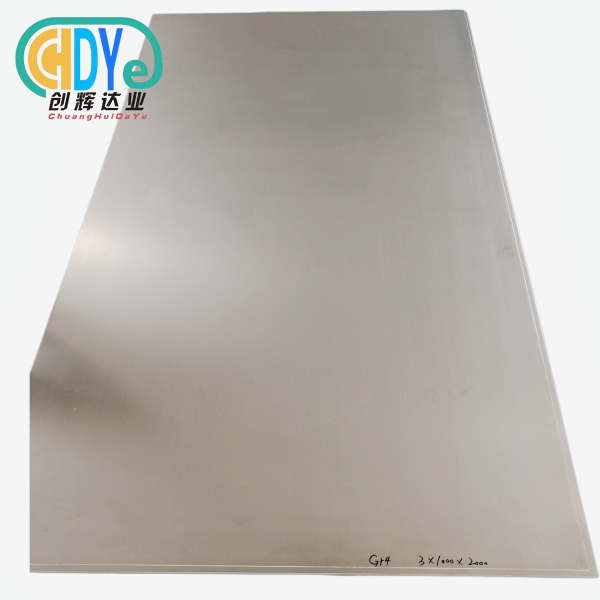
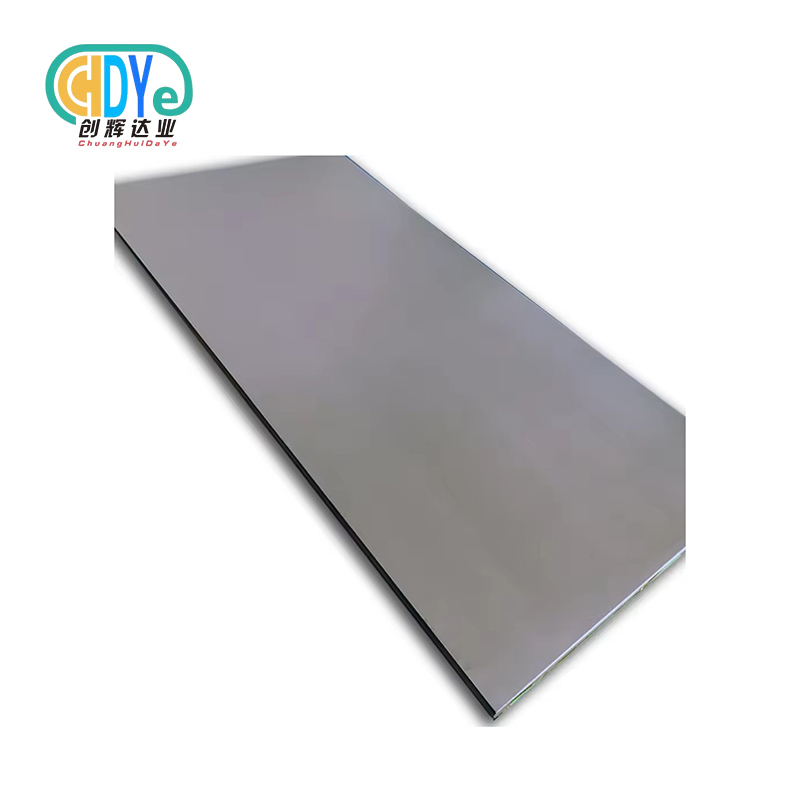
customized tantalum foil
2. Standard: ASTM B708
3. Type: foil strip shape are all available
Customized Tantalum Foil and Strip for Capacitor, Medical and Vacuum Use: ASTM B708, Purity up to 99.995%
Shaanxi Chuanghui Daye Metal Material Co., Ltd. makes rare metal products in Baoji, China. Customized tantalum foil and strip are part of that range. We produce them to ASTM B708, for capacitors, semiconductors, medical parts and vacuum work. Purity is set order by order, anywhere from 99.9% (3N) up to 99.995% (4N5). Temper ships annealed or unannealed. Size follows your drawing. On costly micro parts that often trims the material waste. Tantalum has a density of 16.6 g/cm³ and melts at 2996 °C. Send the drawing over and we will confirm the details.
What Is foil?
A tantalum (Ta) foil is a metal sheet. It is very thin. Tolerances on it stay tight. Pick this product and the specs are yours to set. Thickness is your call. So are width and length. Purity is up to you as well, and the mechanical temper too. No need to worry about fitting the job into standard stock sizes.
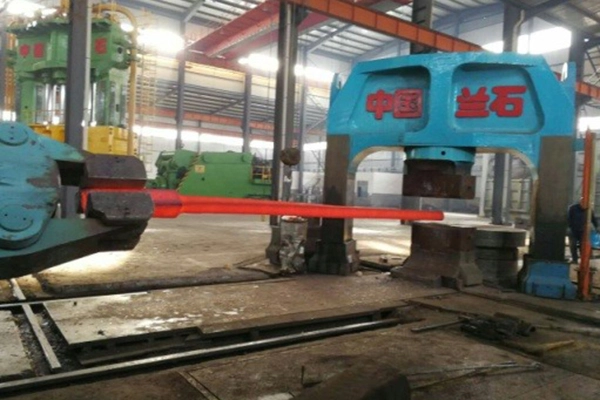
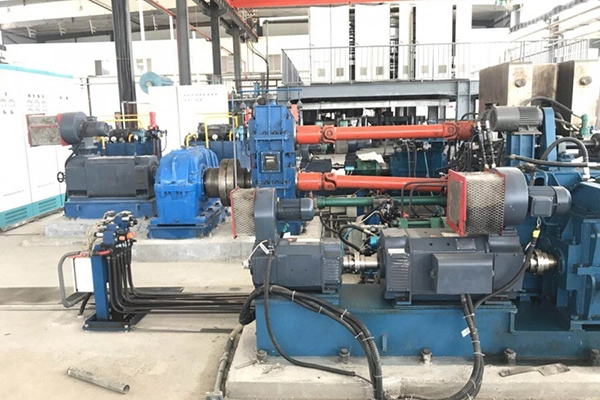
The metallurgical state comes from your drawing, annealed or unannealed. Surface finish too. Gauges run very thin here. Sendzimir rolling takes them down to 0.008 mm.
Cutting waste goes down when the size is made to order. That counts for a lot in micro-component work, where the material costs run high. Custom sizing also covers odd shapes in miniaturized parts, capacitors for one. In chemical equipment, a thin tantalum layer works as a barrier against corrosion. You get that protection without the weight or the cost of a heavier gauge.
Specifications
| Property | Specification |
|---|---|
| Density | 16.6 g/cm³ |
| Purity | 99.95% minimum |
| Standard Thickness | 0.1 mm or customized |
| Standard Width | 150 mm |
| Compliance | ASTM B 708 |
| Condition | Vacuum Annealed |
| Processing Method | Cold Rolled |
| Minimum Order | 2 KGS |
| Lead Time | 3-10 days |
| Packaging | Export Wooden Case |
| Certificate | ISO 9001:2015 |
| Surface | Bright surface |
| Production time | normal production time need about 10-15 working days |
Numbers here appear as provided. The supply range for thickness is not the same as the ultra-thin gauge range. Send your drawing, and the exact thickness range for your order can then be confirmed. Other parameters stay off this page. That takes in tensile strength and yield strength values. The chemical composition limits are left out as well.
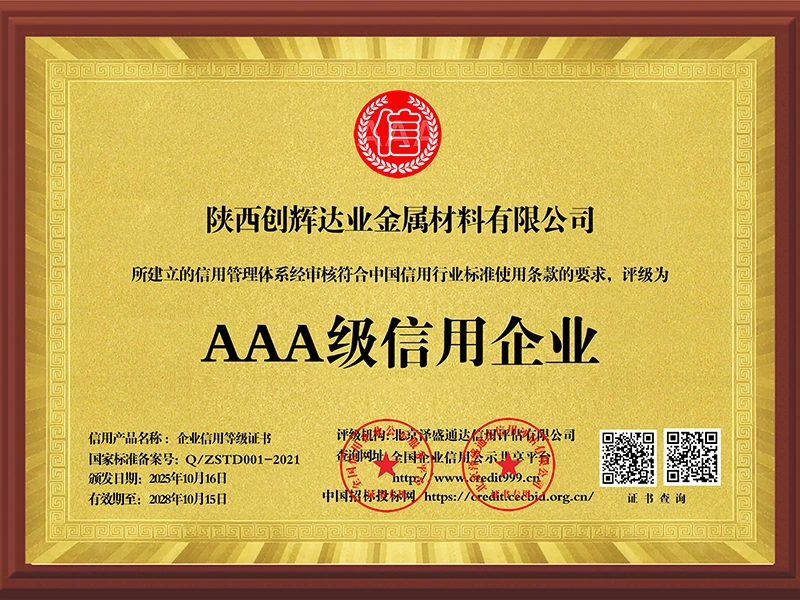

Material Properties
The density of tantalum is 16.6 g/cm³. It melts at 2996 °C. Structure stays put whether you run the metal at high temperature or hold it in a high vacuum.
Purity goes from 99.9% (3N) all the way up to 99.995% (4N5). Oxygen and nitrogen stay in check. Carbon and hydrogen get the same treatment. Let those interstitial elements go uncontrolled and tantalum turns brittle.
Cold rolling and vacuum annealing decide how the metal behaves mechanically. Annealed foil usually shows elongation above 20%. Deep drawing depends on it. Surface roughness (Ra) can be held under 0.2 μm.
A Ta₂O₅ oxide layer grows by itself, and any damage to it repairs itself too. From that layer the metal also gets a high dielectric constant. Below 150 °C, most acids do not touch tantalum. Hydrofluoric acid (HF) is the one that does.
Customization Options
Your tantalum foil order leaves six points for you to set:
- Size: Thickness is cut to match your drawing. Width and length get trimmed to the same spec.
- Purity: Grades begin at 3N. The top grade reaches 4N5. Interstitial impurities stay under control.
- Temper: annealed or unannealed.
- Grain size: ASTM No. 6 or finer is what you get. Deep drawing then runs clean. Orange peel does not show up.
- Finish: bright or matte. Rolls that get diamond polishing give you the bright kind, and it slides with little friction. On matte, lubricant holds its place during stamping and forming.
- Ultra-thin gauge: Sendzimir rolling brings it down to 0.008 mm (8 microns).
Applications
Some projects are hard on materials. That is when you need customized tantalum foil. One place it turns up is electronics. Medical work is another. You will also find it in metallurgy and special steel.
- Electronics and capacitors: The foil acts as the anode substrate inside electrolytic tantalum capacitors. On top of it sits a stable oxide layer. Small devices depend on this setup. Smartphones are a good case. Automotive ECUs and avionics count as well.
- Semiconductor and vacuum coating: Shielding inside vacuum furnaces comes from this foil. Heating elements depend on it too. Sputtering targets are another use. Certain parts get made in a custom shape. Evaporation boats are one such part.
- Medical devices: Tantalum does not trigger a reaction in the body, and tissue accepts it. Lasers cut the metal into markers for stents and orthopedic implants. Cranial repair gets help from mesh made of it. On X-ray images those markers are visible, since the metal is radio-opaque.
- Chemical processing: Acids would eat into the equipment. Thin barrier layers go on top to stop that. Weight and cost stay low this way.
Quality Control
What gets checked on this product? Purity matters. So do dimensional accuracy and surface integrity:
- Chemical analysis: GDMS checks purity. It also looks at interstitial elements, oxygen among them.
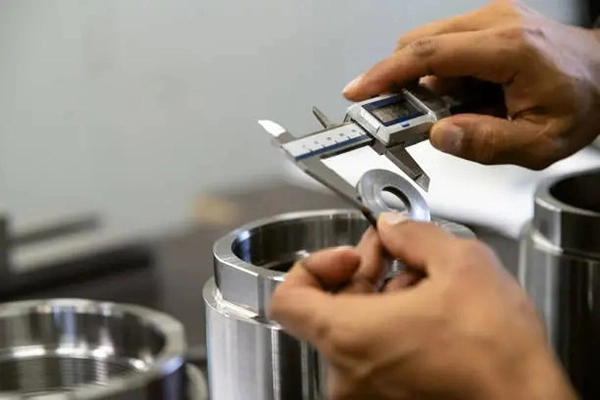
- Thickness: Thickness tolerance gets checked with a laser micrometer.
- Mechanical tests: Yield strength and elongation are confirmed by tensile tests done per ASTM E8.
- Surface inspection: Trained eyes and a microscope at 20x to 40x look for scratches, orange peel and rolling oil residue.
- Grain size: We check the structure by metallographic examination to ASTM E112. It comes out uniform.
Be used in a wide range of industries.

Electronic devices

Medical implants
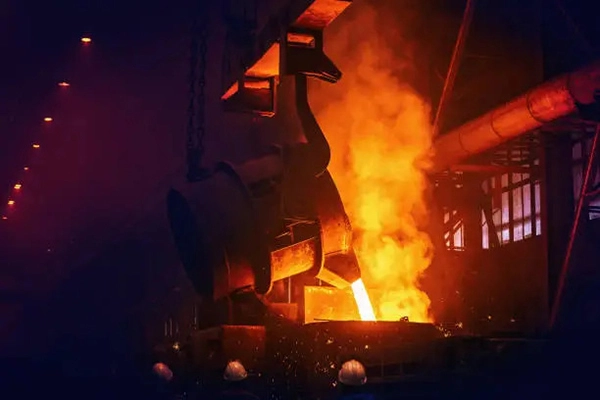
Steel industry
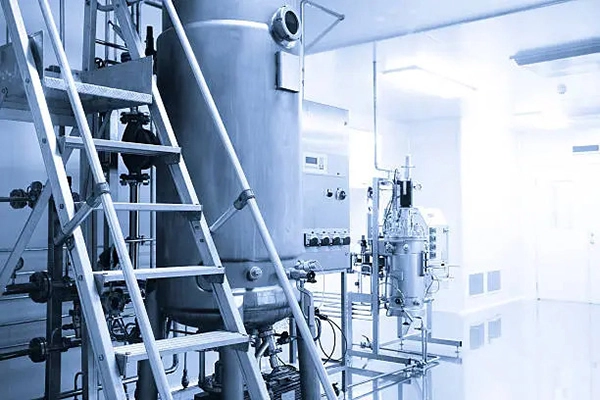
Chemical Processing

Aerospace and Defense

Energy and Environmental Engineering
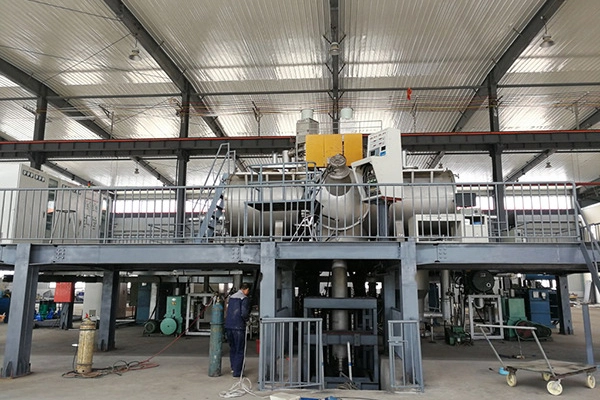
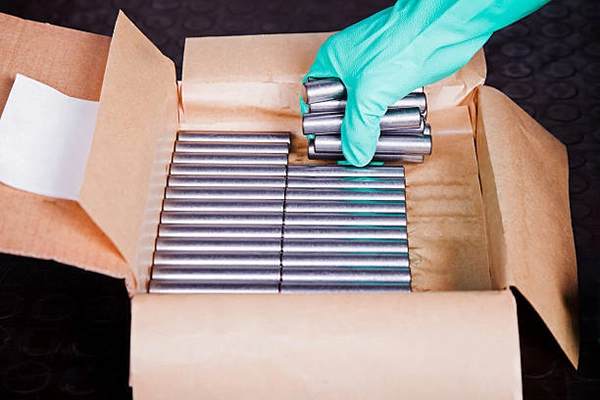
About Chuanghui Daye for customized tantalum foil
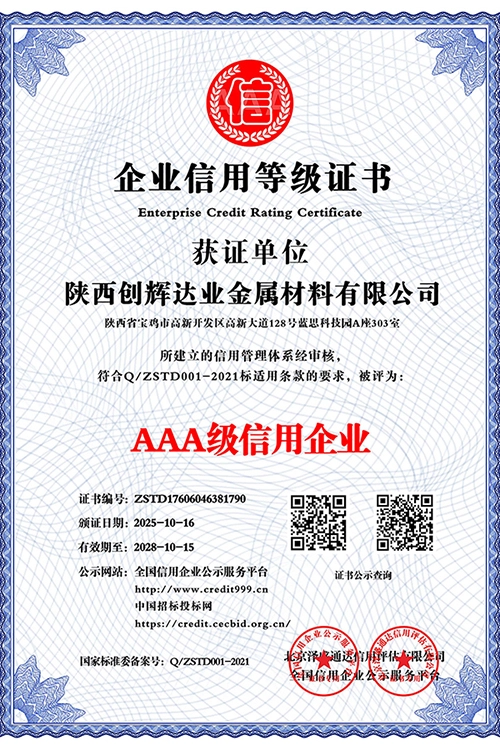
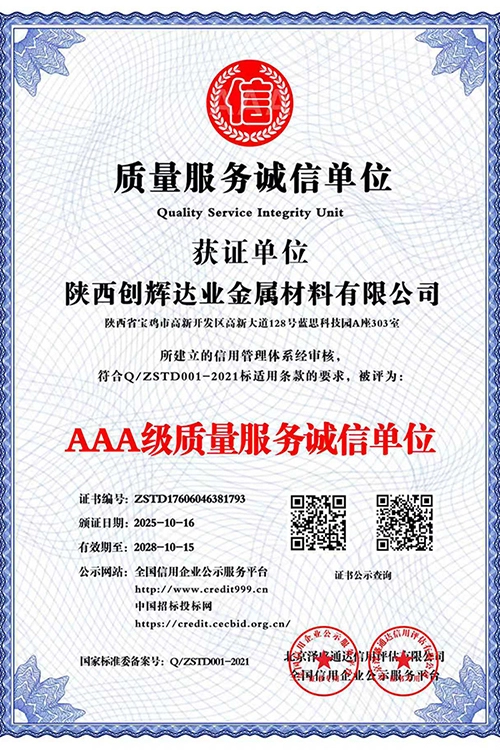
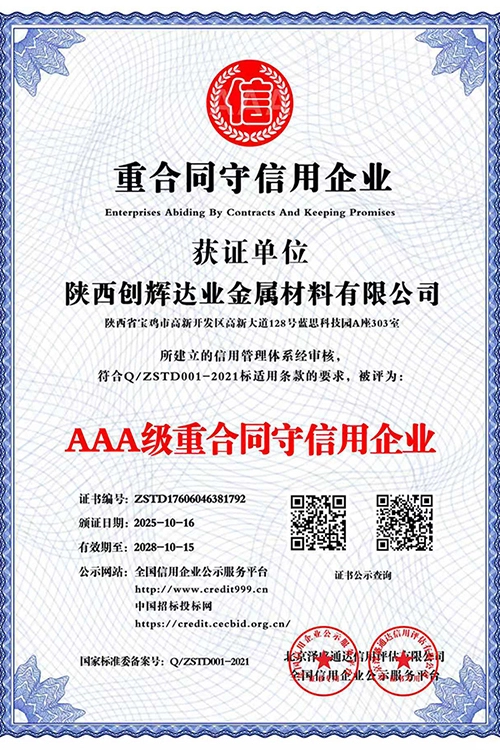
Shaanxi Chuanghui Daye Metal Material Co., Ltd. sits in the Baoji High-tech Development Zone. People call this area China's "Titanium Capital." Our founder brings over 30 years of work in the rare metal industry.
Titanium, tantalum, niobium, tungsten, molybdenum, zirconium, nickel and other rare metal alloys are all part of what we make. Buyers in metallurgy, electronics, medical and special steel rely on them.
Our goods reach buyers in the United States, Germany, South Korea and Singapore. More than 50 countries and regions get shipments as well.
Packaging and Shipping
Packing matters. Tantalum oxidizes easily. So foil ships in vacuum packs, and inert gas gets backfilled inside. Another option is double-layer polyethylene bags with customized tantalum foil and desiccants. Physical protection comes from reinforced wooden crates on top of that.

|
Grade |
Chemical composition%, no more than |
|||||||||||
|
Fe |
Si |
Ni |
W |
Mo |
Ti |
Nb |
O |
C |
H |
N |
Ta |
|
|
Ta1 |
0.005 |
0.005 |
0.005 |
0.005 |
0.002 |
0.002 |
0.005 |
0.02 |
0.004 |
0.002 |
0.005 |
Balance |
|
Ta2 |
0.005 |
0.005 |
0.005 |
0.005 |
0.002 |
0.002 |
0.1 |
0.03 |
0.1 |
0.002 |
0.01 |
Balance |
 |
 |
 |
 |
 |
 |
 |
 |
 |
 |
 |
 |
 |
 |
FAQ
Q: How thin can you make tantalum foil?
A: Thickness drops to 0.008 mm (8 microns) with precision Sendzimir rolling.
Q: While the goods are in transit, what keeps oxidation from forming?
A: One option is vacuum packs backfilled with inert gas. The other is double polyethylene bags with desiccants. Reinforced wooden crates hold both setups.
Q: When doing deep drawing, is there a way to keep grain size under control?
A: Yes. Grain size gets set by vacuum annealing with tight control. ASTM No. 6 or finer is what you end up with. Orange peel then has no chance to appear.
Q: Can I get finishes in both bright and matte?
A: Yes. Bright finish gets its low surface friction from diamond-polished rolling rolls. Matte finish holds lubricant better. That helps with stamping and forming.
Q: Which standards apply?
A: Quality work usually follows ASTM B708 (R05200, R05252). ISO 13782 is the other standard.
Q: What should I send for a quote?
A: Send your drawing. Note the thickness and width. Length, purity, temper, finish and quantity matter too.
Contact Us
Send your drawing, thickness and purity requirements for customized tantalum foil to info@chdymetal.com. Our team will reply with a quotation and lead time.
Learn about our latest products and discounts through SMS or email