- English
- French
- German
- Portuguese
- Spanish
- Russian
- Japanese
- Korean
- Arabic
- Greek
- German
- Turkish
- Italian
- Danish
- Romanian
- Indonesian
- Czech
- Afrikaans
- Swedish
- Polish
- Basque
- Catalan
- Esperanto
- Hindi
- Lao
- Albanian
- Amharic
- Armenian
- Azerbaijani
- Belarusian
- Bengali
- Bosnian
- Bulgarian
- Cebuano
- Chichewa
- Corsican
- Croatian
- Dutch
- Estonian
- Filipino
- Finnish
- Frisian
- Galician
- Georgian
- Gujarati
- Haitian
- Hausa
- Hawaiian
- Hebrew
- Hmong
- Hungarian
- Icelandic
- Igbo
- Javanese
- Kannada
- Kazakh
- Khmer
- Kurdish
- Kyrgyz
- Latin
- Latvian
- Lithuanian
- Luxembou..
- Macedonian
- Malagasy
- Malay
- Malayalam
- Maltese
- Maori
- Marathi
- Mongolian
- Burmese
- Nepali
- Norwegian
- Pashto
- Persian
- Punjabi
- Serbian
- Sesotho
- Sinhala
- Slovak
- Slovenian
- Somali
- Samoan
- Scots Gaelic
- Shona
- Sindhi
- Sundanese
- Swahili
- Tajik
- Tamil
- Telugu
- Thai
- Ukrainian
- Urdu
- Uzbek
- Vietnamese
- Welsh
- Xhosa
- Yiddish
- Yoruba
- Zulu
Titanium Alloy Sheet
Titanium Alloy Sheet in Grade 2, Grade 5 and Grade 7 for Aerospace, Medical and Chemical Use
Chdymetal supplies metal to buyers around the world. Its base sits in Baoji High-tech Development Zone, Shaanxi, China. One item in the range is Titanium Alloy Sheet, stocked in Grade 2, Grade 5, and Grade 7. Aerospace buyers use it. So do medical teams and chemical processing plants. Oil and gas projects order it as well. Grade 5 (Ti-6Al-4V) sheet shows a typical density near 4.43 g/cm³. Steel is heavier by roughly 45%. Heat treatment decides the tensile strength, which spans 895 MPa to over 1100 MPa. Where general corrosion service is the job, Grade 2 fits. Reducing acids and crevice corrosion are what Grade 7 handles.
What Is sheet?
This product is a flat-rolled product. Titanium goes into it, with alloying elements added. In Ti-6Al-4V (Grade 5), aluminum acts as an alpha stabilizer. Vanadium does the beta stabilizer job.
Commercially pure (CP) titanium is the usual point of comparison. Grade 5 beats it on strength-to-weight ratio. Creep resistance and fracture toughness hold up well too. A stable oxide film helps here as well, and it stands up to many chloride environments. Marine work and corrosive aerospace service often bring the grade into the picture for that reason.
Specifications
|
Standard |
ASTM B265/ASME SB265, ASTMF67, ASTM F136, ISO-5832-2(3), AMS4911 |
|
Grade |
GR1-GR5, GR7, GR9, GR11, GR12, TI-6AL-4V, TI-6AL-4V ELI |
|
thickness |
≤0.5mm |
|
Width |
≤2000mm |
|
Length |
1000mm-12000mm |
|
Technique |
Cold rolling & Hot Rolling |
|
Surface |
Bright, Polished, Pickling, Sandblasting |
|
Shape |
Rectangular/Square/small pieces |
|
Application |
Metallurgy, electronics, medical, chemical, petroleum, pharmaceutical, aerospace, etc. |
The row headed "Available grades" lists three of them: Grade 3, Grade 5 and Grade 7. Figures everywhere else in the table come from Grade 5 only. Tensile strength moves with the heat treatment condition. Work out which condition you need first. Then order. Thickness is not in this table. Width, length, tolerances and delivery condition are missing too. Mechanical properties for Grade 2 and Grade 7 are absent as well. Ask Chdymetal to confirm each one before you place the order.

Core Advantages
- Strength-to-weight ratio: Grade 5 has a density of about 4.43 g/cm³. Tensile strength starts at 895 MPa and can go past 1100 MPa. The heat treatment decides where the final figure lands.
- Weight saving: This alloy is much lighter. Steel comes in roughly 45% denser than it does.
- Corrosion resistance: The surface holds a steady oxide layer that clings to it tightly. Out in open air, this layer protects the metal. Most organic acids do not bother it either.
- Medical suitability: Titanium contains nothing toxic. On top of that, it is non-magnetic.
- Heat performance: Grade 5 holds up fine at 400 °C (752 °F) and anything below that.
Grade Selection: Grade 2, Grade 5 and Grade 7
Commercially pure titanium, that's Grade 2. It handles corrosion well. Strength runs on the low side.
Grade 5 (Ti-6Al-4V) counts as an alloy. Its tensile strength comes in at roughly three times what Grade 2 gives you. Heat is handled better as well. That is why structural aerospace parts so often go with it.
Grade 7 (UNS R52400) is an alpha-phase alloy, Ti-0.15Pd. The palladium sits between 0.12% and 0.25%. In reducing acids that addition cuts the corrosion rate when you compare it with Grade 2. Ductility stays at CP titanium levels.
Crevice corrosion in heat exchangers is the target for Grade 7. Hot, dilute chloride solutions won't break it down. Nor will acids. Sulfuric and hydrochloric acids are included too. Palladium is why it costs more up front. Fit the conditions right. Lifetime cost can then land below pure titanium.
Applications
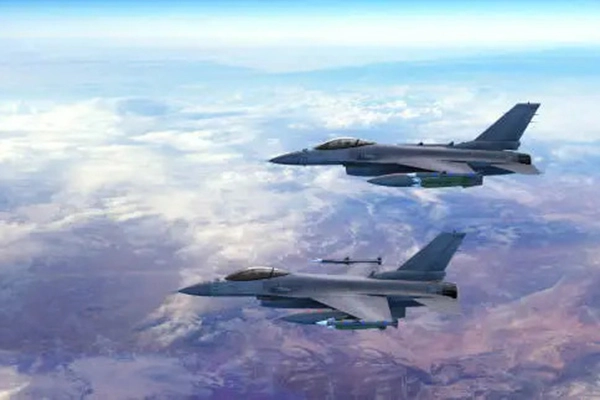
- Aerospace and defense: Airframe skin structures use it. So do engine firewalls and exhaust ducting. The choice gets driven by vibration and thermal cycling. Intermediate temperature zones are another spot. There it can step in as a lighter option, in place of nickel-based superalloys.
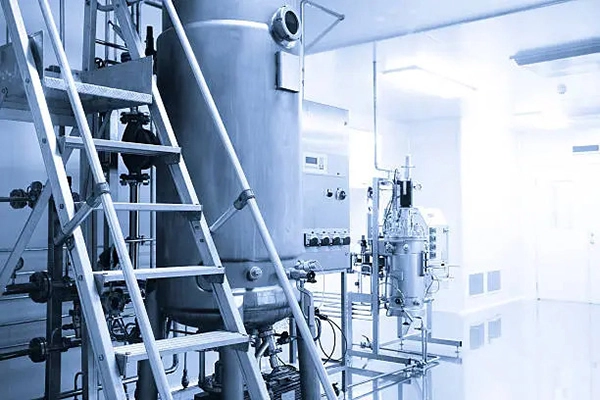
- Chemical processing: Heat exchanger plates go here, along with linings for high-pressure autoclaves. Standard stainless steels break down fast when acids reduce them or chlorides oxidize them. That is whysheett gets picked for this work. Equipment then lasts longer under those conditions.
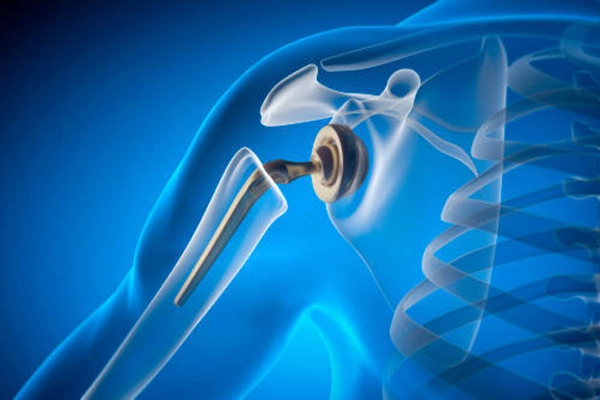
- Medical and surgical implants: Cranial plates and fixation meshes. A surgeon can shape the sheet right in the operating room. Bone grows onto titanium's surface (osseointegration). That is the main reason it shows up in implants so often.
- Industrial and oil and gas: Parts that take corrosion. Low weight matters here. A long service life matters too.
Forming, Joining and Surface Treatment
Titanium brings springback with it. Texture hardening too. So build your forming plan around the rolling direction. Bending across the transverse direction usually calls for bigger bend radii than bending along the length. Ignore that and cracks show up. Send your bend design over to the supplier early.
Do not weld this material directly to steel. Brittle intermetallic compounds (TiC, TiFe) form in the joint. Failure can come quickly. When the two metals are different, use explosion bonding or mechanical fastening.
Sheets leave the mill descaled (pickled) as standard. For parts that face wear, hard anodizing or nitriding helps. Both of them cut down titanium's habit of galling and seizing. Choose the surface treatment for your Titanium Alloy Sheet based on the contact conditions. Sliding service then improves.
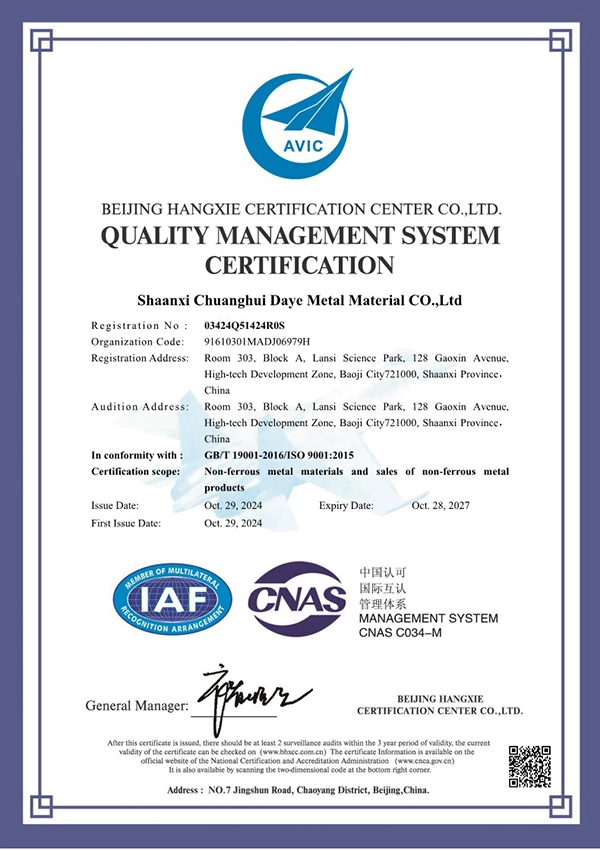
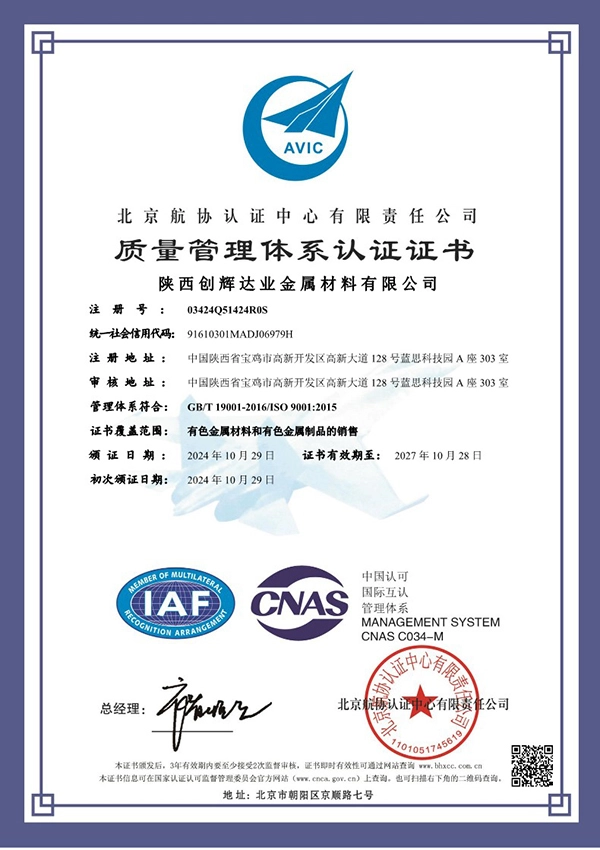
Quality Standards and Inspection for Titanium Alloy Sheet
ASTM B265 appears on that list. It covers titanium strip, sheet and plate, plus the alloy versions. AMS 4911 is the one used for aerospace material work. For implants, look at ISO 5832-3.
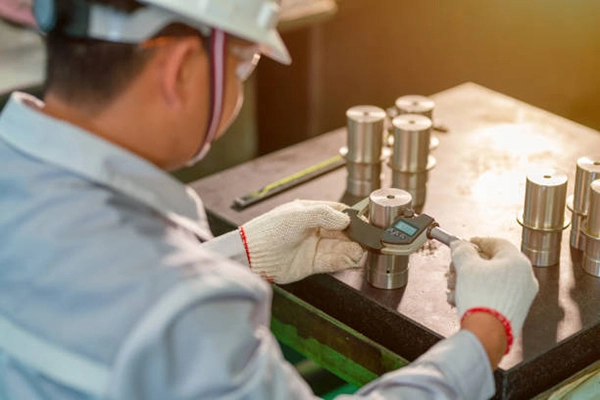
People often ask for ultrasonic testing (UT) on aerospace-grade sheet. The scan looks for flaws under the surface. Hard alpha inclusions turn up most often, along with voids left by ingot melting. In parts that fly, cracks can start at those spots. Tell us which inspection and paperwork you need when you ask for a quote.
Supply and Purchasing Support
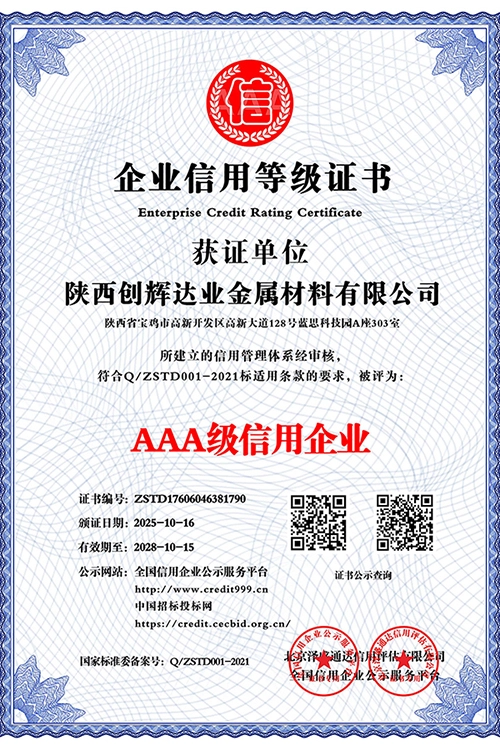
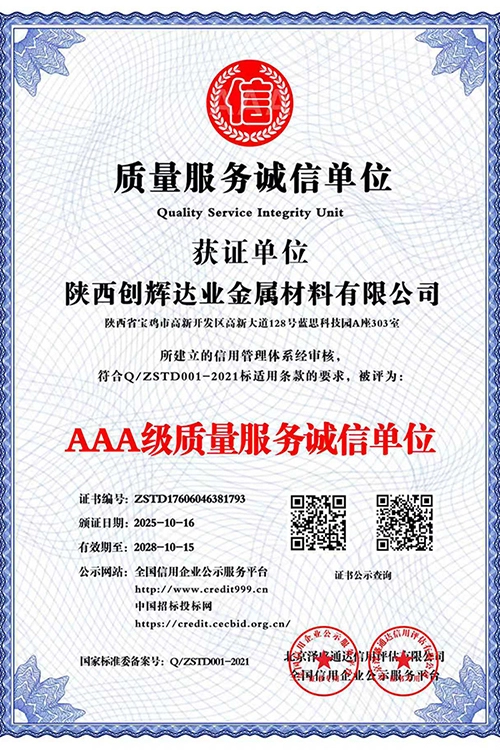
Chdymetal sits in Baoji, the city many people call China's "Titanium Capital." Our founder has spent over 30 years in the rare metal industry. Orders from Chdymetal go out to more than 50 countries and regions. The United States, Germany, South Korea, and Singapore are among them.
Chdymetal sells Titanium Alloy Sheet. That is one item of many. Tantalum sits in the range too, and so do niobium and tungsten. Molybdenum, zirconium and nickel products are on the list as well. Metallurgy needs these metals. Electronics needs them too. Medical work relies on them, and special steel work does as well. Sourcing stays simple when you buy from one supplier.
Want the quote back sooner? Send the grade first. Tell us the heat treatment condition as well. Surface finish matters too. We also need the thickness. Quantity and end use count as well.
Be used in a wide range of industries.

Marine engineering
Medical implants

Medical Equipment
Chemical Processing
Aerospace and Defense

Energy and Environmental Engineering

|
Grade |
Standard |
Specification (mm) |
|
Gr2 |
ASTM B 265 |
1.0-1.5*850*1010 |
|
Gr2 |
ASTM B 265 |
2.0*500*1000 |
|
Gr2 |
ASTM B 265 |
1.0-4.0*1000*2000 |
|
Gr2 |
ASTM B 265 |
5.0-6.0*1500*6000 |
|
Gr5 |
ASTM B 265 |
3.0*930*1010 |
|
Gr5 |
ASTM B 265 |
3.5*850*1045 |
|
Gr7 |
ASTM B 265 |
2.0*1010*1280 |
|
Gr7 |
ASTM B 265 |
3.0*740*1250 |
|
Gr7 |
ASTM B 265 |
6.0*1400*1950 |
 |
 |
 |
 |
 |
 |
 |
 |
 |
 |
 |
|
|
|
|
|
 |
 |
 |
 |


 |
 |
 |
 |
 |
 |
FAQ
Q: What sets Grade 2 titanium sheet apart from Grade 5?
A: Grade 2 is a commercially pure metal. Corrosion resistance holds up well on this one. Strength sits lower, though. Grade 5 (Ti-6Al-4V) brings about three times the tensile strength. Better heat resistance comes with it too.
Q: When should I choose Grade 7?
A: Choose it when reducing acids need to be cut down. Crevice corrosion is another case where it helps. Hot dilute chloride service is one more. Palladium content falls between 0.12% and 0.25%.
Q: How does grain direction change forming?
A: Two things matter in titanium: springback and texture hardening. Cross-grain bends often need a bigger radius than bends that run along the grain.
Q: Can you weld a titanium sheet to steel?
A: No. If you weld them straight together, brittle TiC and TiFe compounds form. Explosion bonding is the better route. The parts can also be fastened mechanically.
Q: Why does aerospace sheet need ultrasonic testing?
A: Hard alpha inclusions and voids can be left behind when an ingot is melted. UT catches them. Cracks may start at those spots once the part is flying.
Q: Which finishes improve wear resistance?
A: Plain sheet comes descaled (pickled). Galling and seizing ease off once hard anodizing or nitriding is applied.
Contact Us
Send your grade, heat treatment condition, thickness, and quantity for Titanium Alloy Sheet to info@chdymetal.com. Our team will reply with options for your project.
Learn about our latest products and discounts through SMS or email