- English
- French
- German
- Portuguese
- Spanish
- Russian
- Japanese
- Korean
- Arabic
- Greek
- German
- Turkish
- Italian
- Danish
- Romanian
- Indonesian
- Czech
- Afrikaans
- Swedish
- Polish
- Basque
- Catalan
- Esperanto
- Hindi
- Lao
- Albanian
- Amharic
- Armenian
- Azerbaijani
- Belarusian
- Bengali
- Bosnian
- Bulgarian
- Cebuano
- Chichewa
- Corsican
- Croatian
- Dutch
- Estonian
- Filipino
- Finnish
- Frisian
- Galician
- Georgian
- Gujarati
- Haitian
- Hausa
- Hawaiian
- Hebrew
- Hmong
- Hungarian
- Icelandic
- Igbo
- Javanese
- Kannada
- Kazakh
- Khmer
- Kurdish
- Kyrgyz
- Latin
- Latvian
- Lithuanian
- Luxembou..
- Macedonian
- Malagasy
- Malay
- Malayalam
- Maltese
- Maori
- Marathi
- Mongolian
- Burmese
- Nepali
- Norwegian
- Pashto
- Persian
- Punjabi
- Serbian
- Sesotho
- Sinhala
- Slovak
- Slovenian
- Somali
- Samoan
- Scots Gaelic
- Shona
- Sindhi
- Sundanese
- Swahili
- Tajik
- Tamil
- Telugu
- Thai
- Ukrainian
- Urdu
- Uzbek
- Vietnamese
- Welsh
- Xhosa
- Yiddish
- Yoruba
- Zulu
gr23 titanium bar
2. Diameter: 4mm – 20mm
3. Length: 2500- 3000mm
4. Tolerance: h7, h8, h9
Gr23 Titanium Bar ASTM F136 Ti-6Al-4V ELI for Medical Implants and Cryogenic Parts
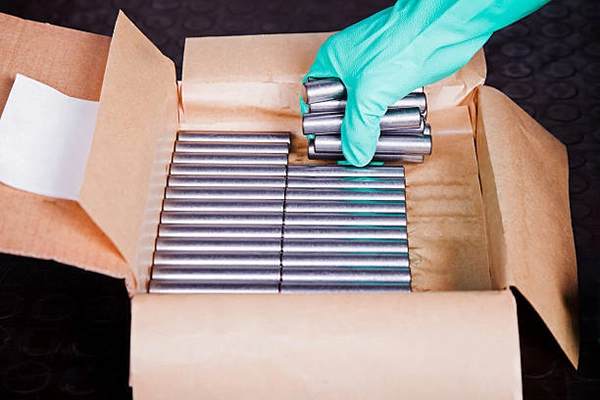
Shaanxi Chuanghui Daye Metal Material Co., Ltd. supplies medical grade Ti-6Al-4V ELI. The gr23 titanium bar falls in that group. Production follows ASTM F136. Diameters run from 4 mm to 20 mm. Lengths fall between 2500 mm and 3000 mm. For diameter tolerance, choose h7, h8 or h9. Orthopedic and dental implants are the usual applications. Aerospace fasteners also use it. Cryogenic pressure vessels do as well. The company is based in Baoji High-tech Development Zone, Shaanxi Province. Orders have come from buyers in more than 50 countries. Specifications appear below. To get a quote, send your size and standard requirements.
Specifications
The table lists supply details for this product. Strength values there are typical figures for Ti-6Al-4V ELI. For the real numbers on your order, check the material certificate.
| Grade | C % max | O %max | N %max | Fe %max | H % max | Al % | V % |
| Gr23 | 0.08 | 0.13 | 0.05 | 0.25 | 0.015 | 6 | 4 |
A few points are missing from the available product data. Packaging is one of them. Delivery time and minimum order quantity are others. Please confirm them when you send an inquiry.
Material Properties
This alloy belongs to the alpha-beta titanium group. So what does ELI mean? Extra-low interstitial. Compared with standard Grade 5, oxygen and the other interstitial elements face tighter limits. That close control helps raise ductility and fracture toughness. Both matter for load-bearing implants.
This alloy gives you high strength and low weight. Salt water will not corrode it. Nor will body fluids. The alloy is rated for service down to -250 °C. At that kind of temperature, plenty of metals turn brittle. For implant work, fatigue performance often decides the choice. Request test data that matches your design.
How Gr23 Differs from Grade 5
Standard Grade 5 usually brings more strength. Ductility runs lower, though. Oxygen and iron sit at lower levels in Grade 23. Ductility goes up because of that. So does fracture toughness. When embrittlement is the worry, designers pick it for load-bearing implants.
Implant makers often begin with This product. On those jobs, toughness and fatigue resistance count for more than the highest strength.
Applications of Gr23 Titanium Bar
- Orthopedic joint replacement: Femoral stems for hip replacements. Structural parts inside knee systems too. Body fluids sit against these parts all day, and walking loads keep repeating.
- Trauma and spinal fixation: Pedicle screws and spinal rods. Bone plates as well, plus bone screws.
- Dental implants: Dental abutments, plus the mating parts that go with them. Once it sits inside the body, the material must stay inert.
- Aerospace fasteners and structural parts: Airframe parts that take repeated loads. Here is where people go with the ELI grade. Toughness is the reason.
- Cryogenic pressure vessels: Tanks made to store gases in liquid form. Liquid hydrogen is one of the gases involved. Below zero, fracture toughness decides how well the vessel holds up.
Bone plates usually get made from gr23 titanium bar or from stainless steel. Bend titanium and it gives way sooner than steel does. Its modulus of elasticity is lower, so that number lands closer to the stiffness of real bone. The upshot can be less stress shielding.
Machining and Anodizing Guidance
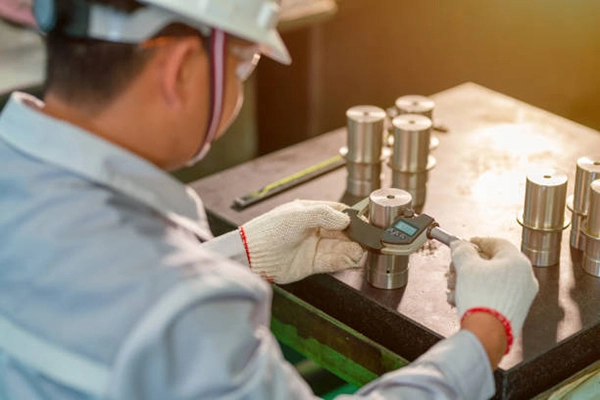
Ti-6Al-4V ELI is a hard alloy to machine. Heat does not leave the cut easily in this grade. It work-hardens fast as well. Surface integrity needs protection: run high-pressure coolant, keep carbide tools sharp, and clamp the setup rigidly.
Anodizing works on this bar, both Type 2 and Type 3. That is how medical shops color-code bone screw sizes. Hardness at the surface rises as well. Lubricity improves too with anodizing.
Be used in a wide range of industries.

Metallurgy and Special Steel

Electronics and Semiconductors

Medical Equipment
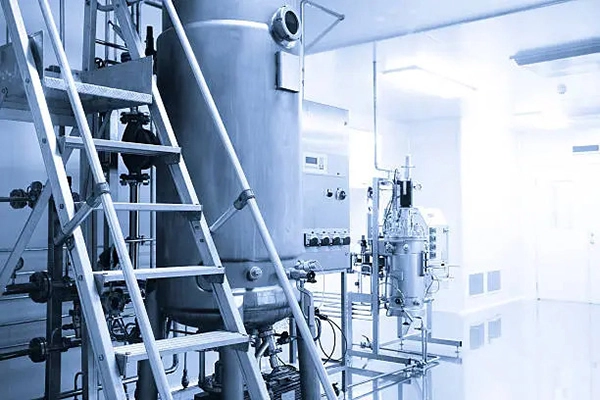
Chemical Processing

Aerospace and Defense

Energy and Environmental Engineering
Buying Checklist for B2B Buyers
- Standard: For medical parts, the material has to meet ASTM F136. Aerospace work instead? Say in the inquiry that AMS 4930 is required. With that settled, we can check what is in stock.
- Certificate: Ask if an EN 10204 3.1 Mill Test Certificate ships with the order. One more thing to check: which standard the certificate names for the material.
- Size: Note the diameter you need. Anywhere from 4 mm to 20 mm works. Length comes next, between 2500 mm and 3000 mm. After that, give the tolerance: h7, h8 or h9.
- Machining plan: Low thermal conductivity and work hardening are two things your shop has to cope with. Confirm that it can.
- Packaging, quantity and delivery: Share your requirements with the inquiry so they can be confirmed in the quotation.
Supplier Background
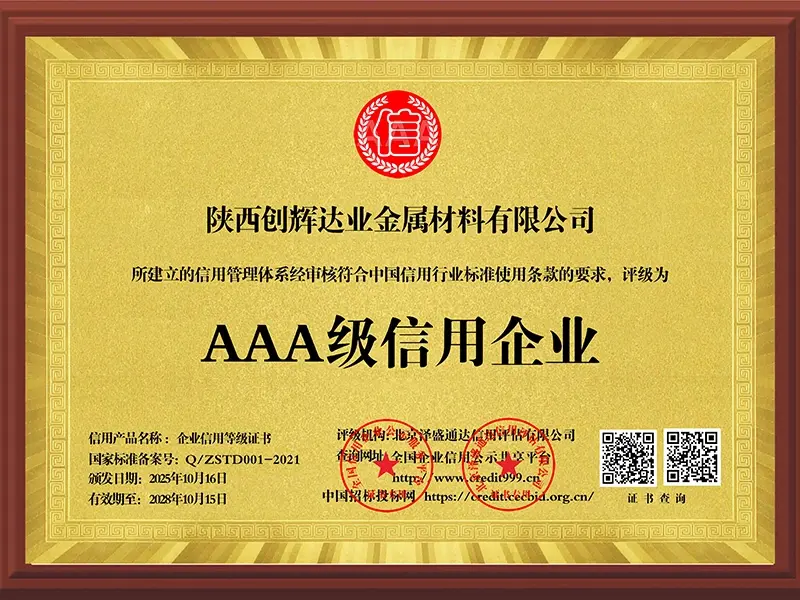
Shaanxi Chuanghui Daye Metal Material Co., Ltd. is located in Baoji High-tech Development Zone, Shaanxi Province, in the area known in China as the "Titanium Capital." The company founder has more than 30 years of experience in the rare metal industry.
Titanium is not the only product line here. The same list carries tantalum, niobium, tungsten, molybdenum, zirconium, gr23 titanium bar and nickel. Other non-ferrous and rare metal alloy products are on it too. People in metallurgy buy them. So do buyers in electronics, medical and special steel work. More than 50 countries and regions have received deliveries. The United States is one of them, and so are Germany, South Korea and Singapore.

| Property | Value |
| Tensile Strength | 130,000 psi (minimum) |
| Yield Strength | 120,000 psi (minimum) |
| Elongation | 10% (minimum) |
| Density | 4.43 g/cm³ |
| Melting Point | 1604-1660°C |
| Young's Modulus | 114 GPa |
 |
 |
 |
 |
 |
 |
 |
 |
 |
 |
 |
 |
 |
|
|
|
|
|
 |
 |
 |
 |


 |
 |
 |
 |
 |
 |
FAQ
Q: What makes Grade 5 titanium bars different from Grade 23 bars, really?
A: Grade 23 is the ELI version. Oxygen and iron are both lower in it. Implants made from it get better ductility and fracture toughness. Grade 5, by contrast, is usually stronger but has less ductility.
Q: When I buy, which certificate should I ask for?
A: Ask for an EN 10204 3.1 Mill Test Certificate. Compliance with ASTM F136 must be stated on it for medical use. For aerospace use, do you need AMS 4930? Check availability first.
Q: Does machining Ti-6Al-4V ELI bar cause problems?
A: Yes. Heat doesn't leave the cut easily, and the material work hardens. Use coolant at high pressure, keep carbide tools sharp, and make the setup rigid.
Q: Can this bar be anodized?
A: Yes. Type 2 and Type 3 anodizing can be used for color-coding. Those finishes also raise surface hardness. Lubricity improves too.
Q: Stainless steel is an option, so why would titanium be a candidate for bone plates?
A: Titanium and bone are closer on modulus of elasticity than bone and stainless steel are. That closeness counts. It can help lower stress shielding. With a stiffer material, the load the bone carries itself may fall off over time.
Q: Which sizes can I get this product in?
A: The diameter range is 4 mm to 20 mm. Length runs from 2500 mm to 3000 mm. As for diameter tolerances, you can pick h7, h8 and h9.
Contact Us
Send your diameter, length, tolerance and standard requirements for gr23 titanium bar to info@chdymetal.com. Our team will reply with the next steps.
Learn about our latest products and discounts through SMS or email