- English
- French
- German
- Portuguese
- Spanish
- Russian
- Japanese
- Korean
- Arabic
- Greek
- German
- Turkish
- Italian
- Danish
- Romanian
- Indonesian
- Czech
- Afrikaans
- Swedish
- Polish
- Basque
- Catalan
- Esperanto
- Hindi
- Lao
- Albanian
- Amharic
- Armenian
- Azerbaijani
- Belarusian
- Bengali
- Bosnian
- Bulgarian
- Cebuano
- Chichewa
- Corsican
- Croatian
- Dutch
- Estonian
- Filipino
- Finnish
- Frisian
- Galician
- Georgian
- Gujarati
- Haitian
- Hausa
- Hawaiian
- Hebrew
- Hmong
- Hungarian
- Icelandic
- Igbo
- Javanese
- Kannada
- Kazakh
- Khmer
- Kurdish
- Kyrgyz
- Latin
- Latvian
- Lithuanian
- Luxembou..
- Macedonian
- Malagasy
- Malay
- Malayalam
- Maltese
- Maori
- Marathi
- Mongolian
- Burmese
- Nepali
- Norwegian
- Pashto
- Persian
- Punjabi
- Serbian
- Sesotho
- Sinhala
- Slovak
- Slovenian
- Somali
- Samoan
- Scots Gaelic
- Shona
- Sindhi
- Sundanese
- Swahili
- Tajik
- Tamil
- Telugu
- Thai
- Ukrainian
- Urdu
- Uzbek
- Vietnamese
- Welsh
- Xhosa
- Yiddish
- Yoruba
- Zulu
ASTM B393 niobium plates
2. Material : pure niobium and niobium alloy
3. Grade: RO4200.RO4210,R04251,R04261
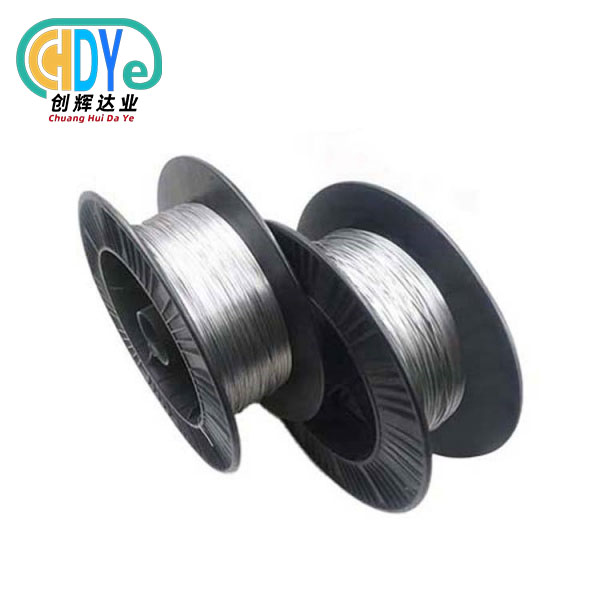
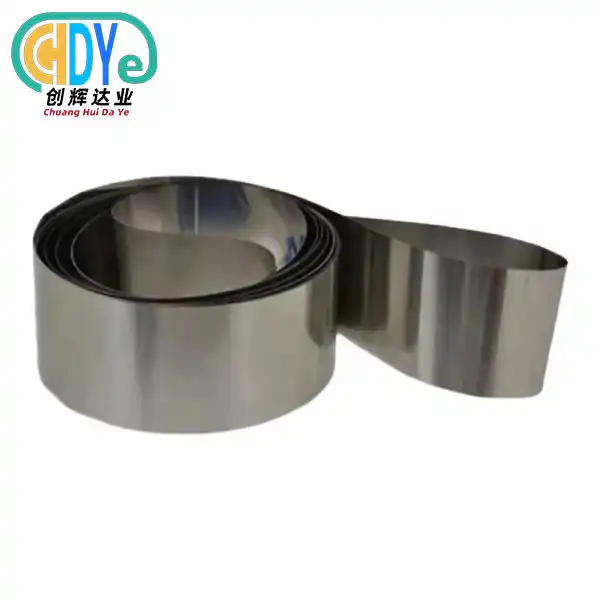
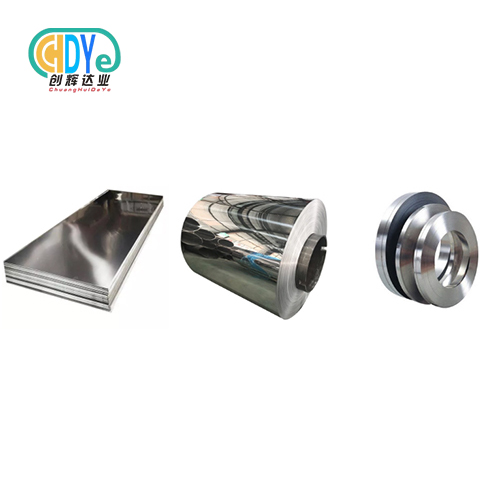
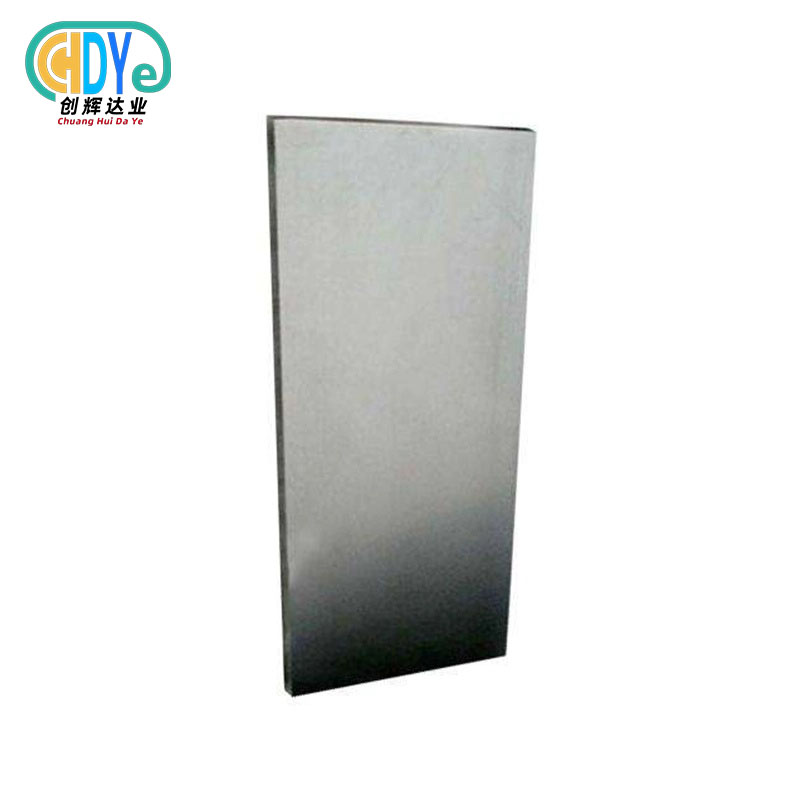
ASTM B393 Niobium Plates: Pure Niobium and Nb-1Zr Sheet and Plate, 0.1–6.0 mm
Shaanxi Chuanghui Daye Metal Material Co., Ltd. makes pure niobium and niobium alloy products. ASTM B393 niobium plates are one example. Thickness runs from 0.1 mm to 6.0 mm. Width and length are set per order. Four grades are listed: R04200, R04210, R04251 and R04261. The last two are Nb-1Zr alloy grades. Reactor grades are included, and so are commercial grades. Nuclear work uses these plates. Aerospace, superconducting and chemical processing projects use them too. Check the specification table below against your drawing. Then send your grade, size and quantity to request a quote.
Specifications
| Property | Value |
|---|---|
| Purity | Nb >99.9% |
| Density | 8.57 g/cm³ |
| Melting Point | 2,477°C (4,491°F) |
| Tensile Strength | 200-350 MPa |
| Thickness Range | 0.1-6.0mm |
| Width*Length | Customized |
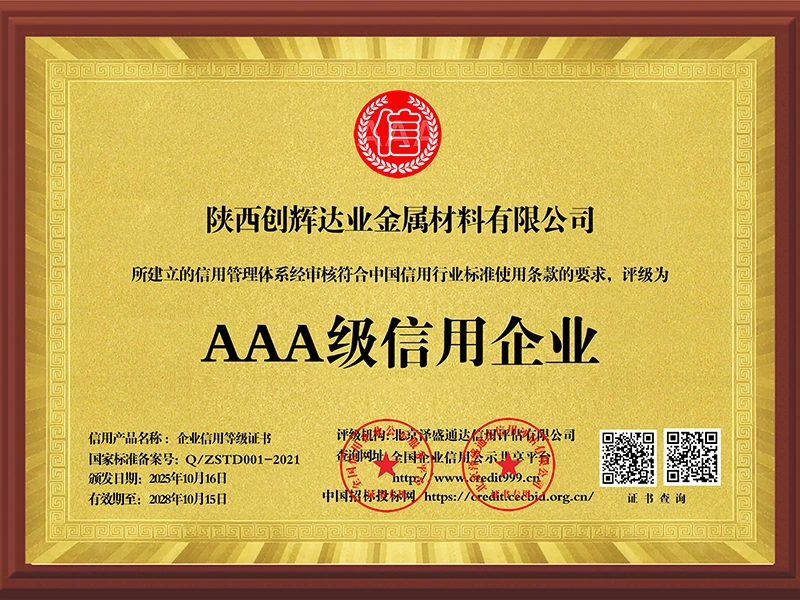
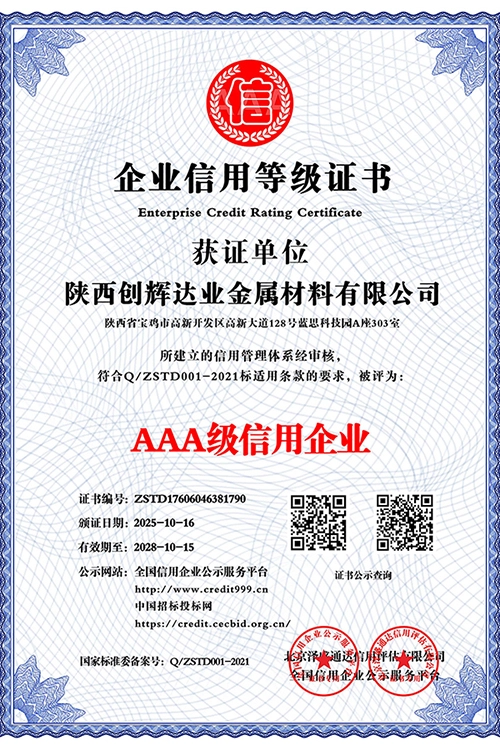
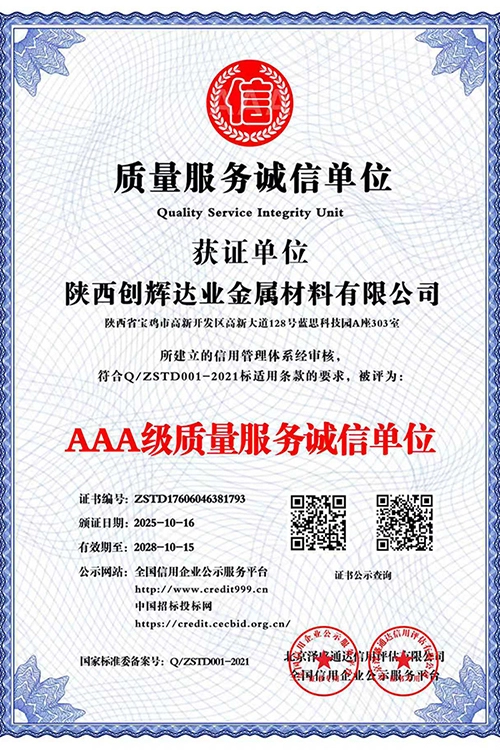
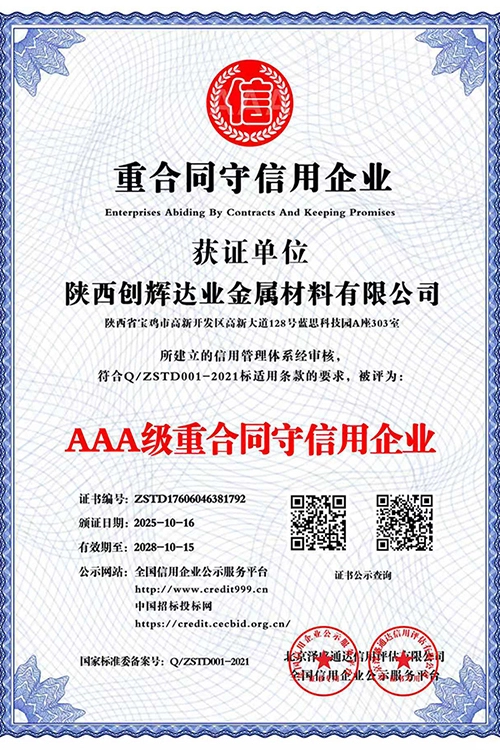
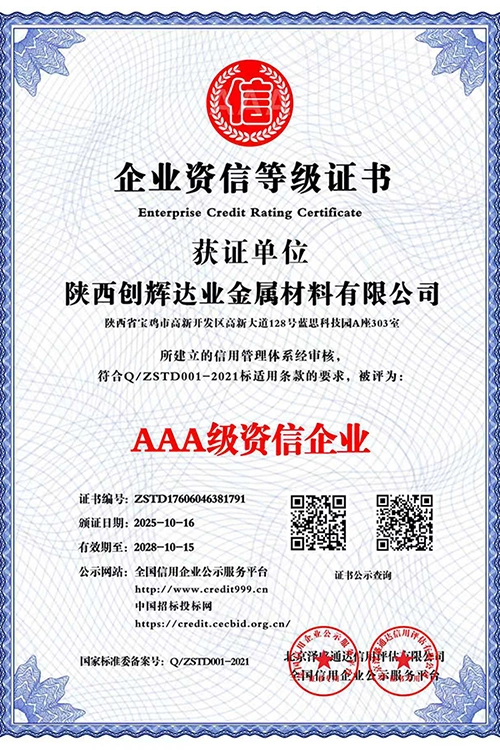
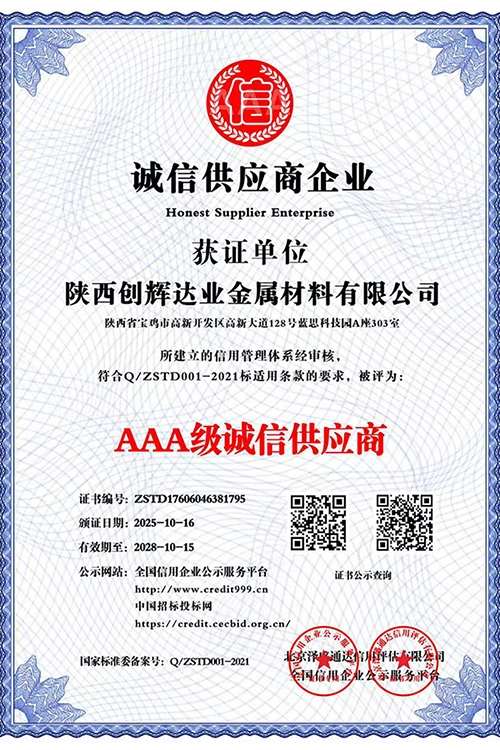
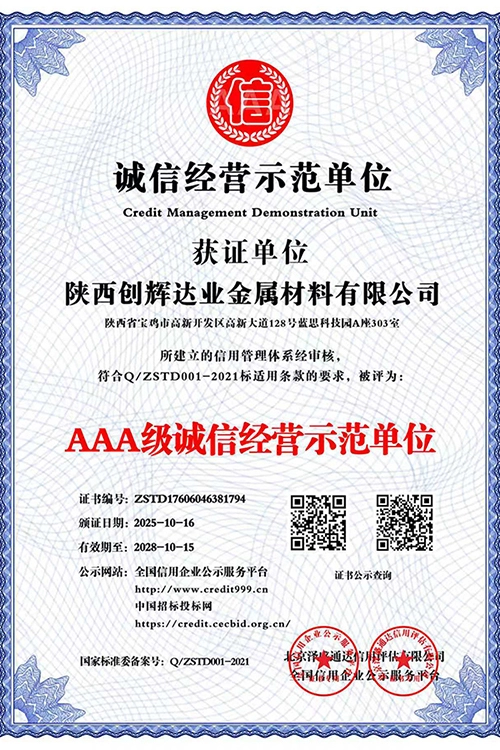
| Certificate | ISO 9001:2015 |
| Surface Finish | Polished, Pickled, or As-rolled |
| Product Features |
Excellent Corrosion Resistance Good resistance to effect of heat |
| Application | Widely used in chemical, electronics, aviation and aerospace fields |
| Delivery time | production time 15 working days |
| Payment terms | 30% TT in advance, 70% balance before shipment |
Some details are missing from the table. Tolerance is one of them. Temper, surface condition, MOQ and lead time are not stated in the current product data either. Please confirm them with the team when you inquire. One purity range covers both the pure niobium and the alloy grades in that table. Check the chemistry of the grade you pick before you order.

Grades and Material Options
Two pure niobium grades exist: R04200 and R04210. The first one is a reactor grade. Tantalum content in it stays low. That keeps neutron absorption in check. R04210, on the other hand, is a commercial grade. Aerospace high-temperature parts are a common pick for it.
Grades R04251 and R04261 fall under the Nb-1Zr alloy family. Zirconium is added for two reasons. Creep strength goes up, and the metal holds up better against liquid alkali metals. On top of that, R04251 comes in a reactor grade.
On nuclear parts, check tantalum control first. When structures run at high temperature, compare the alloy grades with pure niobium against your service conditions.
Reference Material Properties
Below are typical reference values for niobium. These are not test results for one lot or grade. Need certified figures? Ask for the relevant reports with your order.
|
Niobium and Niobium Alloys Sheet Chemical Composition |
||||
|
Element |
Type1 (Reactor Grade Unalloyed Nb) R04200 |
Type2 (Commercial Grade Unalloyed Nb) R04210 |
Type3 (Reactor Grade Nb-1%Zr) R04251 |
Type4 (Commercial Grade Nb-1%Zr) R04261 |
|
Max Weight % (Except Where Otherwise Specified) |
||||
|
C |
0.01 |
0.01 |
0.01 |
0.01 |
|
N |
0.01 |
0.01 |
0.01 |
0.01 |
|
O |
0.015 |
0.025 |
0.015 |
0.025 |
|
H |
0.0015 |
0.0015 |
0.0015 |
0.0015 |
|
Zr |
0.02 |
0.02 |
0.8-1.2 |
0.8-1.2 |
|
Ta |
0.1 |
0.3 |
0.1 |
0.5 |
|
Fe |
0.005 |
0.01 |
0.005 |
0.01 |
|
Si |
0.005 |
0.005 |
0.005 |
0.005 |
|
W |
0.03 |
0.05 |
0.03 |
0.05 |
|
Ni |
0.005 |
0.005 |
0.005 |
0.005 |
|
Mo |
0.01 |
0.02 |
0.01 |
0.05 |
|
Hf |
0.02 |
0.02 |
0.02 |
0.02 |
|
Ti |
0.02 |
0.03 |
0.02 |
0.03 |
Cold forming works for most ASTM B393 niobium plates. Thin sheet is often bent, drawn, or formed. A furnace step is not part of it. Have the team check the temper and the forming method for your part.
Chemical Resistance and Purity
Niobium forms a film of anodic oxide (Nb₂O₅). That film stays in place. If the surface takes light damage, the film grows back. Because of that film, some protection still reaches the metal underneath.
Niobium usually shrugs off organic acids. Mineral acids behave in much the same way. Hydrochloric acid belongs to that group. Nitric acid does too. Sulfuric acid also fits. One acid is different. Hydrofluoric (HF) acid goes after the metal and eats into it. Heat matters here. So does acid strength. Check your process chemistry first. After that, pick a grade.
Purity starts at 99.95% (3N5). At the top of the range sits 99.99% (4N). One more detail matters when the metal is headed for scientific or superconducting work. Send your target Residual Resistance Ratio (RRR) along with the inquiry.
Applications
- Nuclear power: This group holds two reactor grades. They are R04200 and R04251 (Nb-1Zr). Fuel assembly parts and reactor core structures both put them to use. Thermal neutron cross-section values can go as low as 1.1 barns. That number is the reason they suit the job.
- Aerospace propulsion: Jet engine parts and rocket thruster nozzles often use R04210. Once things heat up, those parts have to resist creep. Strength per unit of weight counts as well. Oxidation protection usually comes from a silicide coating.
- Superconducting magnets and MRI: High-purity niobium goes into the superconducting wire of particle accelerators. RF cavities use it too. Its critical temperature sits at 9.2 K. Those parts therefore have to work at cryogenic temperatures.
- Chemical processing: Niobium works well in equipment exposed to aggressive acids. Agitators are one example. Two more are heater bayonets and cathodic protection anodes. An oxide film slows acid attack. The same film resists hydrodynamic shear.
Quality Control and Documents for ASTM B393 niobium plates
Test requirements usually get fixed before niobium work begins. Chemical analysis is what buyers ask for most. Oxygen and nitrogen are both measured. Carbon and hydrogen fall under that same test. Results come back in parts per million. Embrittlement is the risk with these elements.
Extra checks come up often in buyer requests. Tensile strength and yield strength come from ASTM E8 testing. Elongation gets measured in that same test. Under ASTM E112, the grain size is reviewed. With nuclear grades, the tantalum content check matters most. Ultrasonic testing is another one a buyer may ask for. Internal voids are what that test looks for.
Make a list of the reports you need before ordering this product. Our team will let you know which ones can go out with your shipment.
About Shaanxi Chuanghui Daye
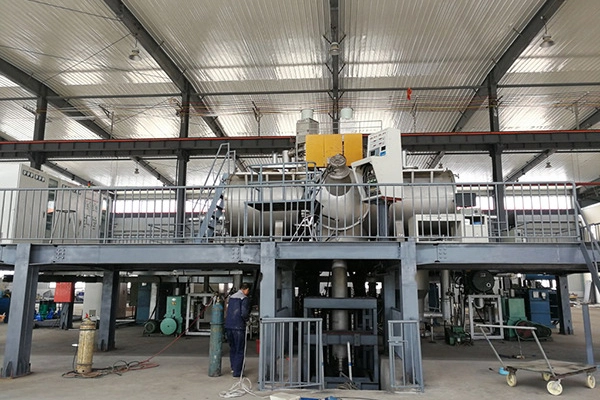
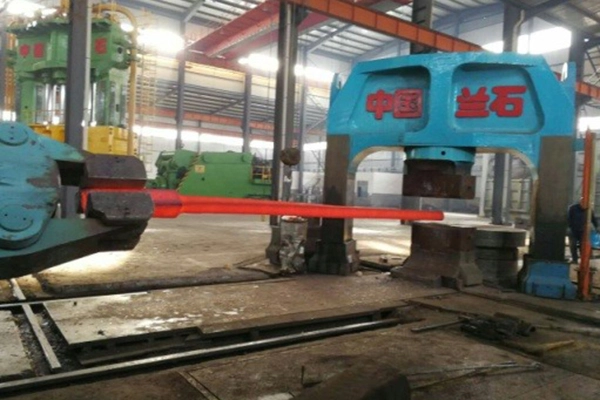
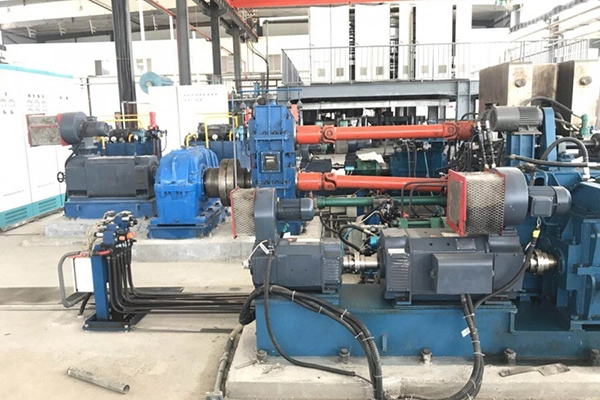
Baoji High-tech Development Zone is where Shaanxi Chuanghui Daye Metal Material Co., Ltd. is based. That area is known as China's "Titanium Capital." Titanium is one focus for the firm. Tantalum, niobium, tungsten, molybdenum, zirconium, nickel and other non-ferrous and rare metal alloy products are others. Buyers in metallurgy, electronics, medical and special steel fields use them.
Be used in a wide range of industries.

Electronic devices
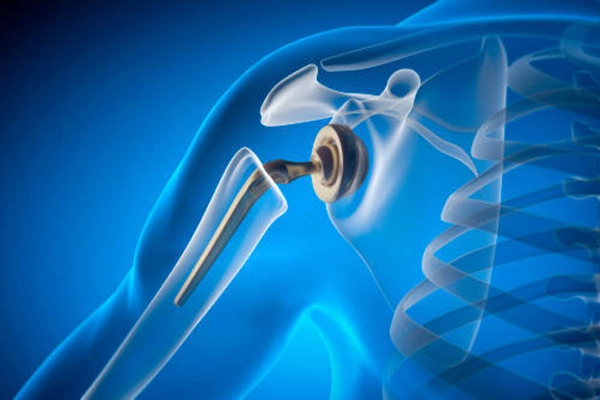
Medical implants
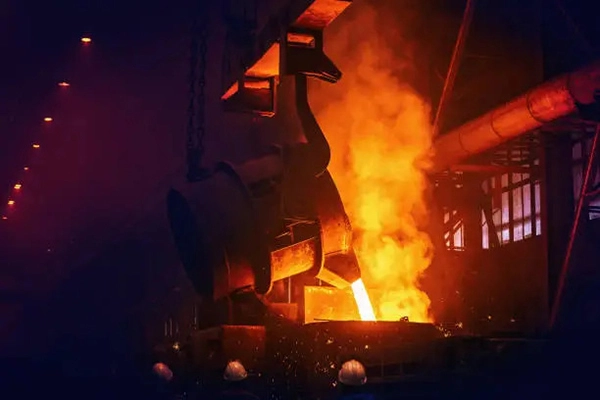
Steel industry
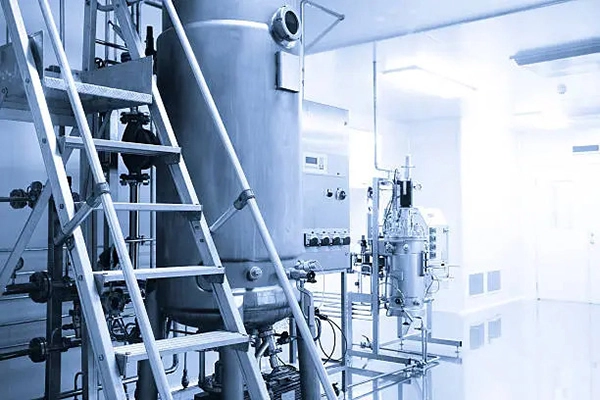
Chemical Processing

Aerospace and Defense

Energy and Environmental Engineering
Ordering and Custom Sizes
Plates are supplied from 0.1 mm to 6.0 mm thick, with width and length set by your order. To quote ASTM B393 niobium plates accurately, please send:
- Grade (R04200, R04210, R04251 or R04261)
- Thickness, width and length
- Quantity
- Purity or RRR target, if relevant
- Required test reports
- Packaging requirements
|
Grade |
Tensile strength δbpsi (MPa), ≥ |
Yield strength δ0.2, psi (MPa),≥ |
Elongation in 1"/2" gage length, %, ≥ |
|
RO4200 |
18000 (125) |
12000 (85) |
25 |
|
RO4210 |
|
Thickness |
The allowable deviation thickness |
Width |
The allowable deviation Width |
Length |
|
|
Width>120~300 |
Width>300 |
||||
|
0.1~0.2 |
±0.015 |
±0.02 |
>300~420 |
±2.0 |
>100 |
|
>0.2~0.3 |
±0.02 |
±0.03 |
>200~420 |
±2.0 |
>100 |
|
>0.3~0.5 |
±0.03 |
±0.04 |
>200~420 |
±2.0 |
50~3000 |
|
>0.5~0.8 |
±0.04 |
±0.06 |
>200~420 |
±2.0(±5.0) |
50~3000 |
|
>0.8~1.0 |
±0.06 |
±0.08 |
>200~420 |
±2.0(±5.0) |
50~3000 |
|
>1.0~1.5 |
±0.08 |
±0.10 |
>200~420 |
±3.0(±5.0) |
50~3000 |
|
>1.5~2.0 |
±0.12 |
±0.14 |
>200~420 |
±3.0(±5.0) |
50~3000 |
|
>2.0~3.0 |
±0.16 |
±0.18 |
>200~420 |
±5.0 |
50~3000 |
|
>3.0~4.0 |
±0.18 |
±0.20 |
>200~420 |
±5.0 |
50~3000 |
|
>4.0~6.0 |
±0.20 |
±0.24 |
>200~420 |
±5.0 |
50~3000 |
 |
 |
 |
 |
 |
 |
 |
 |
|
|
|


|
|
|
|
|
 |
 |
 |
 |


 |
 |
 |
 |
 |
 |
FAQ
Q: What this product grades can you supply?
A: R04200, R04210, R04251 and R04261. Two of them, R04200 and R04210, are pure niobium. The other two, R04251 and R04261, are Nb-1Zr alloy grades.
Q: What thickness range do you supply?
A: Thickness runs from 0.1 mm up to 6.0 mm. Width and length get picked per order.
Q: What purity can I expect?
A: Listed purity begins at 99.95% (3N5) and reaches 99.99% (4N). Look at the chemistry of your grade first. For scientific work, also name a target RRR value.
Q: Does niobium resist acids?
A: Many organic and mineral acids are resisted by its Nb₂O₅ oxide film. Hydrofluoric acid attacks it. Results vary with concentration and temperature.
Q: What is the MOQ? How long is the lead time? Can I get samples?
A: These are not listed in the current product data. Send your grade, size and quantity. The team will confirm them.
Contact Us
To start, email your grade for ASTM B393 niobium plates to info@chdymetal.com. The thickness should go in too. Width and length are needed as well. Tell us the quantity.
Learn about our latest products and discounts through SMS or email