- English
- French
- German
- Portuguese
- Spanish
- Russian
- Japanese
- Korean
- Arabic
- Greek
- German
- Turkish
- Italian
- Danish
- Romanian
- Indonesian
- Czech
- Afrikaans
- Swedish
- Polish
- Basque
- Catalan
- Esperanto
- Hindi
- Lao
- Albanian
- Amharic
- Armenian
- Azerbaijani
- Belarusian
- Bengali
- Bosnian
- Bulgarian
- Cebuano
- Chichewa
- Corsican
- Croatian
- Dutch
- Estonian
- Filipino
- Finnish
- Frisian
- Galician
- Georgian
- Gujarati
- Haitian
- Hausa
- Hawaiian
- Hebrew
- Hmong
- Hungarian
- Icelandic
- Igbo
- Javanese
- Kannada
- Kazakh
- Khmer
- Kurdish
- Kyrgyz
- Latin
- Latvian
- Lithuanian
- Luxembou..
- Macedonian
- Malagasy
- Malay
- Malayalam
- Maltese
- Maori
- Marathi
- Mongolian
- Burmese
- Nepali
- Norwegian
- Pashto
- Persian
- Punjabi
- Serbian
- Sesotho
- Sinhala
- Slovak
- Slovenian
- Somali
- Samoan
- Scots Gaelic
- Shona
- Sindhi
- Sundanese
- Swahili
- Tajik
- Tamil
- Telugu
- Thai
- Ukrainian
- Urdu
- Uzbek
- Vietnamese
- Welsh
- Xhosa
- Yiddish
- Yoruba
- Zulu
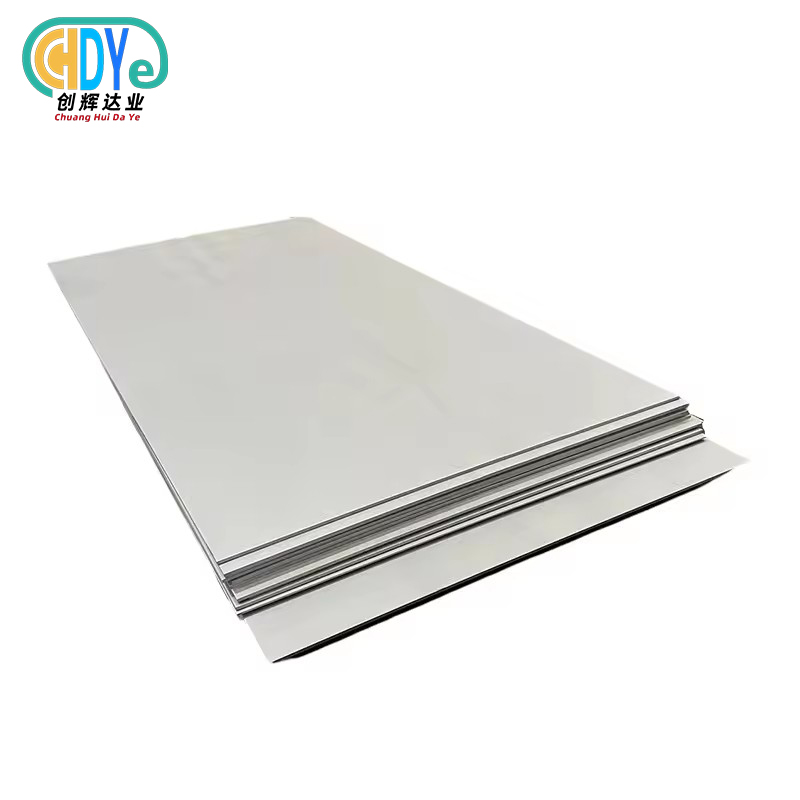
cold rolling niobium sheet
2. Thickness: 0.2–20 mm
3. Width: 1000 mm
4. Length: 3000 mm, customized
5. Density: 8.57 g/cm³
6. Process: Cold rolled
7. Applications: Electronics, chemical
Cold Rolling Niobium Sheet for SRF Cavities, Chemical Equipment and HPHT Presses
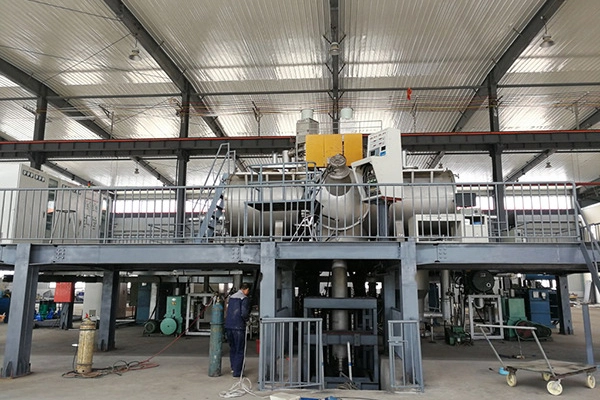
Rare metals are the trade of Shaanxi Chuanghui Daye Metal Material Co., Ltd. (CHDY). Baoji, Shaanxi is where the company sits. Electron-beam melted niobium is the starting point for its cold rolling niobium sheet. Rolling takes place below the recrystallization temperature. Typical numbers run like this: a thickness tolerance of ±0.05 mm, surface roughness under Ra 0.8 µm, carbon under 100 ppm, oxygen under 150 ppm. On high purity grades the RRR gets to 300. Elongation above 30% is common on vacuum annealed sheet. One place buyers put the sheet is superconducting RF cavities. Chemical equipment linings are another. Diamond synthesis tooling takes it as well. Check the final values before you order.
What Is Cold Rolled Niobium Sheet?
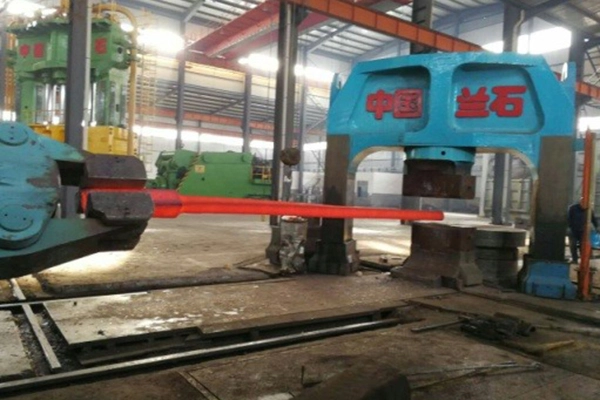
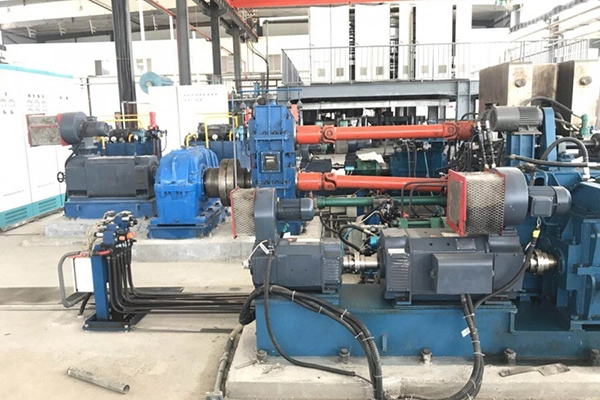
Niobium sheet gets thinner as it passes through cold rolling. For the whole pass the metal stays below its recrystallization temperature. Most shops work at room temperature. The mill is fed with electron-beam melted niobium.
Oxygen starts to react with niobium above 400 °C. Nitrogen attacks it too. So does hydrogen. Brittle oxide layers can be left behind by hot processing. Layers rich in oxygen also build up on the surface. Ductility and superconductivity both take damage from them. That contact is avoided with cold rolling. Out comes thin sheet with dimensions you can hold to.
Key Features
Thin sheet processing. Successive rolling passes reduce thickness step by step. This gives thin sheet that is hard to obtain from initial hot working.
Dimensional control. Thickness holds to ±0.05 mm. What ends up in the box depends on the process you pick. Both sides still have to sign off on the spec.
Surface condition. Rolled material comes out fairly flat. Ra stays under 0.8 µm. Do you need a set finish, or a certain level of cleanliness? Say so before the order goes in.
Formability after annealing. Cold working costs you ductility. Annealing puts it back. A uniform grain structure is another thing the anneal leaves behind, and deep drawing gets easier because of it.
Specifications
The table lists typical values for this product supplied by CHDY. Final values depend on grade and the agreed specification.
| Property | Specification |
|---|---|
| Alloy Composition | Nb >99.9% |
| Thickness Range | 0.2–20 mm |
| Width | Up to 1000 mm |
| Length | Up to 3000 mm |
| Density | 8.57 g/cm³ |
| Processing Method | Cold Rolled |
| Melting Point | 2,477°C |
| Surface Finish | Bright, smooth |
| Shape type | Plate/Sheet/Foil/Strip, round, block, cube, ingot etc. |
| Payment terms | 30%TT in advance,70% balance payment before delivery according to the actual weight |
Exact thickness or width ranges are not in the table. Want those numbers? Check with CHDY before you order.

Material Properties
Bending niobium is not hard. On strength it sits in the middle range. Corrosion resistance is good too. Work hardening from cold rolling is what raises the hardness. In that cold worked condition, tensile strength reaches 585 MPa. Vacuum annealing brings elongation back above 30%.
Sheet with a purity this high, RRR above 300, keeps thermal conductivity going at cryogenic temperatures. Below 100 °C, niobium holds up against most organic and mineral acids. Low carbon and oxygen levels help with welding and forming.
Be used in a wide range of industries.
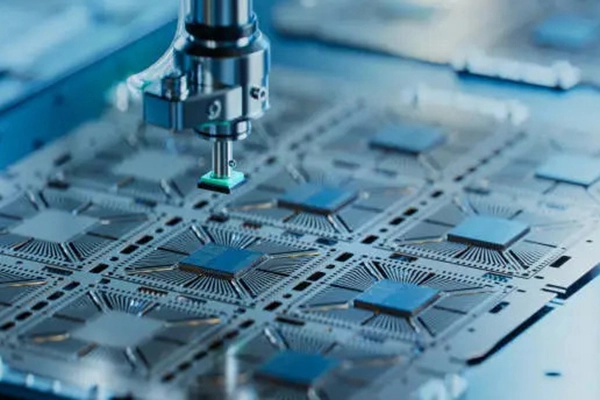
Electronic devices
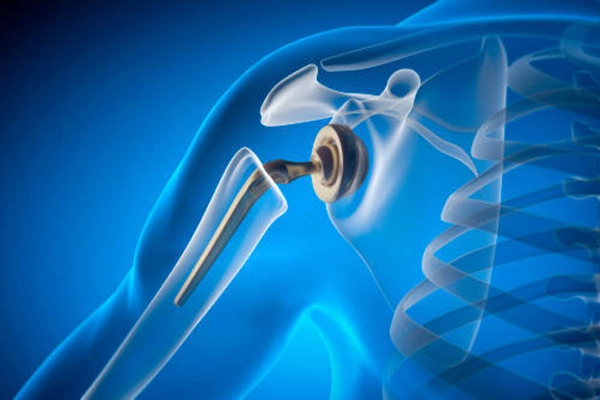
Medical implants
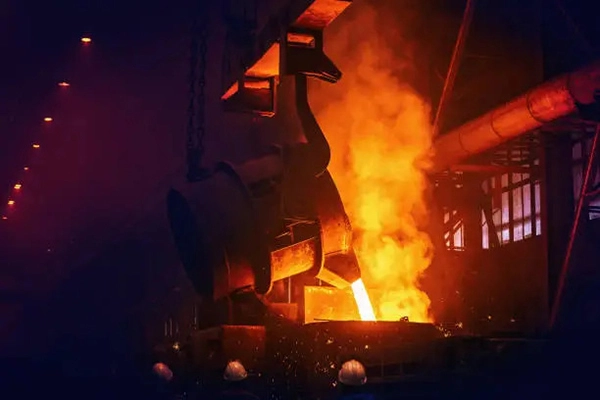
Steel industry

Chemical cold rolling niobium sheet Processing

Aerospace and Defense

Energy and Environmental Engineering
Applications
Superconducting RF cavities. Cold rolled niobium sheet is where most SRF cavity work begins. From there the sheet is deep drawn into half-cell shapes. A steady microstructure helps a lot. Surface flaws, orange peel included, become less likely. Cavity performance can suffer when those flaws show up.
Chemical processing equipment. Hydrochloric and sulfuric acids do little to niobium as long as temperatures stay moderate. Steel pressure vessels can be clad with it. Heat exchanger plates are another place it gets used.
Synthetic diamond manufacturing. Niobium holder cups and growth substrates go into HPHT presses. The process runs on high pressure and high heat. Under those conditions niobium holds up well. Its melting point is high, and it stays chemically stable.
Thin niobium is another item CHDY provides. Fabricators use it, and so do makers of industrial parts. Research teams order it too.
Quality Control and Inspection for cold rolling niobium sheet
Niobium sheet gets checked with these methods all the time. Ask CHDY what items and papers they can supply with your order.
- Interstitial gas analysis: Oxygen and nitrogen levels come out through GDMS or LECO combustion. Both readings get checked against the ASTM B393 requirements that apply.
- Ultrasonic testing: Voids and laminations left behind by casting sit inside the metal. This check finds them.
- Micrographic examination: After recrystallization, grain size turns out even across the entire sample. ASTM E112 confirms this.
- Surface roughness profilometry: Here you confirm the finish reads bright or pickled. Embedded iron particles then show up under a ferroxyl test.
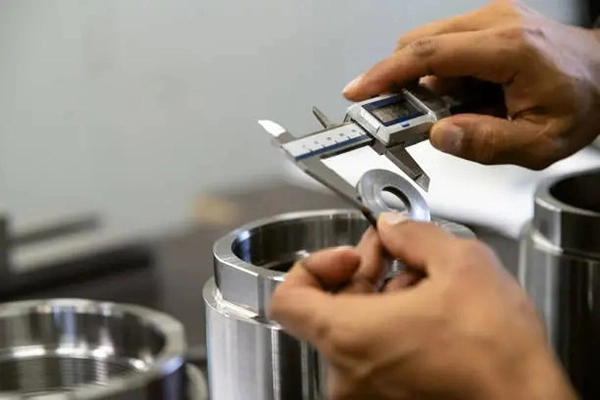
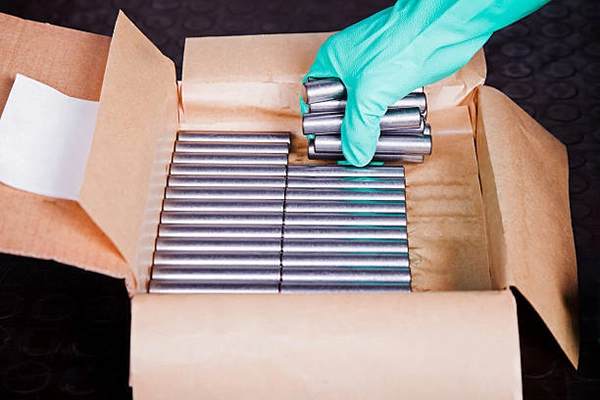
Material Condition, Finish and Ordering
Annealed or unannealed. Hard sheet carries a higher yield strength. Flat machining is a good match for it. What if you plan to form cups or vessels? Then pick the vacuum annealed sheet. Softness and ductility stay with it.
Surface finish. Three choices are open to you. As-Rolled looks shiny. Some lubricant residue may still sit on the surface. Acid Pickled brings a matte look and a surface that stays chemically clean. For optical or vacuum work that calls for Ra < 0.4 µm, go with Polished.
Ordering details. For a cold rolling niobium sheet order, include the grade and thickness with your drawing or application. Send the width and the material condition too. Surface finish and inspection requirements belong in the same message. Available specifications depend on these details.
About CHDY
CHDY is based in the Baoji High-tech Development Zone, Shaanxi Province. That corner of China is known as the "Titanium Capital". Rare metals have kept the founder busy for more than 30 years, the company says.
Alloy products from CHDY are made of titanium, tantalum, niobium, tungsten, molybdenum, zirconium, and nickel. Other rare metals sit in the range too. Metallurgy firms buy these products. Electronics makers use them as well. So do medical operations and special steel producers. Shipments also reach the United States, Germany, South Korea, Singapore and other countries.
|
Chemical Composition |
||||
|
Element |
Type1 (Reactor Grade Unalloyed Nb) R04200 |
Type2 (Commercial Grade Unalloyed Nb) R04210 |
Type3 (Reactor Grade Nb-1%Zr) R04251 |
Type4 (Commercial Grade Nb-1%Zr) R04261 |
|
Max Weight % (Except Where Otherwise Specified) |
||||
|
C |
0.01 |
0.01 |
0.01 |
0.01 |
|
N |
0.01 |
0.01 |
0.01 |
0.01 |
|
O |
0.015 |
0.025 |
0.015 |
0.025 |
|
H |
0.0015 |
0.0015 |
0.0015 |
0.0015 |
|
Zr |
0.02 |
0.02 |
0.8-1.2 |
0.8-1.2 |
|
Ta |
0.1 |
0.3 |
0.1 |
0.5 |
|
Fe |
0.005 |
0.01 |
0.005 |
0.01 |
|
Si |
0.005 |
0.005 |
0.005 |
0.005 |
|
W |
0.03 |
0.05 |
0.03 |
0.05 |
|
Ni |
0.005 |
0.005 |
0.005 |
0.005 |
|
Mo |
0.01 |
0.02 |
0.01 |
0.05 |
|
Hf |
0.02 |
0.02 |
0.02 |
0.02 |
|
Ti |
0.02 |
0.03 |
0.02 |
0.03 |
|
Grade |
Tensile strength δbpsi (MPa), ≥ |
Yield strength δ0.2, psi (MPa),≥ |
Elongation in 1"/2" gage length, %, ≥ |
|
RO4200-1 |
18000 (125) |
12000 (85) |
25 |
|
RO4210-2 |
|
Thickness |
The allowable deviation thickness |
Width |
The allowable deviation Width |
Length |
|
|
Width>120~300 |
Width>300 |
||||
|
0.1~0.2 |
±0.015 |
±0.02 |
>300~420 |
±2.0 |
>100 |
|
>0.2~0.3 |
±0.02 |
±0.03 |
>200~420 |
±2.0 |
>100 |
|
>0.3~0.5 |
±0.03 |
±0.04 |
>200~420 |
±2.0 |
50~3000 |
|
>0.5~0.8 |
±0.04 |
±0.06 |
>200~420 |
±2.0(±5.0) |
50~3000 |
|
>0.8~1.0 |
±0.06 |
±0.08 |
>200~420 |
±2.0(±5.0) |
50~3000 |
|
>1.0~1.5 |
±0.08 |
±0.10 |
>200~420 |
±3.0(±5.0) |
50~3000 |
|
>1.5~2.0 |
±0.12 |
±0.14 |
>200~420 |
±3.0(±5.0) |
50~3000 |
|
>2.0~3.0 |
±0.16 |
±0.18 |
>200~420 |
±5.0 |
50~3000 |
|
>3.0~4.0 |
±0.18 |
±0.20 |
>200~420 |
±5.0 |
50~3000 |
|
>4.0~6.0 |
±0.20 |
±0.24 |
>200~420 |
±5.0 |
50~3000 |
 |
 |
 |
 |
 |
 |
 |
 |
|
|
|


|
|
|
|
|
 |
 |
 |
 |


 |
 |
 |
 |
 |
 |
FAQ
Q: What sets annealed sheet apart from unannealed sheet? Unannealed sheet gives you higher yield strength, though ductility stays limited. Vacuum annealed sheet is soft, and that suits deep drawing well.
A: What part does RRR play when you pick a sheet? Superconducting work calls for RRR above 300. For chemical resistance against corrosion you can go with Reactor Grade (RRR around 30–40). That grade costs less.
Q: Can you weld it to steel? Not straight on. Niobium and iron react, and the result is brittle intermetallic compounds. Two ways get around this. One is a copper layer bonded by explosion. The other is a mechanical lining.
A: What surface finishes can you get? Three: As-Rolled, Acid Pickled and Polished (Ra < 0.4 µm).
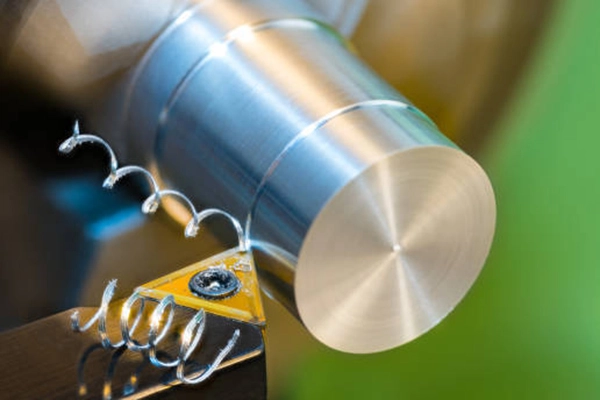
Q: What keeps niobium from galling during machining? The metal is gummy. Use high-speed steel tools and apply plenty of lubrication. Do not take light cuts. They cause work hardening. Cold rolled temper machines a little better than fully annealed material.
A: What details should you check before ordering? The grade comes first. Then check thickness and width. Check material condition too. Surface finish and inspection items also need to be clear. Send your requirements to info@chdymetal.com.
Contact Us
Send your thickness to info@chdymetal.com. Add the width too. Include surface finish If you have a drawing, CHDY can then review your needs for cold rolling niobium sheet.
Learn about our latest products and discounts through SMS or email