- English
- French
- German
- Portuguese
- Spanish
- Russian
- Japanese
- Korean
- Arabic
- Greek
- German
- Turkish
- Italian
- Danish
- Romanian
- Indonesian
- Czech
- Afrikaans
- Swedish
- Polish
- Basque
- Catalan
- Esperanto
- Hindi
- Lao
- Albanian
- Amharic
- Armenian
- Azerbaijani
- Belarusian
- Bengali
- Bosnian
- Bulgarian
- Cebuano
- Chichewa
- Corsican
- Croatian
- Dutch
- Estonian
- Filipino
- Finnish
- Frisian
- Galician
- Georgian
- Gujarati
- Haitian
- Hausa
- Hawaiian
- Hebrew
- Hmong
- Hungarian
- Icelandic
- Igbo
- Javanese
- Kannada
- Kazakh
- Khmer
- Kurdish
- Kyrgyz
- Latin
- Latvian
- Lithuanian
- Luxembou..
- Macedonian
- Malagasy
- Malay
- Malayalam
- Maltese
- Maori
- Marathi
- Mongolian
- Burmese
- Nepali
- Norwegian
- Pashto
- Persian
- Punjabi
- Serbian
- Sesotho
- Sinhala
- Slovak
- Slovenian
- Somali
- Samoan
- Scots Gaelic
- Shona
- Sindhi
- Sundanese
- Swahili
- Tajik
- Tamil
- Telugu
- Thai
- Ukrainian
- Urdu
- Uzbek
- Vietnamese
- Welsh
- Xhosa
- Yiddish
- Yoruba
- Zulu
R04200 Niobium Sheet
R04200 Niobium Sheet (UNS R04200, ASTM B393) for Chemical Processing, Vacuum Systems and HPHT Tooling
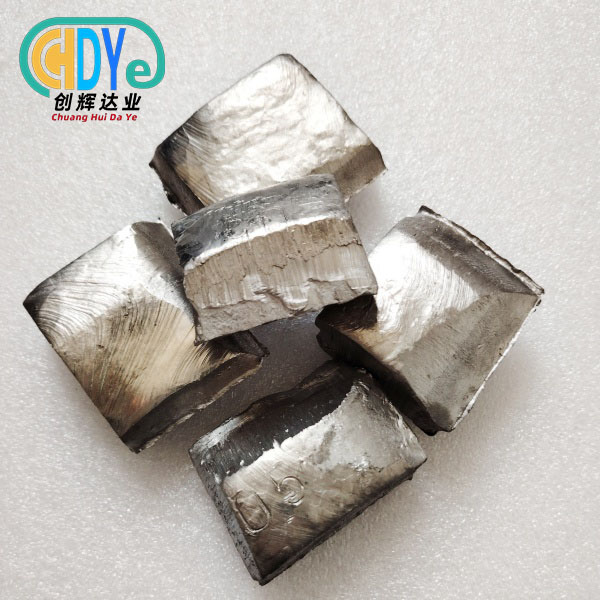
CHDY stands for Shaanxi Chuanghui Daye Metal Material Co., Ltd. What we sell is niobium, commercially pure and unalloyed. Our R04200 Niobium Sheet is supplied as UNS R04200 Reactor Grade to ASTM B393. Tantalum stays under 0.1% in this grade. The metal melts at about 2,477°C. Annealed sheet usually tests at 125–145 MPa yield strength. Elongation runs past 25%. Thickness and width are yours to set. So are length, material condition and paperwork. The sheet can end up in fabrication work, equipment manufacturing or research. Common jobs include hot mineral acid equipment and high-temperature vacuum parts. Superconducting components are another use. HPHT synthetic diamond containment cups are a third.
What Is sheet?
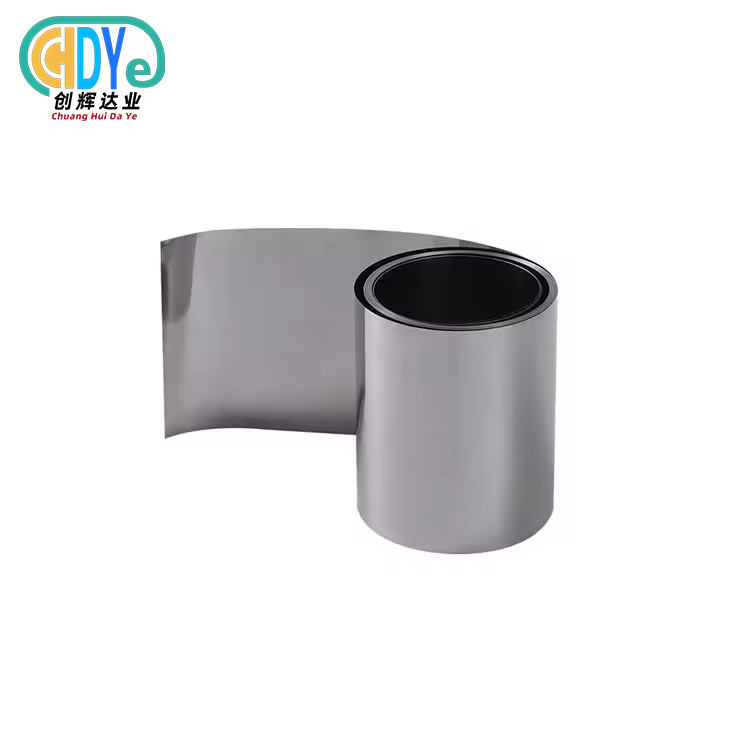
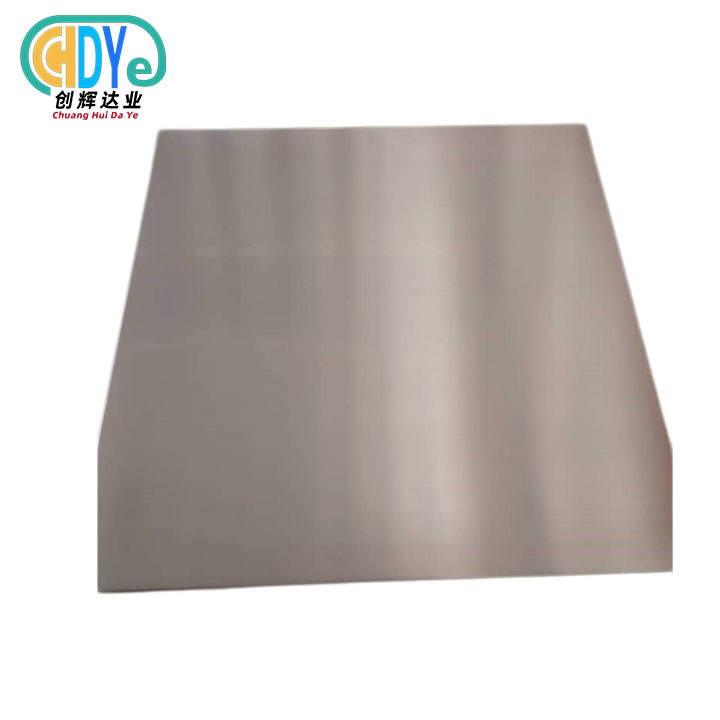
This product is a flat product. It is made from commercially pure niobium (Nb). Mills roll it to ASTM B393 grade R04200, which is the Reactor Grade. Electron beam melting usually comes first in production. Cold rolling comes next. What you get is a refractory sheet of high purity that still bends at room temperature. Vacuum equipment uses it. Corrosion service uses it as well. Superconducting parts need it too. So do industrial fabrication shops and research labs.
Specifications
The table lists typical values and supply options. Parameters not listed here are not specified on this page.
|
Grade |
Tensile strength psi(MPa), ≥ |
Yield strength δ0.2, psi (MPa),≥ |
Elongation in 1"/2" gage length, %, ≥ |
|
|
>=0.010 |
<0.010 |
|||
|
RO4200 RO4210 |
18000 (125) |
12000 (85) |
25 |
2 |
Be used in a wide range of industries.
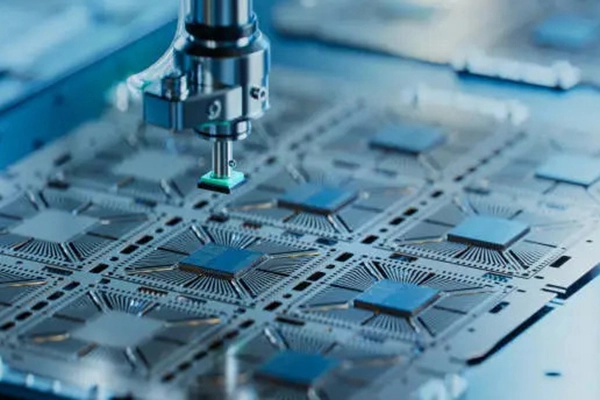
Electronic devices
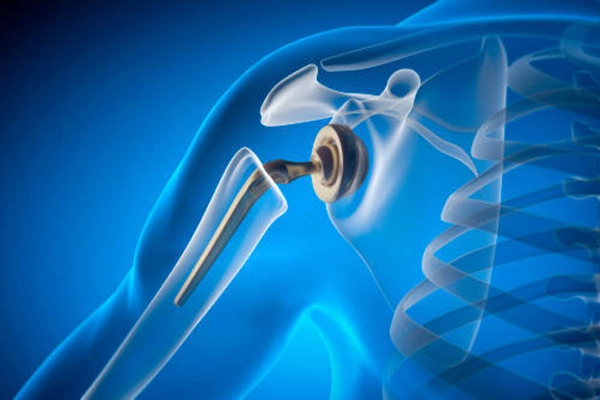
Medical implants
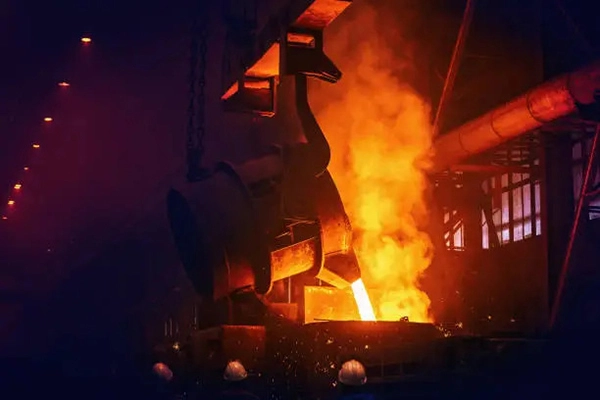
Steel industry
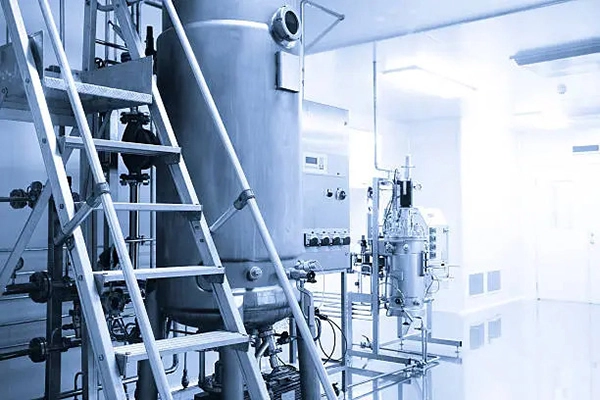
Chemical Processing

Aerospace and Defense

Energy and Environmental Engineering

Key Material Characteristics
- Formability: The sheet forms well under suitable conditions. Thickness and material condition change its forming behavior.
- Corrosion resistance: On its surface, niobium builds up a protective oxide layer. That layer blocks a lot of corrosive media. Hot HCl is one case. H2SO4 and HF behave the same way. Even so, always check compatibility against the chemicals you actually use and the conditions you actually run.
- High melting point: Melting starts at about 2,477 °C for this metal. Air still limits what that buys you, though. Near 200 °C, oxidation gets serious. Above 400 °C, parts fail fast. For hot work, use inert gas. A high vacuum under 1×10⁻⁴ Torr works too.
- Cutting and forming: Sheet is cut and formed into parts made to your order. Pick the method that fits the thickness you have and the condition you are working with.
Applications
- Chemical processing: Hot, concentrated HCl and H2SO4 service is where niobium earns its place. Put it up against titanium Grade 7 and Hastelloy. Still, your own conditions should drive that test. Shift the temperature or the concentration and the answer changes. Impurities change it too.
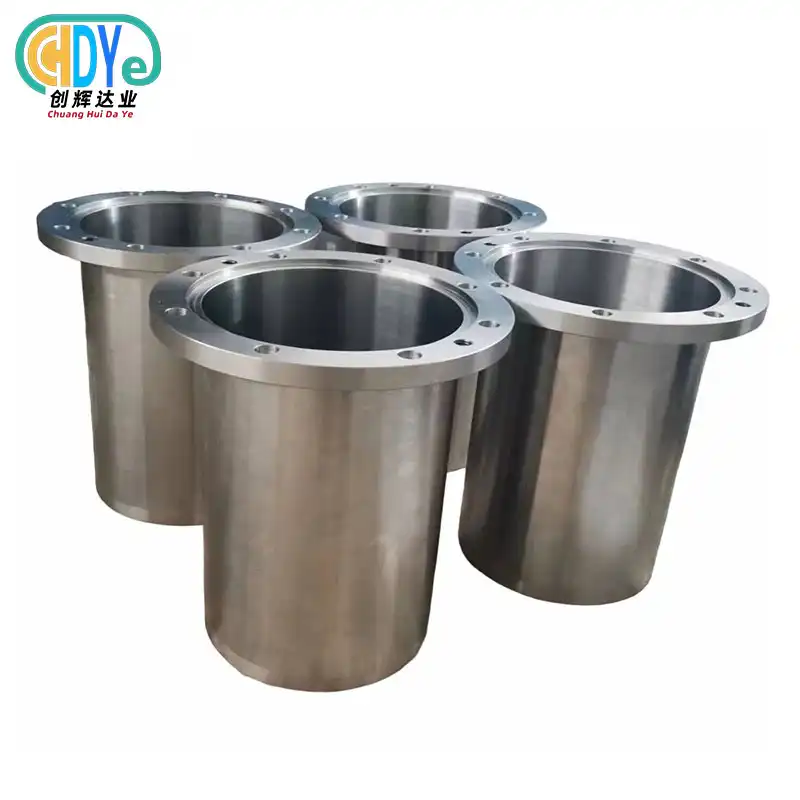
- HPHT synthetic diamond: Containment cups for HPHT synthesis can be made from this sheet. Check the forming condition and cleanliness requirements with CHDY before you order.
- Superconducting parts: The transition temperature of niobium sits close to 9.2 K. Parts for MRI machines are one superconducting use. So are components found in particle accelerators.
- Vacuum and research: A sheet for high-temperature vacuum parts has to hold steady and take forming. Labs ask for that same type of sheet in their work.
People pick R04200 Niobium Sheet for two reasons: the tantalum limit and how the metal forms. Thickness still has to match the process. The condition you order it in matters as well.
Quality Control and Inspection
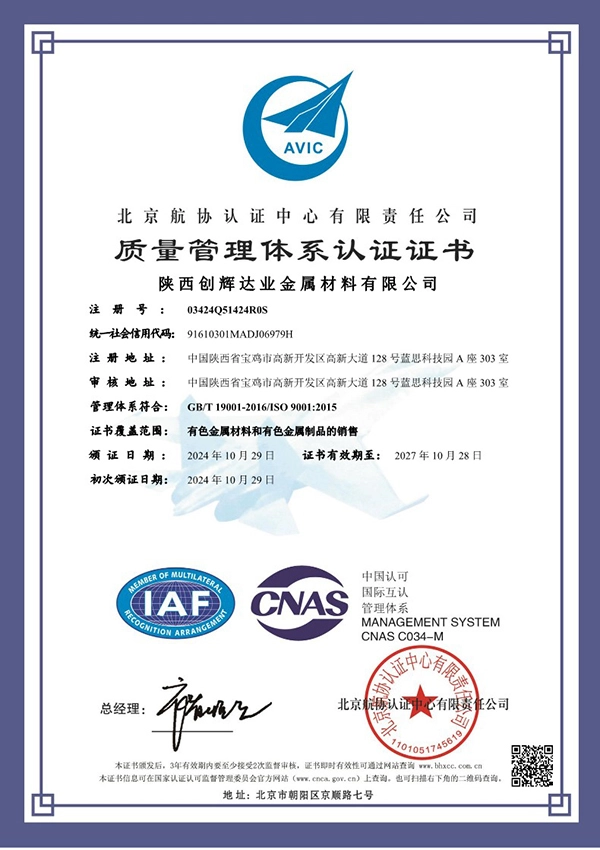
These checks can be requested in your purchase order. Please confirm availability with CHDY.
- Chemical composition: C, O, N and H get checked by inert gas fusion. Brittleness comes on when there are too many interstitials in the metal.
- Grain size: Grain size is measured to ASTM E112. Recrystallized grains must be even for deep drawing. The usual target is No. 6 or finer. That way, tearing and earing are less likely.
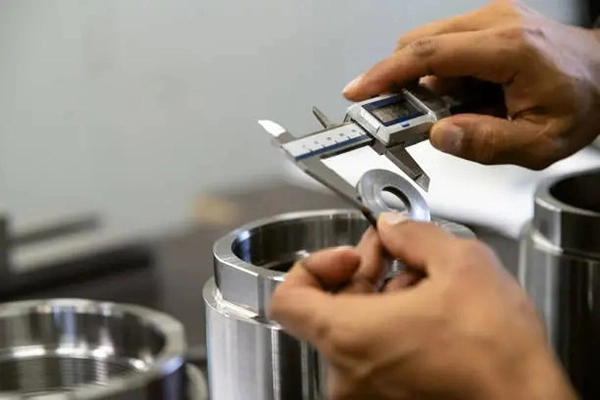
- Surface integrity: The surface gets checked by eye. Ra roughness is measured as well. Rolling laps, pits and heavy oxidation all turn up that way.
- Ultrasonic testing: Thicker sheet gets scanned. Voids and internal lamination both show up on that scan. When either defect is present, vacuum integrity fails.
- Tensile testing: Room temperature yield strength and elongation give you the forming picture. What you would normally get in the annealed state is listed in the specification table.
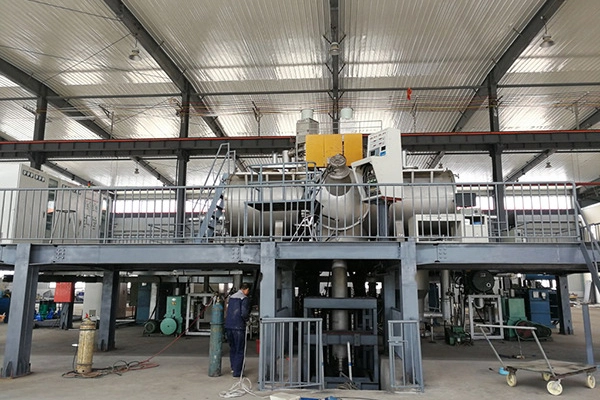
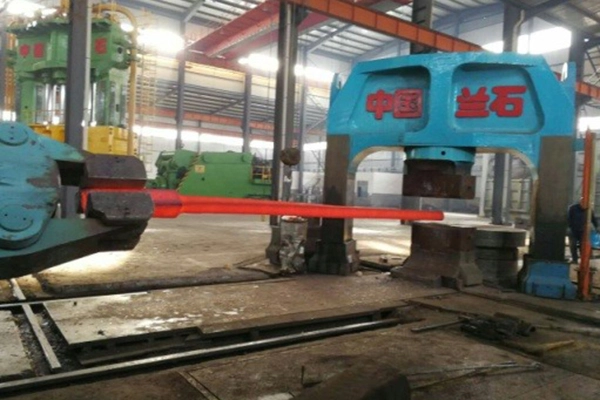
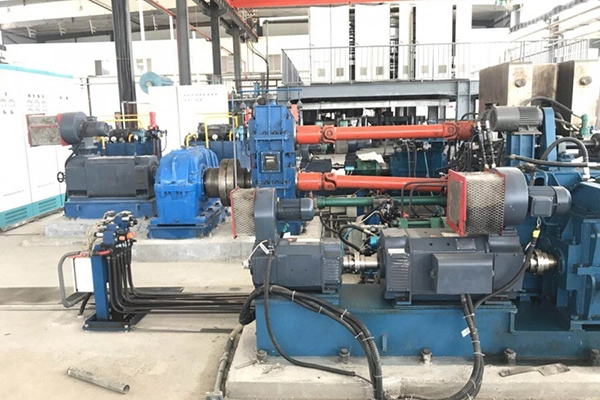
Welding, Heat Treatment and Forming Guidance
Niobium gets attacked by oxygen and nitrogen once you pass 200 °C. Tight control of the process is needed, then.
- Welding: Run it in a vacuum or in an inert chamber you control. TIG (GTAW) does the job, and so does electron beam welding. With TIG, 99.999 % argon and trailing shields are required. Leave the joint in open air and it goes brittle. Joining niobium straight to steel by fusion is not advised.
- Heat treatment: Heating above 200 °C is not allowed. Annealing and stress-relieving need a high vacuum furnace, at under 10⁻⁴ Torr.
- Deep drawing: Too little annealing is a common cause of cracks in deep drawing. Oxygen and nitrogen entering the metal can cause them too. Orderingsheett for drawing? Ask for a fully recrystallized condition. Before you place the order, fix the elongation requirements with CHDY.
Surface Finishes and Custom Supply
You can order this material in four finishes. Acid pickling leaves a matte gray surface. Cold rolling brings out a bright one. Polished sheet is a further option. Electro-polished sheet is the last of the four. Vacuum and medical work call for electro-polished sheet, since surface cleanliness and outgassing matter there. Check that the finish suits your application.
CHDY supplies custom thickness, width, length, material condition and documentation.

Purchasing Considerations for R04200 Niobium Sheet
How does this product stand next to tantalum sheet? Niobium takes the place of tantalum in many acidic settings below 150–200 °C. Run your own compatibility check first. Niobium is lighter as well. Maybe your spec caps tantalum, at 1000 ppm for nuclear work, for instance. Put that limit in your inquiry. For general chemical service, a grade that allows more tantalum works fine. It also costs less.

About CHDY
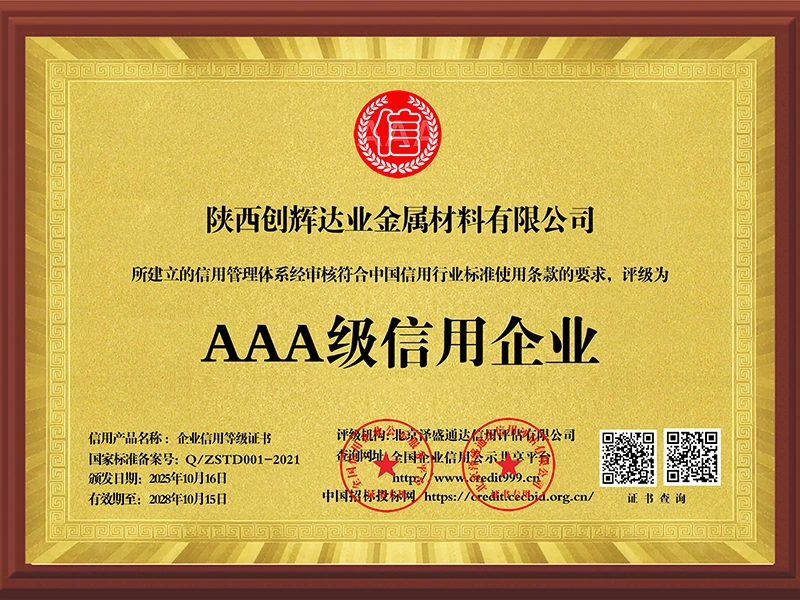
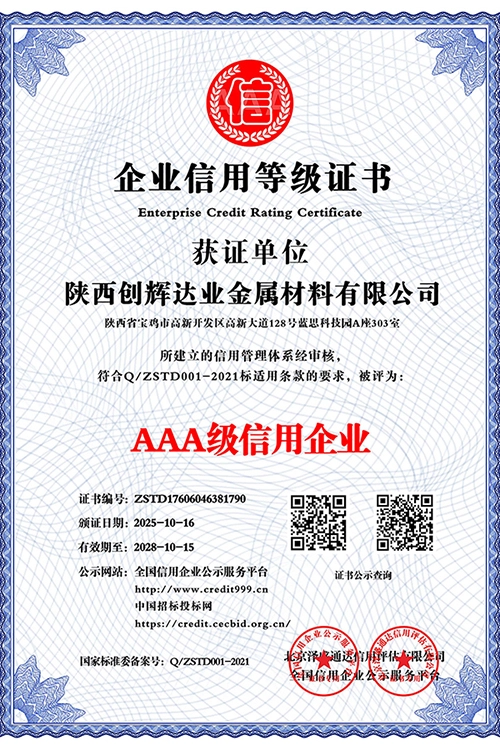
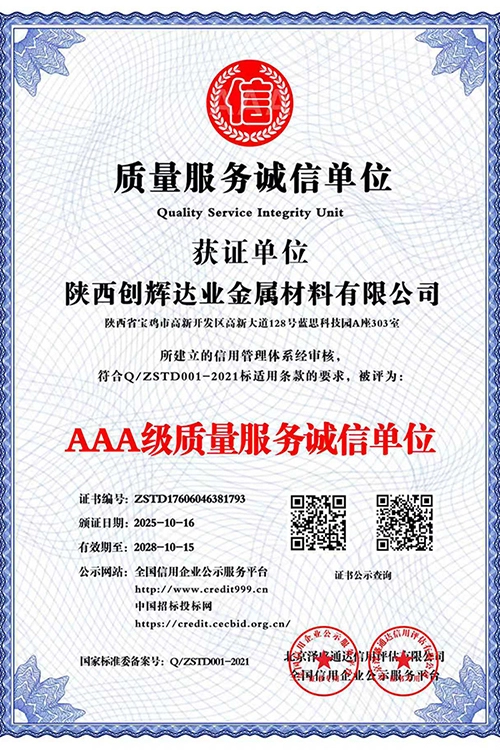
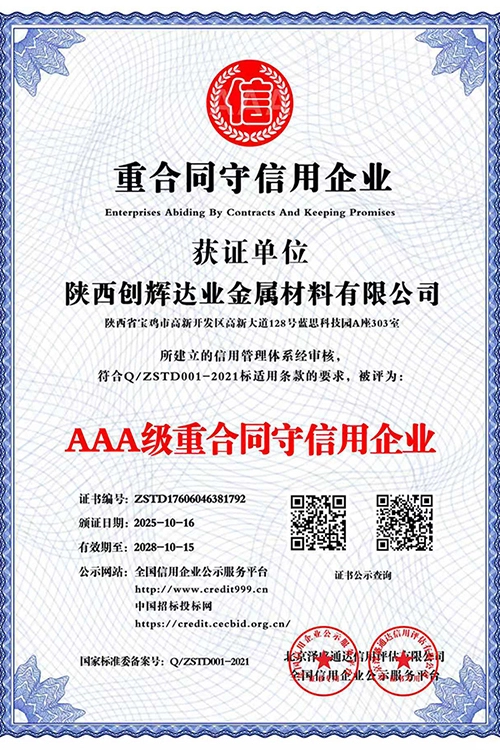
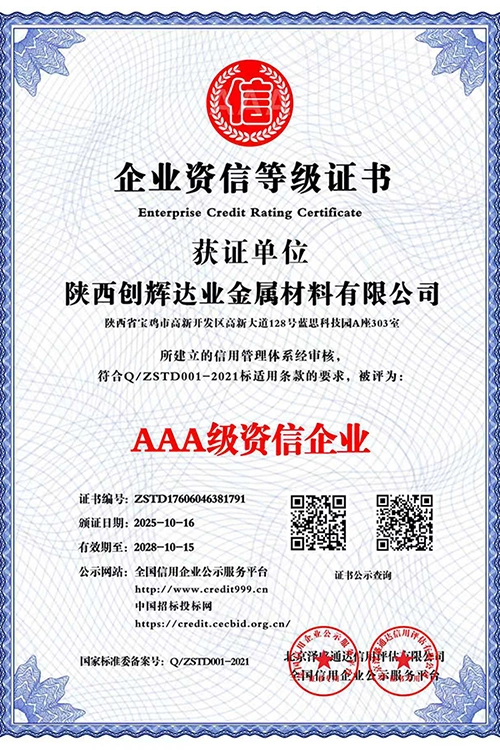
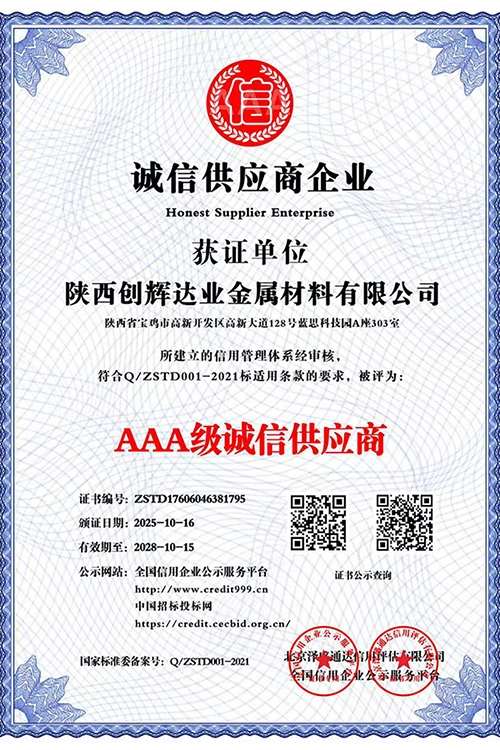
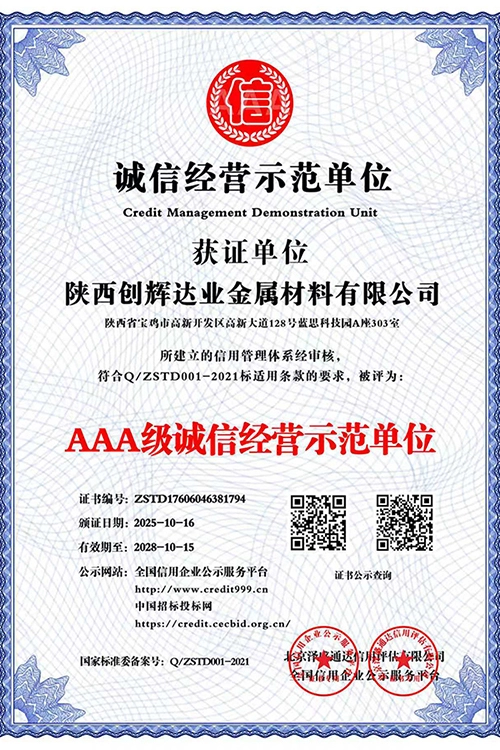
CHDY is located in Baoji High-tech Development Zone, Shaanxi, known as China's "Titanium Capital." Our founder has more than 30 years of rare metal experience.
One of the products we supply is titanium. Tantalum and niobium fall in that same range. Our list also covers tungsten. Then there is molybdenum, R04200 Niobium Sheet, zirconium and nickel. Other rare metal alloys can be sourced by us too. Metallurgy is one field we serve. Electronics comes second. Medical work counts as well, and special steel does too. The United States is one of our markets. Another is Germany. From South Korea and Singapore, orders reach us too. Over 50 countries and regions send buyers our way. Quality checks get real attention here. Costs stay competitive with us. Deliveries land on time. What customers need comes first.

 |
 |
 |
 |
 |
 |
 |
 |
 |
 |
 |
|
|
|
|
|
 |
 |
 |
 |


 |
 |
 |
 |
 |
 |
FAQ
1. What is the difference between R04200 and R04210?
R04200 (Reactor Grade) has tighter limits on interstitial elements (O, N, C, H) and tantalum (below 0.1 %). R04210 (Commercial Grade) allows more tantalum and may cost less for general corrosion service.
2. How should I weld niobium sheet?
Use high-vacuum electron beam welding or TIG with 99.999 % argon and trailing shields. Above 200 °C, oxygen and nitrogen form brittle compounds.
3. Can niobium sheet be heat-treated in air?
No. Oxygen diffuses in above 200 °C and causes severe embrittlement. Anneal in a high vacuum furnace below 10⁻⁴ Torr.
4. Which surface finishes are available?
Acid-pickled (matte gray), cold-rolled bright, polished and electro-polished. Electro-polished is an option for vacuum and medical applications.
5. What is the maximum working temperature in open air?
Do not exceed 200 °C. Heavy oxidation starts near this point, and rapid failure occurs above 400 °C.
6. Why does the sheet crack during deep drawing?
Usually the annealing was insufficient, or oxygen and nitrogen contaminated the metal. Request a fully recrystallized condition and discuss elongation requirements with CHDY.
Contact Us
Send your thickness, width, length, condition and documentation needs for R04200 Niobium Sheet to info@chdymetal.com. Our team will reply to your inquiry.
Learn about our latest products and discounts through SMS or email