- English
- French
- German
- Portuguese
- Spanish
- Russian
- Japanese
- Korean
- Arabic
- Greek
- German
- Turkish
- Italian
- Danish
- Romanian
- Indonesian
- Czech
- Afrikaans
- Swedish
- Polish
- Basque
- Catalan
- Esperanto
- Hindi
- Lao
- Albanian
- Amharic
- Armenian
- Azerbaijani
- Belarusian
- Bengali
- Bosnian
- Bulgarian
- Cebuano
- Chichewa
- Corsican
- Croatian
- Dutch
- Estonian
- Filipino
- Finnish
- Frisian
- Galician
- Georgian
- Gujarati
- Haitian
- Hausa
- Hawaiian
- Hebrew
- Hmong
- Hungarian
- Icelandic
- Igbo
- Javanese
- Kannada
- Kazakh
- Khmer
- Kurdish
- Kyrgyz
- Latin
- Latvian
- Lithuanian
- Luxembou..
- Macedonian
- Malagasy
- Malay
- Malayalam
- Maltese
- Maori
- Marathi
- Mongolian
- Burmese
- Nepali
- Norwegian
- Pashto
- Persian
- Punjabi
- Serbian
- Sesotho
- Sinhala
- Slovak
- Slovenian
- Somali
- Samoan
- Scots Gaelic
- Shona
- Sindhi
- Sundanese
- Swahili
- Tajik
- Tamil
- Telugu
- Thai
- Ukrainian
- Urdu
- Uzbek
- Vietnamese
- Welsh
- Xhosa
- Yiddish
- Yoruba
- Zulu
Niobium and Niobium Alloys Tube
2.Grade:R04200, R04210, R04251, R04261
3.Support sample order
Niobium and Niobium Alloys Tube for Chemical, Aerospace and Nuclear Use: OD 3–100 mm with Sample Orders Supported
Chemical plants order Niobium and Niobium Alloys Tube from Shaanxi Chuanghui Daye Metal Material Co., Ltd. Aerospace builders do the same. So do nuclear projects. Outside diameter runs from 3–100 mm. Walls come 0.5–5 mm thick, and lengths go anywhere from 200 mm to 6000 mm. Grades you can order: R04200, R04210, R04251 and R04261. Most runs follow ASTM B394. Pick rolled or drawn tube with no weld seam, or take welded tube instead. Sample orders are welcome. Testing fit and quality on your own line before a bigger purchase is the whole point. Send your drawing and the grade you want. Add the quantity, and a quote comes back.
What Is a Niobium Tube?
On the periodic table, niobium is Nb. Its atomic number is 41. This refractory transition metal bends without cracking. The melting point is very high, and plenty of corrosive media leave it alone. A niobium tube is a round mill product made from the metal. It ships as rolled or drawn tube with no weld seam, or as welded tube.
Plain stainless steel runs out of room. Hot acid service and high-temperature vacuum work push past what it can take. That is when niobium enters the picture. Nitric acid barely touches it. Hydrochloric acid and organic acids act much the same way. Tantalum is denser, and it costs more too. Chill the metal and superconductivity shows up. Living tissue tolerates it well. Your media still decides whether it fits. So does the concentration, and so does the working temperature. Confirm them before you pick a grade.
Specifications
Check the size range and grades below against your drawing.
 |
 |
 |
 |
 |
 |
 |
 |
Dimensional tolerance is not given on this page. Neither is delivery condition, nor the limits on chemical composition. Mechanical properties and surface finish are missing too. Before you order, go over each of these points with our team and compare them to your drawing.

Grades and Production Routes
R04200 is commercially pure niobium. For reactor grade, the number is R04210. Need alloy tube? R04251 and R04261 cover those requirements. Just tell us which composition you want. We will confirm it for you.
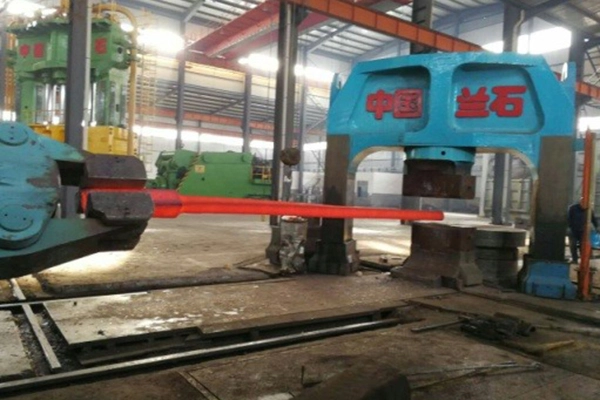
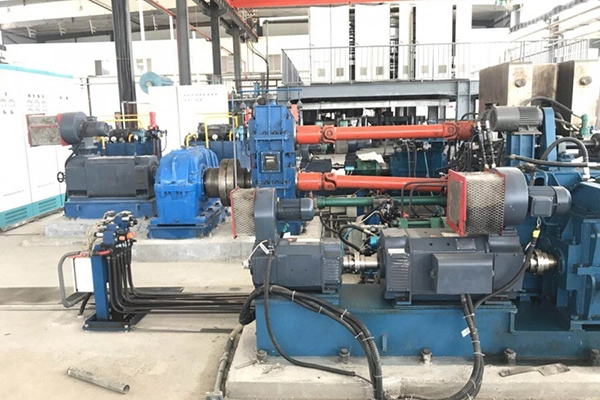
This product is processed by extrusion, rolling, drawing or welding. Rolled or drawn tubes have no weld seam, while welded tube is the other option when your design allows a weld.
Be used in a wide range of industries.
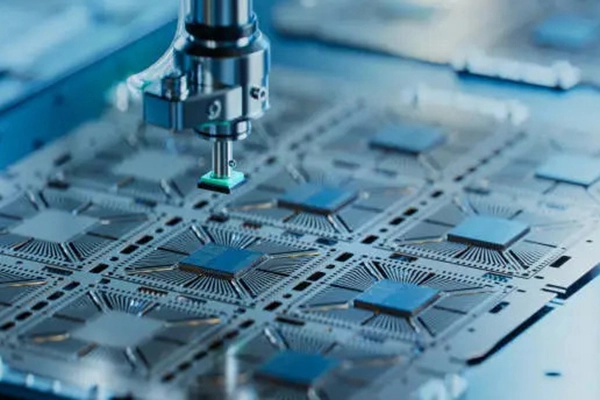
Electronic devices
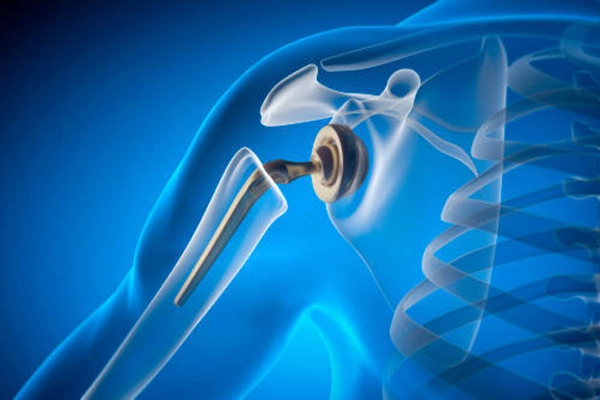
Medical implants
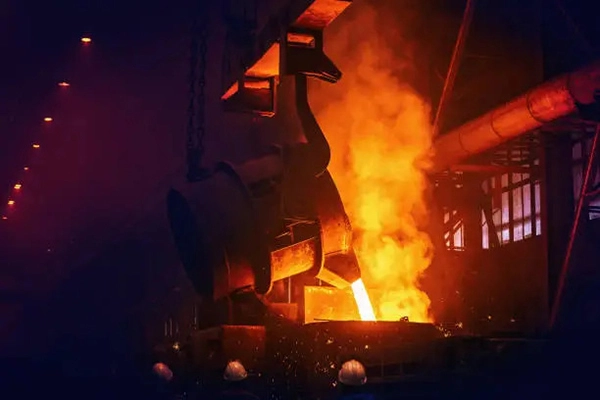
Steel industry
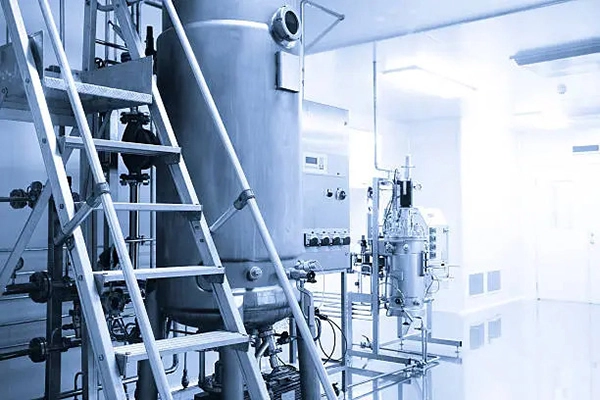
Chemical Processing

Aerospace and Defense

Energy and Environmental Engineering
General Properties of Niobium
The points below describe niobium metal in general. They are not test results for a specific tube lot.
- Density: 8.57 g/cm³
- Melting point: very high, because this is a refractory metal
- Thermal neutron cross-section: low, which is relevant to nuclear service
- Surface film: a passive oxide film forms in air. It is dense and sticks tight to the metal.
- Acid resistance: nitric acid leaves it alone. Hydrochloric acid does not harm it either, and neither do organic acids.
- Room-temperature workability: at room temperature the metal stays ductile. Bending it works, and so does flaring it.
- Superconductivity: it happens at cryogenic temperatures.
Applications of Niobium Tube
Chemical processing and heat exchangers. Shell-and-tube heat exchangers are one place where Niobium and Niobium Alloys Tube get used. The same goes for bayonet heaters and condensers that handle hot sulfuric or hydrochloric acid. Up to 150–200 °C, this tube can weigh less than tantalum and cost less. Against titanium or zirconium, it may also last longer in these acids. Service conditions decide that. For your case, please confirm the acid concentration and temperature.
High-pressure sodium (HPS) lamps. In HPS lamps, small-diameter niobium tubes work as arc tube feedthroughs. Parts of the discharge vessel are made from them as well. Heat makes these tubes expand at a rate close to that of sintered alumina ceramic. Because the two match, the hermetic seal stays tight through cycle after cycle of heating and cooling.
Superconducting RF cavities and magnets. Niobium tube shows up in beamline parts and in SRF cavities of particle accelerators. Close to absolute zero, at liquid helium temperatures, its superconducting surface resistance stays low. Energy loss during acceleration drops because of that. If your project needs a set RRR level, state it in your inquiry.
Aerospace, nuclear and medical use. High-vacuum and high-temperature parts for aircraft and nuclear systems are another place niobium shows up. Medical parts are a possible fit too, since the metal plays well with living tissue.
Niobium and Niobium Alloys Tube Compared With Other Metals
- Versus tantalum: it is lighter and cheaper. That holds true in zones up to 150–200 °C.
- Versus titanium and zirconium: hot sulfuric or hydrochloric acid can be handled longer by it. Conditions decide that.
- Versus tungsten and molybdenum: at room temperature it stays workable and keeps its ductility.
- Versus standard stainless steel: aggressive acid service or high-temperature vacuum duty can be too much for stainless steel. Niobium is often picked for those jobs.
What to Confirm Before You Order
- Media and temperature: your acid type, concentration and operating temperature.
- Form: tube that is rolled or drawn with no weld seam, or welded tube.
- Forming needs: you can bend and flare the tube at room temperature. Let us know which forming method you plan to use.
- Quantity and delivery: your volume and schedule, so we can prepare a quotation.
Quality Standards for Niobium Tube
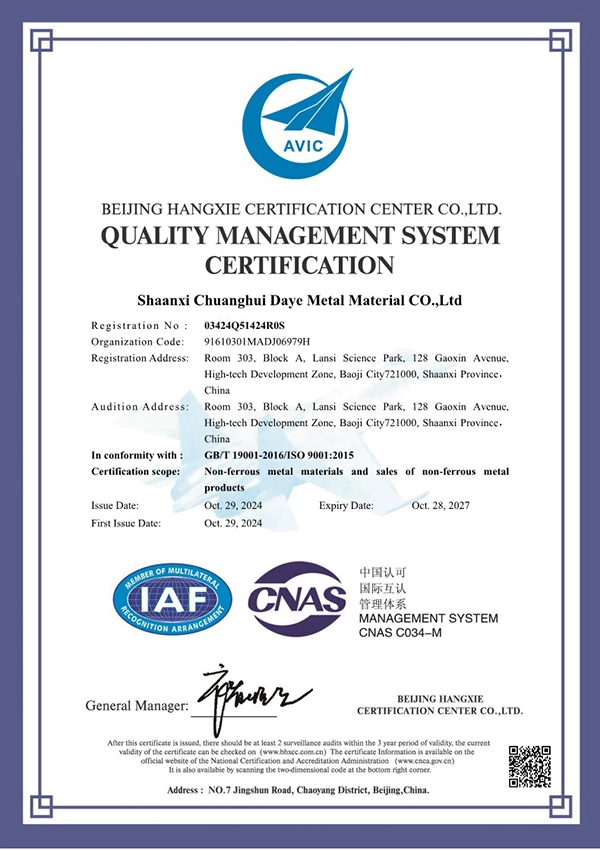
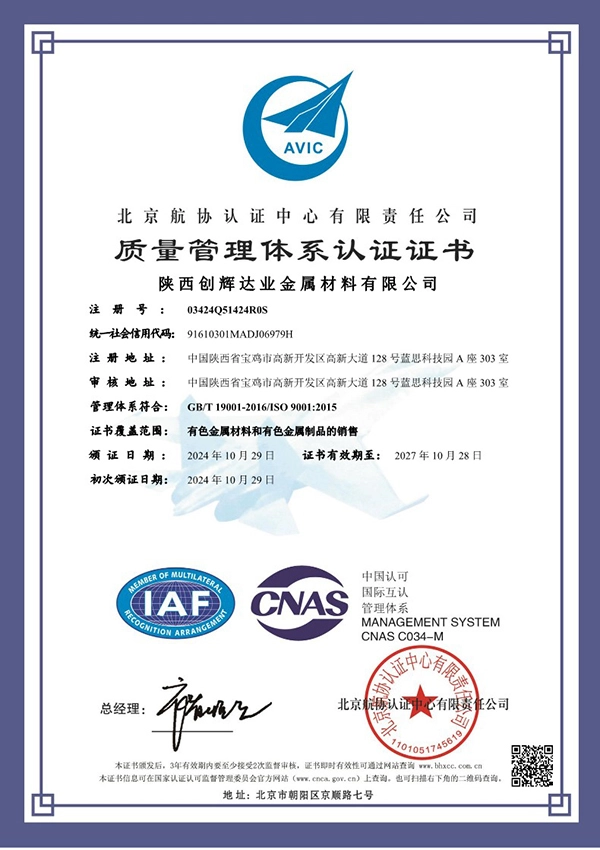
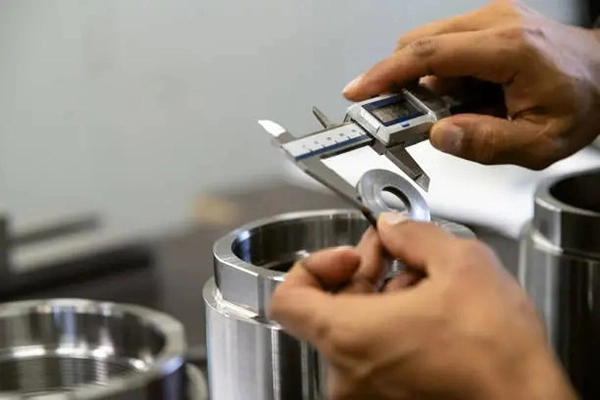
Niobium and Niobium Alloys Tube is usually made to ASTM B394. Oxygen, nitrogen, carbon and hydrogen are the interstitial impurities that standard caps. These elements cause hardening and a loss of ductility. So the limits do matter for forming and for service. Need inspection documents or test reports? Tell us which ones, and we will confirm what we can supply.
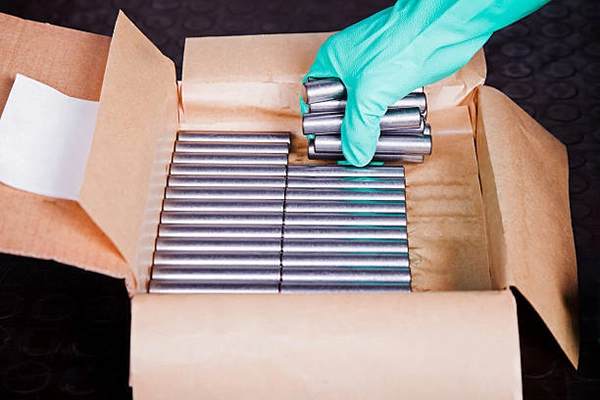
Supply and Company Background
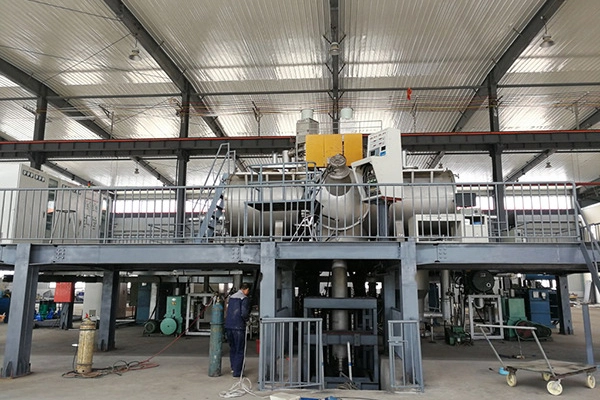
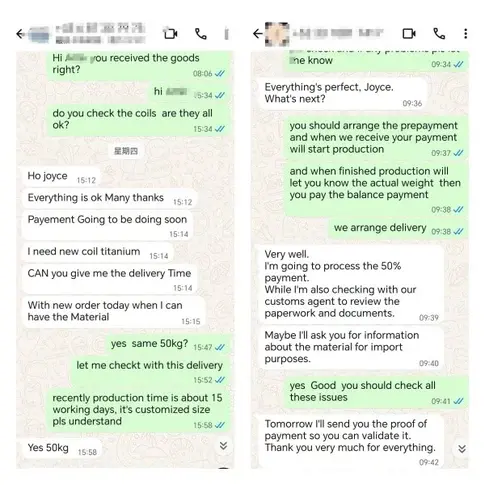
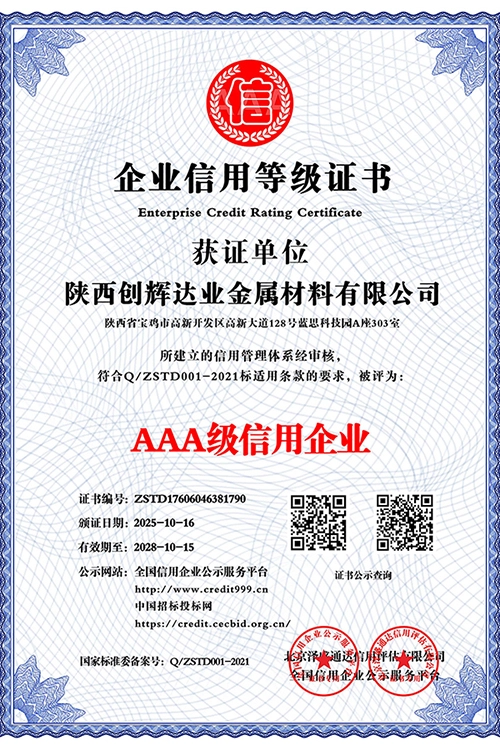
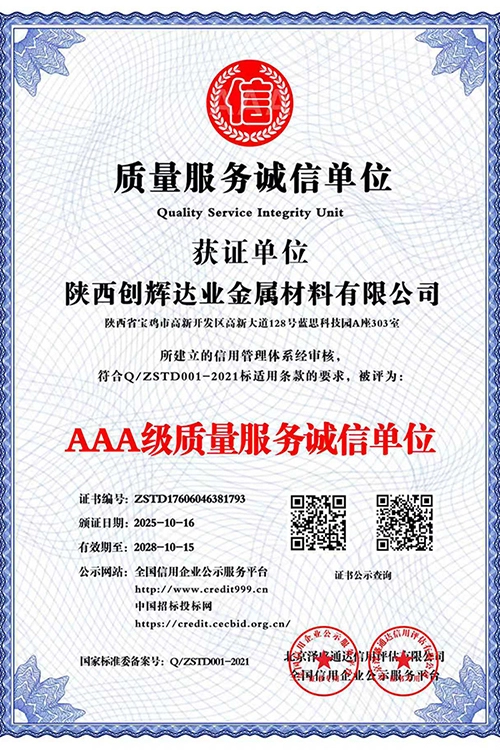
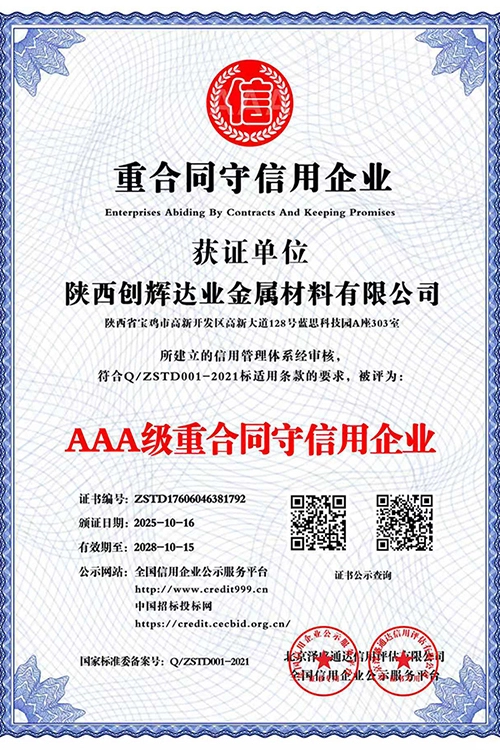
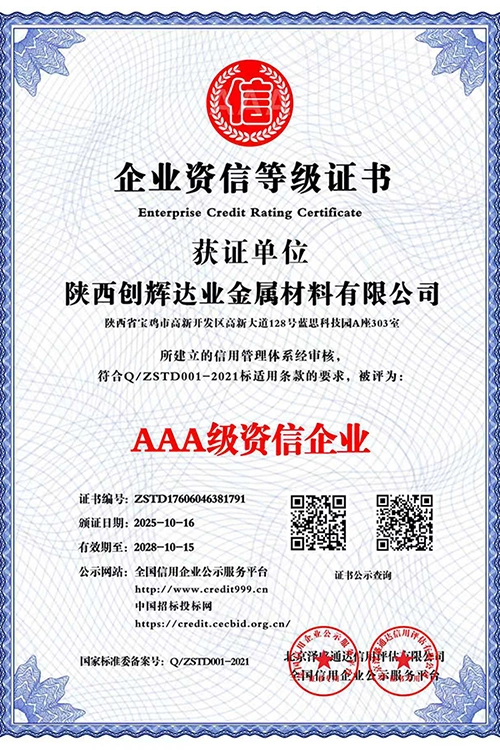
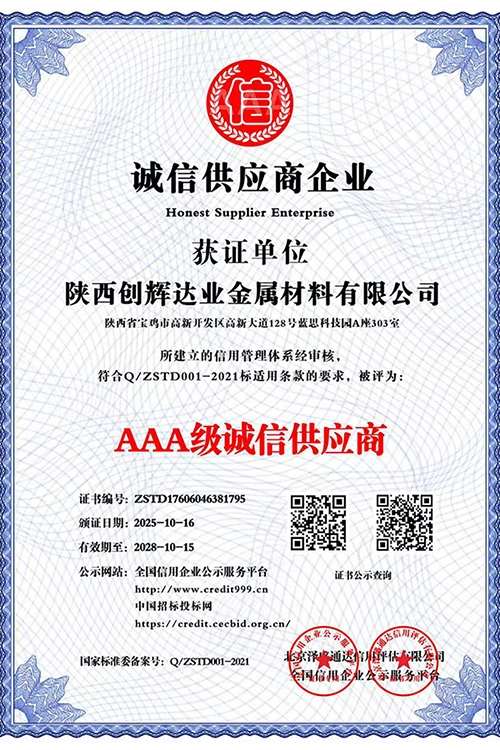
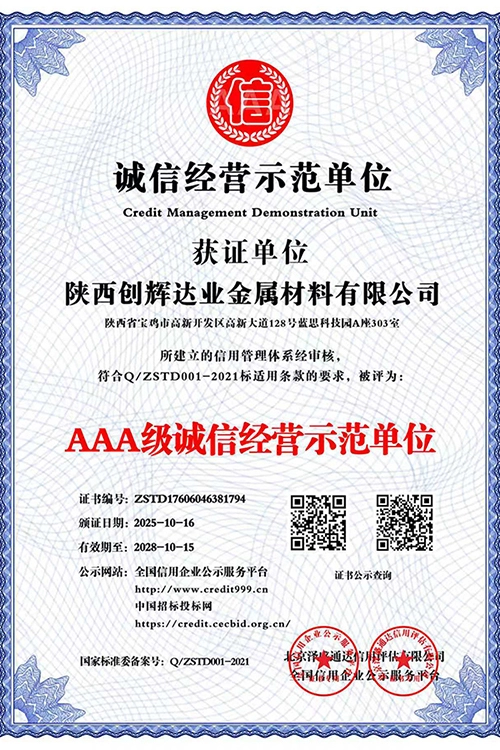
Shaanxi Chuanghui Daye Metal Material Co., Ltd. is based in Baoji High-tech Development Zone. The company's founder has more than 30 years of rare metal experience, and its products have been supplied to more than 50 countries, including the United States, Germany, South Korea and Singapore.
Besides niobium, the company supplies titanium, tantalum, tungsten, molybdenum, zirconium, nickel and other non-ferrous and rare metal alloy products for the metallurgy, electronics, medical and special steel fields. Sample orders are supported for tube sizes within the range above. Describe your application in the inquiry, and the team can help match grade and size to it.


 |
 |
 |
|
|
|
|
|
 |
 |
 |
 |


 |
 |
 |
 |
 |
 |
FAQ
Q: What sizes of niobium tube are available?
A: Outer diameter is 3–100 mm, wall thickness is 0.5–5 mm, and length is 200–6000 mm. Send your drawing for confirmation.
Q: Which grades can I order?
A: R04200 is commercially pure niobium. Reactor-grade niobium is R04210, and R04251 and R04261 are also available.
Q: Can I place a sample order?
A: Yes. Sample orders are supported. Use the email in the Contact Us section and include your size, grade and quantity.
Q: Does niobium tube cost less than tantalum?
A: In zones up to 150–200 °C, niobium can be a lower-density, lower-cost alternative to tantalum. Suitability depends on your media and temperature, so send your operating conditions for review.
Q: Which acids does niobium tube resist?
A: In air, a passive oxide film shows up. It sits dense and tight against the metal. That film is what keeps nitric acid, hydrochloric acid and organic acids away. Heat exchangers running hot sulfuric and hydrochloric acid are a usual spot for it.
Q: Which standard and forms apply?
A: This product normally follows ASTM B394. Orders come in two kinds. One kind gets rolled or drawn, so there is no weld seam at all. The other kind is welded tube.
Contact Us
Email info@chdymetal.com with your tube size, grade, quantity and application. Shaanxi Chuanghui Daye Metal Material Co., Ltd. will reply with Niobium and Niobium Alloys Tube sample and quotation details.
Learn about our latest products and discounts through SMS or email