- English
- French
- German
- Portuguese
- Spanish
- Russian
- Japanese
- Korean
- Arabic
- Greek
- German
- Turkish
- Italian
- Danish
- Romanian
- Indonesian
- Czech
- Afrikaans
- Swedish
- Polish
- Basque
- Catalan
- Esperanto
- Hindi
- Lao
- Albanian
- Amharic
- Armenian
- Azerbaijani
- Belarusian
- Bengali
- Bosnian
- Bulgarian
- Cebuano
- Chichewa
- Corsican
- Croatian
- Dutch
- Estonian
- Filipino
- Finnish
- Frisian
- Galician
- Georgian
- Gujarati
- Haitian
- Hausa
- Hawaiian
- Hebrew
- Hmong
- Hungarian
- Icelandic
- Igbo
- Javanese
- Kannada
- Kazakh
- Khmer
- Kurdish
- Kyrgyz
- Latin
- Latvian
- Lithuanian
- Luxembou..
- Macedonian
- Malagasy
- Malay
- Malayalam
- Maltese
- Maori
- Marathi
- Mongolian
- Burmese
- Nepali
- Norwegian
- Pashto
- Persian
- Punjabi
- Serbian
- Sesotho
- Sinhala
- Slovak
- Slovenian
- Somali
- Samoan
- Scots Gaelic
- Shona
- Sindhi
- Sundanese
- Swahili
- Tajik
- Tamil
- Telugu
- Thai
- Ukrainian
- Urdu
- Uzbek
- Vietnamese
- Welsh
- Xhosa
- Yiddish
- Yoruba
- Zulu
Tantalum alloy rod
2. Diameter: 1–50 mm
3. Length: 1000-3000 mm or customized
4. Density: 16.7–17.0 g/cm³
5. Tensile strength: 250–400 MPa
6. Applications: Aerospace, chemical
7. Corrosion resistant
Tantalum Alloy Rod: Ta-2.5W, Ta-7.5W and Ta-10W Grades for Chemical, Medical and Aerospace Use
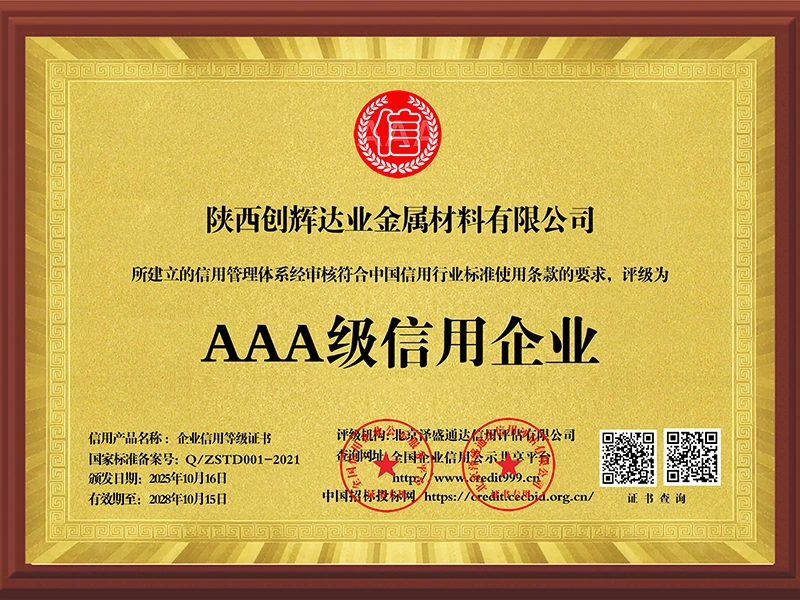
Strength is a problem with pure tantalum. It does not always carry enough of it. Parts headed for chemical plants often need more. Medical gear does too. Aerospace work as well. Tantalum alloy rod from Shaanxi Chuanghui Daye Metal Material Co., Ltd. (CHDY) is a mill product in cylinder form. A tantalum base makes up the core. Tungsten or niobium gets added to it. Company operations sit in the Baoji High-tech Development Zone, China. Buyers pick from Ta-2.5W, Ta-7.5W and Ta-10W grades. Ultimate tensile strength climbs 30–50% over pure tantalum once tungsten goes in. Between 16.6 and 16.9 g/cm³ is where density lands. Above 2996 °C is where the melting point sits. Size and condition get confirmed with every order.
What Is Rod?
This product is built on tantalum. Tungsten (W) or niobium (Nb) gets added to that base. Those extra metals make the matrix tougher by solid-solution strengthening. Tensile strength climbs. Stability at high heat improves too. Tantalum already resists corrosion, and that property mostly stays intact.
Pure tantalum can yield in high-pressure, high-velocity acid flow. An alloy grade can be considered for stiffer parts in pharmaceutical and chemical processing equipment.
Pure Tantalum vs. Tantalum Alloy
Ductility and corrosion resistance draw people to commercially pure tantalum (R05200). Alloys come into play once more mechanical strength is needed. Different processing methods may be needed for material that holds tungsten, though.
Ta-2.5W (R05252) has about 30–40% more tensile strength than pure tantalum. Corrosion resistance drops only a little. That suits moving parts, like valve stems.
Operating temperature is one factor. Mechanical loading and manufacturing needs also matter. The right choice depends on all of them.
Specifications
| Property | Value |
|---|---|
| Alloy Types | Ta-Nb, Ta-W |
| Diameter Range | 1-50 mm |
| Maximum Length | 1000 mm |
| Density | 16.7-17.0 g/cm³ |
| Tensile Strength | 250-400 MPa |
| Melting Point | 2900-3000°C |
| Thermal Conductivity | 57 W/m·K |
Alloy content shifts by grade and material condition. Match it to your spec. Some values are not shown above. Diameter, length, tolerance and delivery condition are among them. Confirm these with CHDY before ordering.

Key Characteristics
- Higher strength: Tungsten adds strength. The metal ends up stronger than commercially pure tantalum.
- High-heat use: Plenty of parts cope with serious heat. Oxidation still causes headaches in many builds, though. Shield them.
- Further machining: Rods can become custom parts at a machine shop. That takes the right methods.
- Composition check: The alloying element content gets tested against whatever material spec you give us.
Applications
Parts that face aggressive environments are where tantalum alloy rod gets used.
- Chemical processing: Valve stems fit here. So do fasteners. Stirring shafts in glass-lined reactors are another place you will find them. Those vessels deal with hot concentrated sulfuric acid, or boiling hydrochloric acid. Pure tantalum is less stiff. The added stiffness helps cut shaft deflection.
- Medical and orthopedics: Load-bearing parts inside implantable devices belong in this group. Surgical instruments do as well. Biocompatibility is nothing new for tantalum. Fatigue limits still need checking, though. Surface finish does too, and both against your own specification.
- Aerospace and defense: Heating elements for vacuum furnaces are one use. Heat shields are another. Missile parts turn up as well. In a vacuum, at very high heat, the metal still has to hold its structure.
Quality Control and Testing
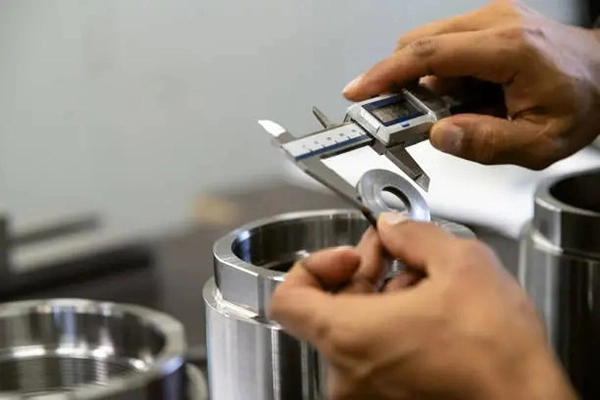
Purity is usually the first thing buyers check on this product. Next comes microstructure. Internal integrity matters too. Find out what the checks below cover, then have the reports sent along with your order.
- Chemical composition: GDMS or ICP-OES confirms the carbon level. Oxygen gets checked as well. Nitrogen and hydrogen are measured too. Keep those levels below 50–100 ppm and embrittlement stays limited.
- Ultrasonic testing (UT): The test is non-destructive. It finds internal voids. It also catches cracks and porosity left from ingot sintering or melting.
- Mechanical testing: Yield strength comes from ASTM E8 tensile tests. So do UTS and elongation.
- Microstructure: Grain size gets checked with ASTM E112. A fine, recrystallized structure, ASTM 5 or finer, keeps machining steady. Surface orange-peel defects fall away as well.
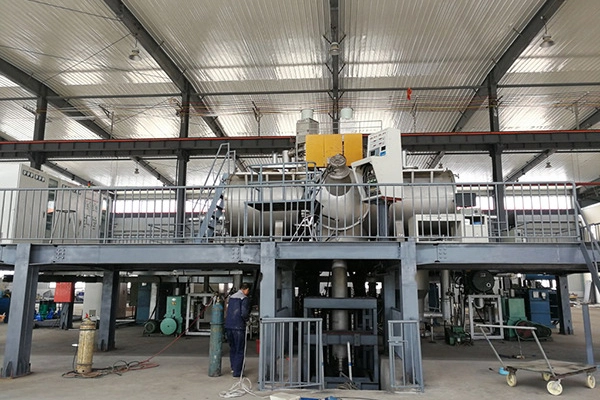
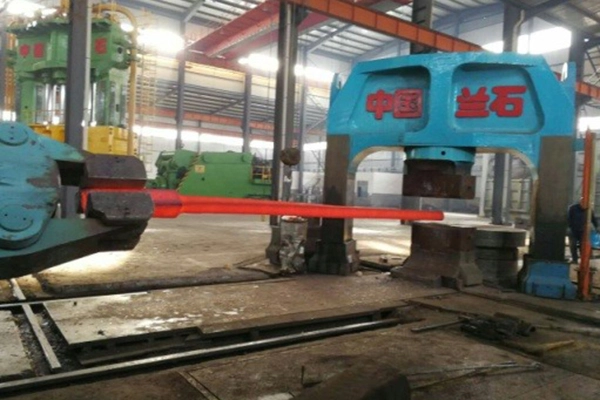
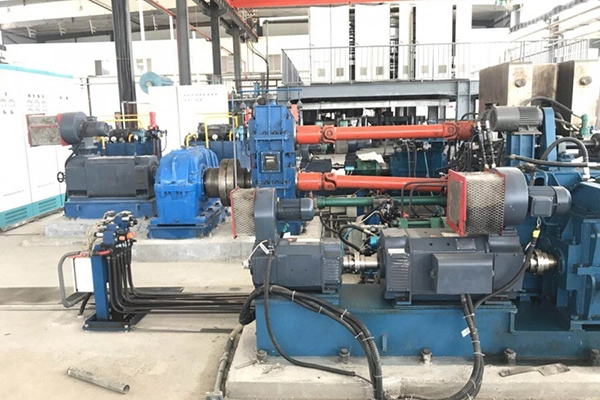
Tantalum alloy rod machining and service guidelines
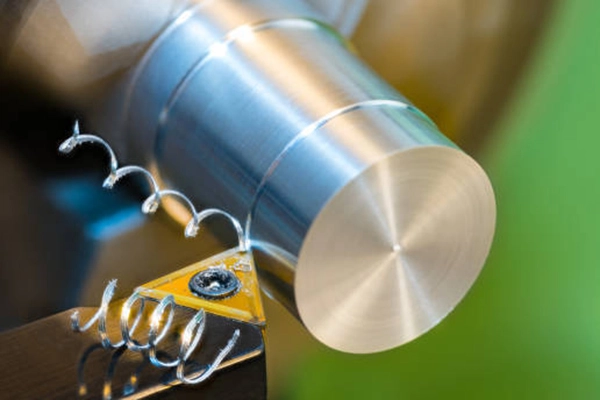
Machining this material is tougher than working stainless steel. High ductility and galling are the two causes. Tooling in high-speed steel works, and cemented carbide is another option. Set the tool geometry correctly. Lubrication has to stay constant.
Hydrofluoric acid must never touch this material. The same goes for solutions that contain fluoride. Oleum is not allowed either. Above 300 °C, tantalum oxidizes quickly in air. For high-temperature service, use vacuum. An argon or helium atmosphere also works.
Be used in a wide range of industries.
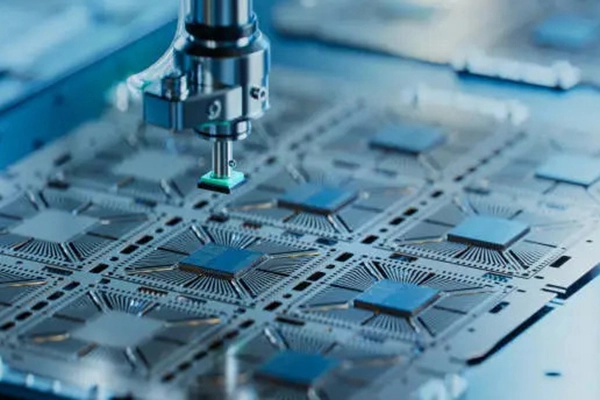
Electronic devices
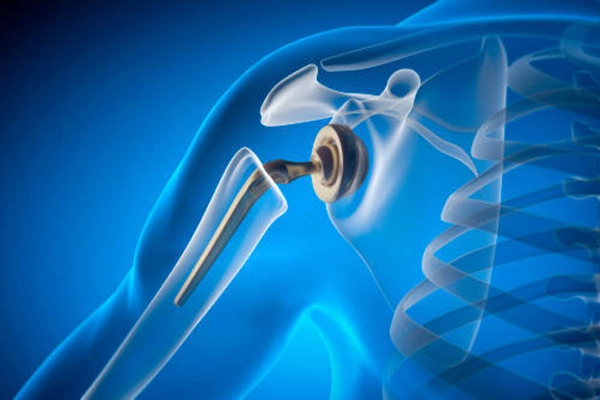
Medical implants
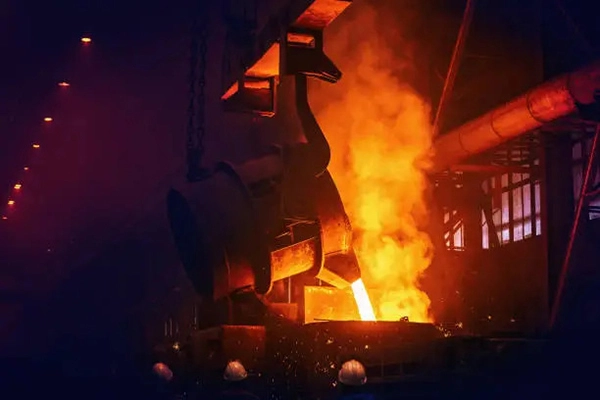
Steel industry
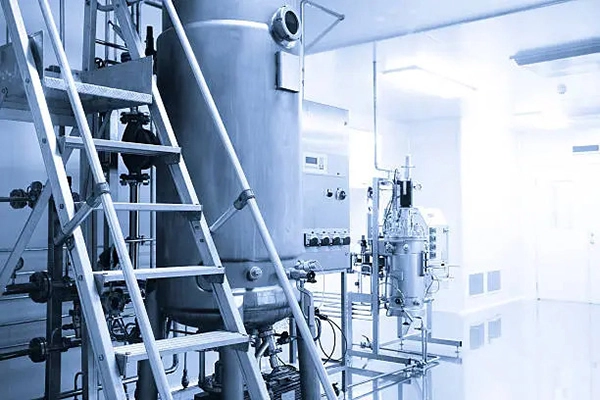
Chemical Processing

Aerospace and Defense

Energy and Environmental Engineering
Supply and Customization from CHDY
Tell CHDY what you need. Matching tantalum alloy rod is what the company supplies. Three points need settling before you order: the alloy grade, the dimensions, and the processing condition. Then check alloy content and grain size against your own spec. Impurity limits deserve the same check.
Metallurgy, electronics, medical and special steel fields all buy from CHDY. The founder brings over 30 years in the rare metal industry. Products have shipped to more than 50 countries and regions so far, the United States, Germany, South Korea and Singapore among them.

|
Grade |
Chemical Composition (≤%) |
||||||||||||
|
Ta |
Fe |
Si |
Ni |
W |
Mo |
Ti |
Nb |
O |
C |
H |
N |
||
|
Ta1 |
Bal. |
0.005 |
0.005 |
0.002 |
0.01 |
0.01 |
0.002 |
0.03 |
0.015 |
0.01 |
0.0015 |
0.01 |
|
|
Ta2 |
Bal. |
0.03 |
0.02 |
0.005 |
0.04 |
0.03 |
0.005 |
0.1 |
0.02 |
0.01 |
0.0015 |
0.01 |
|
|
TaNb3 |
Bal. |
0.03 |
0.03 |
0.005 |
0.04 |
0.03 |
0.005 |
<3.5 |
0.02 |
0.01 |
0.0015 |
0.01 |
|
|
TaNb20 |
Bal. |
0.03 |
0.03 |
0.005 |
0.04 |
0.03 |
0.005 |
17.0-23.0 |
0.02 |
0.01 |
0.0015 |
0.01 |
|
|
Ta2.5W |
Bal. |
0.005 |
0.005 |
0.002 |
3.0 |
0.01 |
0.002 |
0.04 |
0.015 |
0.01 |
0.0015 |
0.01 |
|
|
Ta10W |
Bal. |
0.005 |
0.005 |
0.002 |
11 |
0.01 |
0.002 |
0.04 |
0.015 |
0.01 |
0.0015 |
0.01 |
|
|
Grade(UNS) |
Annealed |
||
|
Tensile strength min,psi (MPa) |
Yield strength min,psi (MPa)(2%) |
Elongation min,% (1 inch gage length) |
|
|
Pure Ta (RO5200,RO5400) |
30000 (207) |
20000 (138) |
20 |
|
Ta-10W (RO5255) |
70000 (482) |
60000 (414) |
15 |
|
Ta-2.5W (RO5252) |
40000 (276) |
30000 (207) |
20 |
 |
 |
 |
 |
 |
 |
 |
 |
|
|
|


|
|
|
|
|
 |
 |
 |
 |


 |
 |
 |
 |
 |
 |
FAQ
Q: How does pure Ta (R05200) mainly differ from Ta-2.5W (R05252)?
A: Set Ta-2.5W beside pure tantalum. You get roughly 30–40% more tensile strength. Corrosion resistance comes out a little lower. The gap is small. Valve stems and similar moving parts do well.
Q: Is this alloy attacked by hydrofluoric acid (HF)?
A: No. HF goes after tantalum hard. Solutions that carry fluoride do the same, and so does oleum. Of all the chemical limits, this one counts the most.
Q: How does machining stack up against stainless steel?
A: Here the work gets harder. Galling and high ductility both fight you. Go with high-speed steel tools, or cemented carbide ones. Tool geometry matters as well, so get it right. Keep lubrication constant from the first cut to the last.
Q: What sets the limit on how hot the metal gets when it runs in air?
A: Once the temperature goes past 300 °C, tantalum starts to oxidize quickly if air is present. Vacuum is the way to go for hot work in that range. Inert gas works too, argon or helium, for instance.
Q: Why does grain size matter?
A: Machining coarse grains usually gives you a rough surface. The mechanical properties can come out uneven too. Hardness and ductility stay stable when the grain structure is fine and fully recrystallized.
Q: Which grades can I order from CHDY?
A: The grades you come across most are Ta-2.5W, Ta-7.5W and Ta-10W. Figure out which grade suits your case before ordering. Dimensions and processing condition count as well.
Contact Us
Need a quote? Send your grade, dimensions and condition for Tantalum alloy rod to info@chdymetal.com and our team will reply with next steps.
Learn about our latest products and discounts through SMS or email