- English
- French
- German
- Portuguese
- Spanish
- Russian
- Japanese
- Korean
- Arabic
- Greek
- German
- Turkish
- Italian
- Danish
- Romanian
- Indonesian
- Czech
- Afrikaans
- Swedish
- Polish
- Basque
- Catalan
- Esperanto
- Hindi
- Lao
- Albanian
- Amharic
- Armenian
- Azerbaijani
- Belarusian
- Bengali
- Bosnian
- Bulgarian
- Cebuano
- Chichewa
- Corsican
- Croatian
- Dutch
- Estonian
- Filipino
- Finnish
- Frisian
- Galician
- Georgian
- Gujarati
- Haitian
- Hausa
- Hawaiian
- Hebrew
- Hmong
- Hungarian
- Icelandic
- Igbo
- Javanese
- Kannada
- Kazakh
- Khmer
- Kurdish
- Kyrgyz
- Latin
- Latvian
- Lithuanian
- Luxembou..
- Macedonian
- Malagasy
- Malay
- Malayalam
- Maltese
- Maori
- Marathi
- Mongolian
- Burmese
- Nepali
- Norwegian
- Pashto
- Persian
- Punjabi
- Serbian
- Sesotho
- Sinhala
- Slovak
- Slovenian
- Somali
- Samoan
- Scots Gaelic
- Shona
- Sindhi
- Sundanese
- Swahili
- Tajik
- Tamil
- Telugu
- Thai
- Ukrainian
- Urdu
- Uzbek
- Vietnamese
- Welsh
- Xhosa
- Yiddish
- Yoruba
- Zulu
Pure Niobium Tube
2. Standard: ASTM B 394
3. State: Hard, semi-hard and soft
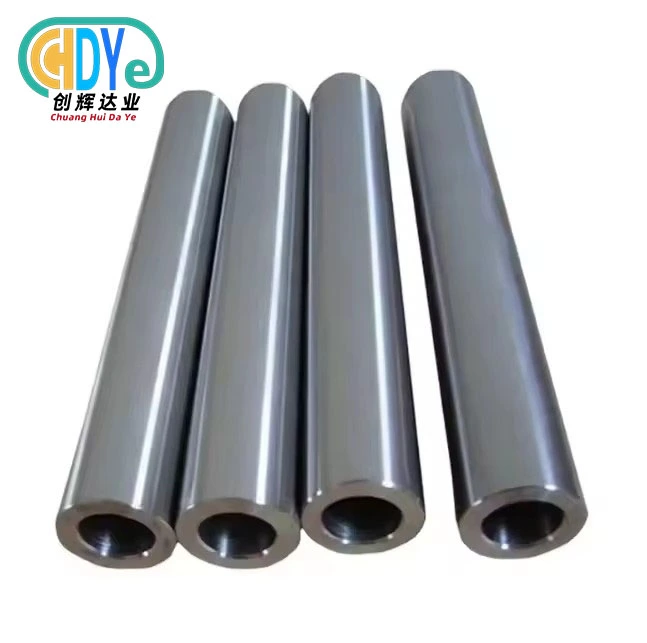
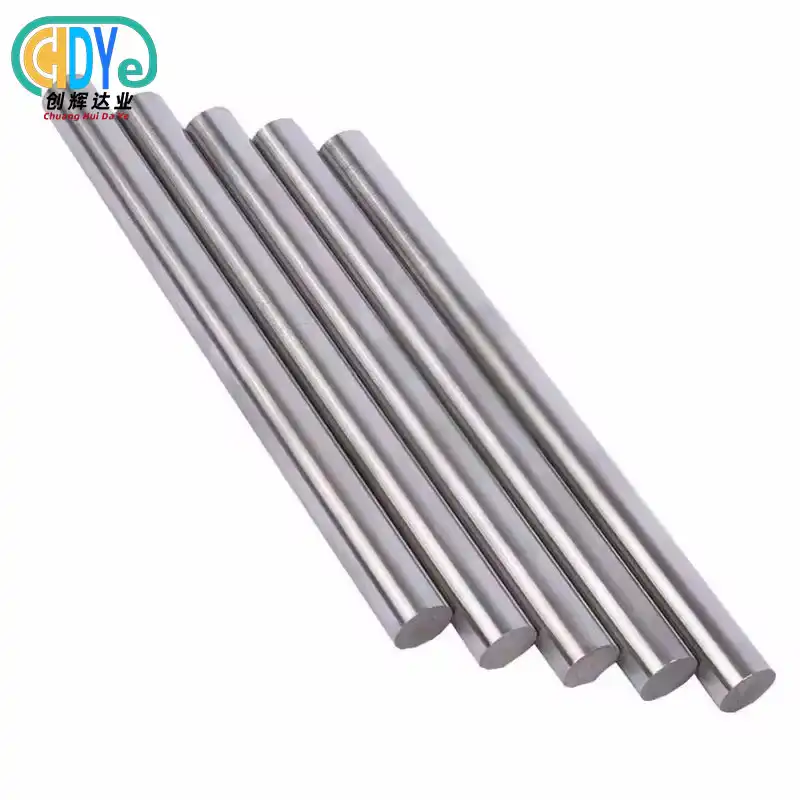
Pure Niobium Tube for Heat Exchangers, SRF Cavities and HPS Lamps: 99.95% Purity, ASTM B 394
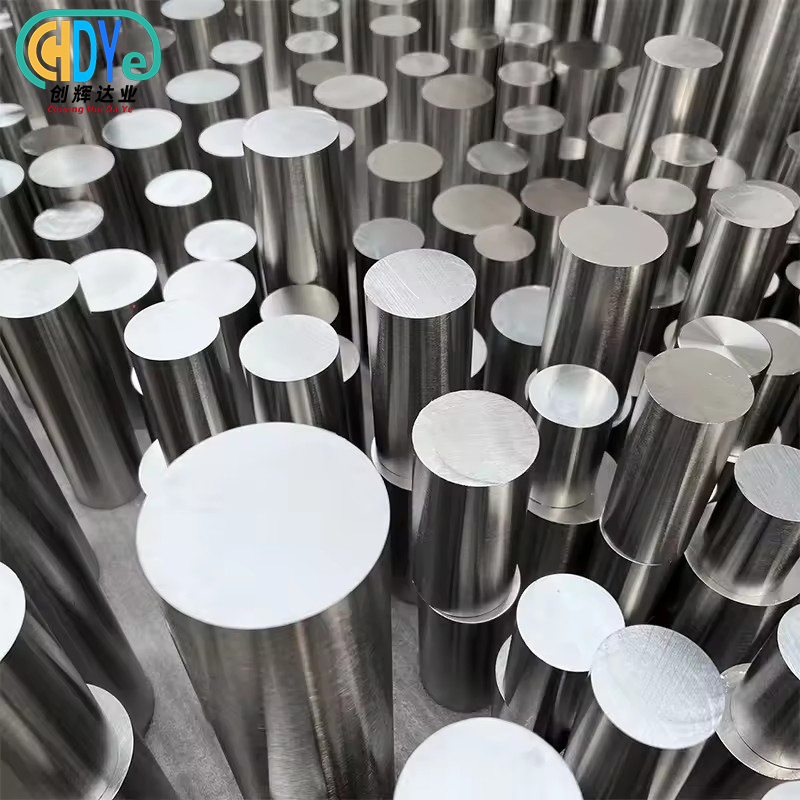
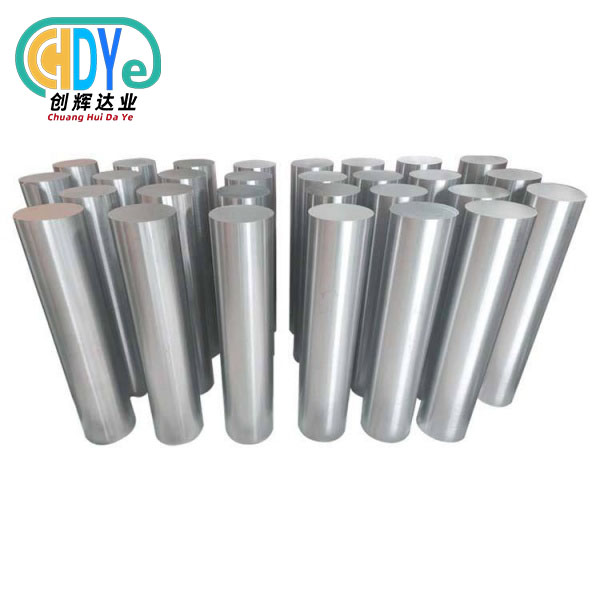
Niobium tubing to ASTM B 394 comes from Shaanxi Chuanghui Daye Metal Material Co., Ltd. We offer grades R04200 and R04210. Our Pure Niobium Tube is 99.95% pure. It comes in hard state. Semi-hard and soft states are two more choices. That lets you pick a temper for forming or for the job. People value niobium for its resistance to heat and to corrosion. It is a refractory metal. Acid heat exchangers are one place it goes. You will also find it in HPS lamp arc tubes. SRF cavity components call for it too. To start a specification review, send your drawing and the conditions you operate under.
Specifications
 |
 |
 |
 |
 |
 |
 |
 |
Outer diameter does not appear above. Nor does wall thickness. Length is missing too. Tolerances are not shown. Mechanical property values are absent as well. Please confirm each one against your drawing or purchase specification.

What Niobium Tubing Is and Why It Matters
Niobium (Nb) is one of the refractory transition metals. It bends without trouble. Heat and chemical attack seldom damage it. A tube is a cylinder-shaped product. Extrusion is one way shops make it. Rolling is a second route. Drawing works too. Welding also has a role. Some forms show no weld line.
Aggressive acids and high heat can hit some parts at once. Niobium tubing fits that job. Niobium weighs less than tantalum. Its price is lower too. Superconducting and cryogenic equipment also puts this product to work.
Be used in a wide range of industries.
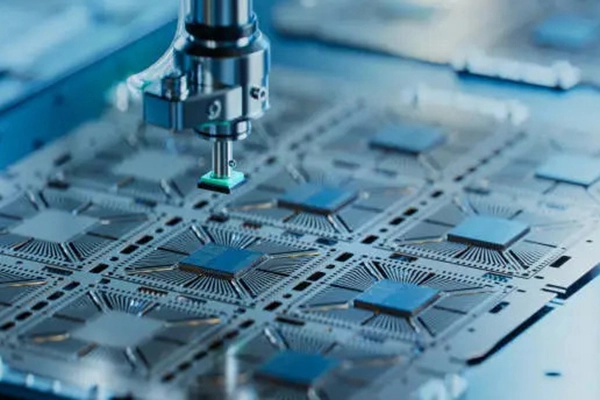
Electronic devices
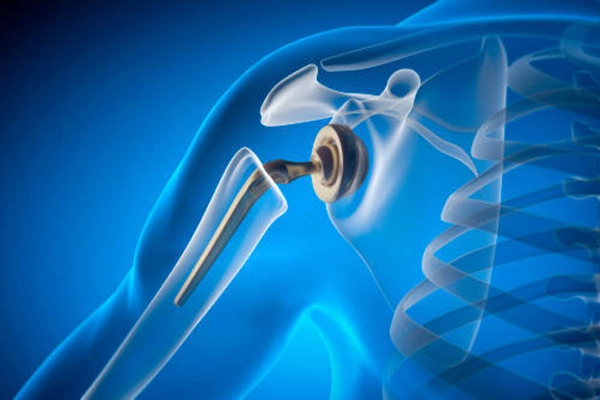
Medical implants
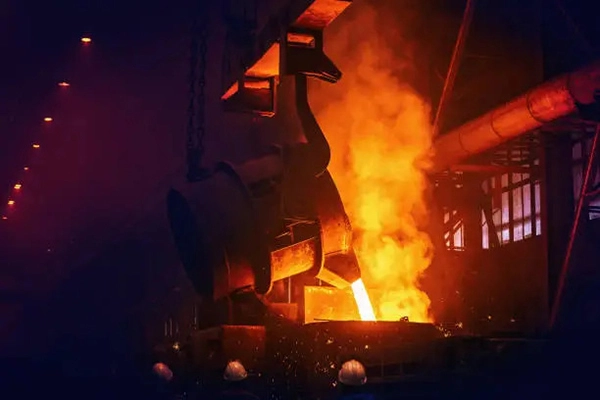
Steel industry
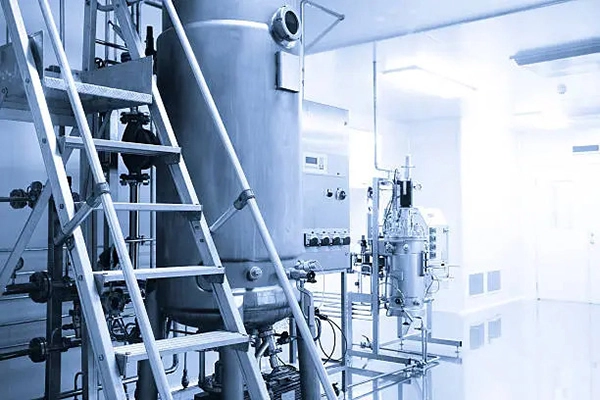
Chemical Processing

Aerospace and Defense

Energy and Environmental Engineering
Material Grades and Manufacturing Routes
Two grades are available: R04200 and R04210. Choose the grade that fits your service conditions and your purchase specification. At the time you order, check it against the standard.
Tubes get made by extrusion, rolling or welding. Controls run through each of those routes, so the tube still meets ASTM B 394. Interstitial impurities are a separate matter. Carbon counts as one. So do oxygen, nitrogen and hydrogen. Ductility shifts a lot with these, which is why they are held within limits.
Three states are on offer: hard, semi-hard and soft. Tell us the method you will use to form or install the tube. Once we know that, we confirm which state suits it.
Quality Control Checks
Most of the time these checks cover orders built to ASTM B 394, or to requirements you set yourself:
- Chemical analysis: Interstitial impurities get checked by us with ICP-OES or GDMS. Oxygen in R04200 stays below 150 ppm.
- Non-destructive testing: Longitudinal defects get caught by ultrasonic testing. Transverse ones turn up as well. Eddy current testing reveals surface cracks. Operating pressure, does the tube hold it without leaking? Hydrostatic testing proves that.
- Mechanical testing: Tensile strength gets measured on longitudinal samples. So do yield strength and elongation. Next comes a flaring test. It answers one question: can the tube expand during installation without splitting?
- Microstructure analysis: Grain size has to come in at ASTM E112 No. 6 or finer. A tube that is fully annealed will show recrystallization above 90%. Formability is what that gives you.
List any test items you need right in your inquiry. We can then confirm them before the quote is issued.
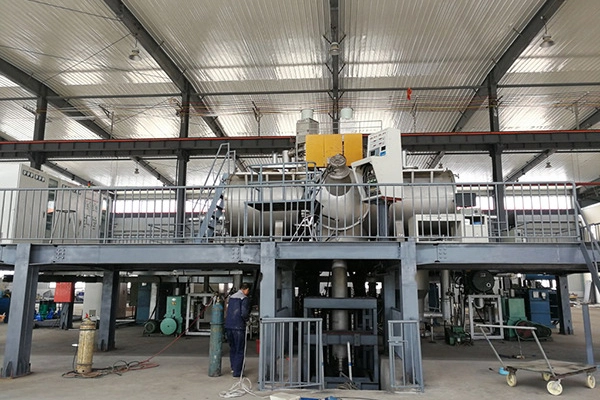
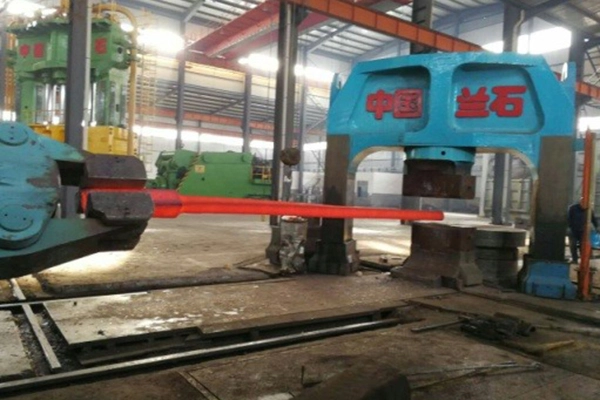
Applications of Niobium Tubing
Pure Niobium Tube is used in three demanding industrial applications.
Chemical processing and heat exchangers. Acid resistance is the deciding factor in some plants, and there shell-and-tube heat exchangers do the job. Bayonet heaters and condensers run on hot sulfuric or hydrochloric acid the same way. Send us the acid concentration and the operating temperature. Only then do we check suitability, before any choice is made.
High-pressure sodium (HPS) lamps. Small-diameter tubes and capillaries often serve as arc tube feedthroughs. Niobium expands at nearly the same rate as sintered alumina ceramic. Cycle after cycle of heating and cooling, the hermetic seal stays sound because of that.
Superconducting magnets and particle accelerators. Superconducting radio frequency (SRF) cavities often use high-purity niobium. Beamline components make use of it as well. Near absolute zero, it works in liquid helium.
Choosing Between Niobium, Tantalum, Titanium, Zirconium and Pure Niobium Tube
Tantalum does a good job, yet it costs more. In cooler zones, niobium can be a cheaper substitute. Whether it fits depends on the medium. Temperature matters too. Equipment design also plays a role. Share your conditions so we can review them.
For acid heat exchangers, compare this product with titanium on price and expected service life. Do the same with zirconium. It fits projects where budget and uptime both matter.
Supply and Customization
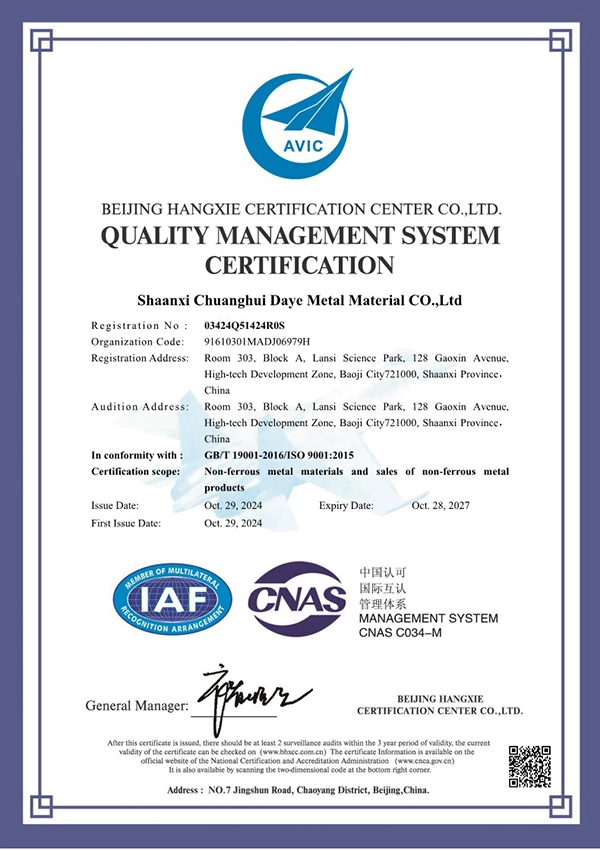
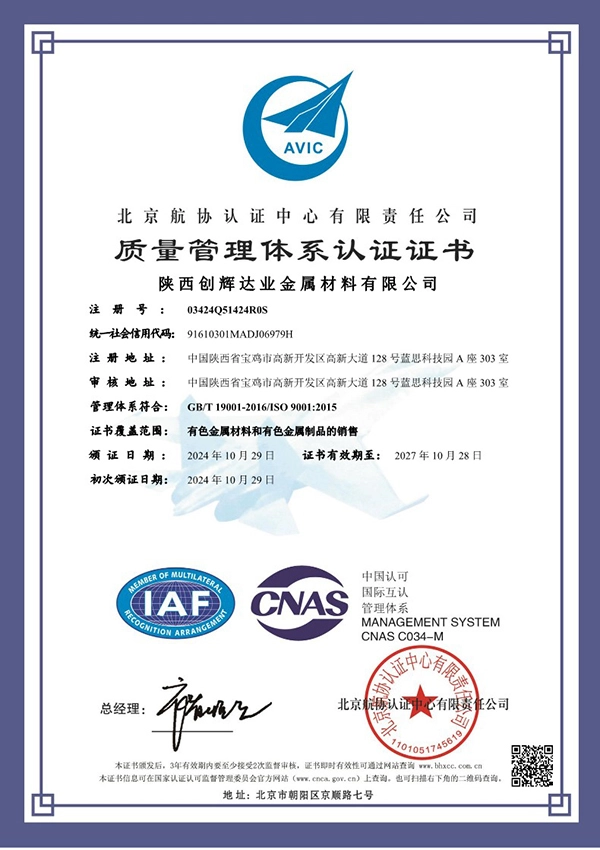
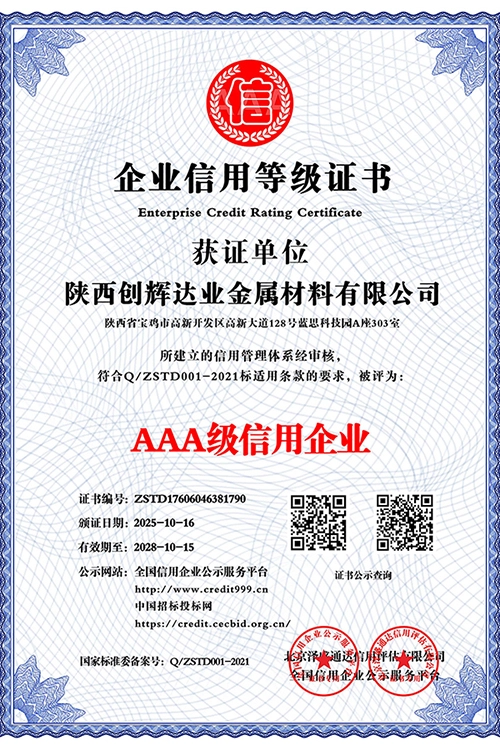
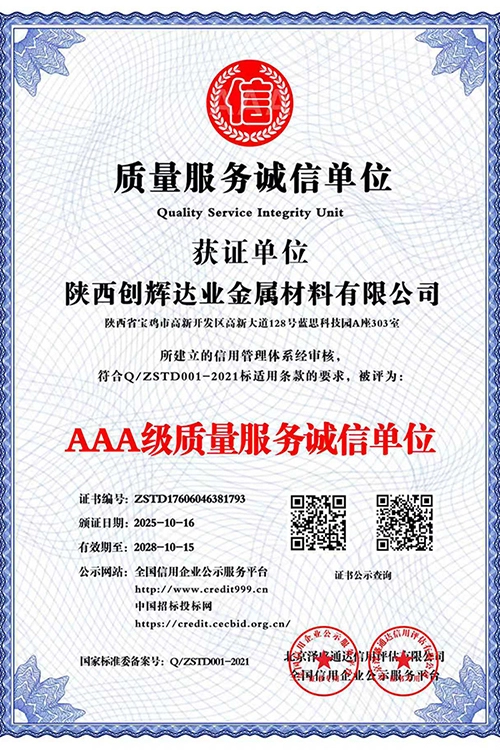
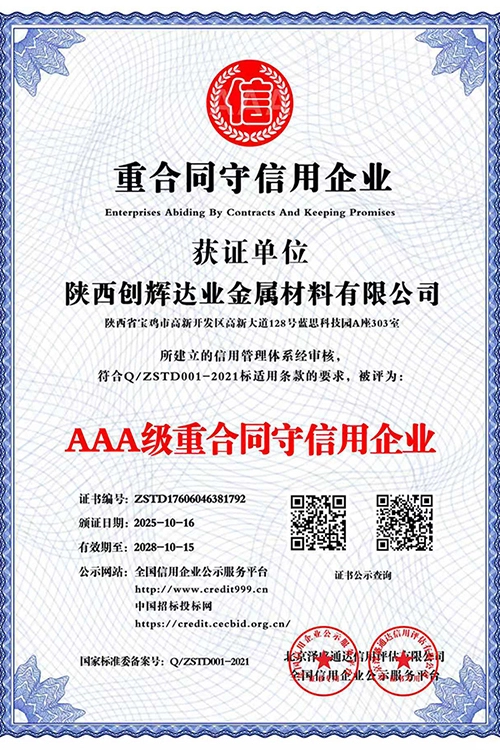
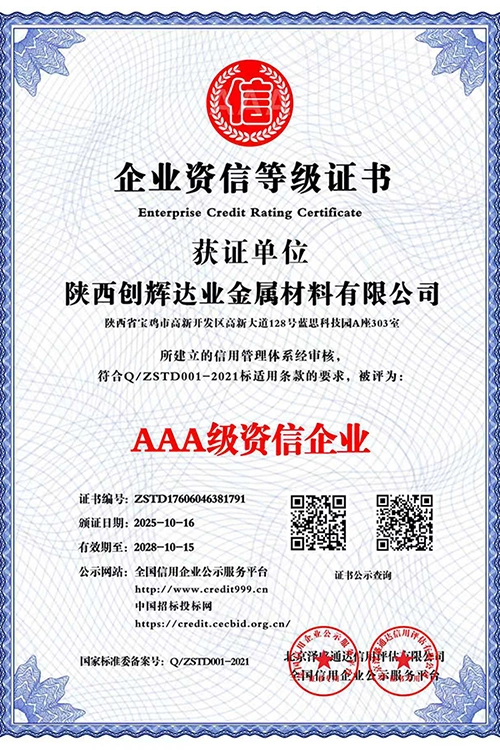
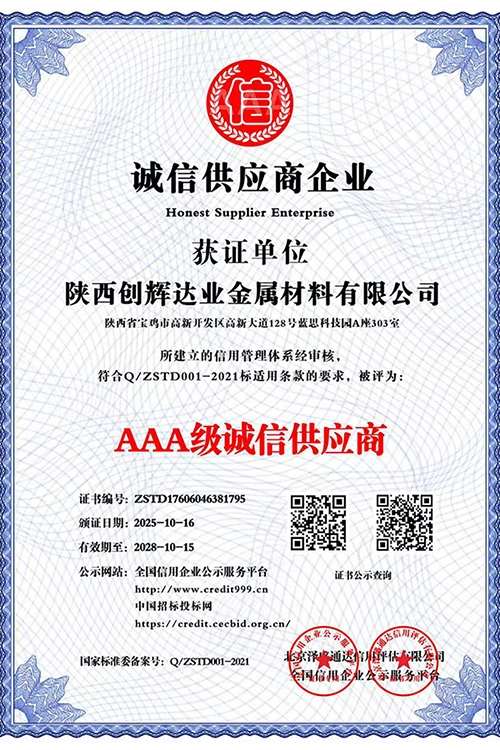
Chuanghui Daye sits in the Baoji High-tech Development Zone, Shaanxi, China. Rare metals have been the founder's line of work for over 30 years. Goods from the company ship to more than 50 countries. The United States, Germany, South Korea and Singapore are among them.
Titanium and tantalum sit in the range too, along with tungsten, molybdenum, zirconium, nickel and other rare metal alloys. Metallurgy, electronics and medical work are the main fields, plus special steel. Several metals can go into one inquiry. Share the size, state, quantity and packaging you need. The team will come back with a proposal.
B2B Purchasing Checklist
Prepare these points before you request a Pure Niobium Tube quote:
- Grade: R04200 or R04210
- Delivery state: hard, semi-hard or soft
- Tube type: drawn or rolled without a weld line, or welded
- Dimensions and quantity
- Required QC items, such as ultrasonic, eddy current, hydrostatic or flaring tests
- Application and operating temperature


 |
 |
 |
|
|
|
|
|
 |
 |
 |
 |


 |
 |
 |
 |
 |
 |
FAQ
Q: What is this product?
A: Niobium, grade R04200 or R04210, is the metal behind this cylindrical refractory tube. Extrusion, rolling or welding brings it to ASTM B 394.
Q: What purity do you supply?
A: Purity is 99.95%. Delivery states are hard, semi-hard and soft.
Q: How is quality controlled?
A: ICP-OES or GDMS analysis is part of the checks. So are ultrasonic, eddy current and hydrostatic testing. Tensile and flaring tests get run too, and the grain size is reviewed as well.
Q: Where is it used?
A: Main uses are acid heat exchangers, HPS lamp arc tubes and SRF cavities for particle accelerators.
Q: Can it replace tantalum?
A: In lower-temperature zones it may, depending on the medium, temperature and design. Send your conditions for review.
Q: Can I order custom sizes?
A: Yes. Send over your drawing or spec and the team will confirm the details with you.
Contact Us
Send your drawing, grade, delivery state, quantity and operating conditions to info@chdymetal.com to receive a quote for Pure Niobium Tube.
Learn about our latest products and discounts through SMS or email