- English
- French
- German
- Portuguese
- Spanish
- Russian
- Japanese
- Korean
- Arabic
- Greek
- German
- Turkish
- Italian
- Danish
- Romanian
- Indonesian
- Czech
- Afrikaans
- Swedish
- Polish
- Basque
- Catalan
- Esperanto
- Hindi
- Lao
- Albanian
- Amharic
- Armenian
- Azerbaijani
- Belarusian
- Bengali
- Bosnian
- Bulgarian
- Cebuano
- Chichewa
- Corsican
- Croatian
- Dutch
- Estonian
- Filipino
- Finnish
- Frisian
- Galician
- Georgian
- Gujarati
- Haitian
- Hausa
- Hawaiian
- Hebrew
- Hmong
- Hungarian
- Icelandic
- Igbo
- Javanese
- Kannada
- Kazakh
- Khmer
- Kurdish
- Kyrgyz
- Latin
- Latvian
- Lithuanian
- Luxembou..
- Macedonian
- Malagasy
- Malay
- Malayalam
- Maltese
- Maori
- Marathi
- Mongolian
- Burmese
- Nepali
- Norwegian
- Pashto
- Persian
- Punjabi
- Serbian
- Sesotho
- Sinhala
- Slovak
- Slovenian
- Somali
- Samoan
- Scots Gaelic
- Shona
- Sindhi
- Sundanese
- Swahili
- Tajik
- Tamil
- Telugu
- Thai
- Ukrainian
- Urdu
- Uzbek
- Vietnamese
- Welsh
- Xhosa
- Yiddish
- Yoruba
- Zulu
Tantalum Alloy Sheet and Plates
Tantalum Alloy Sheet and Plates: Rolled Ta-2.5W and Ta-10W for Corrosive and High-Temperature Service
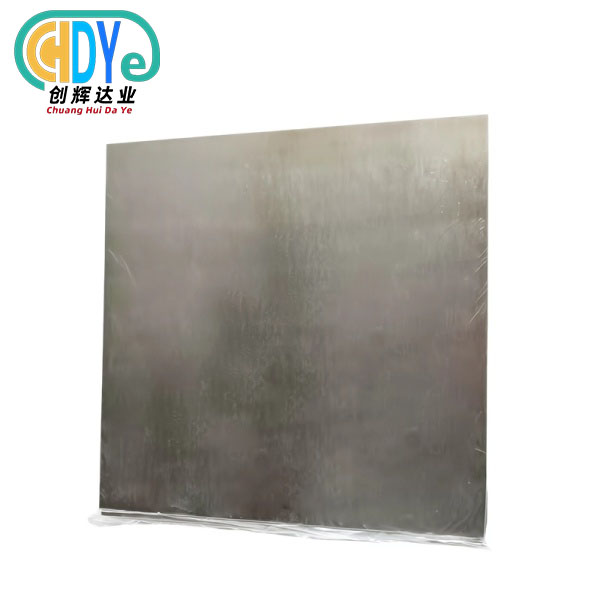
For corrosive service and vacuum furnaces, Chdymetal (Shaanxi Chuanghui Daye Metal Material Co., Ltd.) supplies Tantalum Alloy Sheet and Plates. The list starts with pure tantalum (UNS R05200). Then there is Ta-2.5W (UNS R05252). And Ta-10W (UNS R05255) makes three. Rolling is how the plates get made. An even grain structure comes out of it. You can order ultra-thin sizes. Ultra-wide ones are on the list too. Tungsten additions push strength up. Corrosion resistance does not drop, though. That way a grade can be matched to acid equipment, high-temperature vacuum parts or formed components. Tell us your service conditions and the sizes you need. A grade suggestion comes back to you.
What Are Tantalum Alloy Plates?
The range belongs to the refractory metal mill products group. Unalloyed tantalum is part of that group. Tungsten-alloyed grades sit in there as well. Whatever a part is made from, two things stay the same. It has to fight off corrosion. Mechanical strength has to hold at the same time.
In hydrochloric and sulfuric acid systems, Hastelloy often pits. Titanium does the same. Crevice corrosion is risk number two. Hydrogen embrittlement comes third. How bad it gets depends on temperature and concentration. Under these conditions, tantalum is often picked as the barrier material. Its oxide layer stays stable. That layer shields the metal. The structure gets its strength from the plate itself.
Specifications
The tables below list the grade and supply information provided for these plates.
 |
 |
 |
 |
 |
 |
 |
 |
You will not find the thickness range on this page. Width and length are missing. Tolerances are not shown either. Chemical composition is left out, and so are the applicable standards. MOQ and lead time are not listed. We confirm all of these for every inquiry.
Choosing Between Pure Tantalum, Ta-2.5W and Ta-10W
Check your service conditions first. What do they ask for? Then pick the grade that fits them.
- Pure Ta: the unalloyed baseline grade.
- Ta-2.5W: used for acid service, pressure vessels and complex forming. Its higher strength compared with pure tantalum may allow thinner gauges, subject to your design calculation and confirmed material data.
- Ta-10W: chosen mainly for high-strength aerospace parts.
Ta-2.5W is normally the go-to grade for acid service that involves complex forming. Better ductility is the reason. Corrosion performance still needs checking every time, for the medium you actually use. Do the same at your concentration and temperature.
Applications
Three main sectors put Tantalum Alloy Sheet and Plates to work.
- Chemical process industry: heat exchanger tube sheets sit here, along with bayonet heater cladding and distillation columns. Each one has to handle concentrated sulfuric acid and other aggressive media. Contaminating the process fluid is not an option. Nor is equipment failure.
- Aerospace: A Ta-10W plate melts at a high temperature and resists erosion well. Inserts for rocket nozzles come out of these plates in machine shops. So do propulsion parts.
- Vacuum furnaces and nuclear: These plates work as heating elements inside high-temperature vacuum furnaces. They also act as heat shields and structural supports. Nuclear jobs remain a small niche. Holding liquid metal is one example, say liquid sodium or potassium. Check first that the material fits the real conditions.
Be used in a wide range of industries.
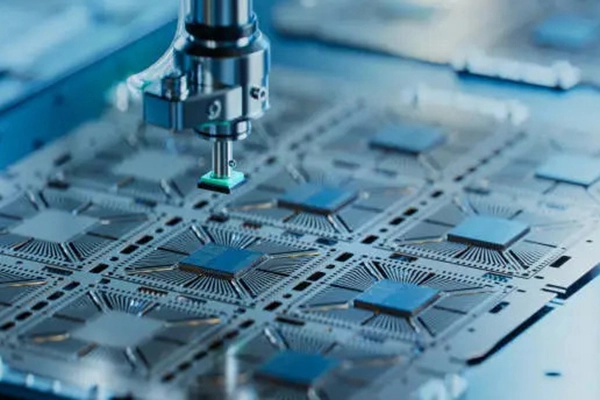
Electronic devices
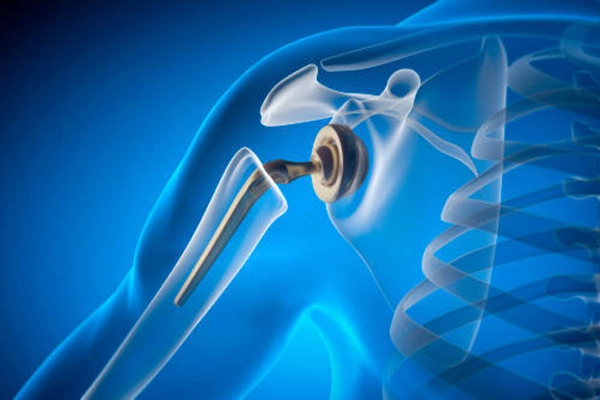
Medical implants
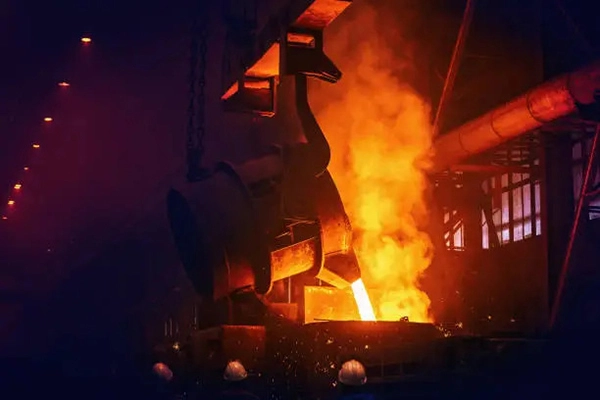
Steel industry
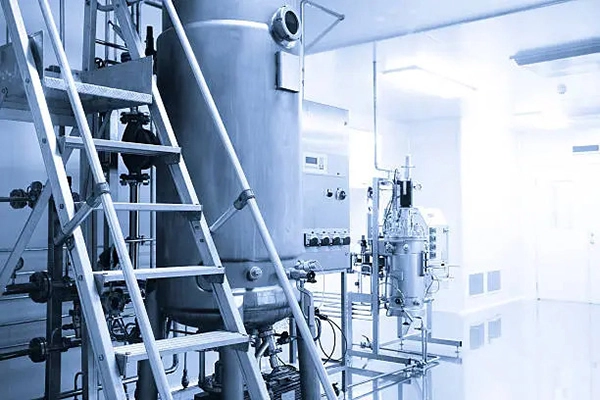
Chemical Processing

Aerospace and Defense
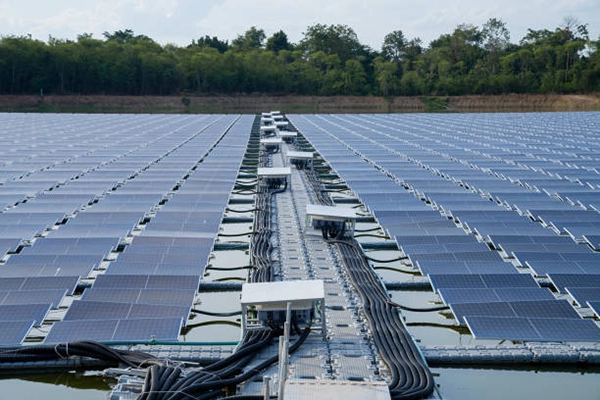
Energy and Environmental Engineering
Welding Guidance
Clean conditions matter when you weld tantalum alloy plates. Use a high-purity argon chamber. Vacuum EB welding is another route. Shield the root and the face until the metal drops below 250 °C. Oxide contamination stays out that way.
Operating Limits in Air
Hot air is the wrong place for these plates. Past 300 °C, tantalum starts to oxidize fast. Above 500 °C it soaks up gas and gets badly brittle. Vacuum is one way to store them, and inert gas works too. A protective coating does the job as well.
Surface Condition, Handling and Packaging of Tantalum Alloy Sheet and Plates
Our plates ship in the annealed condition. Pickled versions are available too. You can order machined plates as well. The surfaces are bright and clean. No grease or oil sits on them. The oxide layer gives tantalum its corrosion resistance. Keep the surface clean. The layer stays intact. Handle the metal with grease-free hands. When you place the order, tell us how you want the material packed. Do you need material certificates or test reports? Say so in your inquiry.
Supply and Purchasing Considerations
Chdymetal supplies Tantalum Alloy Sheet and Plates to a range of industries. Ultra-thin and ultra-wide formats are both on offer. In your inquiry, state the grade. Give the thickness. Width and length should be added too. State the delivery condition as well.
Before ordering, check four points. First, service temperature. Next, acid type and concentration. Then forming complexity. Last, welding method. Once the team has these details, they can match your application to pure Ta. Ta-2.5W and Ta-10W are also options.
About Chdymetal
Baoji High-tech Development Zone in Shaanxi is where Chdymetal is based. People call this city China's "Titanium Capital". The founder of the company brings over 30 years of work in the rare metal industry.
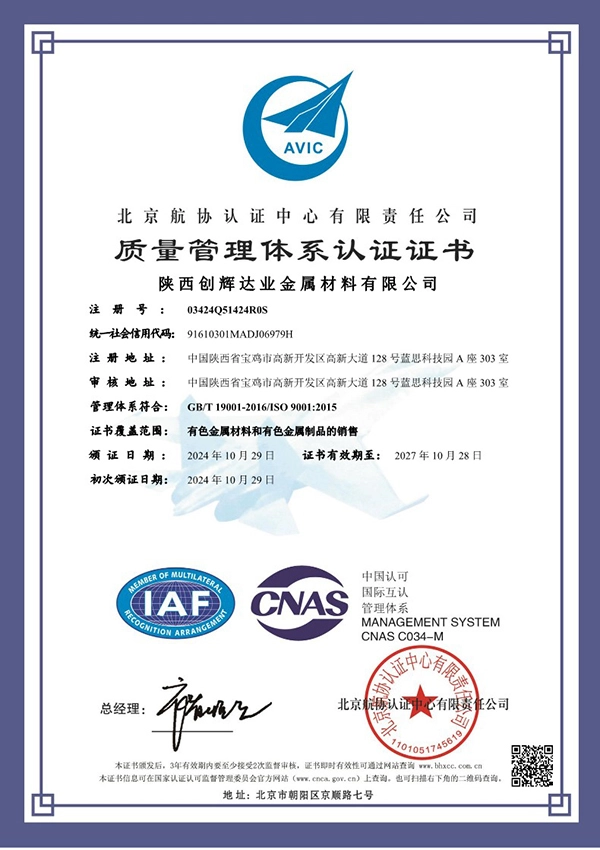
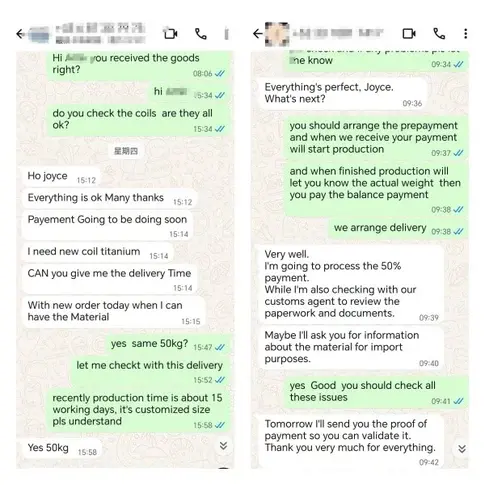
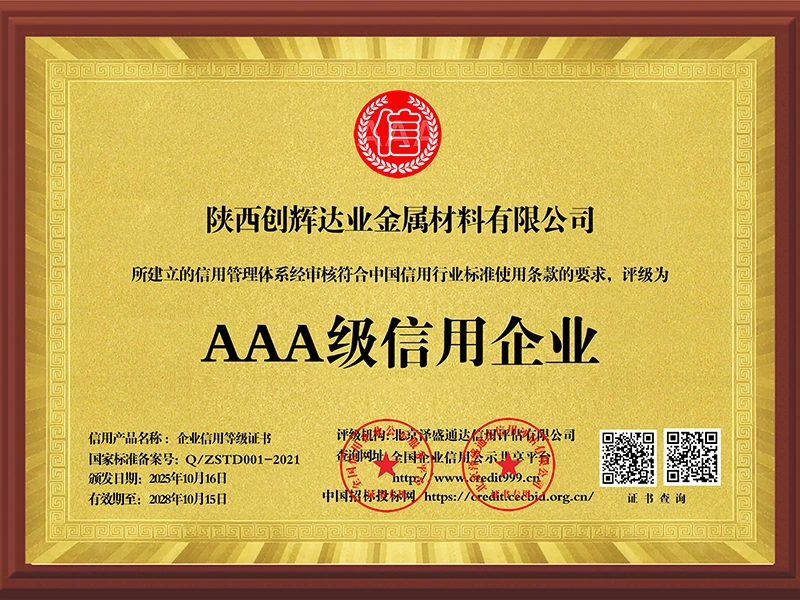
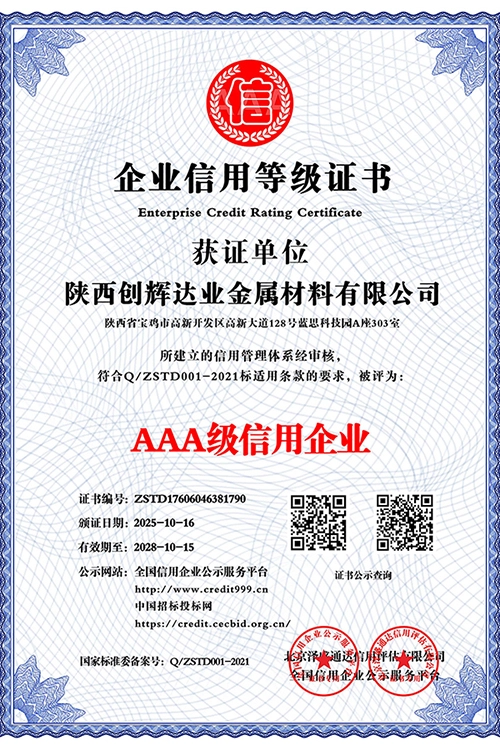
Tantalum is not the only thing this company makes. Titanium comes out of its plants too. Niobium does as well, and so do tungsten, molybdenum, zirconium and nickel. Those metals serve the metallurgy field. Electronics and medical work take them too. Special steel is another outlet. Buyers in more than 50 countries and regions use its products. The United States is one of those markets. Germany is another, along with South Korea and Singapore.



 |
 |
 |
|
|
|
|
|
 |
 |
 |
 |


 |
 |
 |
 |
 |
 |
FAQ
Q: What makes pure tantalum different from Ta-2.5W?
A: Ta-2.5W adds tungsten, so it is stronger than pure tantalum. Corrosion resistance and formability stay close to pure tantalum. Ask for grade data on the properties your design needs.
Q: Will these plates hold up in air when it gets hot?
A: No, it does not. Past 300 °C, tantalum starts to oxidize fast. The metal goes brittle once you go above 500 °C. A vacuum works. So does inert gas, or a protective coating.
Q: What is the best way to weld tantalum alloy plates?
A: A high-purity argon chamber covers this job. Vacuum EB welding is a second option. Shield the root and the face until the metal cools to under 250 °C.
Q: Can Ta-10W take on the same work as Ta-2.5W?
A: Not in every case. High-strength aerospace parts take most of the Ta-10W. Acid service with complex forming is where Ta-2.5W fits best. Before you choose a grade, check how the metal holds up in your medium.
Q: What is the standard surface finish?
A: Annealing is an option for these plates. Pickling works as well. We also offer machined plates. Every surface arrives bright and clean. No grease or oil sits on them.
Q: Do you offer ultra-thin plates? How about ultra-wide plates?
A: Yes. Ultra-thin and ultra-wide this product are available. Email info@chdymetal.com with your grade and dimensions.
Contact Us
Send an email to info@chdymetal.com. The grade, thickness, width, length, quantity, and delivery condition for Tantalum Alloy Sheet and Plates should all be in that message.
Learn about our latest products and discounts through SMS or email