- English
- French
- German
- Portuguese
- Spanish
- Russian
- Japanese
- Korean
- Arabic
- Greek
- German
- Turkish
- Italian
- Danish
- Romanian
- Indonesian
- Czech
- Afrikaans
- Swedish
- Polish
- Basque
- Catalan
- Esperanto
- Hindi
- Lao
- Albanian
- Amharic
- Armenian
- Azerbaijani
- Belarusian
- Bengali
- Bosnian
- Bulgarian
- Cebuano
- Chichewa
- Corsican
- Croatian
- Dutch
- Estonian
- Filipino
- Finnish
- Frisian
- Galician
- Georgian
- Gujarati
- Haitian
- Hausa
- Hawaiian
- Hebrew
- Hmong
- Hungarian
- Icelandic
- Igbo
- Javanese
- Kannada
- Kazakh
- Khmer
- Kurdish
- Kyrgyz
- Latin
- Latvian
- Lithuanian
- Luxembou..
- Macedonian
- Malagasy
- Malay
- Malayalam
- Maltese
- Maori
- Marathi
- Mongolian
- Burmese
- Nepali
- Norwegian
- Pashto
- Persian
- Punjabi
- Serbian
- Sesotho
- Sinhala
- Slovak
- Slovenian
- Somali
- Samoan
- Scots Gaelic
- Shona
- Sindhi
- Sundanese
- Swahili
- Tajik
- Tamil
- Telugu
- Thai
- Ukrainian
- Urdu
- Uzbek
- Vietnamese
- Welsh
- Xhosa
- Yiddish
- Yoruba
- Zulu
tantalum plates
2. Size: Thickness 0.5-20mm*width50-1200*Length30-2500mm
3. Standard: ASTM B708
4. Type: foil strip shape are all available
Tantalum Plates for Chemical, Vacuum and Medical Use: ASTM B708 Grades
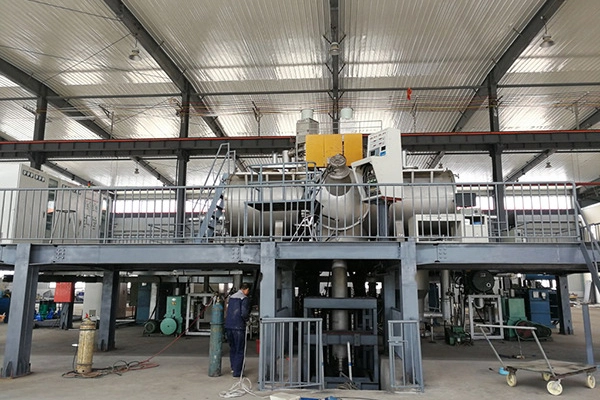
Shaanxi Chuanghui Daye Metal Material Co., Ltd. runs its operation out of Baoji High-tech Development Zone. From there it supplies tantalum plates in grades R05200, R05240, R0525 and R05255. Production follows ASTM B708. Thicknesses run from 0.5 mm to 20 mm. Width goes from 50 mm up to 1200 mm. Length starts at 30 mm and reaches 2500 mm. Foil and strip sit on the list too. A founder with more than 30 years in rare metals stands behind the business. Shipments have reached over 50 countries and regions. Specifications are on this page. Material properties sit here as well. Inspection steps get covered. Applications too. Each part of it helps you compare suppliers.
What Are plates?
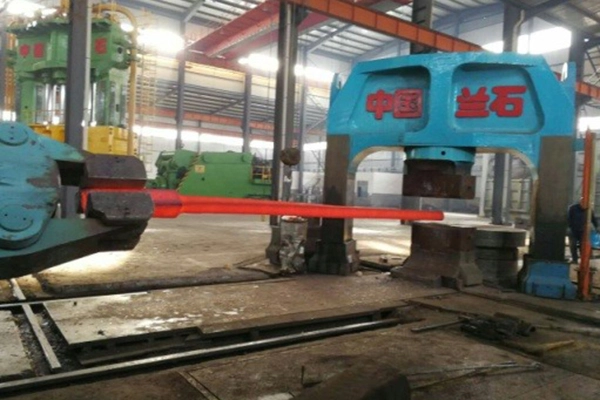
These plates sit in the refractory metals group. Mills flat-roll them from high purity tantalum ingot. Purity on the list ranges from 99.95% to 99.99%. The ingot comes first. Electron beam melting (EBM) or powder metallurgy produces it. Precision rolling and annealing bring it to the finished form.
For this product range the listed standard is ASTM B708. Tantalum used in surgical implants normally gets checked against ASTM F560. If your project calls for it, confirm material availability and documentation with the team before you order.
Chemicals do little to glass and ceramics. Metals give way rather than crack. Tantalum handles both jobs at the same time. Aggressive media depend on it for that reason. You will find it in vacuum heat zones and medical devices as well.
Specifications
| Property | Specification |
|---|---|
| Alloy Composition | Ta >99.9% |
| Size | Thickness 0.5-20mm*width50-1200*Length30-2500mm |
| Type | foil strip shape are all available |
| Density | 16.65 g/cm³ |
| Tensile Strength | 200–300 MPa |
| Melting Point | 3017°C |
| Chemical Resistance | Excellent below 150°C |
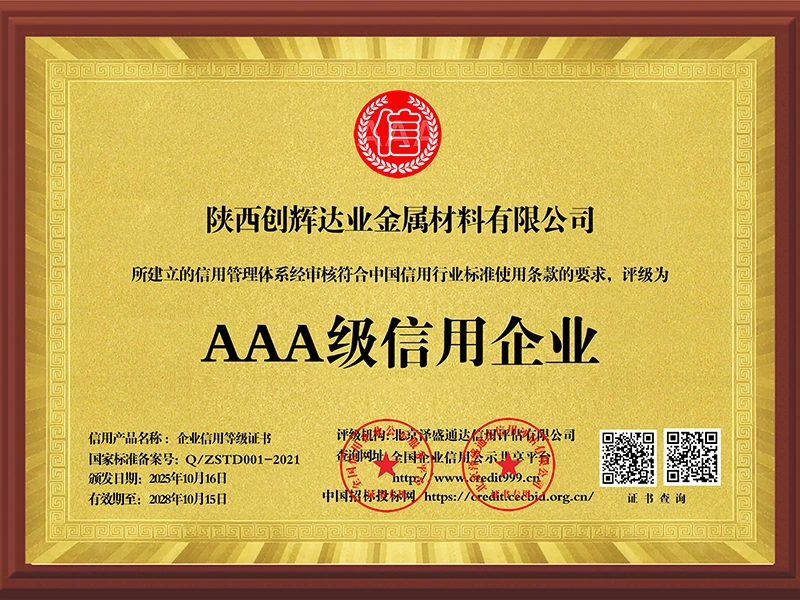
| Certificate | ISO 9001:2015 |
| Condition | Annealed |
| Delivery time | Normal production time |
| Surface | Bright surface |
| Payment terms | 30%TT in advance, 70% balance before shipment |
Only the values above are listed for this product. Tolerances, mechanical properties, chemical composition limits, MOQ and lead time are not specified on this page, so please request them by email before ordering.

Material Properties
On the surface of tantalum, an oxide film (Ta2O5) forms. This layer stays stable. Damage to the film repairs itself. Most acids fail to pass through it. The main exceptions are hydrofluoric acid and fuming sulfuric acid.
- Ductility: Tungsten and molybdenum become brittle. Tantalum stays workable. Even at room temperature, that holds true. Once the anneal is right, you can form it. Deep drawing into complex shapes is the next step.
- Getter behavior: Gases left inside vacuum systems (O, N, H) get soaked up by hot tantalum.
- Heat resistance: It melts at 2,996 °C.
- Surface finish: You can go with a matte finish. Pickled and polished finishes are on offer too. Choose the one that suits your adhesion needs or your cleanliness needs.
Grades and Production Route
The grades on our list are R05200, R05240, R0525 and R05255. R05200 comes first. It is unalloyed tantalum. How strong the part must be narrows the choice. Your forming plan matters too. Where it sits during service counts as well. Send us your drawing. Include the conditions the part will run under. Our team will go through the grade with you and confirm it. We also supply the tantalum plates in custom sizes to suit your drawing.
Electron-beam melted material and powder metallurgy (sintered) material often show different grain structures. Forming work can run differently because of that gap. Which production route do you prefer? Please tell us when you ask for a quote. We also need to know the annealed condition.
Quality Control and Inspection
Quality control covers five checks:
- Chemical composition (GDMS/ICP): This test checks interstitial impurities. Oxygen is one of them. Too much oxygen can cause embrittlement. It can also lead to welding problems.
- Mechanical testing: Tensile strength is checked to ASTM E8. The same standard gives yield strength and elongation. A Vickers hardness (HV) reading shows if annealing was done right.
- Microstructure and grain size: ASTM E112 covers both of these checks. Even grains hold up better, and that means fewer "orange peel" defects show up during deep drawing.
- Ultrasonic testing: Internal laminations turn up with this method. Voids and inclusions do too. Leaks or failure under pressure can start from flaws like these.
- Dimensional and flatness inspection: We measure thickness and width. Flatness gets checked too, all to your requirements.
For some jobs you have to set acceptance limits. Test reports may be needed too. If yours is one of them, state them in your inquiry.
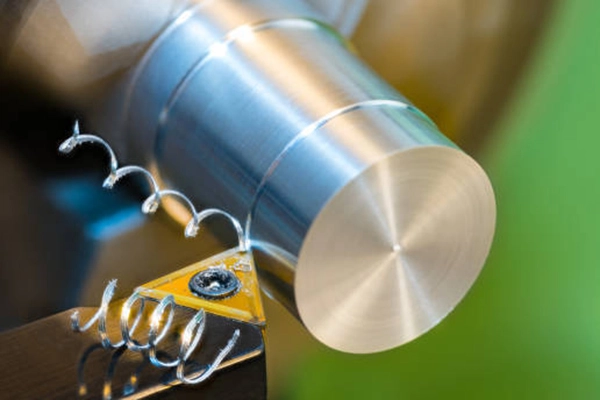
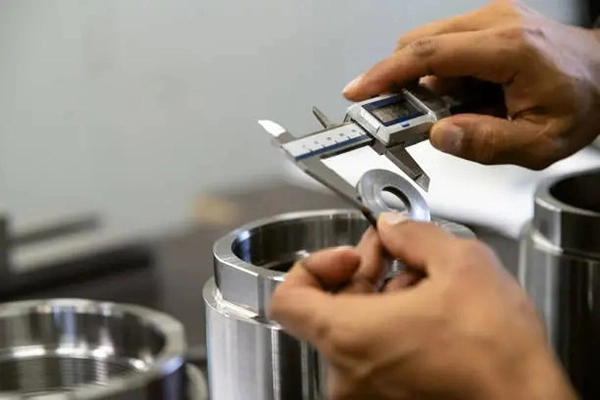
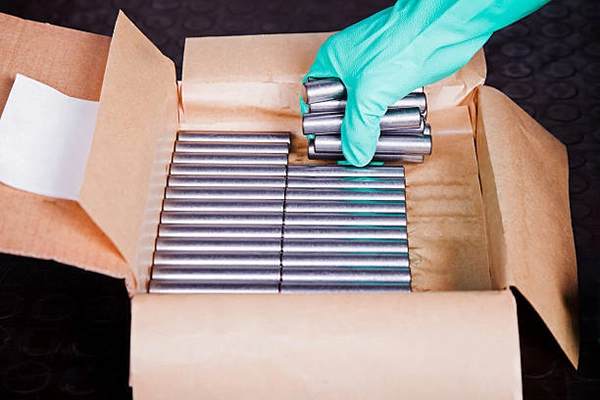
Applications of tantalum plates
Chemical processing equipment: Loose linings are one form this plate takes. Cladding is another. You will see both on pressure vessels, heat exchangers, and bayonet heaters. Hot concentrated hydrochloric acid often shows up in these units. Sulfuric acid comes into play too. Nitric acid does as well. The tantalum layer stops the steel shell from being attacked. As a result, equipment lasts longer.
Semiconductor and electronics: Sputtering targets are one use for these plates. Thin films come from those targets. They also serve as heat shields. Heating elements are another. Both sit inside high-temperature vacuum furnaces. Buyers choose them for vacuum service since they resist heat and stay pure. Outgassing has to stay under control inside those furnaces. This protects the silicon wafers.
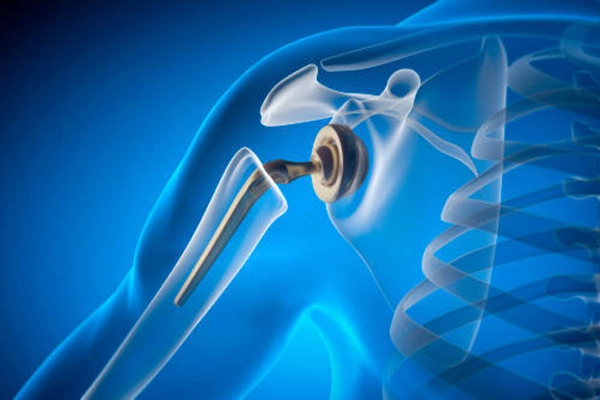
Medical devices: The body does not react to tantalum. Bone tolerates it well too. That matters for craniofacial plates and pacemaker housings. There is no magnetic pull either, so it works in MRI rooms. For medical work, check the part against ASTM F560 and any rules your regulator sets.
Be used in a wide range of industries.
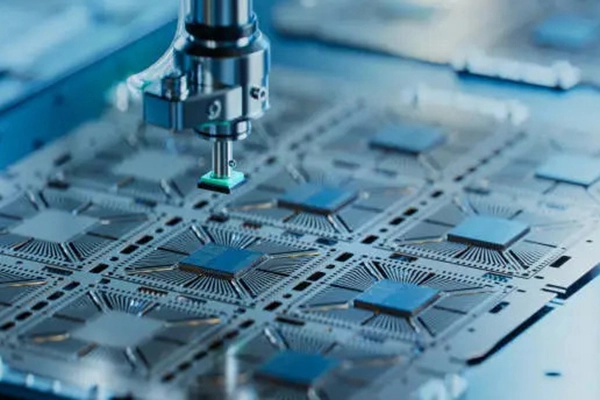
Electronic devices
Medical implants
Steel industry
Chemical Processing

Aerospace and Defense
Energy and Environmental Engineering
Purchasing Checklist
Before ordering tantalum plates, confirm these points:
- Grade and production route (EBM or powder metallurgy)
- Thickness, width and length within the supplied range
- Surface finish and annealed condition
- Oxygen limit and grain size, if the plate will be deep drawn
- Service media, especially any hydrofluoric acid or hot alkali
- Medical documentation requirements, if the plate is for implants
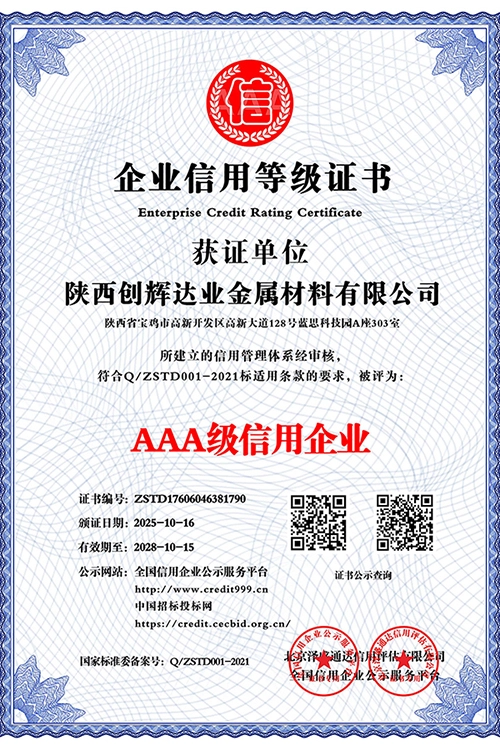
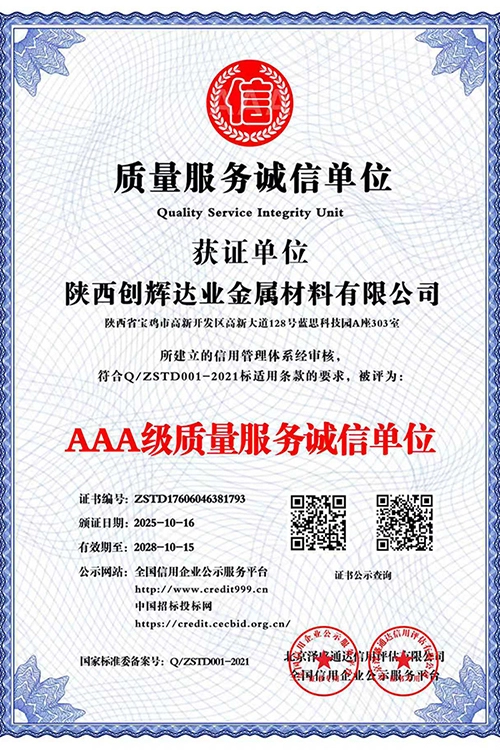
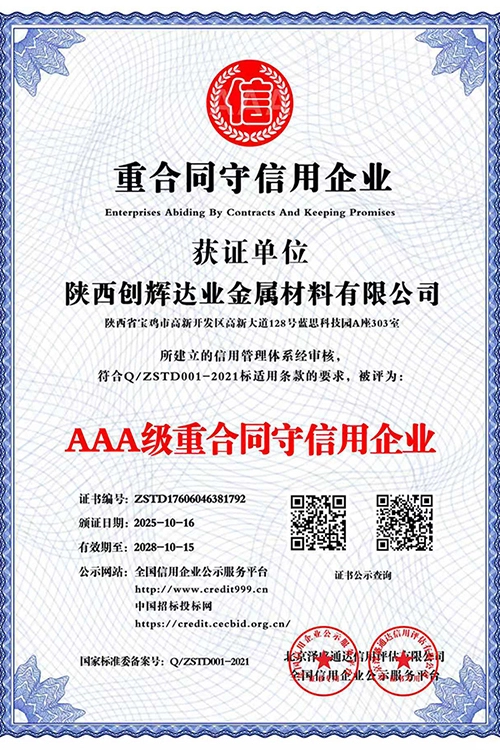
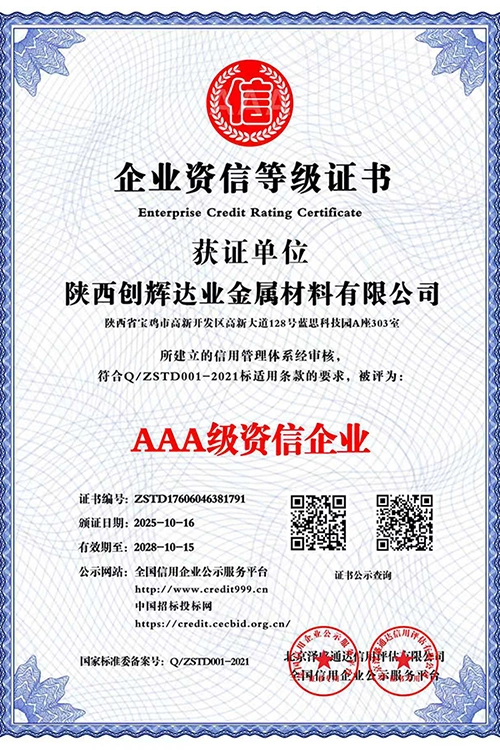
About Shaanxi Chuanghui Daye
Baoji High-tech Development Zone is where the company is based. People there call the place China's "Titanium Capital." Its founder has spent over 30 years working in the rare metal industry. Goods from the firm have reached more than 50 countries and regions. The list takes in the United States, Germany, South Korea and Singapore.
Titanium and niobium sit in the range too. So do tungsten, molybdenum, zirconium and nickel. Other non-ferrous and rare metal alloys round it out. Metallurgy plants order these. Buyers in electronics, medical and special steel do as well. Picking up this product next to the other rare metals from one supplier is practical.
|
Content, Max, Weight % |
||||
|
Element |
R05200 Uanlloyed Tantalum |
R05255 90% Tantalum 10% Tungsten |
R05252 97.5% Tantalum 2.5% Tungsten |
R05240 60% Tantalum 40% Niobium |
|
C |
0.010 |
0.010 |
0.010 |
0.010 |
|
O |
0.015 |
0.015 |
0.015 |
0.020 |
|
N |
0.010 |
0.010 |
0.010 |
0.010 |
|
H |
0.0015 |
0.0015 |
0.0015 |
0.0015 |
|
Fe |
0.010 |
0.010 |
0.010 |
0.010 |
|
Mo |
0.020 |
0.020 |
0.020 |
0.020 |
|
Nb |
0.100 |
0.100 |
0.50 |
35.0~42.0 |
|
Ni |
0.010 |
0.010 |
0.010 |
0.010 |
|
Si |
0.005 |
0.005 |
0.005 |
0.005 |
|
Ti |
0.010 |
0.010 |
0.010 |
0.010 |
|
W |
0.05 |
9.1~11.0 |
2.0~3.5 |
0.050 |
|
Ta |
Remainder |
Remainder |
Remainder |
Remainder |
 |
 |
 |
 |
 |
 |
 |
 |
|
|
|


 |
 |
 |
 |
 |
 |
 |
 |
 |
 |
FAQ
Q: What should tantalum be kept away from?
A: Stay clear of hydrofluoric acid (HF). Fuming sulfuric acid (oleum) is another to skip. Strong hot alkaline solutions fall in the same group. The oxide layer that protects the metal gets eaten by fluoride ions.
Q: Can tantalum be welded to steel?
A: Most shops skip fusion welding when tantalum goes straight onto steel. Brittle intermetallic compounds grow at the joint. Later cracks come from that layer. Explosive bonding gets around the problem. Loose-lining is the other route.
Q: How hot does tantalum have to get before it oxidizes in air?
A: Once tantalum goes above roughly 300 °C (572 °F), it begins to take in oxygen. The oxidation is visible. Past that point, run the work under vacuum. Or use a high-purity inert gas.
Q: How does the annealing state affect the plate?
A: Nearly every plate we ship gets fully annealed. Ductility is at its best in that state. Go with as-rolled or unannealed plate instead, and you end up with a much harder material. Cracking during forming also turns up more often.
Q: What sizes and shapes can you order?
A: Thickness runs from 0.5 mm up to 20 mm. Width coverage is 50 mm to 1200 mm. For lengths, we go 30 mm to 2500 mm. Plate, foil and strip all appear in ASTM B708. Your size outside those numbers? Ask the team, and they will tell you if it can be supplied.
Contact Us
Send your required grade, size and quantity for tantalum plates to info@chdymetal.com. Include your drawing and service conditions if available, and the team will reply with a quote.

Learn about our latest products and discounts through SMS or email