- English
- French
- German
- Portuguese
- Spanish
- Russian
- Japanese
- Korean
- Arabic
- Greek
- German
- Turkish
- Italian
- Danish
- Romanian
- Indonesian
- Czech
- Afrikaans
- Swedish
- Polish
- Basque
- Catalan
- Esperanto
- Hindi
- Lao
- Albanian
- Amharic
- Armenian
- Azerbaijani
- Belarusian
- Bengali
- Bosnian
- Bulgarian
- Cebuano
- Chichewa
- Corsican
- Croatian
- Dutch
- Estonian
- Filipino
- Finnish
- Frisian
- Galician
- Georgian
- Gujarati
- Haitian
- Hausa
- Hawaiian
- Hebrew
- Hmong
- Hungarian
- Icelandic
- Igbo
- Javanese
- Kannada
- Kazakh
- Khmer
- Kurdish
- Kyrgyz
- Latin
- Latvian
- Lithuanian
- Luxembou..
- Macedonian
- Malagasy
- Malay
- Malayalam
- Maltese
- Maori
- Marathi
- Mongolian
- Burmese
- Nepali
- Norwegian
- Pashto
- Persian
- Punjabi
- Serbian
- Sesotho
- Sinhala
- Slovak
- Slovenian
- Somali
- Samoan
- Scots Gaelic
- Shona
- Sindhi
- Sundanese
- Swahili
- Tajik
- Tamil
- Telugu
- Thai
- Ukrainian
- Urdu
- Uzbek
- Vietnamese
- Welsh
- Xhosa
- Yiddish
- Yoruba
- Zulu
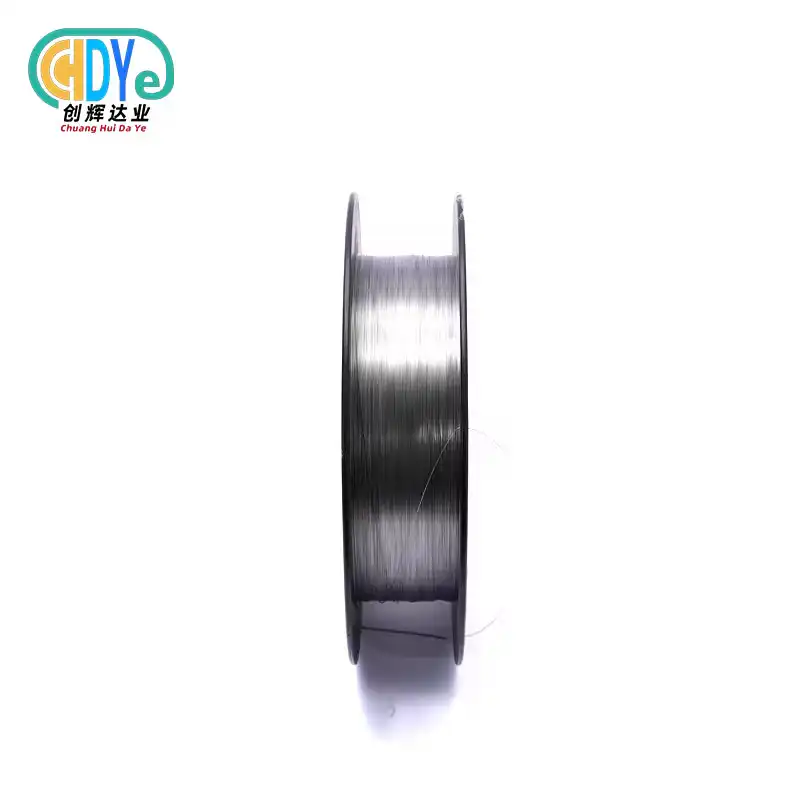
Platinum Coated Titanium Anode
. MMO coated anode has long working life.For the important, the substrate could be reused.
Platinum Coated Titanium Anode for Chrome Plating, ICCP and Water Electrolysis
Shaanxi Chuanghui Daye Metal Material Co., Ltd. supplies titanium anodes for plating, ICCP and electrolysis. The Platinum Coated Titanium Anode sits on an ASTM B265 Grade 1 or Grade 2 titanium substrate. Its pure platinum layer runs from 0.5 µm to 10 µm as standard. Higher grades go up to 20 µm. In electrolytes between pH 0.1 and 12 the anode performs well. Current densities reach 75–100 A/dm², though the electrolyte decides the exact figure. This anode never dissolves, so it adds no contamination to the bath. Once the coating wears out, a sound titanium substrate can be recoated.
What Is Anode?
This product also goes by the name platinized titanium anode. It belongs to the Dimensionally Stable Anode (DSA) family. A thin layer of pure platinum rests on a titanium base. Catalytic activity and chemical inertness come from the platinum. Light weight and strength come from the titanium. The anode combines both.
Over time graphite anodes erode. The electrode gap shifts, and voltage and efficiency can drift as a result. With a titanium substrate the electrode geometry stays constant. No contamination enters the bath either, since the anode is insoluble. High-purity work depends on this, pharmaceutical and semiconductor manufacturing among them.
An electrode made of solid platinum will cost you more. This coated version puts platinum on the surface only. That conductive platinum layer also helps keep the titanium surface from passivating.
Specifications
|
Substrate:pure titanium Gr1 |
coating: Pt |
|
Current density: ≤1000 A/m² |
Coating thickness ≥0.2μm |
|
Coating thickness:0.2-5μm |
Oxygen evolutionpotential1.68 v relative to calomel electrode? |
The specification data does not give dimensions or shape. Weight, mesh details, certifications, MOQ and lead time are missing too. Send us your requirements. We will confirm all of this before we quote.


Key Properties and Performance Notes
The body is titanium, and that gives the anode a high strength-to-weight ratio. Resistance stays low because of the platinum. Acidic baths are what this anode is built for, sulfuric or chromic acid for example, provided you stay inside the pH range listed above.
Coating thickness is what decides the service life. A thicker coat usually means it keeps working longer. Standard builds run from 0.5 µm to 10 µm. Up to 20 µm is available too.
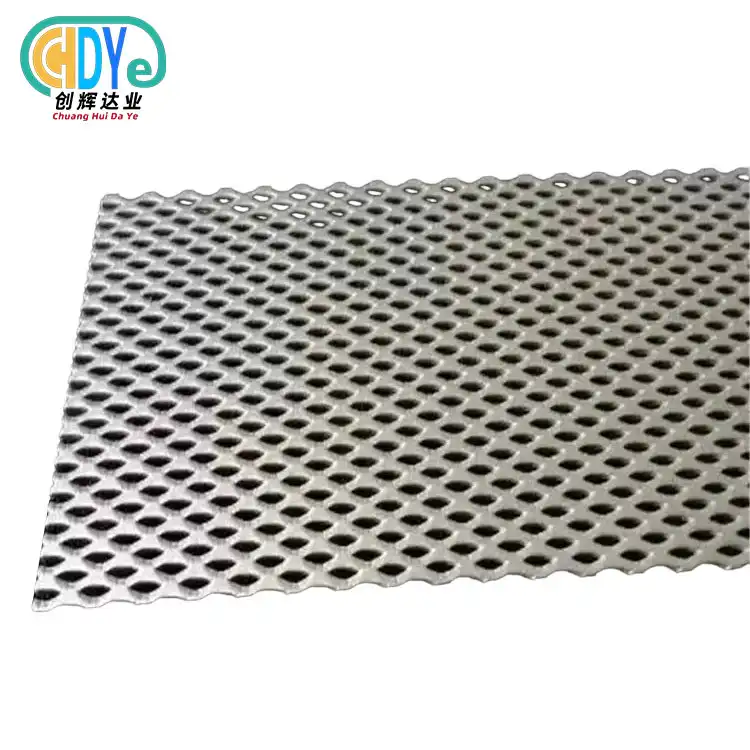
One version uses a mesh on an expanded titanium substrate. Specific surface area goes up. Bubbles of gas also escape more easily. Cell voltage can drop because of that, and gas masking goes down. It costs less than solid platinum in oxygen evolution reactions (OER).
Where This Anode Is Used
Chrome plating and precious metal recovery. Parts keep their size, so current spreads evenly across them. Coating thickness then stays the same from one run to the next. It makes no difference if the part is a piece of jewelry or aerospace landing gear. Baths can get fouled by lead-based anodes. A platinum coating on an insoluble anode removes that contamination source. High-purity deposition works with it too.
Impressed Current Cathodic Protection (ICCP). Steel in soil or in seawater needs protection, and the Platinum Coated Titanium Anode does that job as an auxiliary anode. Marine engineering projects rely on it. So does oil and gas pipeline work. Offshore conditions fit it well, because the anode resists chloride. One rule still applies: operation must stay inside the voltage limit given below.
Water ionizers and hydrogen production. Functional water electrolyzers use platinum-coated titanium electrodes. Those same electrodes sit inside hydrogen-rich water cups. Water electrolysis speeds up thanks to that platinum layer. Hydrogen is released by the reaction.
Platinum vs. MMO Anodes
Both of them are DSAs. Working life is long on MMO (mixed metal oxide) coated anodes. The substrate can be used again. MMO usually costs less as well.
Conductivity is higher on the platinum type. It also bends more easily. Chrome plating is one common use, and cathodic protection is another. Catalytic reactions such as persulfate production rely on it too.
Be used in a wide range of industries.

Seawater electrolysis

Marine aquaculture

Chlor-alkali industry

Cathodic protection

Electroplating industry

Non-ferrous metal electrolytic extraction
Service Life and Recoating
How long the coating lasts comes down to two things: current density and coating thickness. Put on more coating and it lasts longer. Raise the current density and the life gets shorter. A common estimate is Expected Life = (Coating Thickness × Consumption Rate Constant) / Current Density. That consumption rate constant shifts with the electrolyte and with the operating conditions, so we go through both with you before suggesting a thickness.
When cell voltage jumps sharply, the coating has usually reached the end of its life. Recoating takes a few steps. Strip off the old coating first. Then sandblast and pickle the titanium, and replate it. Through all of this the substrate has to stay structurally sound.
Platinum Coated Titanium Anode Operating Limits to Check Before You Order
- Fluoride ions: Avoid them. They can attack the titanium through micropores in the platinum layer and cause passivation. Niobium or tantalum anodes are better suited to these baths.
- Voltage: Operation is usually under 12 V, ripple voltage included. Above the breakdown limit of the titanium oxide film, the substrate can pit and the platinum can flake off.
- pH: Keep the electrolyte between pH 0.1 and 12.
Send us the electrolyte you use, the current density, and the size of the part. From there we can recommend a coating thickness that matches the life you need.
Customization and Supply
We can customize the Platinum Coated Titanium Anode to your size, coating thickness and substrate form. Please include these details with your inquiry.
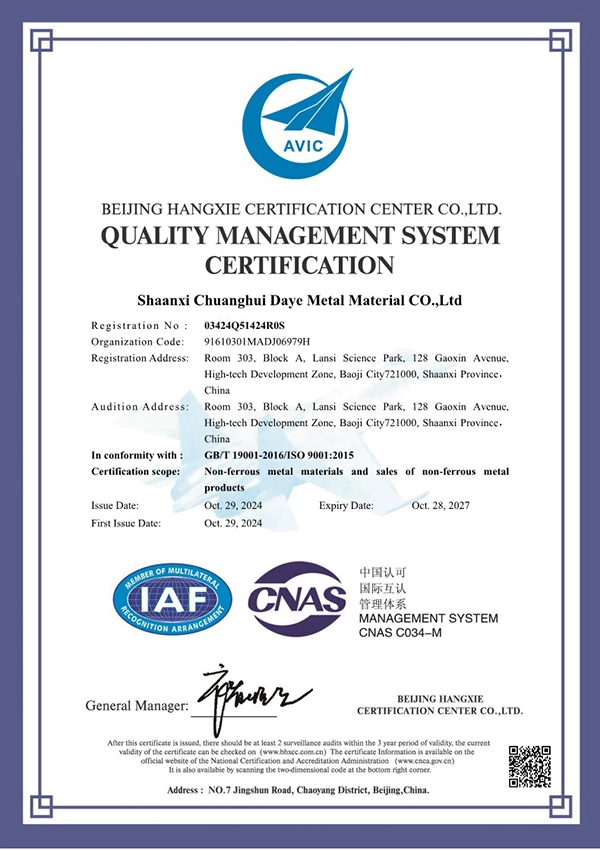
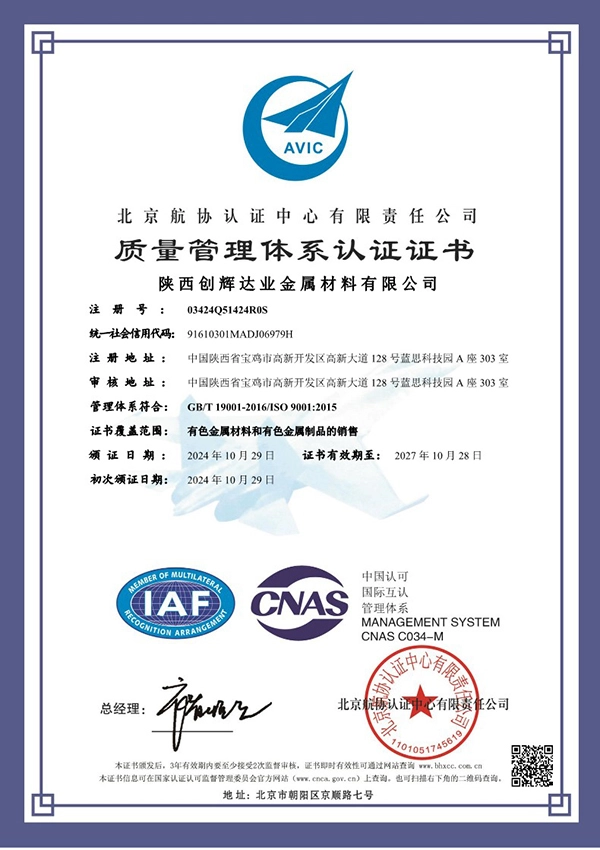
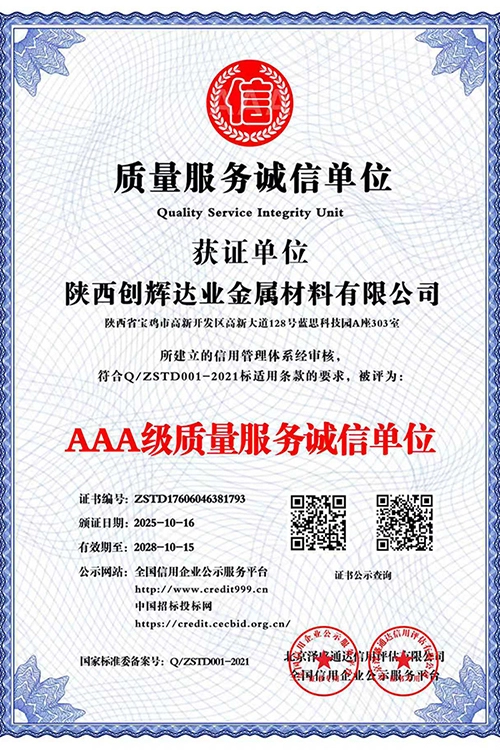
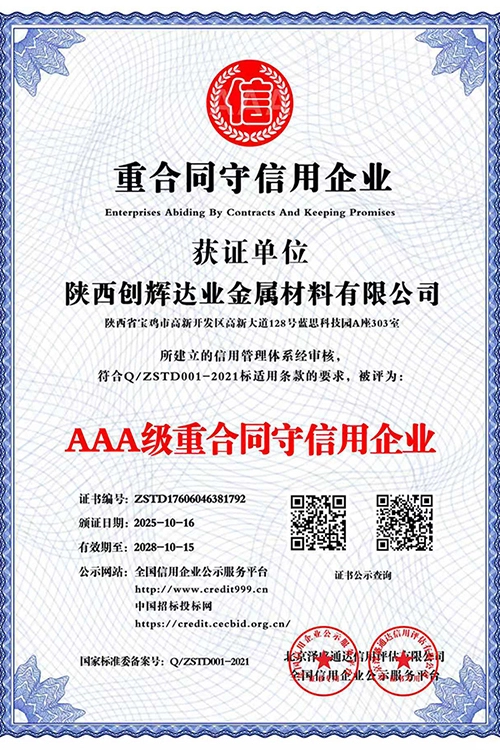
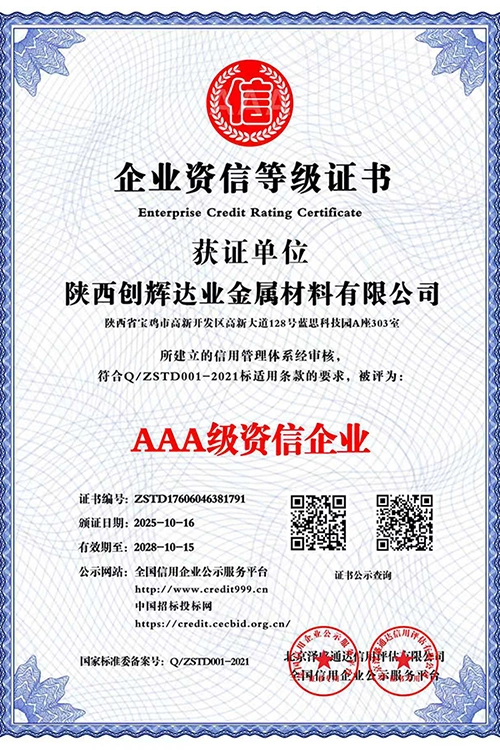
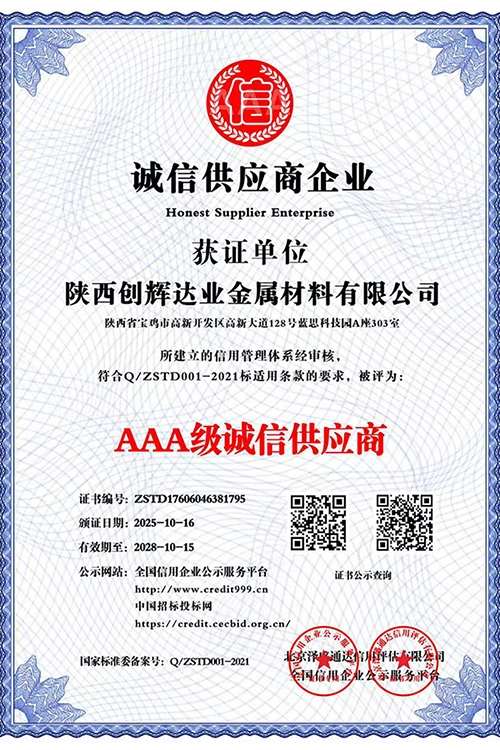
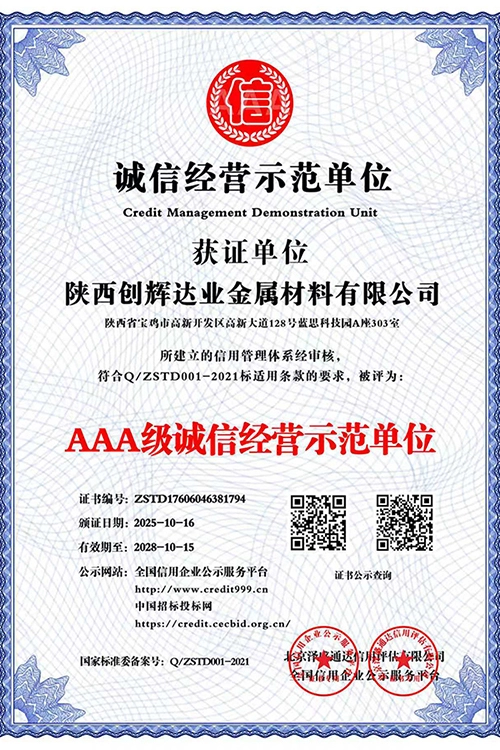
Shaanxi Chuanghui Daye Metal Material Co., Ltd. is based in Baoji High-tech Development Zone, Shaanxi, in the city known as China's "Titanium Capital." The founder has over 30 years of experience in the rare metal industry. The company also supplies titanium, tantalum, niobium, tungsten, molybdenum, zirconium and nickel products for metallurgy, electronics, medical and special steel fields.
Products have been shipped to more than 50 countries, including the United States, Germany, South Korea and Singapore.




|
|
|


 |
 |
 |
 |
 |
 |
 |
 |
 |
 |
 |
|
|
|
|
|
 |
 |
 |
 |


 |
 |
 |
 |
 |
 |
FAQ
Q: Can it handle electrolytes with fluoride ions in them?
A: Usually not. Fluoride gets into the micropores of the coating and starts eating the titanium, then passivation sets in. Niobium or tantalum anodes are the better pick.
Q: How does it differ from an MMO anode?
A: Both of them are DSAs. Higher conductivity and better ductility come with the platinum type. Chrome plating, cathodic protection and persulfate production all suit it. MMO usually costs less.
Q: How do I estimate the lifespan?
A: Two things decide how long it lasts: current density and coating thickness. Push the current density up and the lifespan falls. You will find the estimate formula in the Service Life and Recoating section.
Q: Once This product goes inactive, can it be recoated?
A: Yes. If the titanium base is sound, it works fine. Strip off the old coating first. Sandblast it after that. Then pickle it and replate the titanium.
Q: What limits the maximum voltage?
A: The breakdown voltage of the titanium oxide film sets the limit. Normal operation stays under 12 V. Go above that, ripple included, and the titanium can pit. The platinum can flake too.
Q: What coating thickness should I pick?
A: Most layers run from 0.5 µm to 10 µm. Some go up to 20 µm. A thicker layer often lasts longer. Share your operating conditions with us. We will suggest a thickness.
Contact Us
Send your size, coating thickness, substrate form and electrolyte details to info@chdymetal.com for a quote on your Platinum Coated Titanium Anode.
Learn about our latest products and discounts through SMS or email