- English
- French
- German
- Portuguese
- Spanish
- Russian
- Japanese
- Korean
- Arabic
- Greek
- German
- Turkish
- Italian
- Danish
- Romanian
- Indonesian
- Czech
- Afrikaans
- Swedish
- Polish
- Basque
- Catalan
- Esperanto
- Hindi
- Lao
- Albanian
- Amharic
- Armenian
- Azerbaijani
- Belarusian
- Bengali
- Bosnian
- Bulgarian
- Cebuano
- Chichewa
- Corsican
- Croatian
- Dutch
- Estonian
- Filipino
- Finnish
- Frisian
- Galician
- Georgian
- Gujarati
- Haitian
- Hausa
- Hawaiian
- Hebrew
- Hmong
- Hungarian
- Icelandic
- Igbo
- Javanese
- Kannada
- Kazakh
- Khmer
- Kurdish
- Kyrgyz
- Latin
- Latvian
- Lithuanian
- Luxembou..
- Macedonian
- Malagasy
- Malay
- Malayalam
- Maltese
- Maori
- Marathi
- Mongolian
- Burmese
- Nepali
- Norwegian
- Pashto
- Persian
- Punjabi
- Serbian
- Sesotho
- Sinhala
- Slovak
- Slovenian
- Somali
- Samoan
- Scots Gaelic
- Shona
- Sindhi
- Sundanese
- Swahili
- Tajik
- Tamil
- Telugu
- Thai
- Ukrainian
- Urdu
- Uzbek
- Vietnamese
- Welsh
- Xhosa
- Yiddish
- Yoruba
- Zulu
grade 4 titanium plate
2. Thickness 0.5-50mm
3. Density 4.51 g/cm³
4. Tensile strength 550 MPa
5. High corrosion resistance
6. Medical and industrial use
7. Excellent weldability
Grade 4 Titanium Plate for Chemical, Marine and Machined Parts
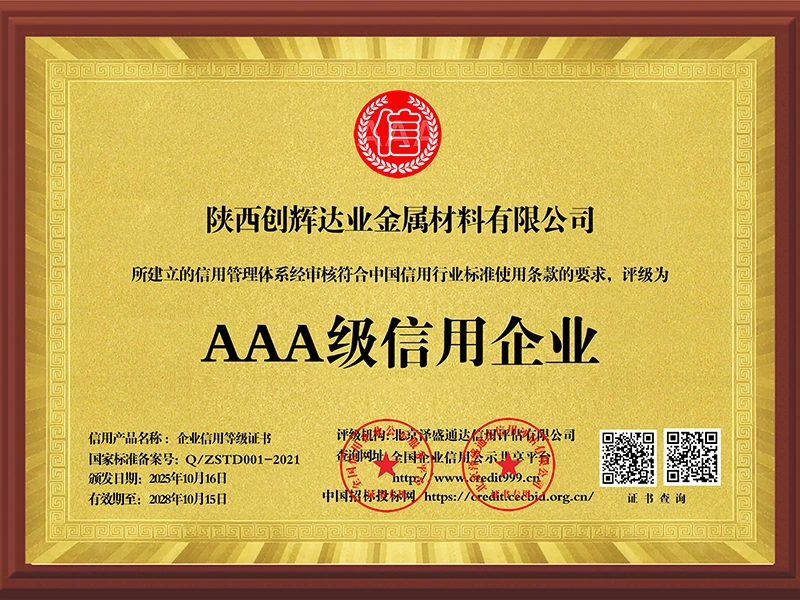
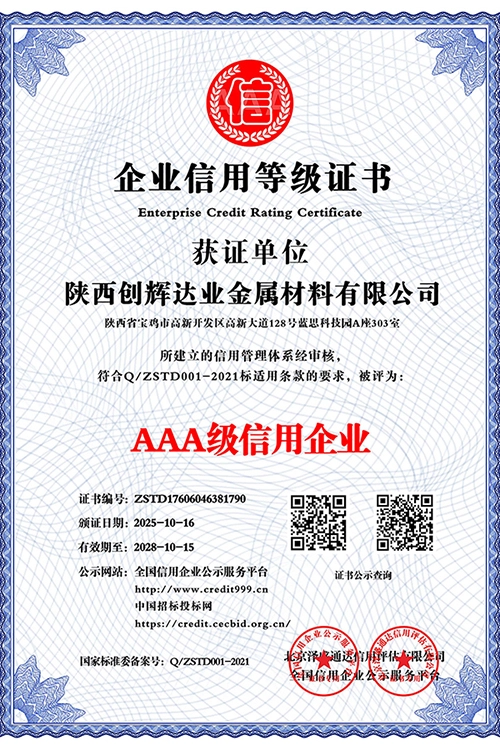
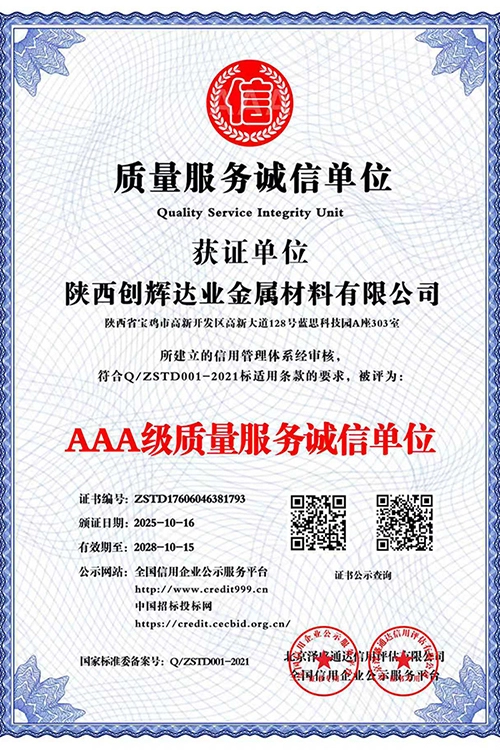
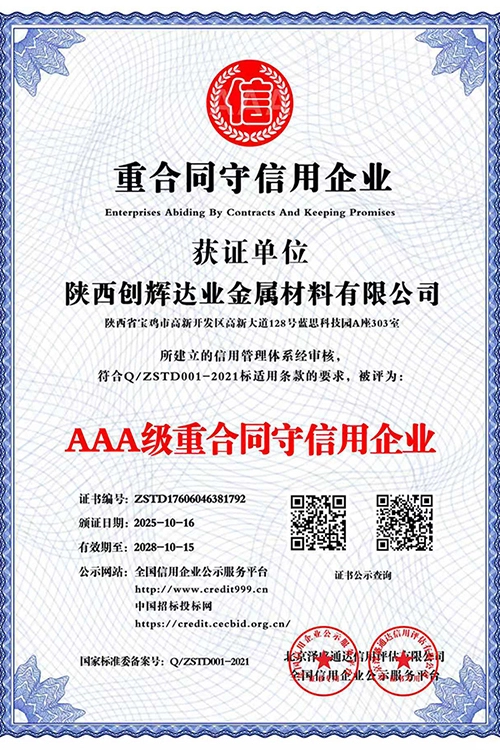
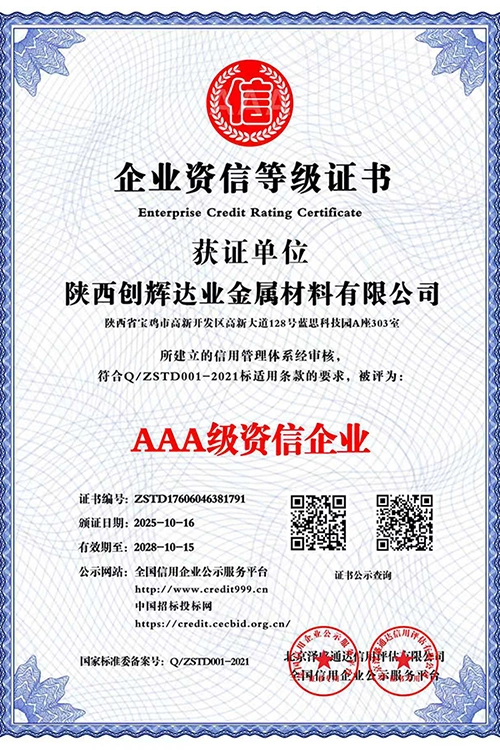
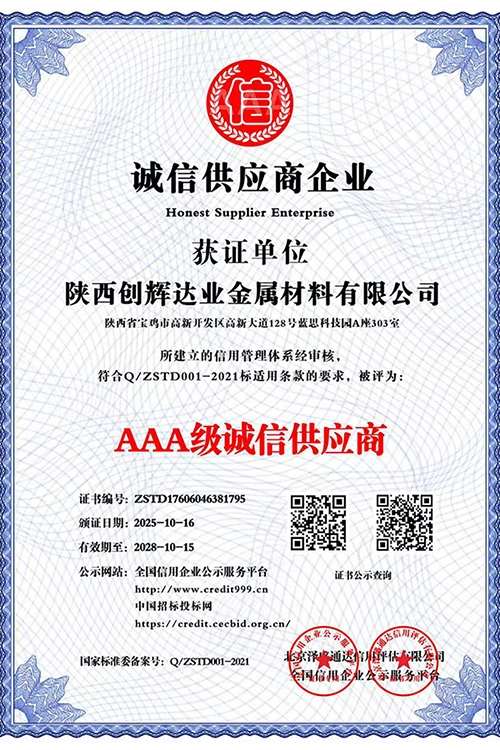
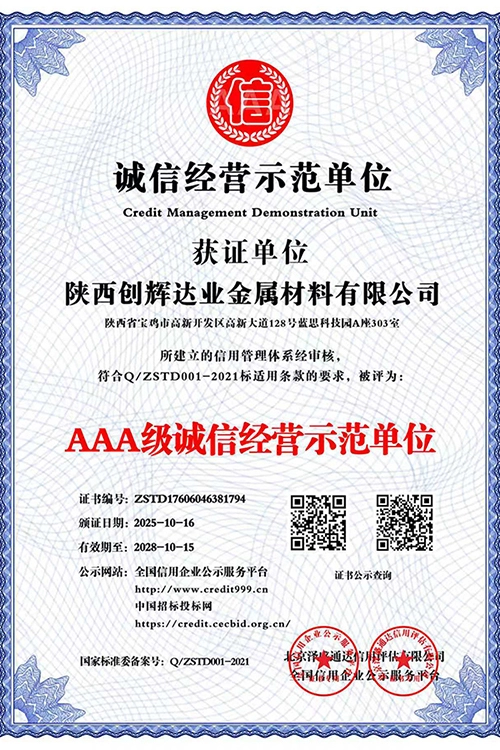
The company behind grade 4 titanium plate is Shaanxi Chuanghui Daye Metal Material Co., Ltd. (CHDY). Its plant sits in Baoji High-tech Development Zone. Chemical processing operations buy from them. So do marine yards and shops that machine parts. Of all the unalloyed commercially pure titanium grades, grade 4 is the strongest. Density runs about 4.51 g/cm³. No aluminum or vanadium goes into the mix. Thickness, dimensions and surface condition are set by the customer. Material documentation gets a check before any quotation leaves the building. Rare metal work has been the founder's trade for more than 30 years. Titanium and other metal products from the firm now reach more than 50 countries and regions.
Grade 4 Compared with Grades 1 to 3
Under UNS, grade 4 is listed as R50700. ASTM B265 and AMS 4901 are among the standards it is measured against. Oxygen runs up to 0.40% and iron up to 0.50%. Grades 1, 2 and 3 all sit lower on both. Grade 2, for its part, holds about 0.25% oxygen.
Compare it with Grade 2 and you get more strength, less ductility. Forming it takes more planning. That strength does not come from added aluminum or vanadium. So Grade 4 lands between ductile Grade 2 and the Ti-6Al-4V alloy.
Specifications
|
Grade |
Ti |
Chemical composition (%) |
||||||
|
Impurity(%) Max |
Residual elements |
|||||||
|
Fe |
C |
N |
H |
O |
Single |
Total |
||
|
Gr1 |
Bal |
0.20 |
0.08 |
0.03 |
0.015 |
0.18 |
0.10 |
0.40 |
|
Gr2 |
Bal |
0.30 |
0.08 |
0.03 |
0.015 |
0.25 |
0.10 |
0.40 |
|
Gr3 |
Bal |
0.30 |
0.08 |
0.05 |
0.015 |
0.35 |
0.10 |
0.40 |
|
Gr4 |
Bal |
0.50 |
0.08 |
0.05 |
0.015 |
0.40 |
0.10 |
0.40 |
Values not listed above are not stated on this page. Please confirm them in your quotation and material documents.
Main Features of Grade 4 Plate
Higher Strength
Sometimes Grade 2 just does not carry enough strength for a part. This product is then worth a look, as long as lower ductility works for you. Weigh the strength you need. Ductility comes next. Forming needs count too, and so do service conditions. Run all of that against your design.
Corrosion Resistance
A thin oxide film forms on titanium. That film protects the metal underneath. Many harsh environments give it no problem at all. If the job involves chemical processing, though, run a compatibility test using the chemicals you really work with. Test at your own concentrations. Test at your own operating temperatures too.
Be used in a wide range of industries.

Marine engineering

Medical implants

Medical Equipment

Chemical Processing

Aerospace and Defense

Energy and Environmental Engineering
Lightweight and Non-Magnetic
How much a part weighs can decide a design question. Titanium weighs less than plenty of the metals engineers pick up every day. Anywhere weight matters, that gap pays off. Grade 4 is paramagnetic too, so a magnet will not grab it. If a design has to stay non-magnetic, this grade may be a good fit.
Marine Use
Seawater service is a common home for titanium. Chlorides are tough on most metals. The oxide film on titanium, however, gets through many of them. Does a part suit the job? That comes down to the design and the temperature. Crevice conditions count. So does the actual medium. Check it in your own engineering review.
Machining, Welding and Forming Guidance
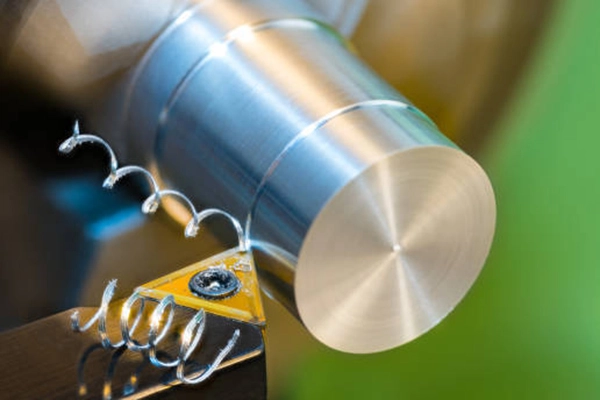
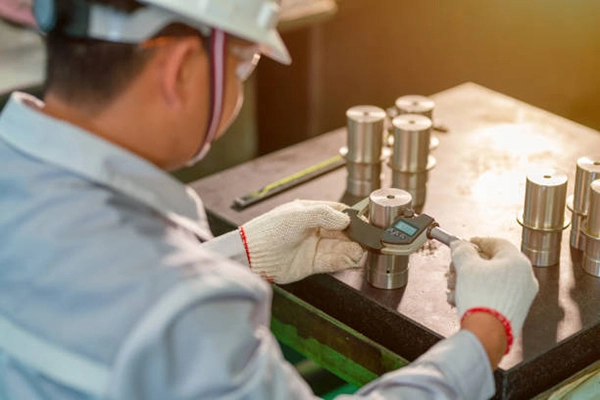
Machining: Titanium galls. It work-hardens too. Grade 4 titanium plate calls for sharp tooling. Keep the speeds in check, and give it plenty of coolant.
Welding: Start with clean surfaces. Argon or helium works as a shielding gas. Either one keeps contamination and embrittlement out. Your welding engineer should define the welding procedure.
Forming: A bend radius of 3t to 4t is what most shops work with. Grade 2 bends more easily than Grade 4. Where the geometry is critical, do a few trial bends first.
Heat treatment: Parts typically arrive in the annealed condition. A stress-relief range of 480–595 °C appears in the specifications. Has your part had heavy machining or welding? Then check whether it needs this step.
Applications of grade 4 titanium plate
- Chemical processing equipment: supports, machined plates and fabricated parts. Each one needs strength plus resistance to corrosion.
- Marine equipment: seawater is hard on parts, so some of them get picked for that reason. A grade either works or it does not. What decides it is the design and the conditions the part runs in.
- Industrial fabrication:Platee works as a raw material. You can cut it and machine it into parts for equipment. Tell us the tolerances and the surface finish your process needs.
- Precision machined plates: use flat stock when a round bar will not suit the part.
- Medical-related designs: these projects need an unalloyed grade. The buyer must check that it suits the use and meets any regulatory rules.
- Research and development: material testing happens here. Engineering studies on commercially pure titanium are also part of this work.
Purchasing Checklist for Buyers
Send these details so CHDY can review your requirement before quotation:
- Thickness, width and length
- Dimensional tolerances
- Surface condition
- Required material documents
- Service medium and operating temperature
- Planned cutting, welding or forming method
Supply and Customization
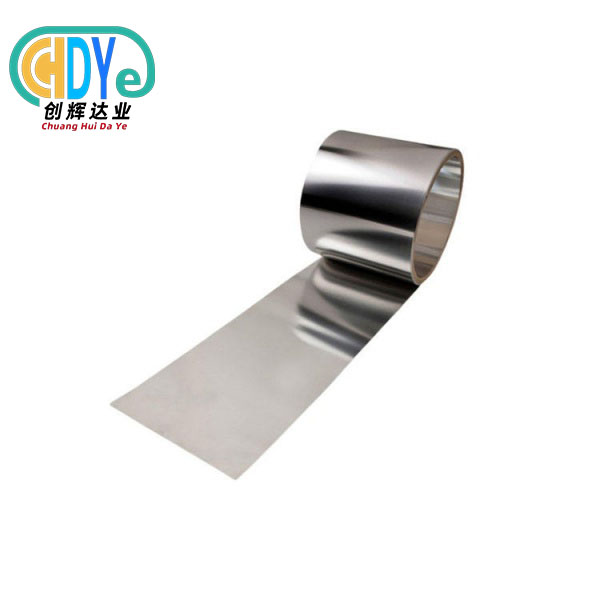
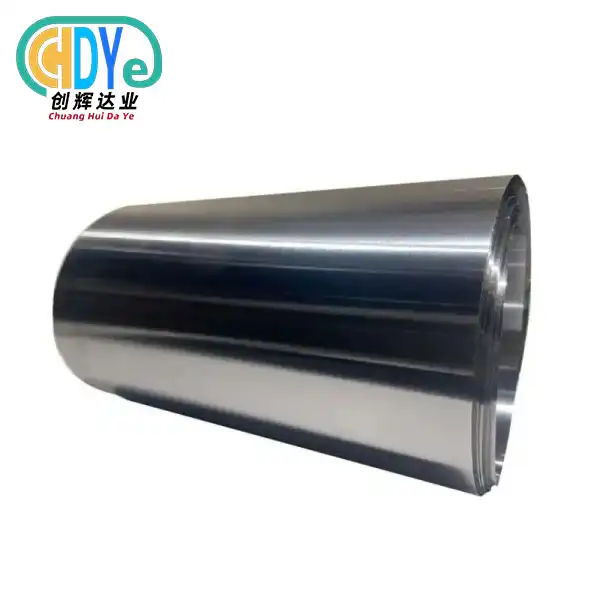
CHDY supplies grade 4 titanium plate and sheet to customer requirements. Before quotation, thickness and dimensions get checked. Surface condition and material documentation are reviewed too. That lets you confirm the details before placing an order.

|
Material |
Condition |
Thickness mm |
Mechanical Property |
||
|
Tensile strength Rm/Mpa |
Yield strength Rp0.2/Mpa |
Elongation A% |
|||
|
Gr1 |
M |
<25 |
Min 240 |
Min 170 Max 310 |
Min 24 |
|
Gr2 |
M |
<25 |
Min 345 |
Min 275 Max 450 |
Min 20 |
|
Gr3 |
M |
<25 |
Min 450 |
Min 380 Max 550 |
Min 18 |
|
Gr4 |
M |
<25 |
Min 550 |
Min 438 Max 660 |
Min 15 |
 |
 |
 |
 |
 |
 |
 |
 |
|
|
|
|
|
 |
 |
 |
 |


 |
 |
 |
 |
 |
 |
FAQ
Q: What sets Grade 4 apart from Grade 2?
A: The oxygen limit is higher on Grade 4, up to 0.40% against roughly 0.25% for Grade 2. More strength comes out of that, and less ductility.
Q: Is Grade 4 difficult to machine?
A: Titanium can gall. It can work-harden too. Sharp tools are what most shops use, along with speeds they keep under control and enough coolant.
Q: Can Grade 4 be welded?
A: Yes. The surfaces have to stay clean. Use an inert gas to shield the weld. Argon or helium, for instance, works. Have your welding engineer look over the procedure first.
Q: Does it need heat treatment?
A: Most of the time it ships in the annealed condition. If you need stress relief, the range shown on the list is 480–595 °C. Your part may need that step, so ask us first.
Q: Can it be used in seawater?
A: Titanium gets used a lot in marine work. Fitting your job is another question. The design, the temperature, and the conditions all decide it. Check all three before you pick.
Q: What should I send for a quotation?
A: Go through the purchasing checklist above and send what it asks for. Thickness matters a lot. Dimensions and surface condition count as well. Paperwork is part of it too.
Contact Us
Email your thickness to info@chdymetal.com. Also send the grade 4 titanium plate width and length. Add the surface requirement and service conditions. CHDY can then review the details before quotation.
Learn about our latest products and discounts through SMS or email