- English
- French
- German
- Portuguese
- Spanish
- Russian
- Japanese
- Korean
- Arabic
- Greek
- German
- Turkish
- Italian
- Danish
- Romanian
- Indonesian
- Czech
- Afrikaans
- Swedish
- Polish
- Basque
- Catalan
- Esperanto
- Hindi
- Lao
- Albanian
- Amharic
- Armenian
- Azerbaijani
- Belarusian
- Bengali
- Bosnian
- Bulgarian
- Cebuano
- Chichewa
- Corsican
- Croatian
- Dutch
- Estonian
- Filipino
- Finnish
- Frisian
- Galician
- Georgian
- Gujarati
- Haitian
- Hausa
- Hawaiian
- Hebrew
- Hmong
- Hungarian
- Icelandic
- Igbo
- Javanese
- Kannada
- Kazakh
- Khmer
- Kurdish
- Kyrgyz
- Latin
- Latvian
- Lithuanian
- Luxembou..
- Macedonian
- Malagasy
- Malay
- Malayalam
- Maltese
- Maori
- Marathi
- Mongolian
- Burmese
- Nepali
- Norwegian
- Pashto
- Persian
- Punjabi
- Serbian
- Sesotho
- Sinhala
- Slovak
- Slovenian
- Somali
- Samoan
- Scots Gaelic
- Shona
- Sindhi
- Sundanese
- Swahili
- Tajik
- Tamil
- Telugu
- Thai
- Ukrainian
- Urdu
- Uzbek
- Vietnamese
- Welsh
- Xhosa
- Yiddish
- Yoruba
- Zulu
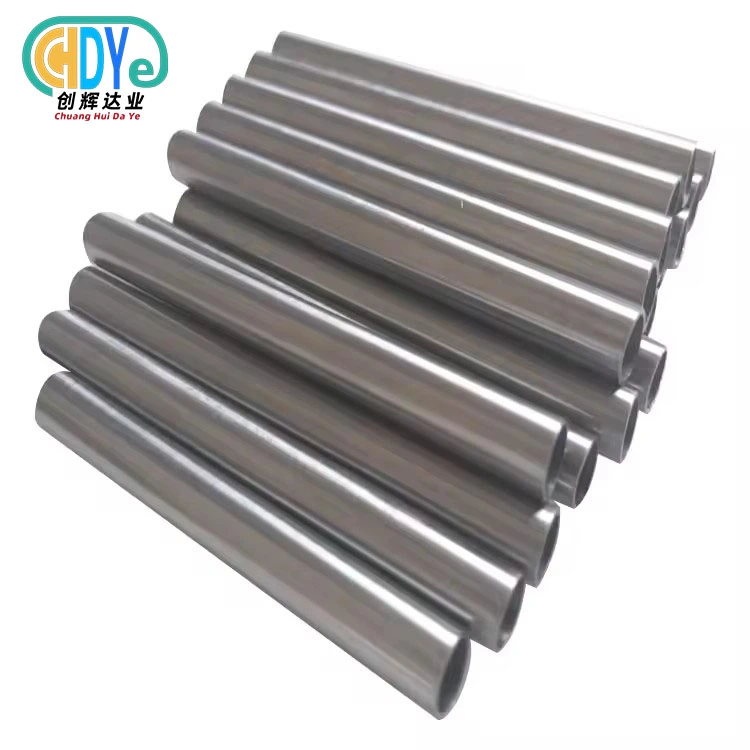
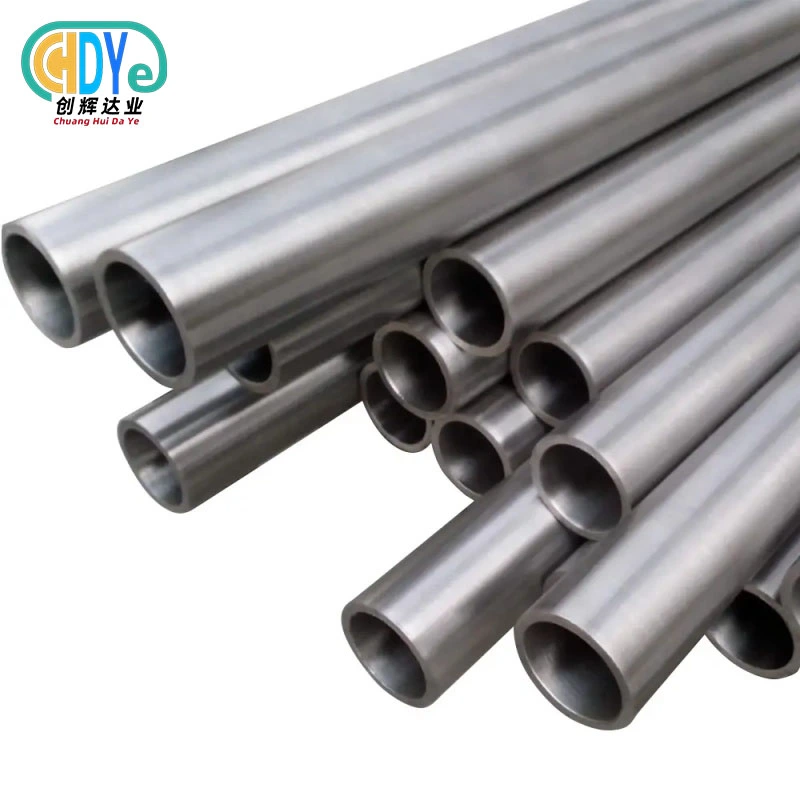
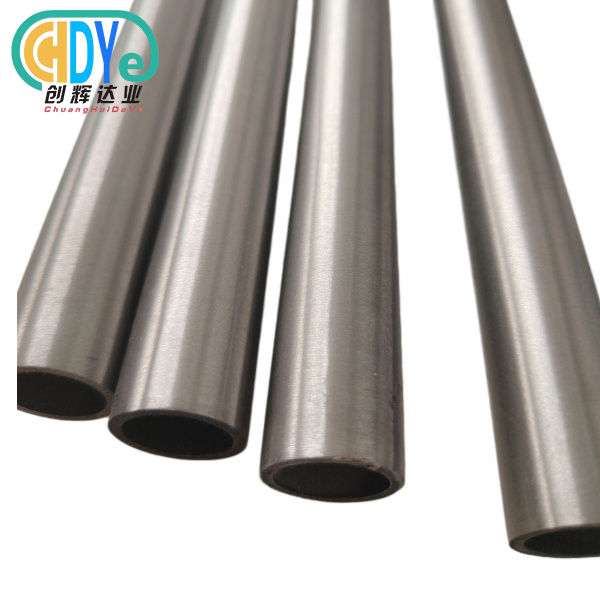
Titanium Tube For Heat Exchanger
2.Standard:ASTM B337 338
3.Size: Customized
Titanium Tube For Heat Exchanger – ASTM B337/B338 for Corrosion-Resistant Heat Transfer
Shaanxi Chuanghui Daye Metal Material Co., Ltd. works out of Baoji, China. The plant sits there. From that site, Titanium Tube For Heat Exchanger ships to buyers in many countries. ASTM B337 and B338 are the standards production follows. Gr1, Gr2, Gr3, Gr4, Gr7, Gr9 and Gr12 make up the grade list. The team also cuts tubes to whatever size a customer asks for. Density of titanium comes to 4.51 g/cm³. The metal also grows an oxide film, and that film repairs itself. Seawater cannot hurt it. Nor can media that carry chloride. That film is why. The company's founder brings more than 30 years in the rare metal industry. Products go to over 50 countries.
What Is a Titanium Heat Exchanger Tube?
One main job is why shell-and-tube heat exchangers need the tube. Surface condensers count on it too. Evaporators do the same. It keeps hot fluid away from cold fluid. Most tubes are made of commercially pure titanium. The usual pick is ASTM B338 Gr1 or Gr2. An alloy grade such as Gr7 is another way to go.
Oxygen meets titanium and a stable TiO2 film forms. That film clings tight to the surface. Scratch it and the film grows back, as long as oxygen is still around. Seawater and brine would cause pitting and crevice corrosion. This passive layer blocks most of it.
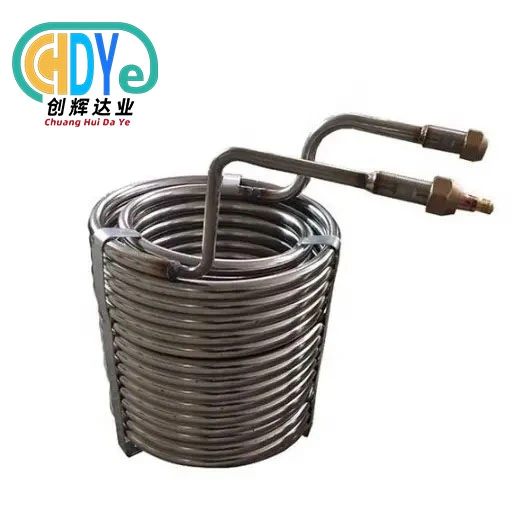
These tubes also go into U-tube bundles. Shell-and-tube units make use of them too. For the shell itself, solid titanium is one option. Carbon steel works as well. Titanium-lined explosive-bonded material does the job too. Heat moves from one fluid across to the other. The two never mix.
Specifications
|
Permissible deviation of outer diameter of titanium tube(mm) |
||||||
|
Outer Diameter |
3~10 |
>10~30 |
>30~50 |
>50~80 |
>80~100 |
>100 |
|
Permissible deviation |
±0.15 |
±0.30 |
±0.50 |
±0.65 |
±0.75 |
±0.85 |
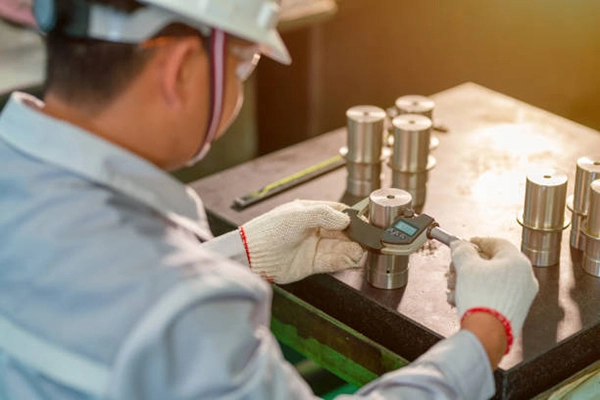
A few details did not come through in the data you sent. Outside diameter is one of them. Length and tolerances are the others. Send your requirements by email. We will confirm everything before you place the order.
Key Properties for Heat Transfer
For a light part, titanium gives you plenty of strength. Density comes in at 4.51 g/cm³. Put it on the scales next to steel and you land at about 60%.
Copper moves heat better than this alloy does. Strength is what you get back. Thin walls turn into a real option. Most of them sit between 0.5 mm and 0.7 mm. Usually no corrosion allowance gets added. Heat has less distance to cross when the wall is thin. Get the design right and heat transfer comes close to Cu-Ni alloys.
The oxide layer does not move. Scale finds nothing to settle on. Corrosion products have no grip on the surface. Both stay lower, so the overall heat transfer coefficient (U value) usually holds steadier over time. In real plants, water quality still decides fouling. Flow velocity plays a part too. So does cleaning practice.
Problems It Helps Address
Plain tubes give out fast in seawater. Brine streams attack them the same way. So does acid. Built for heat exchanger duty, a titanium tube, Titanium Tube For Heat Exchanger, gets past several common failure points because of the metal itself.
- Chloride stress corrosion cracking: Warm water that carries chloride can crack 304 and 316L. Austenitic stainless steels, both of those grades are. In normal seawater, though, titanium stands up well to chloride attack.
- Erosion-corrosion: Copper-nickel alloys wear away when seawater moves fast. A higher flow is something titanium copes with. Design limits still apply to titanium, so keep them in mind.
- Service life: Tubes made of Cu-Ni or stainless steel pit and pick up crevice corrosion. In seawater that means they give out sooner. Pick titanium and the tubes usually last for years, with very little upkeep along the way.
- Thermal fatigue: In a U-tube design the bundle expands and contracts freely. The shell does not hold it in place at all. Wide temperature gaps between the hot and cold fluids? This layout copes with them without trouble.
- Downtime and replacement cost: Shutdowns and re-tubing in wet chlorine and nitric acid service can go down with titanium. Concentration and temperature decide how much you gain.
Grade Selection Guide
- Gr1: Highest ductility. A good choice for cold forming and deep drawing.
- Gr2: Plenty of buyers choose this grade for standard heat exchanger tubing. Yield strength comes in at 275 MPa minimum. Forming it is easy too.
- Gr7: This grade is for heat exchanger tubes. Tougher service conditions are a good fit.
- Gr3, Gr4, Gr9, Gr12: Need one of these? Just ask us. Send the team your operating conditions. They will point you to the right grade.
Typical Applications
- Seawater and brackish water cooling systems
- Power plant surface condensers with high fluid velocity
- Brine heat exchangers
- Acidic chemical processing, including wet chlorine and nitric acid
- Evaporators
- U-tube bundles with high temperature differentials
Be used in a wide range of industries.

Marine engineering
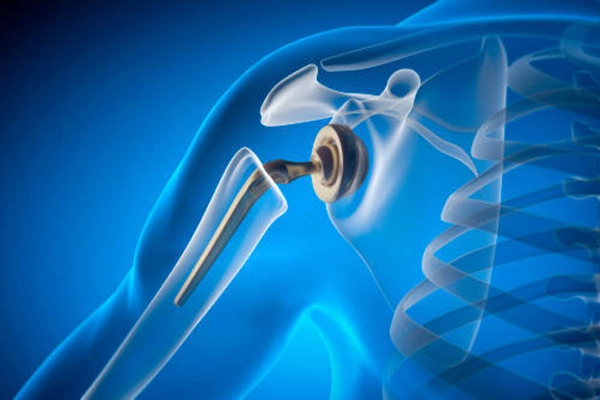
Medical implants

Medical Equipment
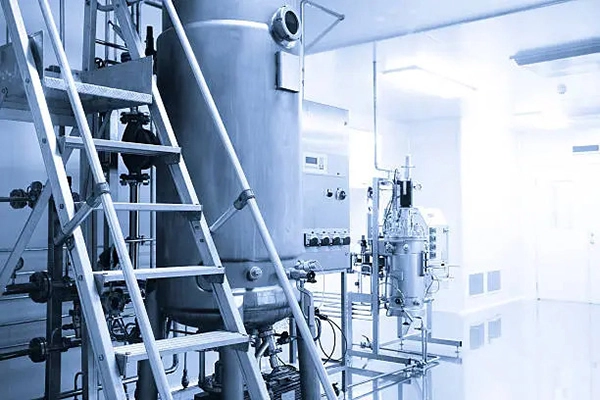
Chemical Processing

Aerospace and Defense

Energy and Environmental Engineering
Titanium Tube For Heat Exchanger Customization and Supply
Each size is produced to order. Want a price quote for a heat exchanger tube order? Send the outside diameter and the wall thickness. Let us know the length. Put the quantity in your message. The grade you need should be noted too. Another option: describe the medium, temperature, and flow velocity. Our team can recommend one.
Tubes from us ship to ASTM B337 and B338. On shell-and-tube and U-tube work, the bundle layout is where we start. Every tube is cut and sized to suit that drawing. When you send the inquiry, add a note on how you want the tubes packed.
Why Buy from Chuanghui Daye
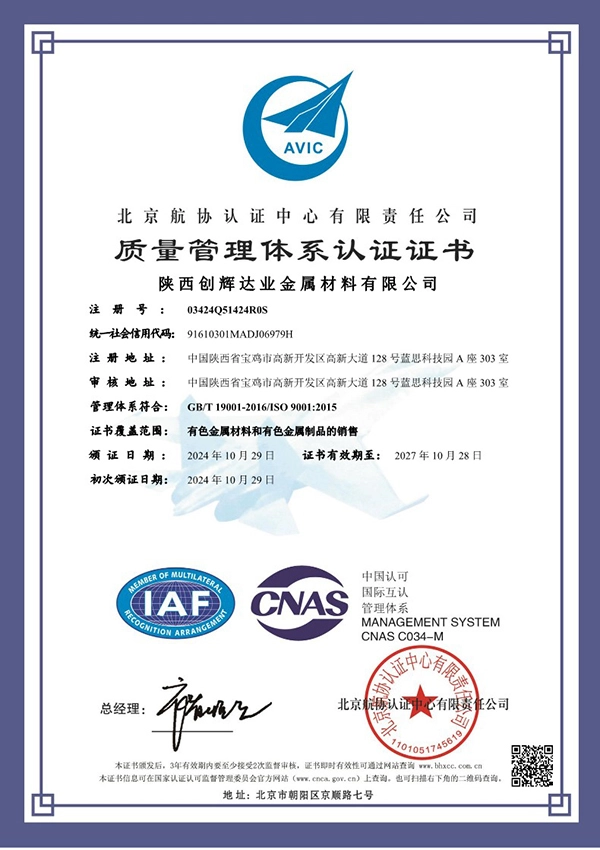
Shaanxi Province is where the firm has its base, in the Baoji High-tech Development Zone. All over China, people know Baoji as the "Titanium Capital." Behind the company stands a founder with more than 30 years in the rare metal industry.
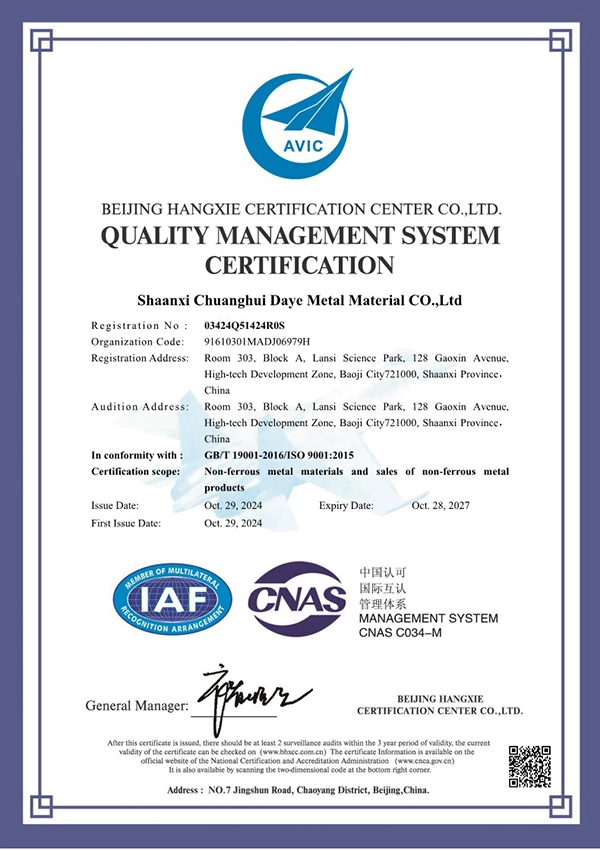
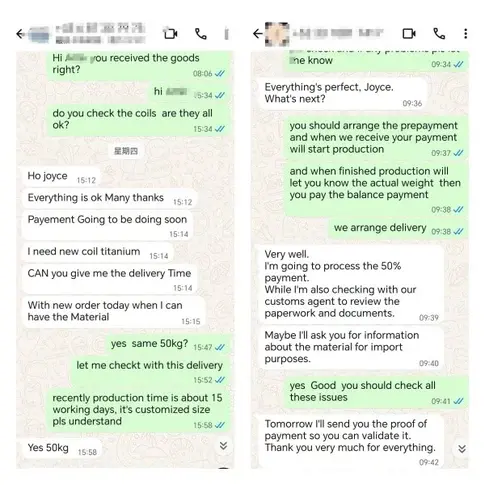
Titanium, tantalum, niobium, tungsten, molybdenum, zirconium and nickel all fall inside our range. Other non-ferrous and rare metal alloys are covered as well, and Titanium Tube For Heat Exchanger is one of them. Metallurgy is one field they go into. Electronics takes them too. Medical work uses them, and so does special steel. Need more than one material? Put them all on a single inquiry. Buyers in over 50 countries get supplied.



| Parameter | Specification |
|---|---|
| Material Grades | Gr1, Gr2, Gr7, Gr9, Gr12 (as per ASTM B338/B861) |
| Standards | ASTM B338 / ASME SB338 / ISO 9001 / DIN 17861 |
| Outer Diameter | 6 mm – 76 mm |
| Wall Thickness | 0.4 mm – 3.0 mm |
| Tube Length | ≤ 12000 mm or customized |
| Condition | Annealed (O), Cold Worked, Pickled, Bright Finished |
| Surface Finish | Bright, Polished, Acid Cleaned, Smooth Inside |
| Straightness | ≤ 1.0 mm/m |
| Heat Transfer Coefficient | Up to 16.5 W/m·K (depending on medium) |
| Certification | EN 10204 3.1 / SGS / ISO 9001:2015 |
 |
 |
 |
 |
 |
 |
 |
 |
| Grade | Tensile Strength (MPa) | Yield Strength (MPa) | Elongation (%) | Hardness (HB) |
|---|---|---|---|---|
| Gr1 | ≥ 240 | ≥ 170 | ≥ 24 | ≤ 80 |
| Gr2 | ≥ 345 | ≥ 275 | ≥ 20 | ≤ 100 |
| Gr7 | ≥ 340 | ≥ 275 | ≥ 20 | ≤ 110 |
| Gr12 | ≥ 485 | ≥ 380 | ≥ 18 | ≤ 130 |
 |
 |
 |
|
|
|
|
|
 |
 |
 |
 |


 |
 |
 |
 |
 |
 |
FAQ
Q: What job does a titanium tube do inside a heat exchanger?
A: Its shape is a tube. Gr1, Gr2 or Gr7 is what most of them are made from. Through it, heat moves from a hot fluid to a cold one. Shell-and-tube exchangers rely on it. Condensers use it as well. So do evaporators.
Q: What grades and standards can you supply?
A: Gr1, Gr2, Gr3 and Gr4 are on the list. So are Gr7, Gr9 and Gr12. Two ASTM standards cover this tubing. One of them is B337. B338 is the other.
Q: Can I order custom sizes?
A: Yes. Send your diameter and wall thickness by email. Length and quantity should go in too. From there the team confirms what can be supplied.
Q: Copper moves heat better than titanium does. So why pick titanium?
A: This material works at thin walls. A 0.5 mm–0.7 mm wall holds up fine and no corrosion allowance is needed. Less thickness also means a shorter heat path. In a well-designed unit, overall performance can then get close to Cu-Ni alloys.
Q: Can it handle fast seawater flow?
A: Erosion-corrosion is a known weak spot in copper-nickel alloys. Titanium tolerates faster flow than those alloys can. Your design velocity still needs a check against the exchanger setup.
Q: How long will it last?
A: Four things decide how long a tube lasts: the medium, the temperature, the flow speed, and the design. For seawater and high-chloride duty, titanium is often the pick. Those conditions tend to corrode copper-nickel tubes. Stainless steel tubes act the same way. Send us your operating data. We will review it for your project.
Contact Us
Send your grade, size, quantity and operating conditions for Titanium Tube For Heat Exchanger to info@chdymetal.com. Our team will reply with grade advice and a quote for your project.
Learn about our latest products and discounts through SMS or email