- English
- French
- German
- Portuguese
- Spanish
- Russian
- Japanese
- Korean
- Arabic
- Greek
- German
- Turkish
- Italian
- Danish
- Romanian
- Indonesian
- Czech
- Afrikaans
- Swedish
- Polish
- Basque
- Catalan
- Esperanto
- Hindi
- Lao
- Albanian
- Amharic
- Armenian
- Azerbaijani
- Belarusian
- Bengali
- Bosnian
- Bulgarian
- Cebuano
- Chichewa
- Corsican
- Croatian
- Dutch
- Estonian
- Filipino
- Finnish
- Frisian
- Galician
- Georgian
- Gujarati
- Haitian
- Hausa
- Hawaiian
- Hebrew
- Hmong
- Hungarian
- Icelandic
- Igbo
- Javanese
- Kannada
- Kazakh
- Khmer
- Kurdish
- Kyrgyz
- Latin
- Latvian
- Lithuanian
- Luxembou..
- Macedonian
- Malagasy
- Malay
- Malayalam
- Maltese
- Maori
- Marathi
- Mongolian
- Burmese
- Nepali
- Norwegian
- Pashto
- Persian
- Punjabi
- Serbian
- Sesotho
- Sinhala
- Slovak
- Slovenian
- Somali
- Samoan
- Scots Gaelic
- Shona
- Sindhi
- Sundanese
- Swahili
- Tajik
- Tamil
- Telugu
- Thai
- Ukrainian
- Urdu
- Uzbek
- Vietnamese
- Welsh
- Xhosa
- Yiddish
- Yoruba
- Zulu
titanium wire for anodizing
2. Diameter 0.2-7mm
3. Excellent corrosion resistance
4. Suitable for anodizing
5. Lightweight and strong
6. Chemical and industrial use
Titanium Wire for Anodizing: Grade 1 and Grade 2, 0.2–7 mm
Baoji is where Shaanxi Chuanghui Daye Metal Material Co., Ltd. is based. The company supplies commercially pure Grade 1 and Grade 2 titanium wire for anodizing. Diameters start at 0.2 mm and go up to 7 mm. In acid anodizing baths, this wire serves as racking, jigging and hanging material for aluminum and titanium parts. It is light. Strength is good. Corrosion gives it little trouble. Spring temper helps parts stay gripped while the bath is agitated. You can get two finishes: pickled or bright polished. For steady contact and a long service life, choose reusable jigs made from this wire over aluminum racks you throw away.
What the Wire Does in the Bath
An anodizing line uses this product to hold parts in the electrochemical bath. The material is commercially pure (CP) Grade 1 or Grade 2 titanium.
When the cycle starts, a thin, stable titanium oxide layer forms on the wire. Current does not pass through that layer well. The rack draws little current, so nearly all of it reaches the aluminum workload. This gives a more even coating. Energy also goes further.
Conductivity remains at the contact points. Clipping a part onto the wire breaks the oxide layer at that spot.
Specifications
|
Grade |
Gr1, Gr2, Gr4, Gr5, Gr23 |
|
Standard |
GB/T13810-2017、ASTM F67、ASTM F136 |
|
Diameter(mm) |
0.2~7.0mm |
|
size |
straight wire, in coil, in spool |
|
Condition |
Annealed (M) |
|
Surface treatment |
Bright surface, pickling |
Some details are missing from the specification data we provide. Length and coil weight are not listed. Neither are packaging, mechanical values, minimum order quantity, lead time or certification. Send us an email to confirm them before you order.
Material Behavior in the Bath
Corrosion resistance. Neither sulfuric nor chromic acid electrolytes go after titanium. So no wire metal ends up dissolved in the bath. A consumable aluminum rack is a different story, since it does dissolve into the bath.
Spring temper. Hard drawing is what gives the wire its elasticity. Spring back then produces the clamping force that grips a part during agitation. Tight contact also keeps arcing and burn marks away.
Conductivity. Titanium sits at roughly 3% IACS. Aluminum and copper both beat it by a wide margin. Pick a diameter that matches your current. Go too thin for the amperage and the wire will run hot.
Surface. It melts at 1,668 °C. Residual lubricants can end up in your bath chemistry. A pickled surface, or a bright polished one, helps keep them out.
Applications
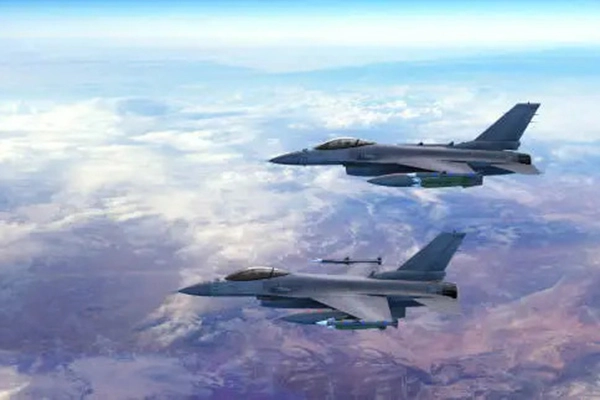
Aerospace and defense. During Type II and Type III (hard coat) anodizing, the wire holds aluminum parts. Shapes that are hard to rack can be supported with small diameters. Hard coating uses low-temperature sulfuric acid baths, and titanium stands up to them.
Titanium part color anodizing. Titanium parts, implants among them, hang from the wire while anodizing runs at a set voltage. The wire, titanium wire for anodizing, is titanium too. That way the part never meets a different metal. Color of the oxide layer comes from the voltage you set.
Automated aluminum finishing lines. Some jobs run in very high volume, consumer electronics for example, and there wire jigs can carry parts through a continuous loop. Titanium jigs differ from aluminum racks in one key way. No stripping is needed after each cycle. Handling time in caustic stripping tanks drops as a result.
Quality Control
Positive Material Identification (PMI). XRF testing pins down the grade, Gr1 or Gr2 in most cases. It also verifies that iron and oxygen stay inside ASTM limits.
Tensile strength and yield strength tests. They confirm the spring temper. The wire has to flex and grip parts tight. It must not take a permanent set.
Surface inspection. People look over the wire by eye. A microscope gives a closer view. Drawing oils and carbon residue get checked for. Fissures and laps also get checked. Oil left on the wire can lead to blooming. It can also make anodizing patches fail on the workpiece.
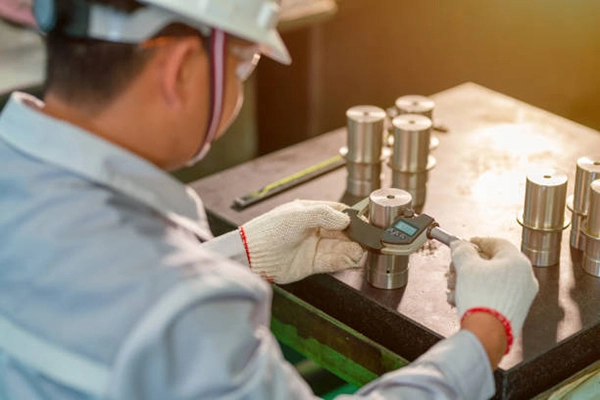
Dimensional checks. Laser micrometers check that the diameter stays even. The usual tolerances are h8/h9. This lets the wire fit standard jigging fixtures.
titanium wire for anodizing vs. Aluminum Racks
Aluminum racks do not last. The caustic stripping step between runs eats away at them. That means downtime, wasted material, and dirty bath. This product is a fixture you can use again and again.
Up front, titanium costs you more. What you get back is a rack that never needs replacing after a stripping cycle. Service life comes down to your process and to the way you treat the rack. Mechanical damage will cut it short.
Where a jig needs a firmer spring back, Grade 2 is the usual pick. Grade 1 carries fewer alloying elements. It is softer too.
Be used in a wide range of industries.

Metallurgy and Special Steel

Electronics and Semiconductors
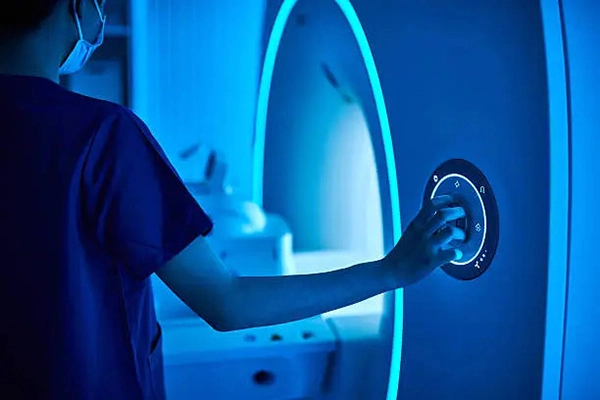
Medical Equipment
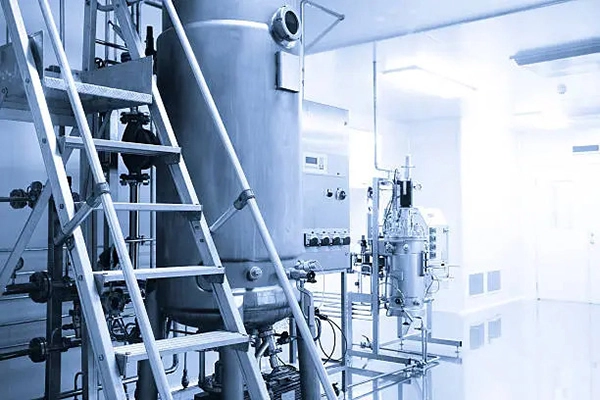
Chemical Processing
Aerospace and Defense

Energy and Environmental Engineering
Supply from Baoji
Shaanxi Chuanghui Daye is based in Baoji High-tech Development Zone. People call that area China's "Titanium Capital". The founder has more than 30 years in the rare metal business. Products have shipped to over 50 countries and regions. The United States, Germany, South Korea and Singapore are on that list.
Tantalum, niobium, tungsten, molybdenum, zirconium and nickel products are made here as well. So are other rare metal alloys. Buyers in metallurgy, electronics, medical and special steel use them.
Need a quote? Send your grade, diameter, finish and quantity by email. Then we can review what you need for titanium wire for anodizing.

| Property | Value | Unit |
|---|---|---|
| Diameter Range | 0.1 - 5.0 | mm |
| Tensile Strength | 240-550 | MPa |
| Density | 4.51 | g/cm³ |
| Melting Point | 1668 | °C |
| Electrical Resistivity | 42 | µΩ·cm |
| Thermal Conductivity | 17 | W/m·K |
| Elastic Modulus | 114 | GPa |
| Elongation | 15-24 | % |
 |
 |
 |
 |
 |
 |
 |
 |
 |
 |
 |
|
|
|
|
|
 |
 |
 |
 |


 |
 |
 |
 |
 |
 |
 |
 |
FAQ
Q: Why does the wire get hot during use?
A: Titanium holds a fairly high electrical resistance. Too small a diameter for the amperage lets heat build up. Use a thicker gauge instead. You can also add more contact points, which spreads the load out.
Q: Do the oxide layers need to be stripped off between runs?
A: Most of the time, no. Clip a new part onto the wire and the thin layer usually breaks, which brings contact back. For critical work, refresh the contact points with your own approved cleaning procedure and safety rules.
Q: For anodizing jigs, which grade works better, Grade 1 or Grade 2?
A: Most shops go with Grade 2. Grade 1 is the purer one, and it is softer. Grade 2 has higher tensile strength and springs back better. That spring back is what holds steady pressure on the part.
Q: Aluminum racking versus titanium wire, how do they hold up over time?
A: The reason aluminum racks break down is that they get stripped after every run. Titanium wire, on the other hand, can be used again. How long it lasts comes down to your process and to keeping it free of mechanical damage.
Q: Is there a risk of the wire burning aluminum parts?
A: Burning starts with bad contact, which means arcing, or with too much current density where the contact sits. So keep that contact tight. Wire with enough spring temper will help you hold it.
Q: What diameters are available?
A: Diameters go from 0.2 mm to 7 mm. Email us your grade and diameter. Include the quantity too, and we will send a quotation.
Contact Us
Email info@chdymetal.com. Tell us your grade and diameter. Send the finish and quantity as well. Our team will check your requirements for titanium wire for anodizing.
Learn about our latest products and discounts through SMS or email