- English
- French
- German
- Portuguese
- Spanish
- Russian
- Japanese
- Korean
- Arabic
- Greek
- German
- Turkish
- Italian
- Danish
- Romanian
- Indonesian
- Czech
- Afrikaans
- Swedish
- Polish
- Basque
- Catalan
- Esperanto
- Hindi
- Lao
- Albanian
- Amharic
- Armenian
- Azerbaijani
- Belarusian
- Bengali
- Bosnian
- Bulgarian
- Cebuano
- Chichewa
- Corsican
- Croatian
- Dutch
- Estonian
- Filipino
- Finnish
- Frisian
- Galician
- Georgian
- Gujarati
- Haitian
- Hausa
- Hawaiian
- Hebrew
- Hmong
- Hungarian
- Icelandic
- Igbo
- Javanese
- Kannada
- Kazakh
- Khmer
- Kurdish
- Kyrgyz
- Latin
- Latvian
- Lithuanian
- Luxembou..
- Macedonian
- Malagasy
- Malay
- Malayalam
- Maltese
- Maori
- Marathi
- Mongolian
- Burmese
- Nepali
- Norwegian
- Pashto
- Persian
- Punjabi
- Serbian
- Sesotho
- Sinhala
- Slovak
- Slovenian
- Somali
- Samoan
- Scots Gaelic
- Shona
- Sindhi
- Sundanese
- Swahili
- Tajik
- Tamil
- Telugu
- Thai
- Ukrainian
- Urdu
- Uzbek
- Vietnamese
- Welsh
- Xhosa
- Yiddish
- Yoruba
- Zulu
Can a pure titanium sheet Reduce Maintenance Costs Over Time?
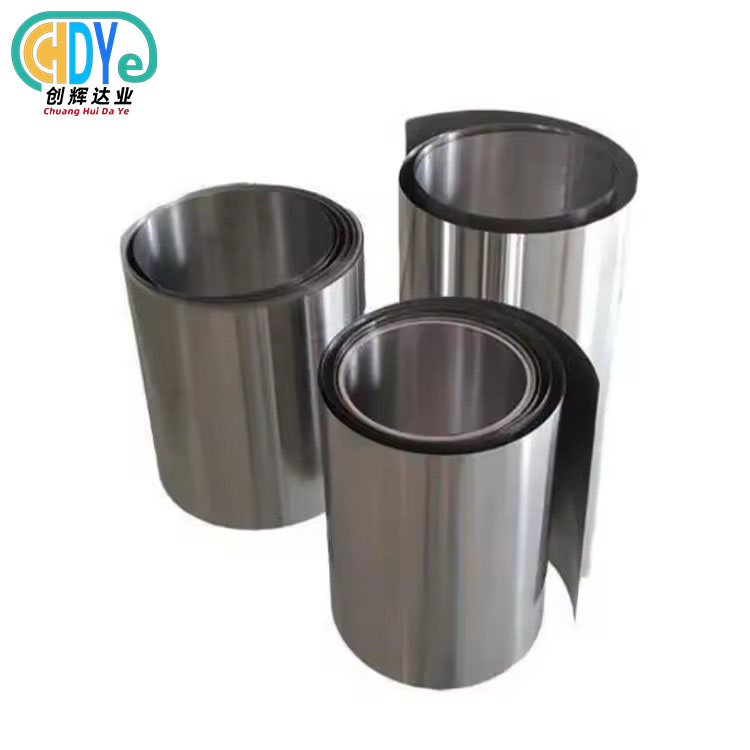
A pure titanium sheet can significantly reduce maintenance costs over time due to its exceptional corrosion resistance, extended service life, and minimal need for protective coatings or frequent replacements. Unlike conventional metals that degrade rapidly in harsh chemical, marine, or high-temperature environments, commercially pure titanium forms a stable titanium dioxide passive film that self-heals upon exposure to oxygen. This inherent property dramatically lowers the frequency of inspections, repairs, and component replacements, delivering measurable savings in operational expenditure across industrial applications.
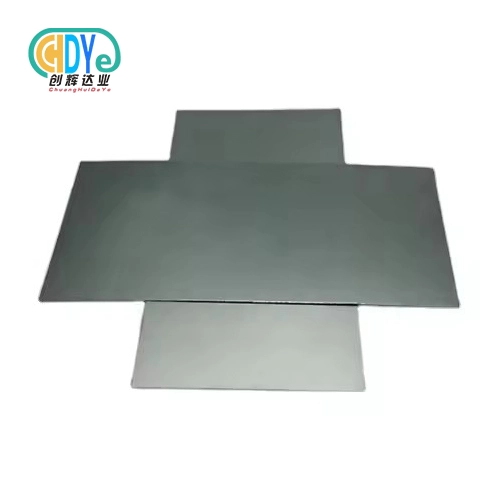
Understanding Pure Titanium Sheet and Its Properties
Commercially pure titanium sheets are flat-rolled goods made to ASTM B265 standards. They contain over 99% titanium with controlled amounts of intermediate elements like carbon, oxygen, nitrogen, and iron. These small amounts of elements determine the mechanical properties and the grade classification.
Grade Classifications and Specifications
There are four main types of highly pure titanium, and each one is used for different industry tasks. Grade 1 is the most flexible, with an elongation of more than 24% and a tensile strength of about 240 MPa. This makes it perfect for deep drawing and complex shaping operations. Grade 2, which is the most common workhorse grade, has a tensile strength of about 345 MPa and a yield strength of 275 MPa. It is a good balance between strength and formability. Grade 3 has average strength, while Grade 4 is the strongest commercially pure grade, with a tensile strength of about 550 MPa, which is similar to mild steel performance while still having better corrosion resistance. Our company keeps all four grades in standard sizes in stock, so we can deliver them quickly—within one to five days—to meet tight project deadlines.
Physical and Chemical Characteristics
The most important physical property of fully pure titanium is its low density of 4.51 g/cm³, which is only 60% of steel's weight while keeping equivalent strength. This amazing strength-to-weight ratio lowers the weight and structural loads of assembled parts and the cost of shipping them. It can be used in high-temperature situations because its melting point is 1668°C, but commercially pure grades usually work below 315°C to keep their best tensile qualities. The modulus of elasticity for Grade 2 is about 105 GPa, which means it is less stiff than steel. This means that when cold forming, careful springback calculations are needed.
The chemical performance comes from the fact that oxygen causes a stable, self-healing titanium dioxide passive film to form right away. This layer of protection is usually between 2 and 7 nanometres thick, and it heals itself if it gets damaged mechanically. It is very resistant to oxidising media, alkaline solutions, organic compounds, and environments with chloride. This event stops the terrible pitting and crevice corrosion that happens to stainless steel in acidic and seawater environments.
Surface Treatments and Processing Methods
We make economically pure titanium sheets by vacuum melting, shaping, cold rolling, and finishing the surface with great care. Electron beam furnaces, CNC rolling machines, and annealing furnaces are examples of high-tech tools that are used to make sure that the thickness is regular, the microstructure is polished, and the surfaces are flat and smooth. Before being shipped, each batch is carefully checked for its mechanical traits, measurement accuracy, and surface quality. Standard surface finishes include pickled, scraped, and polished. An acid-pickled surface gets rid of the brittle alpha-case layer that forms when hot working. For certain uses, heat treatment methods like stress relief and annealing improve the metal's ability to be shaped and its mechanical performance.
How Pure Titanium Sheets Help Reduce Maintenance Costs
To figure out how commercially pure titanium sheets save money, you have to look at how well it works in harsh environments where other materials fail quickly.
Superior Corrosion Resistance Extends Component Lifespan
The titanium dioxide passive film can heal itself and is resistant to most corrosive media that are used in industrial settings. When used in salt water, certain types of stainless steel can get damaged locally by pitting and crevice corrosion. Depending on the temperature and chloride concentration, these grades usually fail within 5 to 10 years. Pure titanium can keep its shape for decades in the same conditions. In fact, desalination plants and sea heat exchangers have been shown to last more than 40 years. When chemical processing equipment is exposed to reducing acids, wet chlorine gas, and hypochlorite solutions, it lasts longer in the same ways. A plate heat exchanger made of Grade 2 material that works in high-temperature brine at 130°C has no measurable corrosion after 15 years of continuous service. Copper-nickel and stainless steel alternatives need to be replaced every 3–7 years.
Reduced Coating and Surface Treatment Requirements
In harsh conditions, conventional metals need protective coats, galvanising, or cathodic protection systems to keep them from rusting. These finishing systems require a lot of money to be spent on capital when they are first built and on ongoing upkeep as long as they are in use. When a coating fails, the surface has to be prepared, reapplied, and production has to stop, which adds to the costs of doing business. When titanium is commercially pure, none of these requirements are needed at all. It can work bare in conditions that would destroy coated steel in months. This benefit is very clear when looking at architectural cladding installations near the coast. Titanium roofing develops a natural patina over decades without losing structural thickness, while painted steel needs to be recoated every 5–10 years to keep holes from appearing.
Lower Inspection and Monitoring Frequency
In order to follow the rules, pressure vessels, pipes, and structures must be inspected on a regular basis based on how quickly the materials break down. For parts made from materials that can rust, crack, and generally get thinner, they need to be tested with ultrasound waves, X-rays, and thickness readings regularly to make sure they work safely. Commercially pure titanium breaks down very little over time, so inspections can be done more often. This saves money on non-destructive testing, support, and production stops. A chemical processing plant that used titanium reactor tanks said that the yearly inspection costs were 60% lower than those for similar stainless steel equipment. This was directly due to the longer time between required inspections.
Comparing Pure Titanium Sheets With Other Materials for Cost Efficiency
When making choices about what to buy, you need to look at the total cost of ownership, not just the original price of the item. We look at the lifetime economics of different materials to show how economically pure titanium sheets are better from a financial point of view.
Commercially Pure Titanium Versus Stainless Steel
For corrosive service, stainless steel grades, especially 316L, are usually the best choice. Stainless steel sheet costs about $4 to $7 per kilogram when bought in bulk, while Grade 2 commercially pure titanium costs about $18 to $28 per kilogram, depending on the volume, thickness, and market conditions. This 3–5x price difference often ends the discussion during the early stages of design. When repair, replacement frequency, and business disruption costs are taken into account in lifecycle analysis, a different picture emerges.
A 316L stainless steel heat exchanger in a desalination plant that works in warm seawater usually lasts between 7 and 12 years before pitting corrosion forces it to be replaced. When Grade 2 commercially pure titanium is used in the same way, the service life is over 30 years with no measurable degradation. When you add up the costs of replacement, installation, production slowdown, and disposal, the titanium choice has a 40–60% lower lifetime cost, even though it costs more to buy at first. It takes about 8–10 years of use in harsh marine settings for the total costs of titanium to drop below those of stainless steel.
Commercially Pure Titanium Versus Titanium Alloys
Ti-6Al-4V and other titanium alloys are stronger than widely pure grades, which lets structural uses use less weight. The price of an alloy is usually 20–40% higher than the price of a commercially pure material, depending on its composition and shape. When corrosion resistance is very important, like in reducing acid environments or wet chlorine service, commercially pure grades are best because they don't have any intermetallic precipitates that could be used to start a localised attack. Grade 2 works better than Ti-6Al-4V in chemical processing and naval uses where the lower tensile strength is acceptable because it doesn't corrode at all. The choice of which to use depends on whether the design of the component is based on mechanical stress or environmental protection.
Commercially Pure Titanium Versus Aluminum Alloys
Marine-grade aluminum alloys are better at resisting corrosion than carbon steel, but they are 40% less dense than pure titanium that is sold in stores. For 5xxx and 6xxx type metals, the material costs about $3 to $5 per kilogram. In chemical and petrochemical environments, aluminum can't be used because it can't handle acidic conditions well, can pit when mixed with other metals, and is easily galvanised when joined to other metals. Titanium can be used with most other materials in galvanic pairs, which gets rid of the design limitations that come with using aluminum. This makes manufacturing easier and lowers the need for isolation. Titanium usually lasts 25 years in harsh marine environments, which is longer than aluminum's 12 to 18 years in the same conditions. This means that, even though titanium costs more at first, it is cheaper over its lifetime.
Practical Guidance for Procurement and Use
To get the most out of commercially pure titanium sheets for lowering upkeep costs, it's important to pay attention to grade selection, source qualification, and best practices for processing.
Selecting the Appropriate Grade
The four economically pure groups can be used to choose the best grade for a given application. Medical devices that need to be biocompatible and meet ASTM F67 or ISO 5832-2 standards usually choose Grade 1 or Grade 2 material because it is more flexible and has less intermediate content. Chemical manufacturing equipment that comes into contact with reducing acids should be Grade 1 or Grade 2. On the other hand, Grade 2 is required for chlor-alkali electrolysis cells and wet chlorine service. When strength needs are higher than Grade 2 capabilities, mechanical loading in pressure vessels and structural parts may be a good reason to use Grade 3 or Grade 4. Most of the time, Grade 2 is used for heat exchangers in desalination and power generation because it has the best balance of being able to be shaped for plate pressing, being able to be welded, and not corroding in high-temperature brine.
Key Procurement Considerations
Qualifying suppliers is the first and most important step in building reliable supply chains. We are certified with ISO 9001:2015, which means that we strictly control quality from the time we check the raw materials until they are melted, forged, rolled, machined, and tested for quality. Material traceability documentation, such as mill test reports with chemical analysis by ICP-OES, ASTM E8 mechanical testing, and dimensional verification, is an important part of quality assurance. Oxygen and iron content studies need extra attention because too much oxygen (above 0.25%) makes things weak and too much iron (above 0.30%) makes them more likely to rust. Ultrasonic testing according to AMS 2631 Class A1 finds interior laminations or inclusions that might weaken the structure's strength. Surface finish verification makes sure that the hard alpha-case layer is taken off by sanding or acid pickling.
Handling and Processing Best Practices
For manufacturing to go well, you need to know how to work with commercially pure titanium differently than you would with other metals. Cutting makes a lot of heat because the material doesn't conduct heat well. To keep the work from getting too hard, cutting speeds must be slowed down, feed rates must be high, and tools must be kept sharp. For most uses, the edges made by waterjet cutting, shears, and plasma arc cutting are good enough. Because the modulus of elasticity isn't very high, springback has to be taken into account when bending and shaping. Depending on the thickness and bend radius, this usually means overbending by 10 to 20 percent. Grade 2 can easily handle bend radii of 4T to 5T without cracking, which lets you make complex shapes. Welding techniques are based on AWS A5.16 standards and use GTAW or GMAW methods with the right filler metals and inert gas protection. The right design of the weld joint and control of the heat input keep the resistance to corrosion high. In important situations, post-weld stress relieving at 540–650°C for 30–60 minutes improves the mechanical properties and dimensional stability.
Case Studies and Testimonials: Real-World Maintenance Cost Savings
Documented business experience from a number of different sectors shows that using commercially pure titanium sheets in uses that need a lot of maintenance saves money.
Chemical Processing Plant Heat Exchanger Replacement
In 2008, a chlor-alkali factory in the southeastern United States replaced 316L stainless steel shell-and-tube heat exchangers with Grade 2 commercially pure titanium units. This was done because the 316L units were failing every 4 to 6 years because of crevice corrosion in wet chlorine service. Compared to new units made of stainless steel, the starting capital cost went up by about 3.2 times. After 15 years of continuous use until 2023, ultrasonic inspection of the titanium exchangers showed that the wall thickness had not changed at all. Predictive modelling showed that the original stainless steel units would have needed to be replaced three more times during the same time period. Taking into account the cost of replacement equipment, installation labour, $45,000 per day of lost production, and disposal costs, the facility saved more than $380,000 per exchanger unit over time. Because coating upkeep was no longer needed, inspections happened less often, and there were fewer emergency repairs, the maintenance department needed 30% fewer people.
Aerospace Component Service Life Extension
A big aerospace company switched from using aluminum alloy to Grade 2 commercially pure titanium for parts of the nacelle and exhaust hardware that would be exposed to salt spray and high temperatures while working near the coast. Even though they had protective coatings, the lighter aluminum parts had to be replaced every 8–10 years because of pitting corrosion and fatigue cracks that started at corroded spots. Titanium parts that had been used for 18 years in the same conditions showed no corrosion-related damage during a breakdown review. The parts were thrown away because they were no longer needed, as they were designed to be used that way, not because they were breaking down. The longer service intervals cut down on the cost of keeping spare parts in stock, made it easier for remote repair facilities to handle logistics, and cut down on the time an aeroplane had to be grounded to change a part. It saved 15% of the weight of similar steel parts and 12% of the weight of similar aluminum parts. This led to good propulsion system performance and better lifecycle economics.
Medical Device Manufacturing Economics
A company that makes orthopedic implants looked at different types of materials for surgical instrument sets that needed to be resistant to steam sterilisation and disinfectant solutions. Repeated use of autoclaves and chlorine-based disinfectants broke down stainless steel tools over time, and they usually needed to be replaced after 200 to 300 sterilisation rounds. In accelerated tests, Grade 2 commercially pure titanium tools showed that their mechanical qualities and surface condition stayed the same after 2,000 sterilisation rounds. The 6–8 times longer service life of the instruments cut down on replacement costs by a large amount, and the weight reduction made it easier for surgeons to work during long procedures. Biocompatibility benefits got rid of worries that nickel sensitivity reactions would hurt patients or surgery staff.
Conclusion
There is strong proof that commercially pure titanium sheets lower maintenance costs by a large amount in a wide range of industry settings. The self-healing passive film lasts for decades without rusting in places where other materials would fail in just a few years. This means that there is no need for coating maintenance, fewer inspections, and longer periods between replacements. Even though the initial cost of the materials is higher than those made of stainless steel and aluminum, a lifecycle analysis that takes into account how often they need to be replaced, the costs of downtime, and the cost of maintenance labour shows that they save 40 to 60 percent over 20 to 30 years of use. Choosing the right grade based on the needs of the application, making sure the provider is qualified by putting an emphasis on quality control and traceability, and using the right fabrication techniques will all lead to a successful execution that saves the most money on upkeep costs.
FAQ
Q: Which commercially pure titanium grade offers the best corrosion resistance?
A: Due to its low interstitial oxygen content, Grade 1 has the best corrosion resistance of all the commercially pure classifications. It also works better in reducing acid environments. Grade 2 has better mechanical strength and almost the same corrosion protection as Grade 1. This makes it the best choice for most industry uses, such as saltwater, chlor-alkali processing, and marine heat exchanges.
Q: How does bulk pricing compare between commercially pure titanium and 316L stainless steel?
A: Right now, a kilogram of Grade 2 economically pure titanium sheet costs about 3.5 to 5 times more than a kilogram of 316L stainless steel. Titanium has a higher starting cost, but its total lifespan costs are 40–60% cheaper because it lasts 4-6 times longer in corrosive environments, doesn't need coating upkeep, and doesn't need to be replaced as often. For large orders, we offer reasonable factory-direct prices that make the project more cost-effective.
Q: Can you provide custom cutting and surface finishing services?
A: Our advanced processing skills allow us to precisely cut, bend, stamp, and apply surface treatments that are special to each job. We can acid-pickle, sand, or polish the surface, and we can also custom-size and prepare the edges. Standard inventory makes it easy to turn around common sizes quickly, while custom orders usually take between 2 and 4 weeks to finish, depending on how complicated they are.
Partner With Chuanghui Daye for Premium Pure Titanium Sheet Solutions
Shaanxi Chuanghui Daye Metal Material Co., Ltd. has been in the rare metals business for more than 30 years and has ISO 9001:2015-certified quality management. They can provide you with commercially pure titanium sheets that will lower your maintenance costs and make your equipment last longer. As we are based in Baoji, China's famous "Titanium Capital," we keep Grades 1, 2, 3, and 4 in standard sizes in stock so that we can deliver them quickly (1–5 days) to meet tight project deadlines. Our modern production tools, such as electron beam furnaces, precision rolling equipment, and full testing facilities, make sure that the quality of our materials is always the same, and that all of the paperwork can be tracked back to its source. We have low factory-direct prices on large orders, can cut to your specifications, finish the surface, and give you free samples to test the quality of the material. Get in touch with our expert sales team at info@chdymetal.com to talk about your unique application needs and find out how choosing the right pure titanium sheet supplier can save you money over the life of your equipment.
References
1. ASTM International. "Standard Specification for Titanium and Titanium Alloy Strip, Sheet, and Plate (B265-20a)." Annual Book of ASTM Standards, Vol. 02.04, 2020.
2. Boyer, R., Welsch, G., and Collings, E. W. "Materials Properties Handbook: Titanium Alloys." ASM International, Materials Park, Ohio, 1994.
3. Schutz, R.W. and Thomas, D .E. "Corrosion of Titanium and Titanium Alloys." ASM Handbook Volume 13B: Corrosion of Materials, ASM International, 2005, pp. 252-299.
4. Donachie, Matthew J. "Titanium: A Technical Guide, 2nd Edition." ASM International, Materials Park, Ohio, 2000.
5. Cotton, J.D., Brotzen, F.R., and Grisaffe, S. J. "Environmental Effects on Titanium Heat Exchanger Performance in Marine Applications." NACE International Corrosion Conference Proceedings, Paper No. 98432, 1998.
6. Peters, M. and Leyens, C. "Titanium and Titanium Alloys: Fundamentals and Applications." Wiley-VCH Verlag GmbH & Co., Weinheim, Germany, 2003.
Learn about our latest products and discounts through SMS or email