- English
- French
- German
- Portuguese
- Spanish
- Russian
- Japanese
- Korean
- Arabic
- Greek
- German
- Turkish
- Italian
- Danish
- Romanian
- Indonesian
- Czech
- Afrikaans
- Swedish
- Polish
- Basque
- Catalan
- Esperanto
- Hindi
- Lao
- Albanian
- Amharic
- Armenian
- Azerbaijani
- Belarusian
- Bengali
- Bosnian
- Bulgarian
- Cebuano
- Chichewa
- Corsican
- Croatian
- Dutch
- Estonian
- Filipino
- Finnish
- Frisian
- Galician
- Georgian
- Gujarati
- Haitian
- Hausa
- Hawaiian
- Hebrew
- Hmong
- Hungarian
- Icelandic
- Igbo
- Javanese
- Kannada
- Kazakh
- Khmer
- Kurdish
- Kyrgyz
- Latin
- Latvian
- Lithuanian
- Luxembou..
- Macedonian
- Malagasy
- Malay
- Malayalam
- Maltese
- Maori
- Marathi
- Mongolian
- Burmese
- Nepali
- Norwegian
- Pashto
- Persian
- Punjabi
- Serbian
- Sesotho
- Sinhala
- Slovak
- Slovenian
- Somali
- Samoan
- Scots Gaelic
- Shona
- Sindhi
- Sundanese
- Swahili
- Tajik
- Tamil
- Telugu
- Thai
- Ukrainian
- Urdu
- Uzbek
- Vietnamese
- Welsh
- Xhosa
- Yiddish
- Yoruba
- Zulu
How to Store and Handle Titanium Sheets Safely?
To store and handle titanium sheets safely, you need to keep the environment under tight control, cover them with packaging, and follow trained handling methods to keep the surface from getting dirty, oxidising, or breaking. For proper storage, places should be clean, dry, and have controlled temperature and humidity. When handling, non-abrasive tools and gloves should be used so that the protective oxide layer on the material is not damaged. Maintaining the integrity of the material from the warehouse to the manufacturing stage is important whether you are working with commercially pure Grade 2 or high-strength Grade 5 alloys. This will ensure uniform performance, cut down on waste, and protect your investment in these high-quality flat-rolled mill products.
Understanding the Challenges of Titanium Sheet Storage and Handling
Working with titanium material in industrial settings has its own problems that aren't present when working with heavy metals. Because these materials are important because they have a reacting surface chemistry and are very strong, they need to be carefully managed throughout the supply chain.
Common Storage and Handling Issues
One of the most common problems we see is surface pollution. Titanium is known for not corroding because of its passive TiO2 film. However, contaminants like grease, oils, salts, or metal bits can damage this layer. Once something is broken, limited rust can happen, especially in settings that are high in chloride or acidic. When things are lifted or stacked incorrectly, they can get scratches, dents, and edge deformations. Not only do these flaws make things look bad, but they can also cause stress concentration places that weaken structures in important medical or aerospace uses.
Environmental Factors That Affect Material Quality
The environment has a big effect on how long titanium sheets last when they are stored. When humidity levels are above 60% and temperature changes, condensation can happen, which can lead to rusting and surface darkening. When dust and other small particles stick to surfaces, they mix with water to make gritty substances that scratch the protective oxide film when it is handled. Chemical fumes from nearby industrial processes, especially those that use halogens or sulphur compounds, are another source of pollution.
Root Causes and Prevention Strategies
These problems come from titanium's special hexagonal close-packed crystal structure and the fact that it reacts chemically with some elements at high temperatures. Because the material doesn't have as much flexibility as steel, it bends more easily when it's not supported properly. These technical weaknesses are made worse by inconsistent supply chain rules and workers who haven't had special training. When procurement managers and warehouse leaders know these root causes, they can take specific steps to avoid problems instead of trying to fix problems after they happen.
Key Principles for Safe Storage of Titanium Sheets
Using thorough storage rules will protect your materials and make sure that the quality stays the same for later production processes. Based on our experience in the aerospace, medical, and chemical processing industries, we've found key concepts that make storage losses much smaller.
Environmental Control Requirements
Stability of temperature is more important than temperature itself. We suggest keeping storage areas between 15°C and 25°C, with little change from day to day. To keep metal surfaces from getting wet, the relative humidity should stay below 50%. Putting in commercial dehumidifiers in humid or seaside areas has clear benefits. Enough air flow keeps toxic gases from building up in areas where air doesn't move. Chemical working areas, soldering shops, and other places that make corrosive fumes must be kept away from storage areas.
Protective Packaging and Material Segregation
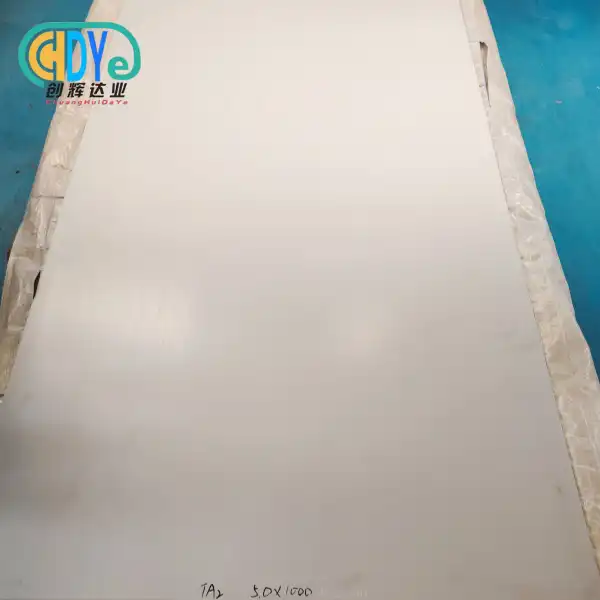
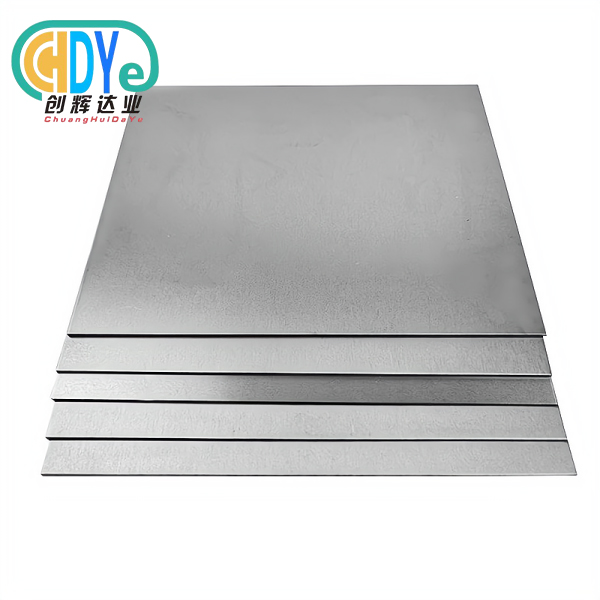
The best way to protect your goods from damage and contamination is to use good, secure packing. Our 2mm titanium sheets come with plastic interleaving between each piece. This keeps metal from rubbing against metal, which wears down the surface. Wrapping the outside of things with moisture-barrier covers keeps them safe from the environment while they are being shipped or stored. Stable support comes from wooden crates or metal racks that are made just for that purpose. The weight is spread out evenly across the sheet surface. For widths between 500 mm and 2000 mm and lengths between 1000 mm and 3000 mm, horizontal storage is best because it stops gravity-induced drooping that can cause permanent deformation. Cross-contamination and galvanic rusting can't happen when metals are separated. Keep titanium away from combinations of carbon steel, aluminium, copper, and copper. Even very small amounts of iron particles moved from nearby steel stores can change the colour of titanium's surface. Having clear labels on dedicated storage areas stops people from making mistakes when handling things and makes managing inventory easier.
Storage Space Design and Organisation
Making storage areas fit the unique needs of titanium makes operations run more smoothly. A clean concrete floor with no visible grain stops the surface from getting scratched when the material moves. Cantilever or wall-mounted racks make the best use of vertical space while keeping the sheets in the right position horizontally. Forklifts can get through clear aisles without hitting anything by mistake. FIFO-based organised inventory systems ensure that materials are rotated, which keeps them from being stored for too long and exposes older stock to weather effects that build up over time. Cleaning on a regular basis gets rid of dust and other trash before they become sources of pollution.
Proper Handling Techniques for Titanium Sheets
How materials are handled has a direct effect on how useful they are and how well they work in later production steps. Training warehouse workers on how to work with titanium in a certain way cuts down on damage and keeps the high-quality standards your applications need.
Manual Handling Best Practices
Titanium surfaces pick up oils, salts, and other impurities from human touch. This way of getting germs is blocked by clean cotton or nitrile gloves, which also make it easier to hold things than bare hands. When moving smaller sheets by hand, hold them along their length instead of at their corners. This will spread the stress out equally. Teams should work together when pulling to keep the material from suddenly twisting or breaking too much. Foot traffic stays away from storage areas when there are designated handling tracks. This lowers the risk of accidental touch.
Mechanical Handling Equipment and Methods
During warehouse activities, specialised handling tools keep the integrity of the goods. Forklifts with rubber-coated tines or steel lifting fixtures keep surfaces from getting dented. Overhead cranes with cushion spreading bars can move bigger items while keeping their flat shape. For medical devices or semiconductors that need a clean surface, vacuum lifting systems can move materials without contaminating them. In order to firmly hold edges without damaging them mechanically, adjustable clamps with non-metallic contact areas are used. All working equipment needs to be checked regularly to make sure that the protection coatings stay in place and work.
Fabrication and Cutting Considerations
Handling rules are still very important during the cutting and early steps of production. For support tables, the surfaces should be soft to the touch, like plastic mats or clean wood. When cutting, the ways that things are held in place must not be too tight, because that can cause pressure marks or localised work hardening. The choice of coolant and lubricant is important. Cutting fluids that dissolve in water leave little waste, and substances that contain chlorine should be avoided at all costs. Before the material is used for welding or forming, it is cleaned after manufacturing with allowed chemicals to get rid of any processing contaminants.
Case Studies: Successful Storage and Handling in Industry
Real-life examples show how different industries deal with the problems of storing and dealing with titanium on an industrial level. These tried-and-true methods can help you improve your own planning and purchasing tactics.
Aerospace Manufacturing Protocols
Some of the biggest names in aerospace keep their titanium goods in climate-controlled stores that meet pharmaceutical-grade standards for cleanliness. Over the course of two years, a major aeroplane component seller cut the number of cases of surface oxidation by 87% by using constant humidity tracking and automated dehumidification. Their routine includes checking each sheet individually when it arrives, taking pictures of any damage during shipping, and putting non-conforming material in a special area until it can be inspected again. Handling staff go through yearly certification training to make sure they always follow the rules for handling Grade 5 Ti-6Al-4V, where the integrity of the surface directly affects the fatigue life in structural uses.
Medical Device Industry Standards
To keep biocompatibility standards high, medical gadget makers put a high priority on preventing contamination. Storage buildings have air systems that filter the air with HEPA and positive pressure settings that are similar to cleanroom standards. Materials that are going to be used to make implants go through surface analysis to make sure they don't have any metal contamination or organic leftovers. One orthopaedic implant maker cut cleaning costs for pre-fabrication by 40% after setting up storage areas just for titanium with strict rules about who can get in and how to handle the metal. Their method for keeping track of each sheet connects it to specific storage conditions and handling events, which helps with FDA compliance paperwork.
Chemical Processing and Industrial Applications
Manufacturers of chemical processing equipment have to deal with a variety of problems. They usually have to deal with bigger amounts of material in normal industrial settings. A company that makes heat exchangers for the petrochemical industry came up with a useful solution: they put big goods in covered outdoor storage areas and materials that will be used in production within 30 days in climate-controlled indoor holding areas. This two-tier system found a good balance between high upkeep and low cost. Their handling procedures stress regular inspections, like once a week for outdoor storage items, to find early signs of weather effects that could make them less useful for corrosion-resistant uses.
Summary and Best Practice Checklist for Storing & Handling Titanium Sheets
Putting together storage and handling rules into guidelines that can be followed helps warehouse teams keep quality standards uniform. This useful guide is used every day by operations staff who work with commercially pure and alloyed titanium goods.
Core Safety and Quality Concepts
To preserve something, you must first understand what makes titanium special. The spontaneous oxide film is very good at protecting against rust in the air, but it can still be damaged by mechanical wear, chloride exposure, and metal-to-metal contact with materials that are not the same. If you store things correctly, they will last forever as long as the surroundings stay the same. On the other hand, bad practices can damage the qualities of materials within weeks, making high-quality sheets useless for important tasks. Handling rules that are always followed cut down on waste, lower the cost of replacements, and boost your image as a supplier or maker who cares about quality.
Practical Do's and Don'ts Checklist
Do: Keep the humidity in the storage area below 50% and make sure there is enough airflow. Put safe interleaving between each sheet. Lay things out horizontally on padding supports that spread the weight out evenly. Use FIFO inventory movement to keep things from being stored for too long. When touching titanium sheets, always wear clean gloves. Check the material often for changes on the surface or damage to the structure. Keep titanium away from other metals to stop pollution. For tracking, write down how things are stored and what happens during treatment.
Don't: Keep metal outside without a waterproof cover and raised platforms. Let materials made of carbon steel, copper, or aluminium come into close touch with you. Use tools for working with metal that don't have coverings that protect them. Stack sheets without enough support, which causes them to bend due to gravity. Cleaners with chloride or ocean salt spray should not be used on the cloth. Handle sheets at their corners, which builds up stress. Do not allow drugs, food, or drinks to be stored. If you move things quickly, you could drop them or hit them.
Strengthening Supply Chain Relationships
Following these rules has real benefits that go beyond just preserving the material. Delivering consistent quality to customer sites builds trust and makes you look like a long-term partner they can rely on. Fewer damage claims and returns mean more money in the bank and easier transportation management. When companies that make aeroplane parts, medical devices, or chemicals see that your company is committed to material integrity, they pay more attention to your company when trying to consolidate their suppliers. This image advantage is especially useful in competitive business-to-business buying settings where technical knowledge sets premium sellers apart from commodity vendors.
Conclusion
To store and handle titanium sheets safely, you need to know the weaknesses of the material and follow strict rules that cover things like controlling the climate, using protective packing, and trained handling methods. The problems—surface contamination, oxidation risks, and mechanical damage—have clear answers that come from designing the right building, choosing the right tools, and training the right people to use it. Investing in storage facilities and handling processes pays off in the form of less waste, better material quality, and stronger customer relationships. This is true in industries from aircraft to medical products. These rules are the basis for operational success in titanium supply chain management, no matter if you are in charge of the warehouse, buying materials, or making things.
FAQ
Q: Can Titanium Sheets Be Stored Outdoors?
A: Outdoor storage is still fine for short periods of time as long as the right steps are taken to keep things out of the weather and away from wet ground. We suggest weatherproof tarps or sealed bins that are raised on boards to keep air moving underneath. Keeping things outside for more than 90 days raises the risk of oxidation and pollution, especially in seaside or industrial areas where airborne pollutants are common. When storing things indoors, they are always safer, especially if they are going to be used in sensitive situations that need perfect surfaces.
Q: What Protective Coatings Work Best?
A: Polyethene interleaving films protect things well and cheaply while they are being stored or shipped. Temporary oil coats add another protection against moisture, but they need to be taken off before welding or chemical processing. Wax-based finishes leave behind leftovers that make it harder to prepare the surface. Our Grade 2 and Grade 5 products come in protective packing that fits the needs of your application and the way they will be handled.
Q: How Often Should Inspection Occur?
A: How often you inspect depends on how the material is stored and what grade it is. Climate-controlled storage inside needs to be inspected visually once a month, while storage outside or in an uncontrolled setting needs to be inspected every week. Check for changes in the colour of the surface, the buildup of wetness, physical damage, or signs of packing breakdown. Finding small problems early on keeps them from becoming big problems that need to be rejected.
Partner with Chuanghui Daye for Premium Titanium Sheet Supply
When you buy titanium sheets from Shaanxi Chuanghui Daye, you're getting over 30 years of experience making things out of rare metals and strict quality control throughout the whole process. We make Grade 2 and Grade 5 materials from 2mm thick in sizes from 500 mm to 2000 mm and lengths from 1000 mm to 3000 mm. Our products meet ASTM B265 standards and are used in aircraft, medicine, and industry. Our ISO 9001:2015 certification makes sure that the standard is always the same, from vacuum arc remelting to the final check. We give you full storage and handling advice that is tailored to your business. Our technical knowledge and reliable global delivery back your procurement strategy. Get in touch with our material experts at info@chdymetal.com to talk about your needs with a reliable titanium sheet maker that cares about your business's success.
References
1. Boyer R, Welsch G, Collings EW. Materials Properties Handbook: Titanium Alloys. ASM International, 1994.
2. Donachie MJ. Titanium: A Technical Guide, 2nd Edition. ASM International, 2000.
3. ASTM International. ASTM B265: Standard Specification for Titanium and Titanium Alloy Strip, Sheet, and Plate. West Conshohocken, PA, 2015.
4. Lutjering G, Williams JC. Titanium: Engineering Materials and Processes, 2nd Edition. Springer, 2007.
5. Peters M, Kumpfert J, Ward CH, Leyens C. Titanium Alloys for Aerospace Applications. Advanced Engineering Materials, 2003.
6. Schutz RW, Thomas DE. Corrosion of Titanium and Titanium Alloys. ASM Handbook Volume 13B: Corrosion Materials. ASM International, 2005.
Learn about our latest products and discounts through SMS or email