- English
- French
- German
- Portuguese
- Spanish
- Russian
- Japanese
- Korean
- Arabic
- Greek
- German
- Turkish
- Italian
- Danish
- Romanian
- Indonesian
- Czech
- Afrikaans
- Swedish
- Polish
- Basque
- Catalan
- Esperanto
- Hindi
- Lao
- Albanian
- Amharic
- Armenian
- Azerbaijani
- Belarusian
- Bengali
- Bosnian
- Bulgarian
- Cebuano
- Chichewa
- Corsican
- Croatian
- Dutch
- Estonian
- Filipino
- Finnish
- Frisian
- Galician
- Georgian
- Gujarati
- Haitian
- Hausa
- Hawaiian
- Hebrew
- Hmong
- Hungarian
- Icelandic
- Igbo
- Javanese
- Kannada
- Kazakh
- Khmer
- Kurdish
- Kyrgyz
- Latin
- Latvian
- Lithuanian
- Luxembou..
- Macedonian
- Malagasy
- Malay
- Malayalam
- Maltese
- Maori
- Marathi
- Mongolian
- Burmese
- Nepali
- Norwegian
- Pashto
- Persian
- Punjabi
- Serbian
- Sesotho
- Sinhala
- Slovak
- Slovenian
- Somali
- Samoan
- Scots Gaelic
- Shona
- Sindhi
- Sundanese
- Swahili
- Tajik
- Tamil
- Telugu
- Thai
- Ukrainian
- Urdu
- Uzbek
- Vietnamese
- Welsh
- Xhosa
- Yiddish
- Yoruba
- Zulu
What Standards Should a Tantalum Alloy Plate Meet Before Buying?
When purchasing a tantalum alloy plate, buyers must verify compliance with ASTM B708 standards, which govern chemical composition, mechanical properties, and dimensional tolerances. Critical standards include chemical purity analysis—especially tungsten content (2.0- 10% depending on grade) and interstitial impurity control (oxygen below 100 ppm)—alongside mechanical testing for tensile strength, yield strength, and elongation. Certification documentation such as ISO 9001:2015, material test reports, and third-party inspection certificates are essential to confirm product integrity and traceability before finalizing procurement.
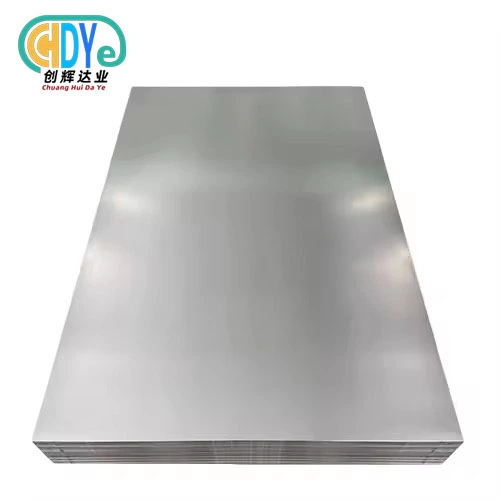
Understanding Tantalum Alloy Plates and Their Standards
What Defines a High-Performance Tantalum Alloy Plate
A tantalum alloy plate is made by mixing pure tantalum with alloying elements, mostly tungsten, to make it stronger while keeping the famous resistance to corrosion of the parent metal. The commercial grades that are most often asked for are R05200 (unalloyed tantalum), R05240 (Ta-2.5W), R05252 (Ta-2.5W with stricter requirements), and R05255 (Ta-10W). The Ta-10W grade has 30–50% higher tensile strength at high temperatures than pure tantalum. This means it can be used in structural applications where pure tantalum would deform when stressed.
These plates solve three important problems in industry that regular superalloys can't. They completely protect against active acid attacks instead of just resisting them, keep the structure strong at temperatures where stainless steels and nickel alloys fail horribly, and stop maintenance shutdowns that happen because equipment breaks down because of rust. This means that chemical reactor linings or vacuum furnace heat covers will last decades instead of having to be replaced often with cheaper materials.
Core Chemical and Mechanical Compliance Criteria
In North America, ASTM B708 is the standard that governs the requirements for tantalum and tantalum alloy plates. Other foreign standards, such as ISO 13782, are similar. This standard says what ranges of chemical composition, mechanical properties, surface finish, and dimensional errors are acceptable. The chemical composition check is mostly about making sure the tungsten content is correct—Ta-2.5W grades need 2.0–3.0% tungsten, and Ta-10W grades need 9.0–11.0%—and keeping an eye on the interstitial impurities.
When evaluating a purchase, oxygen content needs extra attention. When there is more oxygen than 100 parts per million, the material becomes harder and more brittle, which can cause cracks when cold forming or welding. Glow discharge mass spectrometry (GDMS) research is also needed to check the amounts of carbon, nitrogen, and hydrogen. ASTM E8 testing protocols set minimum values for tensile strength, yield strength at 0.2% offset, and elongation percentages that show the material is flexible enough for fabrication processes.
International Certifications That Validate Quality
Comprehensive quality management certifications, in addition to material-specific standards, guarantee that manufacturing processes are always the same. If a seller has ISO 9001:2015 certification, it means that they follow written rules for process control, tracking, and ongoing growth. For use in European markets, RoHS (Restriction of Hazardous Substances) compliance makes sure that no banned substances are present, and REACH (Registration, Evaluation, Authorisation, and Restriction of Chemicals) registration takes care of safety issues related to chemicals.
Documentation for material traceability makes an audit trail from where the raw materials come from to where they are inspected at the end. This includes inspector signatures, mechanical test data, and mill test records with heat-specific chemistry values. Independent confirmation can be found in third-party inspection reports from groups like SGS or TÜV. These are especially helpful when starting to work with new suppliers or buying materials for safety-critical applications that need a full history of the materials used.
Essential Quality Metrics and Testing Before Purchase
Chemical Purity Analysis and Composition Verification
Teams in charge of buying things should demand that sellers give them thorough chemical analysis reports made with GDMS or ICP-MS. These reports have to show that the amount of tungsten is within certain grade ranges and that the concentrations of interstitial elements are below the highest levels that are allowed. At least 15 elements should be looked at, such as iron, nickel, chromium, silicon, and molybdenum, which could be pollutants from the working equipment.
Oxygen content measurement needs extra attention because too much oxygen changes the way things work in a big way. When a tantalum alloy plate has oxygen levels close to 200 ppm, it becomes less flexible and more likely to break easily when it is cold-worked. Reliable sellers test each lot individually instead of just taking samples from time to time to make sure that every production batch meets the requirements. Buyers should make sure that the chemistry results match the specific heat or lot numbers in their order.
Mechanical Property Validation and Performance Testing
Tensile testing that follows ASTM E8 guidelines gives important information about the final tensile strength, the yield strength, and the elongation at break. When annealed, the tensile strength of Ta-2.5W grades should be at least 240 MPa, while Ta-10W grades should reach 380 MPa or higher. For properly treated material, elongation values are usually between 20 and 30 percent, which means the material is flexible enough to be bent, stamped, or deep drawn.
During the receiving inspection, hardness testing using the Vickers or Rockwell methods is a quick way to tell if the quality is good. Unexpected changes in the hardness of a plate's surface are a sign of problems with the way it was processed or with contamination. In high-temperature situations, checking the material's temperature protection is very important. Creep testing at the expected service temperatures shows if the material stays the same size under long-term loading. This information is very helpful for guessing how long vacuum furnace parts will last when they are used at temperatures above 1600°C.
Corrosion Resistance Verification in Simulated Environments
As part of standard rust tests, the plate is submerged in the exact chemical environment it will be used in. In chemical processing, this means being exposed to concentrated hydrochloric acid, 98% sulphuric acid that is boiling, or aqua regia for long periods of time, usually at least 240 hours. The amount of material lost is measured in mils per year (mpy) or millimetres per year. Rates below 0.1 mpy are acceptable for tantalum alloys in most acidic conditions.
Electrochemical impedance spectroscopy (EIS) and potentiodynamic polarisation tests measure the stability and breakdown potential of inactive films to learn more about corrosion resistance. These lab methods can predict long-term performance faster than simple immersion tests. A chemical processing company that replaced Hastelloy heat exchanger parts with Ta-2.5W plates found that the plates had no measurable corrosion after five years of continuous exposure to boiling 70% sulphuric acid. This shows that laboratory corrosion data can be translated into decades of reliable field service.
Comparing Tantalum Alloy Plates with Alternative Materials
Performance Benchmarking Against Pure Tantalum and Competing Alloys
When heated to high temperatures, pure tantalum (R05200) has the least amount of mechanical strength but the best resistance to corrosion. The material gets a lot softer above 300°C, which means it can't be used in structural applications where heat is a problem. Ta-2.5W is a good compromise because it adds a small amount of strength while keeping 95% of pure tantalum's resistance to corrosion. This makes it perfect for building chemical reactor cladding and heat exchangers. When stressed out, Ta-10W has a maximum strength of about 450 MPa, making it a good choice for aerospace propulsion parts and high-temperature vacuum furnace structural elements.
Titanium metals are an interesting comparison because they are much cheaper and have great corrosion protection. Titanium, on the other hand, fails horribly in places with reducing acids and red-fuming nitric acid, while tantalum works perfectly there. Some nickel-based superalloys, such as Hastelloy C-276, are strong at high temperatures, but they can be damaged by localised corrosion (pitting and crevice corrosion) in acidic conditions where tantalum doesn't break down at all. Finally, the choice of tantalum alloy plate is based on the exact temperature, chemical environment, and mechanical force conditions.
Cost-Effectiveness Analysis Across Application Scenarios
The cost of materials is only one part of the total economics of ownership. Tantalum alloy plate is more expensive than stainless steel per kilogram—about 10 to 15 times as much. However, this higher starting cost often leads to a higher return on investment because the equipment lasts longer. A petroleum plant showed that Ta-2.5W heat exchanger tube sheets had a 20-year service life compared to Hastelloy components that needed to be replaced every 18 months. This meant that the annualised costs of the equipment were 40% lower when repair labour and production downtime were taken into account.
Because alloyed types are stronger than pure tantalum, they can be used to make walls that are thinner, which saves material. A Ta-10W vacuum furnace heat shield can work as well as pure tantalum while being 60% lighter, which helps to make up for the higher cost of the material. When absolute reliability is needed, like in pharmaceutical synthesis reactors that make injectable drugs or semiconductor process chambers that make advanced microprocessors, the cost of a single contamination event or production stoppage is much higher than the cost of the materials. This makes tantalum alloys the most cost-effective choice.
Industry-Specific Material Selection Guidance
Chemical processing settings that need to be resistant to hot, concentrated acids usually call for Ta-2.5W grades, which are the best combination of resistance to corrosion and formability for making complicated heat exchanger and reactor parts. The 2.5% tungsten addition gives the steel enough strength to hold its shape while still being easy to weld with gas tungsten arc welding (GTAW) methods. For parts like rocket engine throat inserts and hypersonic vehicle leading edges, aerospace and defence uses that need the highest strength-to-weight ratio at high temperatures, like Ta-10W.
High-purity unalloyed tantalum (R05200) is used for sputtering targets and crucibles in electronics and chip production because alloying elements would mess up thin-film depositions. In these situations, chemical purity is more important than mechanical strength. Medical device makers choose medical-grade tantalum that meets ASTM F560 biocompatibility requirements for orthopaedic implants and surgical mesh. This type of material is perfect for permanent implantation because it doesn't corrode in body fluids and is radiopaque, which means it can be seen on X-rays.
Procurement Considerations and Supplier Evaluation
Assessing Manufacturing Capabilities and Quality Systems
Before evaluating a supplier, it is important to make sure that the maker has the right tools for making regular high-quality products. Vacuum electron beam melting furnaces make sure that high-purity ingots are made by keeping airborne contaminants out of the melting process. With exact thickness control, multi-pass rolling mills make sure that all tantalum alloy plate sizes have the same gauge tolerances. It is known that microstructures and mechanical properties stay the same when heated in annealing furnaces that control the atmosphere and keep the temperature uniform.
Evaluating Pricing Structures and Order Flexibility
The price of materials is affected by the price of tantalum pentoxide (Ta₂O₉), which changes based on how much is mined in the main producing regions. Long-term supply deals with price changes based on public market rates make it easier to plan your budget for ongoing production needs. Buyers should know the difference between the base cost of materials and processing fees that add value by providing unique sizes, styles, or faster delivery times.
Building Long-Term Supplier Partnerships
Strategic relationships with suppliers offer benefits beyond just lower prices. Preferred suppliers offer technical advice during the design process, suggesting the best grades and sizes to meet performance needs while keeping costs low. They provide material certifications and documentation that are specific to the needs of each industry. For example, pharmaceutical companies need USP Class VI compliance documentation, and aerospace contractors need DFARS-compliant sourcing certifications for defence applications.
Final Checklist: What Standards Should You Verify Before Buying?
Documentation and Certification Requirements
Every delivery must come with a full material test record that includes a heat-specific chemistry analysis, mechanical test results, and data from a dimension check. The actual heat or lot numbers that are marked on the delivered material should be used in these documents so that everything can be tracked. Material-specific test certificates show that a product meets ASTM B708 standards, while ISO 9001:2015 certificates prove that the quality management system is up to code.
Third-party inspection reports from independent testing laboratories add another layer of security to important applications. These reports show that the lab's certified staff and calibrated equipment were used to test the chemistry, mechanical properties, and accuracy of the measurements. A lot of buyers ask for inspections by companies like SGS, Bureau Veritas, or TÜV when they place orders, especially for expensive items or to make sure the supplier is qualified for the first time.
Physical Inspection Protocols and Acceptance Criteria
During the receiving review, accurate measuring tools like micrometers for thickness and tape measures or laser distance meters for length and width should be used to check the accuracy of the dimensions. The evaluation of the surface finish finds flaws such as scratches, pits, or oxidation discolouration that may lower the resistance to corrosion or show issues with the processing. Visual inspection in the right lighting shows laminations, edge cracks, or surface contamination that needs to be rejected or taken care of by the seller.
According to AMS 2631 standards, ultrasonic testing can find flaws inside a tantalum alloy plate that can't be seen from the outside, like holes, inclusions, or laminations that weaken the material. This kind of non-destructive testing is especially important for plates that will be used to build pressure vessels or vacuum chambers, where flaws that aren't visible could lead to catastrophic failure. Instead of finding flaws after the fact, buyers should specify ultrasonic inspection needs when placing an order.
Common Procurement Pitfalls and Avoidance Strategies
If you accept material without checking the licensing paperwork, you run the chance of getting non-conforming material into the production process. Before releasing payment or starting fabrication, buyers should set clear acceptance criteria that include a full package of documents. Project delays happen when you don't allow enough time for wait times for custom sizes or large amounts. Work with suppliers early on in the planning stages to set realistic delivery dates.
It is a waste of time and money to choose grades that aren't right for the job. For example, Ta-10W costs more than Ta-2.5W but doesn't work better in chemical processing applications that happen at room temperature. On the other hand, when alloyed grades are needed for high-temperature structural uses, unalloyed tantalum grades break before they should. By involving manufacturers' expert teams in the selection of materials, mistakes in the specifications that hurt performance or raise costs for no reason can be avoided.
Conclusion
To get tantalum alloy plates that meet strict industry standards, you have to carefully look at material standards, source skills, and quality control procedures. Compliance with ASTM B708 is the first step, but for complete procurement excellence, you also need to validate the chemistry through GDMS analysis, check the mechanical properties, test for corrosion resistance, and make sure that all the paperwork can be tracked back to its source. When judging a supplier, you should look at more than just price. You should also look at their factory facilities, quality certifications, and track record of delivery. From understanding basic material properties to final inspection protocols, this article lays out a structured approach that gives procurement professionals the tools they need to find reliable, high-performance materials that will last in demanding aerospace, chemical processing, and advanced manufacturing applications.
FAQ
Q: What is the typical lead time for custom tantalum alloy orders?
A: Custom tantalum alloy plates usually take 15 to 20 working days to be made after the order is confirmed. This time includes getting the materials ready, rolling them to the right size, heating them, and checking them one last time. Custom work that is very complicated or orders with a lot of items may make the wait time 6 to 8 weeks. Within one to three days, stock sizes in standard sizes can be shipped. Depending on the location and the logistics means chosen, international shipping can take an extra two to four weeks. Buyers should share their project schedules during the quotation process, since there are options for faster production for urgent needs.
Q: Why is ISO 9001:2015 certification critical in supplier selection?
A: ISO 9001:2015 approval shows that a seller has written quality management systems that cover things like process control, traceability, calibration, teaching staff, and making improvements all the time. This certification shows that the manufacturing process is consistent, not that the quality changes depending on what each operator decides. Certified sellers have regular internal checks and are evaluated by a third party once a year to make sure they are still following the rules. For people who work in procurement, this certification lowers the chance of getting non-conforming materials and gives them confidence that quality problems will be consistently fixed instead of being ignored.
Q: Can tantalum alloy plates perform in high-temperature chemical environments?
A: Tantalum alloy plates work really well in places with a lot of heat and chemicals that break down materials, where most materials fail. When exposed to hot sulphuric acid (up to 175°C) and hydrochloric acid, Ta-2.5W doesn't corrode. It also has higher mechanical strength than pure tantalum. It is possible for Ta-10W grades to withstand temperatures higher than 1600°C in vacuum or inert atmospheres. This means they can be used for vacuum furnace parts and aerospace propulsion. Tantalum alloys are the only ones that can handle these tough dual-stress situations because they are made of a refractory metal that stays stable at high temperatures and is very chemically inert.
Partner with Chuanghui Daye for Certified Tantalum Alloy Plate Supply
Shaanxi Chuanghui Daye offers tantalum alloy plates that are approved by ISO 9001:2015 and meet ASTM B708 standards in grades R05200, R05240, R05252, and R05255. Advanced electron beam melting and precision rolling equipment at our Baoji facility make plates that are between 0.5 mm and 20 mm thick. These plates come with full traceability documentation and chemistry reports that have been checked. We keep strategic stock on hand so that normal sizes can be delivered in one to three days, and special orders can be finished in fifteen working days. Our expert team helps you choose the best materials for chemical processing, aerospace, semiconductor, and high-temperature uses by giving you advice based on the particular needs of the job. Get in touch with our knowledgeable buyers at info@chdymetal.com to talk about your project needs and get competitive quotes from a reputable tantalum alloy plate maker.
References
1. Davis, J.R. (2000). Nickel, Cobalt, and Their Alloys. ASM International Handbook Committee.
2. Hampel, C.A. (1963). Rare Metals Handbook. Reinhold Publishing Corporation.
3. ASTM International. (2020). ASTM B708-20: Standard Specification for Tantalum and Tantalum Alloy Plate, Sheet, and Strip. West Conshohocken, PA.
4. Cardonne, S.M., Kumar, P., Michaluk, C.A., and Schwartz, H.D. (1995). "Tantalum and Its Alloys." International Journal of Refractory Metals and Hard Materials, 13(1-3), 187-194.
5. Lide, D.R. (2004). CRC Handbook of Chemistry and Physics, 85th Edition. CRC Press.
6. Yih, S.W.H. and Wang, C.T. (1979). Tungsten: Sources, Metallurgy, Properties, and Applications. Plenum Press.
Learn about our latest products and discounts through SMS or email