- English
- French
- German
- Portuguese
- Spanish
- Russian
- Japanese
- Korean
- Arabic
- Greek
- German
- Turkish
- Italian
- Danish
- Romanian
- Indonesian
- Czech
- Afrikaans
- Swedish
- Polish
- Basque
- Catalan
- Esperanto
- Hindi
- Lao
- Albanian
- Amharic
- Armenian
- Azerbaijani
- Belarusian
- Bengali
- Bosnian
- Bulgarian
- Cebuano
- Chichewa
- Corsican
- Croatian
- Dutch
- Estonian
- Filipino
- Finnish
- Frisian
- Galician
- Georgian
- Gujarati
- Haitian
- Hausa
- Hawaiian
- Hebrew
- Hmong
- Hungarian
- Icelandic
- Igbo
- Javanese
- Kannada
- Kazakh
- Khmer
- Kurdish
- Kyrgyz
- Latin
- Latvian
- Lithuanian
- Luxembou..
- Macedonian
- Malagasy
- Malay
- Malayalam
- Maltese
- Maori
- Marathi
- Mongolian
- Burmese
- Nepali
- Norwegian
- Pashto
- Persian
- Punjabi
- Serbian
- Sesotho
- Sinhala
- Slovak
- Slovenian
- Somali
- Samoan
- Scots Gaelic
- Shona
- Sindhi
- Sundanese
- Swahili
- Tajik
- Tamil
- Telugu
- Thai
- Ukrainian
- Urdu
- Uzbek
- Vietnamese
- Welsh
- Xhosa
- Yiddish
- Yoruba
- Zulu
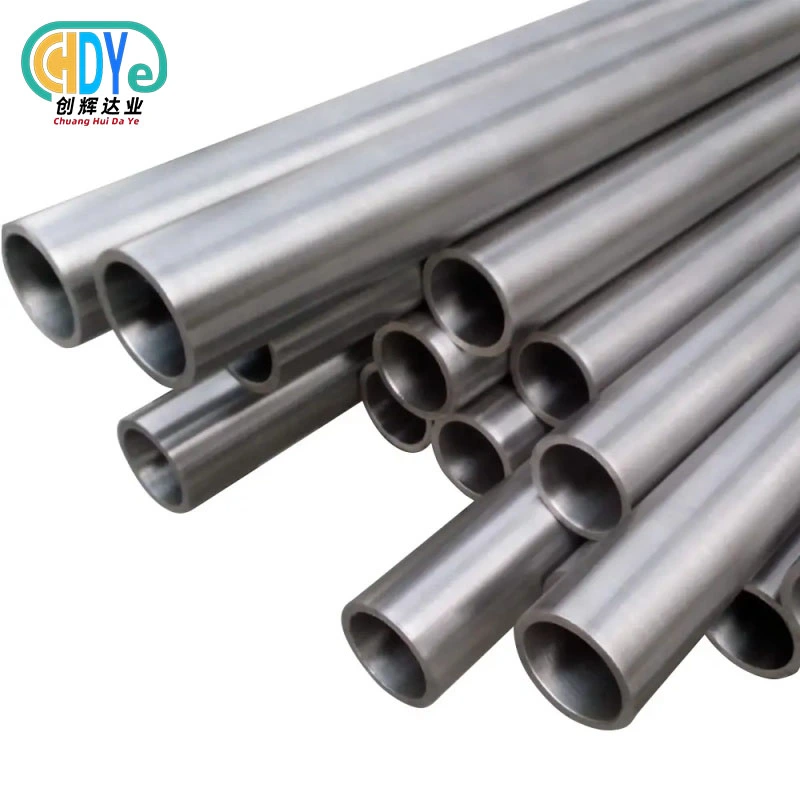
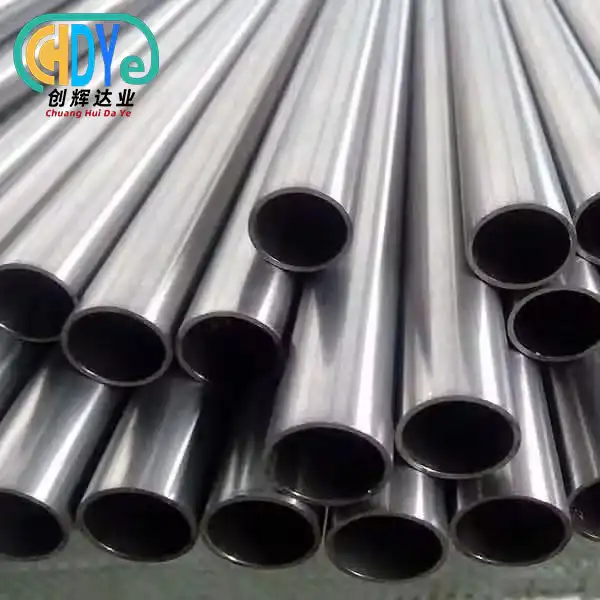
How Does gr2 titanium pipe Deliver Long-Term Corrosion Resistance?
GR2 titanium pipe delivers long-term corrosion resistance through a spontaneously forming, self-healing titanium dioxide (TiO₂) oxide layer that regenerates instantly when damaged. This passive film provides virtual immunity against aggressive chlorides, seawater, acids, and oxidizing environments. With controlled interstitials—maximum oxygen at 0.25%, iron at 0.30%—the commercially pure structure resists pitting, crevice corrosion, and microbiologically influenced degradation. This makes GR2 tubing the standard choice for chemical processing, marine condensers, and desalination systems requiring maintenance-free service for decades.
Understanding GR2 Titanium Pipe and Its Corrosion Resistance
Commercially pure titanium Grade 2 tubing doesn't rust because it has been carefully controlled during the manufacturing process and has a special chemistry on the outside. Titanium naturally bonds with oxygen at the atomic level, making a dense, stick-on oxide barrier that is only nanometres thick. Stainless steels, on the other hand, need chromium to passivate. This layer forms in milliseconds after being exposed to air or moisture, and it fixes itself automatically if it gets scratched or worn down during installation.
The Science Behind the Self-Healing Oxide Layer
When titanium comes into contact with an oxidising environment, like seawater, acidic condensate, or wet chlorine, oxygen atoms move to the top and form a strong bond with titanium atoms. This reaction makes a stable film of TiO₂ that stops more ions from getting in. The film doesn't break down in pH levels between 2 and 12 and can handle temperatures up to 315°C. Protective coats wear off over time, but this oxide regenerates itself, so it will work reliably for decades without needing to be recoated or replaced.
Chemical Composition and Purity Standards
Shaanxi Chuanghui Daye Metal Material Co., Ltd. makes sure that its GR2 tubing meets all ASTM B338 and ASTM B861 standards. Our precise melting process manages interstitial elements that might make the material less flexible or prone to corrosion. It's best to keep the oxygen level below 0.25%, the iron level below 0.30%, and the hydrogen level below 0.015 %. These close limits keep the metal from becoming weak and make sure it can be welded consistently. The alpha-phase microstructure that is made is very easy to shape and can be bent, flared, and made into complicated shapes without breaking.
Comparing Titanium to Traditional Piping Materials
In seawater and brine environments, chloride can cause pitting and stress corrosion cracking in stainless steel 316L, which is often used in corrosive environments. Copper-nickel metals can be used in some coastal situations, but they erode and corrode at speeds higher than 2.5 meters per second. To keep carbon steel from rusting through too quickly, it needs to be maintained, coated, and given cathodic protection all the time. These types of failures don't happen at all with gr2 titanium pipe, which has corrosion rates that are recorded in micrometres per century instead of millimetres per year. This performance edge directly leads to lower lifetime costs, even though the materials cost more at first.
Factors Contributing to Long-Term Corrosion Resistance of GR2 Titanium Pipe
GR2 tubing is very durable in harsh industrial settings because of a combination of its natural qualities and the way it is made. Knowing about these things helps procurement workers choose sellers who can really add value over the long run.
Controlled Interstitial Content and Microstructure
Oxygen, nitrogen, carbon, and iron levels have a direct effect on both the mechanical qualities and the way the metal corrodes. A surface condition called "alpha case" is made when there is too much oxygen above the allowed limits. This can flake off, leaving new metal open to attack. During production, our electron beam melting and vacuum annealing methods keep a close eye on the makeup. Before being machined, each batch goes through positive material identification (PMI) tests to make sure the chemical is correct. Controlled rolling creates a finer alpha-phase grain structure that makes the metal more flexible while keeping the stable oxide formation needed to protect it from rust.
Advanced Manufacturing and Quality Assurance
Precision rolling mills and CNC machining centres are used by Shaanxi Chuanghui Daye to make tubing that is both seamless and bonded and has tight size limits. Our quality system, which is ISO 9001:2015 approved, uses ultrasonic testing according to AMS 2631 to find holes below the surface, eddy current checking to find flaws on the surface, and hydrostatic testing to make sure the pressure stability is correct. Flattening and flare tests show that the material is flexible and won't crack when installed in the field. Each tube comes with a full mill test report that lists the chemical make-up, mechanical properties, and results of a non-destructive examination. This ability to track back gives engineers confidence in the authenticity and performance of the material.
Environmental Resistance Across Diverse Conditions
The protective oxide film on the GR2 tube stays in place in a wide range of working situations. Biofouling and microbiologically influenced corrosion, which quickly destroy carbon steel, don't stick to it when it's in seawater. It keeps chlor-alkali plants from having to deal with the terrible cracking that happens in nickel metals when they work with wet chlorine gas and hypochlorite solutions. Hot brine streams in multi-stage flash desalination units, which can get above 80°C and have more than 40,000 ppm of total dissolved solids, don't hurt titanium piping systems that are made correctly. GR2 works better than more expensive speciality alloys even in mildly reducing sulphurous environments like those found in geothermal power generation.
Comparing GR2 Titanium Pipe Corrosion Resistance with Other Materials
Picking the best material for pipes means looking at how fast it corrodes, how strong it needs to be, how easy it is to make, and how much it will cost to own the whole thing. In this crowded market, GR2 tubing stands out especially.
GR2 Versus Stainless Steel Alloys
Type 316L stainless steel is cheaper at first, but it gets quickly damaged in salt conditions above 60°C. Pitting penetration rates in ocean heat exchangers can reach several millimetres per year, meaning they need to be replaced every 10 to 15 years. Super duplex types, like 2507, are better at resisting chloride, but they can still rust in cracks and require careful bonding to keep them from becoming weak. Gr2 titanium pipe gets rid of all of these problems and can often last for 40 years or more without any upkeep. Titanium is lighter than steel (its density is 4.51 g/cm³ vs. 8.0 g/cm³), which means that offshore and naval systems don't need as much structural support.
GR2 Compared to Other Titanium Grades
GR5 titanium metal (Ti-6Al-4V) has a higher tensile strength, but it costs a lot more and doesn't prevent corrosion as well. This metal has a complicated structure that makes melting and shaping it harder. GR7 is more expensive than other grades because it has palladium in it, which makes it more resistant to reducing acids. It works well in some chemical conditions, though. For most industrial piping uses where there is oxidising and chloride exposure, GR2 is the best combination of resistance to corrosion, ease of fabrication, and cost-effectiveness. Our factories at Chuanghui Daye can also make GR1, GR5, GR7, GR9, GR12, and GR23 when different grades are needed for different applications.
Economic Justification Through Lifecycle Analysis
The real economic benefit of commercially pure titanium tubing can be seen by figuring out its total cost of ownership. Even though the original cost of the materials is three to five times higher than for stainless steel, the lack of upkeep costs, replacement cycles, and unplanned downtime saves a lot of money over the 30-year life of the equipment. Chemical processors say their insurance rates have gone down because there are fewer risks of environmental release. Titanium's high strength-to-weight ratio lets power plants make heat exchangers more efficient by making the tube walls thinner. Marine operators benefit from offshore installations where the topside platform is lighter. Because these benefits add up over time, payback times for important uses are often less than five years.
Buying and Procuring GR2 Titanium Pipes: What You Need to Know
Comparing price quotes is only one part of successful procurement. Other parts include evaluating the supplier's skills, making sure they have the right certifications, and exploring the possibility of a long-term partnership. The following things should be thought about before making a purchase decision.
Supplier Qualification and Certification Verification
Real GR2 material has to meet the chemical and mechanical standards set by ASTM B338 or B861, and each heat lot has to be able to be tracked. Suppliers who aren't honest will sometimes use off-spec junk or lower-grade titanium instead, which lowers the metal's resistance to rust and its mechanical qualities. For important projects, buyers should make sure the seller is ISO 9001:2015 certified, ask for third-party mill test results, and think about supplier audits. Shaanxi Chuanghui Daye keeps full records from where the raw materials come from to the final review. PMI testing is offered to make sure the grade is real. Being in Baoji, China, which is known as the "titanium capital," gives us access to high-quality sponge titanium and state-of-the-art working facilities.
Customization Capabilities and Lead Times
Standard pipe sizes are based on ASTM schedules, but outside widths, wall thicknesses, and lengths need to be changed for many uses. Our CNC machining centres and precision rolling mills can handle unique orders like helically-coiled tubes, U-bend shapes, serpentine coils, and heat exchanger concentric assemblies. In-house flaring, threading, and other end preparations can cut down on installation labour in the field. Lead times for special fabrications are usually between three and eight weeks, but they depend on how complicated the order is and how many are being made. Volume buyers get better pricing and priority for production slots, which improves the project's economics.
Quality Documentation and Compliance Requirements
Aside from basic mill test reports, international projects often need specific certifications. It may be necessary to follow PED for installations in European pressure vessels, ASME Section VIII for work with U.S. boiler and pressure vessel codes, or NACE standards for sour service environments, depending on the end use. We usually give out EN 10204 3.1 material certificates, PMI reports, dimensional inspection data, and records of non-destructive testing. For medical device uses that need GR23 extra-low interstitial titanium, we keep the lots separate and follow special handling procedures. This thorough documentation speeds up the approval process with regulators and lowers the risk of the project.
Practical Applications and Case Studies Demonstrating Corrosion Resistance
Real-world performance data backs up the benefits of commercially pure titanium tubing in several challenging businesses. These examples show that they are reliable and last a long time.
Chemical Processing and Chlor-Alkali Production
In 2005, a chlorine company in North America replaced broken nickel alloy pipes in its electrolysis cell room with Gr2 titanium pipe seamless tubes. Wet chlorine exposure caused the first nickel system to fail within seven years due to pitting. Ultrasonic readings of the titanium pipes' thickness after 18 years of nonstop use show that no metal loss can be seen. The installation got rid of unexpected shutdowns, cut upkeep work by 85%, and made the process safer by getting rid of the risk of leaks. Similar effects have been seen in sulphuric acid concentrators, nitric acid distribution systems, and phosphoric acid cooling loops, where GR2 tubes regularly last decades longer than other materials.
Marine and Offshore Applications
With its chlorides, liquid oxygen, marine animals, and changing temperatures, seawater is one of the most corrosive places that factories work. In 1998, a Gulf of Mexico offshore platform replaced carbon steel lines that needed to be replaced every eight to twelve years with GR2 firewater flood system pipes. The titanium pipes have been exposed to salt spray, humidity, and flooding by seawater for more than 25 years, but they haven't rusted and are still fully pressurised. The lighter weight compared to schedule 80 carbon steel also reduced the structure pressure by about 3,500 pounds, which kept expensive platform changes from having to be made. Coastal power plants that use saltwater to cool their condensers report similar service lives of many decades with no loss of thermal efficiency.
Desalination and Water Treatment Systems
Flash and reverse osmosis desalination plants use hot brine that has many times more total dissolved solids than seawater to clean materials. A desalination plant in the Middle East put GR2 heat exchanger tubing in its MSF evaporators so they could work at temperatures of up to 95°C and brine salinities of more than 70,000 ppm. Eddy current tests showed that no pits or wall thinning occurred after 15 years of constant use. Due to erosion-corrosion and sulphide attack, competing copper-nickel tubes in units next to each other had to be replaced twice in the same time period. The titanium installation improved the heat transfer rate by 40% by using thinner tube walls. This made the plant more efficient overall and eliminated the need for upkeep.
Conclusion
GR2 titanium pipe doesn't rust over time because it has a self-healing titanium dioxide layer on the outside, controlled intermediate chemistry, and is very stable in a wide range of industrial settings. This economically pure grade works better than carbon steel, stainless steel, and copper-nickel metals in chloride-rich, acidic, and marine environments, lasting more than 40 years with little upkeep. Consistent performance is guaranteed by precise manufacturing, strict quality control, and the right certification of materials. GR2 tubing is the best choice for chemical makers, marine engineers, power generators, and desalination workers who want stable, low-cost pipe options. It is resistant to corrosion, has good mechanical qualities, and has a long lifecycle value.
FAQ
Q: How does GR2 compare to GR5 titanium in corrosive environments?
A: When it comes to widely pure titanium, GR2 puts corrosion protection over ultimate strength. This makes it better for use in pipes and heat exchangers. GR5 (Ti-6Al-4V) is an alloyed grade that has a higher tensile strength but is less resistant to corrosion in chloride and seawater. For most industrial piping needs, GR2 is better at resisting chemicals and welds more easily. It also forms without cracking and costs a lot less.
Q: Can GR2 tubing handle dry chlorine gas safely?
A: Not at all. Titanium quickly catches fire in dry chlorine settings, which is very dangerous. For the protective oxide film to stay solid, it needs water—usually at least 0.5% water content. Service with wet chlorine is fine and is often used, but service with dry chlorine needs different materials or humidification systems.
Q: What maximum temperature can GR2 piping withstand?
A: The ASME B31.3 process pipe code says that commercially pure titanium GR2 can only be used at temperatures up to about 315°C (600°F) for a long time. When this level is reached, oxygen starts to mix with the base metal, making an alpha-case layer that is weak and less resistant to rust.
Partner with Chuanghui Daye for High-Performance Titanium Piping Solutions
Shaanxi Chuanghui Daye Metal Material Co., Ltd. has been working with rare metals for more than 30 years and is ISO 9001:2015 certified. They make reliable GR2 titanium pipe for tough industrial uses. Our Baoji plant makes seamless and welded tubes and can track all of the materials used to make them. They can also do special fabrication and make quick prototypes for R&D projects. Our engineering team can help you choose the best materials and make the right specifications, whether you need standard sizes or custom shapes for heat exchangers, chemical reactors, or marine systems. Get in touch with our sales team at info@chdymetal.com to talk about your project needs and get competitive factory-direct prices from a reliable Gr2 titanium pipe supplier.
References
1. Schutz, R.W. and Thomas, D.E. "Corrosion of Titanium and Titanium Alloys," ASM Handbook, Volume 13B: Corrosion: Materials, ASM International, 2005.
2. American Society for Testing and Materials. "ASTM B338-20: Standard Specification for Seamless and Welded Titanium and Titanium Alloy Tubes for Condensers and Heat Exchangers," ASTM International, West Conshohocken, PA, 2020.
3. Covington, L.C. "The Influence of Surface Condition and Environment on the Hydriding of Titanium," Corrosion Journal, Volume 35, Number 8, NACE International, 1979.
4. Balachandran, G. and Ballinger, R.G. "Corrosion Behaviour of Titanium Alloys in Marine Environments: A Review," Materials and Corrosion, Volume 62, Issue 4, Wiley-VCH, 2011.
5. Boyer, R., Welsch, G., and Collings, E.W. "Materials Properties Handbook: Titanium Alloys," ASM International, Materials Park, OH, 1994.
6. Sedriks, A.J. "Corrosion Resistance of Titanium in Chemical Process Equipment," Industrial & Engineering Chemistry Product Research and Development, Volume 22, Number 3, American Chemical Society, 1983.
Learn about our latest products and discounts through SMS or email