- English
- French
- German
- Portuguese
- Spanish
- Russian
- Japanese
- Korean
- Arabic
- Greek
- German
- Turkish
- Italian
- Danish
- Romanian
- Indonesian
- Czech
- Afrikaans
- Swedish
- Polish
- Basque
- Catalan
- Esperanto
- Hindi
- Lao
- Albanian
- Amharic
- Armenian
- Azerbaijani
- Belarusian
- Bengali
- Bosnian
- Bulgarian
- Cebuano
- Chichewa
- Corsican
- Croatian
- Dutch
- Estonian
- Filipino
- Finnish
- Frisian
- Galician
- Georgian
- Gujarati
- Haitian
- Hausa
- Hawaiian
- Hebrew
- Hmong
- Hungarian
- Icelandic
- Igbo
- Javanese
- Kannada
- Kazakh
- Khmer
- Kurdish
- Kyrgyz
- Latin
- Latvian
- Lithuanian
- Luxembou..
- Macedonian
- Malagasy
- Malay
- Malayalam
- Maltese
- Maori
- Marathi
- Mongolian
- Burmese
- Nepali
- Norwegian
- Pashto
- Persian
- Punjabi
- Serbian
- Sesotho
- Sinhala
- Slovak
- Slovenian
- Somali
- Samoan
- Scots Gaelic
- Shona
- Sindhi
- Sundanese
- Swahili
- Tajik
- Tamil
- Telugu
- Thai
- Ukrainian
- Urdu
- Uzbek
- Vietnamese
- Welsh
- Xhosa
- Yiddish
- Yoruba
- Zulu
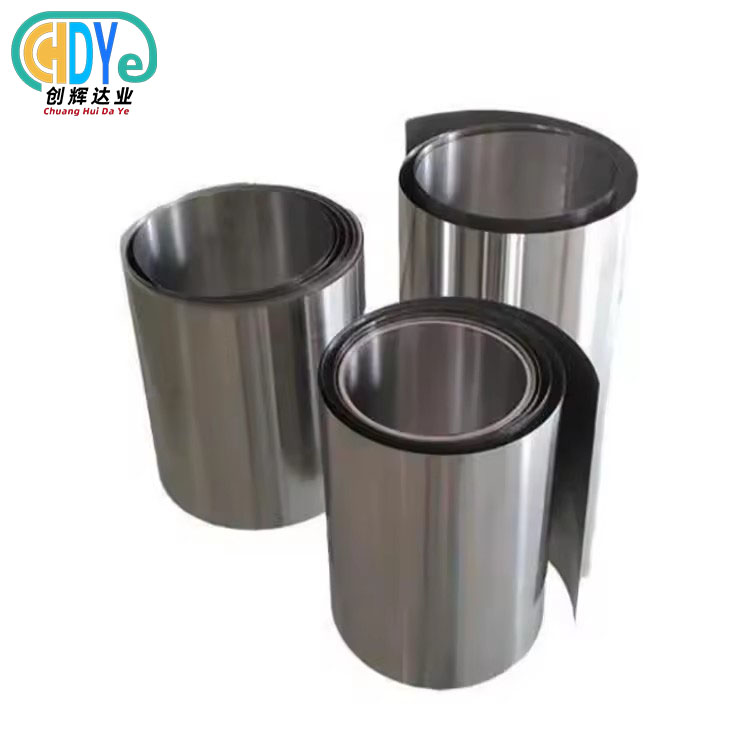
Tantalum Alloy Plate
2.Size: Thickness 0.5-20mm*width50-1200*Length30-2500mm
3.Standard: ASTM B708
4.Delivery: stock size will arrange within 1-3 days, normal production time about 15 working day.
Tantalum Alloy Plate – ASTM B708 Grades R05200, R05240, R05252 and R05255
Reactor linings have to cope with hot acid. High heat hits vacuum furnace parts in the same way. Aerospace components run into it too. For all three we supply Tantalum Alloy Plate to ASTM B708. R05200 is one grade on that spec. R05240 is another. The spec also covers R05252 and R05255. Thickness runs from 0.5 mm to 20 mm at Shaanxi Chuanghui Daye Metal Material Co., Ltd. Widths sit between 50 mm and 1200 mm. Length goes from 30 mm to 2500 mm. Stock sizes we can arrange in 1–3 days. Normal production takes about 15 working days. Send us your drawing and the service conditions. We can help you pick the right grade for the job.
Pure Tantalum and Tungsten-Alloyed Grades
Corrosion-resistant jobs usually start with pure tantalum (UNS R05200). Heat softens it, though. Tungsten (W) is a common answer when you need more strength. Two tungsten grades exist. Ta-2.5W (UNS R05252) is one of them. The other is Ta-10W (UNS R05255). In a Ta-2.5W this product, corrosion resistance and formability stay close to the pure grade. Where strength matters most, go with Ta-10W. R05240 also sits in the range. Ask us for the details before you order.
|
Content, Max, Weight % |
||||
|
Element |
R05200 Uanlloyed Tantalum |
R05255 90% Tantalum 10% Tungsten |
R05252 97.5% Tantalum 2.5% Tungsten |
R05240 60% Tantalum 40% Niobium |
|
C |
0.010 |
0.010 |
0.010 |
0.010 |
|
O |
0.015 |
0.015 |
0.015 |
0.020 |
|
N |
0.010 |
0.010 |
0.010 |
0.010 |
|
H |
0.0015 |
0.0015 |
0.0015 |
0.0015 |
|
Fe |
0.010 |
0.010 |
0.010 |
0.010 |
|
Mo |
0.020 |
0.020 |
0.020 |
0.020 |
|
Nb |
0.100 |
0.100 |
0.50 |
35.0~42.0 |
|
Ni |
0.010 |
0.010 |
0.010 |
0.010 |
|
Si |
0.005 |
0.005 |
0.005 |
0.005 |
|
Ti |
0.010 |
0.010 |
0.010 |
0.010 |
|
W |
0.05 |
9.1~11.0 |
2.0~3.5 |
0.050 |
|
Ta |
Remainder |
Remainder |
Remainder |
Remainder |
As a rule, Ta-2.5W suits acid service with complex forming because of its better ductility. Ta-10W suits high-strength parts such as aerospace components.
Specifications
Use this table to match the plate to your drawing.
 |
 |
 |
 |
 |
 |
 |
 |
Chemical composition limits, mechanical properties, dimensional tolerances and other values are not listed in the data provided for this page. Please request them with your quotation.
Key Advantages
Corrosion resistance. Tantalum sees wide use in hydrochloric acid service. Sulfuric acid and nitric acid service are common too. That includes hot and concentrated conditions. In some of these environments, other metals like Hastelloy or titanium can suffer pitting. Crevice corrosion can hit them too. So can hydrogen embrittlement. Suitability still depends on concentration and temperature. Impurities matter as well. Send us your media for review.
Strength at temperature. Hot pure tantalum goes soft. Add tungsten and both strength and creep resistance climb above the pure grade. For high-strength parts in vacuum, Ta-10W is the pick.
Equipment life. Used as a liner or structural part in chemical reactors, a Tantalum Alloy Plate can reduce maintenance shutdowns caused by acid attack. Material cost is higher than for many alternatives, so the decision usually rests on service life and downtime costs.
Applications
- Chemical process industry: This covers heat exchanger tube sheets. It also covers cladding for bayonet heaters and linings for distillation columns. In these places, you have to stop process fluid contamination and avoid equipment failure.
- Aerospace: In aerospace, Ta-10W plate gets machined into inserts for rocket nozzles. It also goes into propulsion parts. Those parts need strength at high heat.
- Vacuum furnaces and nuclear: Inside a high-temperature vacuum furnace, aplatee can do the job of a heating element. A heat shield is another role it fills. It can carry structural loads too. Nuclear work accounts for only a small share. Liquid metal containment makes up most of that share. Against liquid sodium and potassium at high heat, this metal holds up well.
Be used in a wide range of industries.
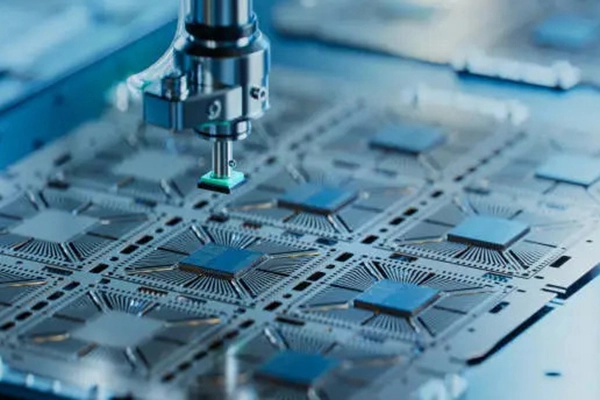
Electronic devices
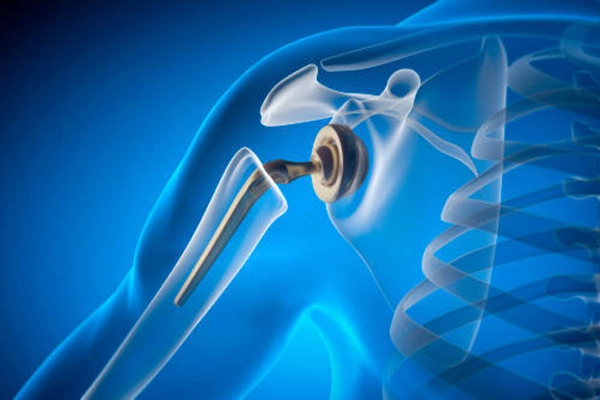
Medical implants
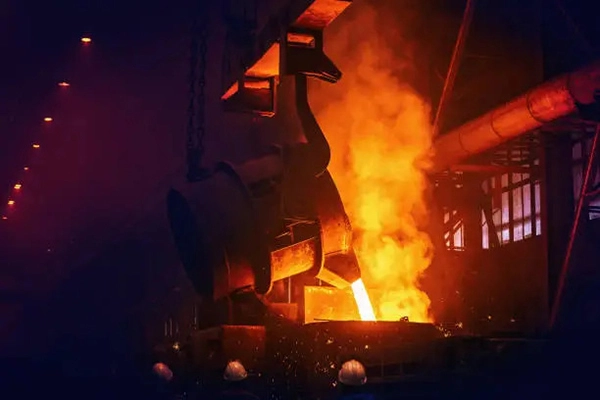
Steel industry
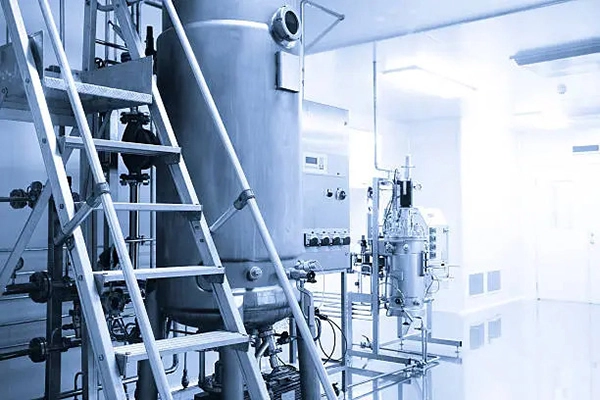
Chemical Processing
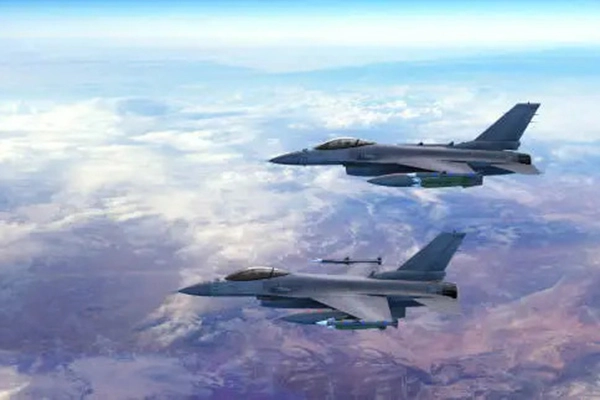
Aerospace and Defense
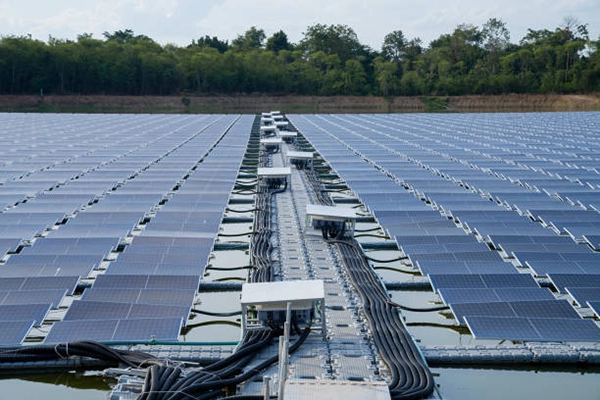
Energy and Environmental Engineering
Tantalum Alloy Plate Quality and Surface Condition
Most plates arrive annealed. Pickled and machined forms are common as well. When you order, tell us which condition you want. The surface needs to be bright and clean. No grease or oil should sit on it. A finish like that helps keep the oxide layer intact.
Flatness counts when the plate is going to line or clad steel. Air gaps can open up if flatness is poor. Those gaps get in the way of heat transfer and mechanical stability. So put your flatness requirement in the inquiry.

Fabrication and Operating Limits
Welding needs a very clean setup. Do the work in a high-purity argon chamber. Running under vacuum works too (EB welding). Shield the root and the face until the metal falls below 250 °C. Oxide contamination stays out that way. Tantalum welds to itself only, or to other refractory metals such as niobium.
At about 260 to 300 °C, oxidation in air begins. Past 500 °C, gas pickup grows strong enough to leave the metal badly brittle. In chemical service, the fluid's boiling point normally sets the practical ceiling. Often that point sits below 250 °C. Take all of this as general guidance. Check it against the conditions of your own design.
Ordering and Delivery
Send us the grade and the thickness when you need a price on Tantalum Alloy Plate. We also need the width and the length, along with the surface condition and the service environment. If the plate is going to line or clad steel, add your flatness requirements. Tell us the working temperature too, and which media will touch the plate. Delivery times appear in the specification table above.
About Shaanxi Chuanghui Daye
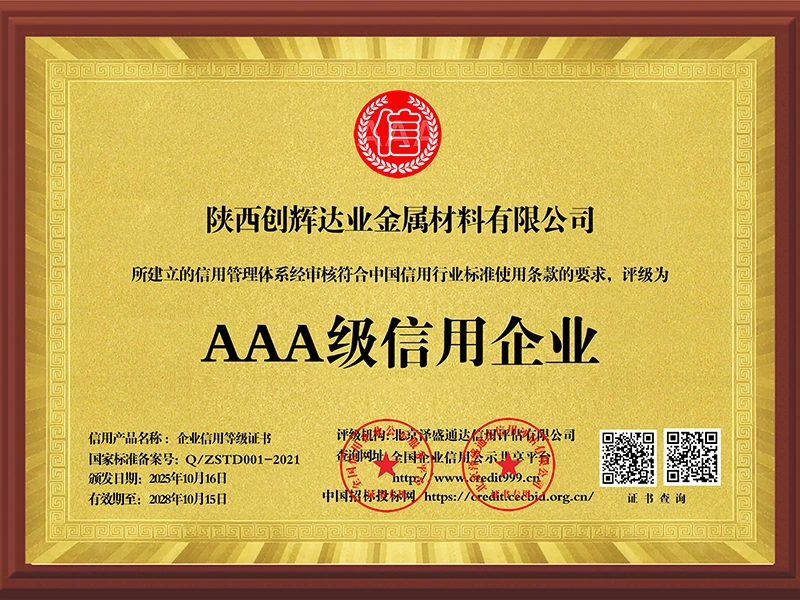
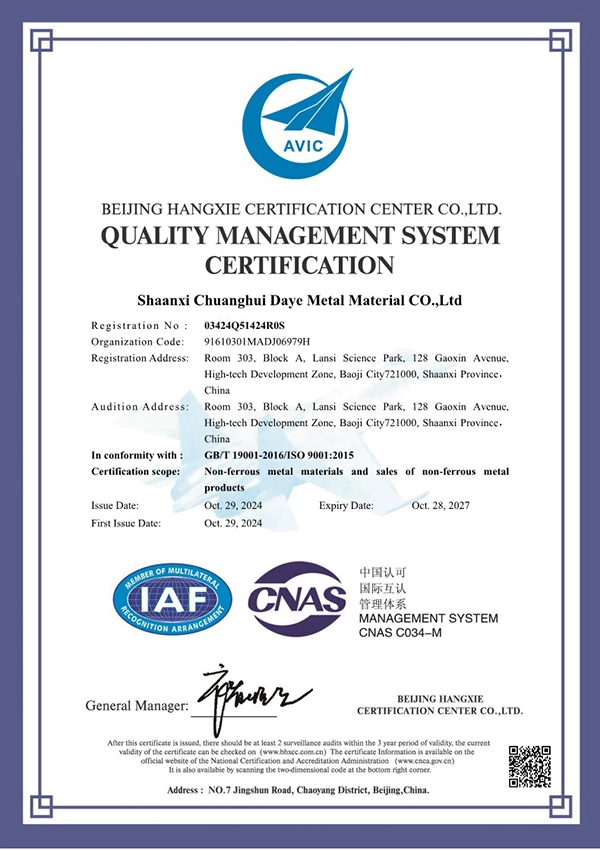
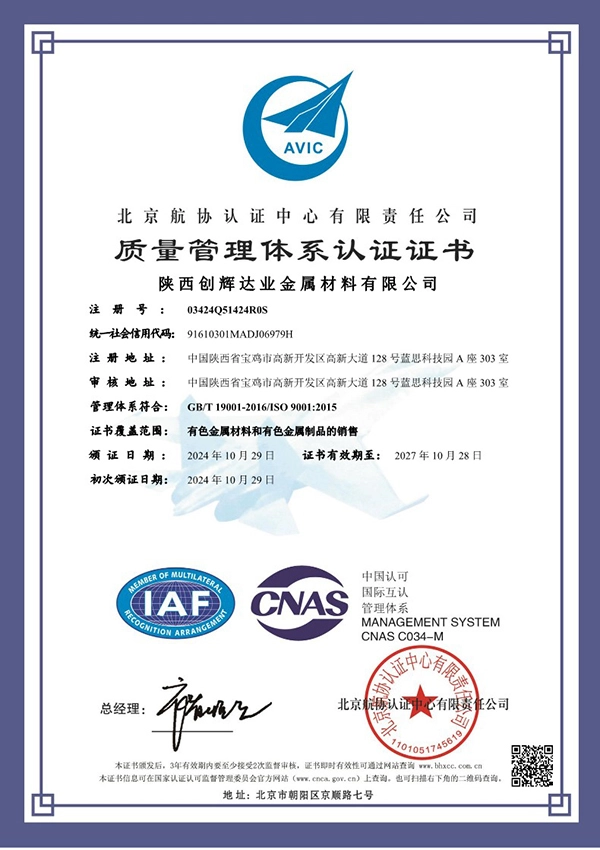
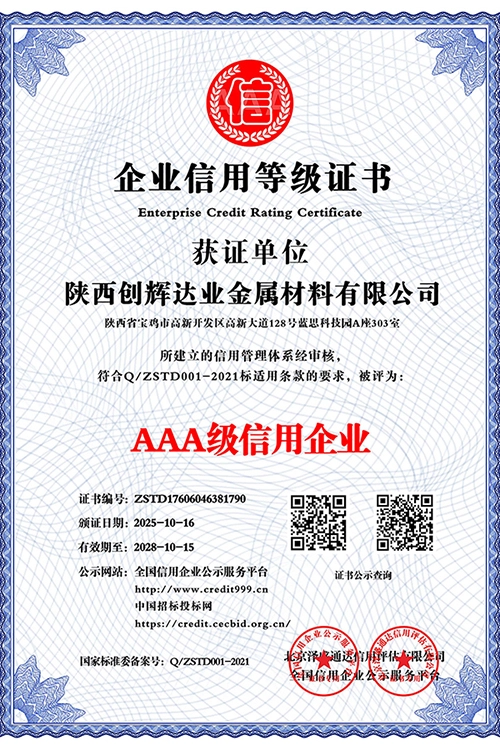
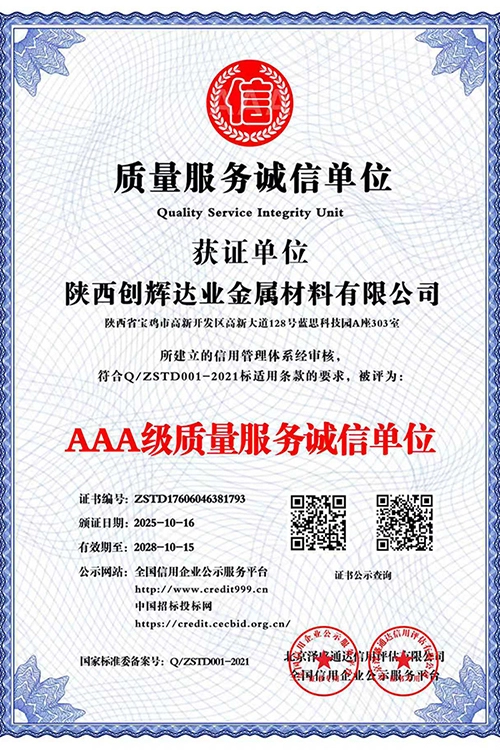
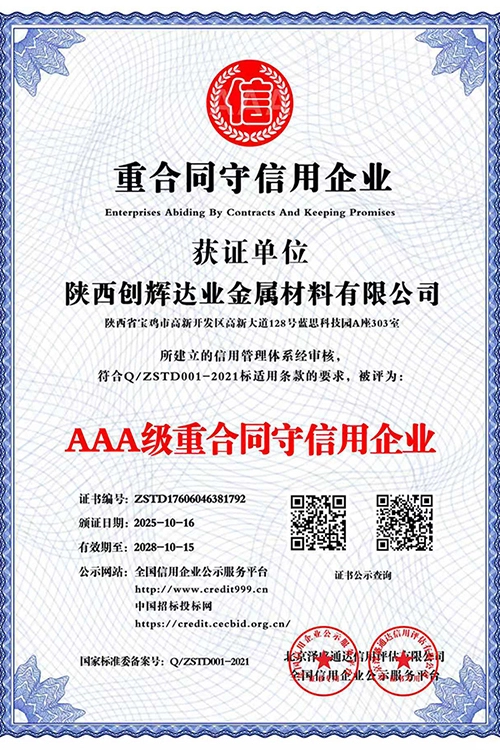
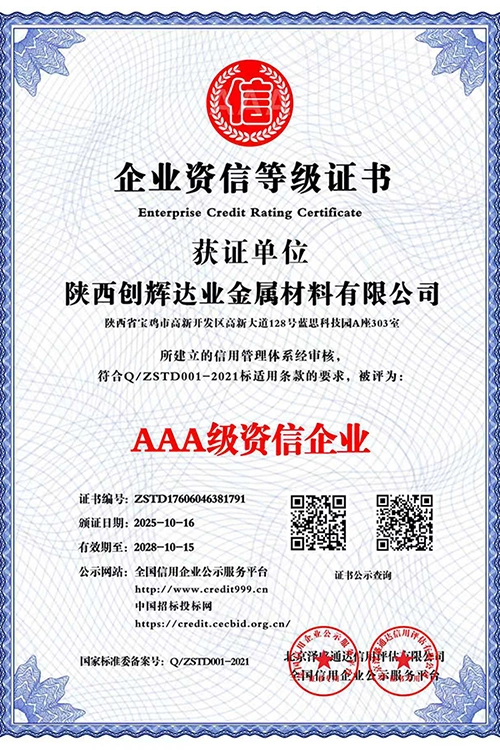
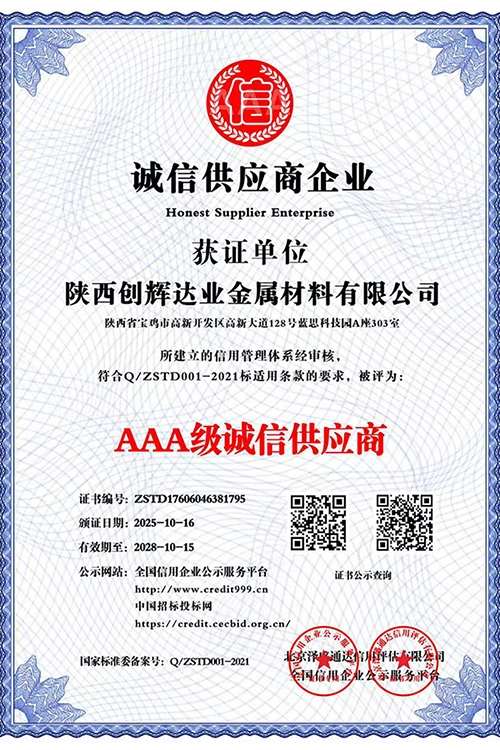
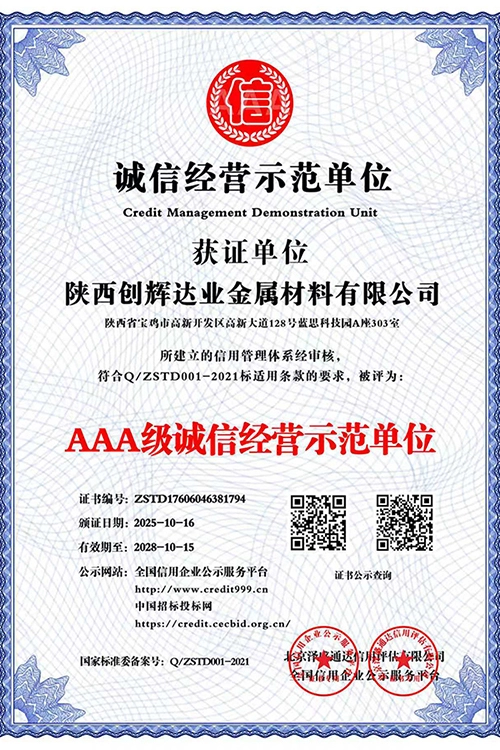
Shaanxi Chuanghui Daye Metal Material Co., Ltd. sits in the Baoji High-tech Development Zone in Shaanxi Province, a place people often call China's "Titanium Capital." Our founder brings more than 30 years of experience in the rare metal industry.
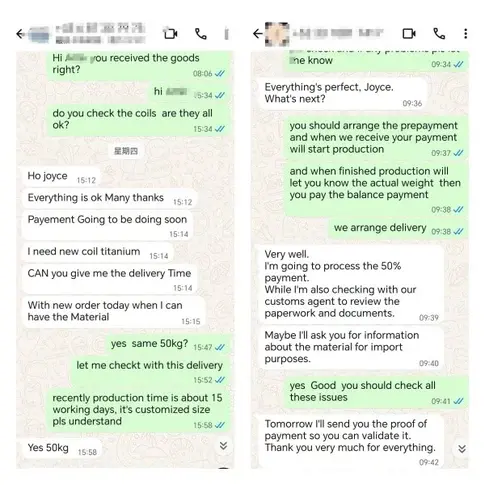
Titanium and tantalum are part of what we supply. Niobium is there too. Tungsten and molybdenum are also on the list. Zirconium and nickel are included too. Other non-ferrous and rare metals fill out the range. These products serve metallurgy and electronics. Medical work and special steel production use them too. We have shipped to the United States and Germany. South Korea and Singapore have received orders. Deliveries also reach more than 50 countries and regions.


 |
 |
 |
|
|
|
|
|
 |
 |
 |
 |


 |
 |
 |
 |
 |
 |
FAQ
1. What is the main difference between pure tantalum (R05200) and Ta-2.5W (R05252)? Strength. Ta-2.5W is stronger than the pure grade while keeping similar corrosion resistance and formability, so it may allow thinner gauge in some designs.
2. Can the plate be used in air at high temperature? No. Oxidation starts above roughly 260–300 °C, and above 500 °C the metal becomes severely brittle. Use vacuum, inert gas or a protective coating.
3. Can I weld the plate to stainless steel? Direct fusion welding is not recommended because it forms brittle intermetallic compounds. Mechanical fastening, explosion bonding or loose lining are the usual alternatives.
4. Does Ta-10W resist corrosion as well as Ta-2.5W? Corrosion behavior depends on the medium, concentration and temperature, so send us your conditions. Ta-10W is mainly chosen for high-strength aerospace parts, while Ta-2.5W is preferred for acid service with complex forming.
5. Is the plate prone to hydrogen embrittlement? It can be. Galvanic contact with less noble metals in an electrolyte can lead to atomic hydrogen uptake. Platinum spotting is one measure used to reduce this risk, and the design should be reviewed for each application.
Contact Us
Send your grade, size and service conditions to info@chdymetal.com, and the Shaanxi Chuanghui Daye team will reply with a Tantalum Alloy Plate quotation.
Learn about our latest products and discounts through SMS or email