- English
- French
- German
- Portuguese
- Spanish
- Russian
- Japanese
- Korean
- Arabic
- Greek
- German
- Turkish
- Italian
- Danish
- Romanian
- Indonesian
- Czech
- Afrikaans
- Swedish
- Polish
- Basque
- Catalan
- Esperanto
- Hindi
- Lao
- Albanian
- Amharic
- Armenian
- Azerbaijani
- Belarusian
- Bengali
- Bosnian
- Bulgarian
- Cebuano
- Chichewa
- Corsican
- Croatian
- Dutch
- Estonian
- Filipino
- Finnish
- Frisian
- Galician
- Georgian
- Gujarati
- Haitian
- Hausa
- Hawaiian
- Hebrew
- Hmong
- Hungarian
- Icelandic
- Igbo
- Javanese
- Kannada
- Kazakh
- Khmer
- Kurdish
- Kyrgyz
- Latin
- Latvian
- Lithuanian
- Luxembou..
- Macedonian
- Malagasy
- Malay
- Malayalam
- Maltese
- Maori
- Marathi
- Mongolian
- Burmese
- Nepali
- Norwegian
- Pashto
- Persian
- Punjabi
- Serbian
- Sesotho
- Sinhala
- Slovak
- Slovenian
- Somali
- Samoan
- Scots Gaelic
- Shona
- Sindhi
- Sundanese
- Swahili
- Tajik
- Tamil
- Telugu
- Thai
- Ukrainian
- Urdu
- Uzbek
- Vietnamese
- Welsh
- Xhosa
- Yiddish
- Yoruba
- Zulu
Titanium Anode Assembly
Substrate:Titanium Gr1, Gr2
Coating Type:Mixed Ruthenium-Iridium oxide, Ir-ta , platinum as coating
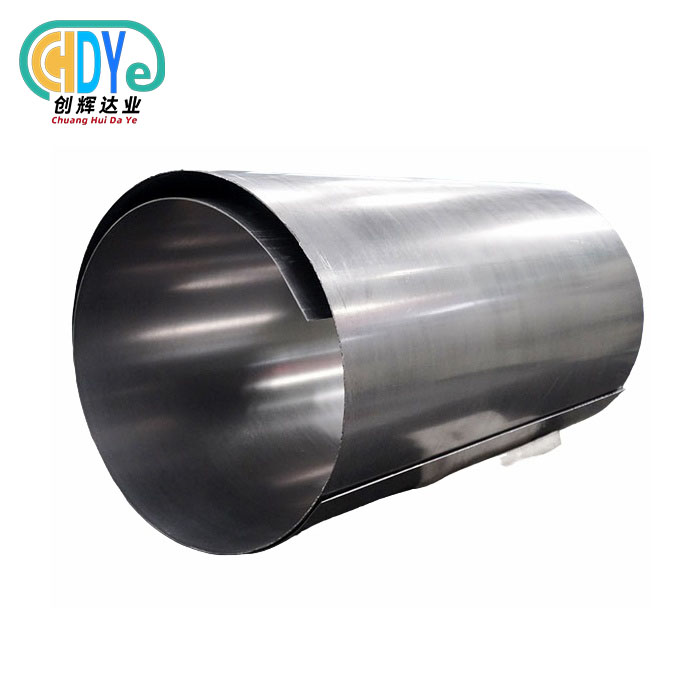
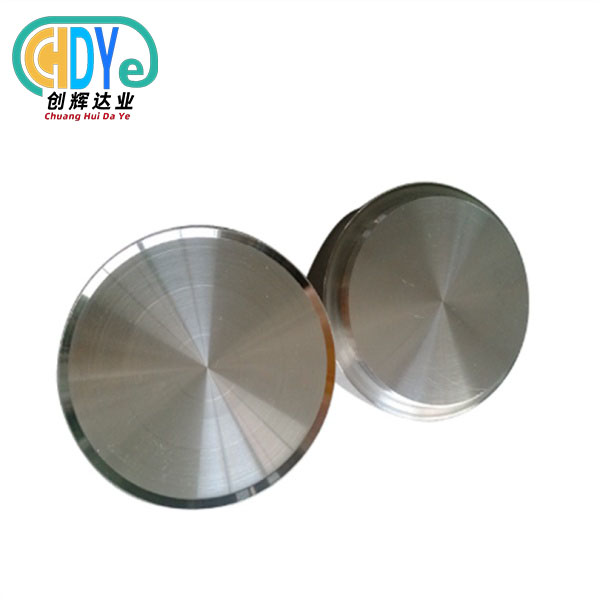
Shape:Plate/Mesh/Tube/Rod/Wire/Disc or Customized as the design drawing
Titanium Anode Assembly for Electrolysis, Water Treatment and Cathodic Protection
Baoji, China is where Shaanxi Chuanghui Daye Metal Material Co., Ltd. (Chdymetal) runs its operation. Among the goods the firm supplies is a Titanium Anode Assembly. Every unit carries a titanium base in Grade 1 or Grade 2, plus a mixed metal oxide coating. Ruthenium-Iridium is one coating you can pick. Iridium-Tantalum is a second. Platinum makes three. Thickness runs from 2 μm to 20 μm. That number follows the service life you need. Current density can go as high as 2000 A/m². Which pH range you get, 0 to 14, comes down to the coating. Electrolysis is one job it does. Water treatment is another. Cathodic protection rounds out the list.
Overview
Chdymetal supplies several anode assembly designs and accepts customization. Each unit is built on titanium Gr1 or Gr2 and finished with a Ru-Ir, Ir-Ta or platinum coating. Available shapes include plate, mesh, tube, rod, wire and disc, or any form from your drawing. The founder has more than 30 years of experience in the rare metal industry, and Chdymetal products have been supplied to more than 50 countries, including the United States, Germany, South Korea and Singapore.
Specifications
|
Substrate |
Titanium Gr1, Gr2 |
|
Coating Type |
Mixed Ruthenium-Iridium oxide, Ir-ta , Ru-ir-Sn, platinum as coating |
|
Shape |
Plate/Mesh/Tube/Rod/Wire/Disc or Customized as the design drawing |
|
Technology |
Sand blasting, Acid Washing, Coating Brushing, High Temperature Sintering, Annealing |
|
Working |
1. Current density≤2000A/M2 (sodium hypochlorite)≤500A/M2 (sodium chlorate) |
|
Application |
1. Sewage Treatment |
|
Remark |
1. Titanium anode also called MMO anode,DSA & Insoluble anode |
Parameters not listed above are not specified on this page. Send your drawing and working conditions to confirm them.

What Is Inside the Assembly
An anode plate on its own does only part of the job. This this product brings in a structural housing. It also adds electrical busbars. Sealing gaskets are part of the build. Flow channels are too. The result works as a full cell or module.
- Dimensional stability: The gap between electrodes holds steady. Anodes made from graphite or lead do not keep that gap.
- Lower power use: A lower cell voltage pulls less power. You save anywhere from 10% to 20%. Cell design sets the final number, and so does the way the cell runs.
- Reverse polarity capability: Scale gathers on the surface. Change the polarity on a set schedule, and the scale comes off.
- Modular design: A whole unit comes out and a new one goes in. Maintenance takes less time that way.
- Sealed connections: Enclosed units get EPDM or PTFE seals. Titanium-clad copper bars are used too. Together they tackle electrolyte leakage and connection corrosion inside high-density cells.
Be used in a wide range of industries.

Seawater electrolysis

Marine aquaculture

Chlor-alkali industry

Cathodic protection

Electroplating industry

Non-ferrous metal electrolytic extraction
Choosing Your Coating
Chlorine or oxygen evolution overpotential stays low thanks to the nano-scale MMO coating. Short service targets for the Titanium Anode Assembly call for thinner coatings. Longer ones need thicker coatings, up to 20 μm.
- Ru-Ir: Ru-Ir handles chlorine evolution. You often find it in saltwater chlorination. Chlor-alkali is another common job for it.
- Ir-Ta: Oxygen evolution is the job Ir-Ta handles. Sulfuric acid plating is one place it shows up. Cathodic protection is a second. Oxidation resistance comes out stronger with it too.
- Platinum: On a few designs, platinum appears as a coating.
Applications
- Electro-chlorination and water treatment: The assembly can serve as a generating cell that produces sodium hypochlorite. City water systems rely on this setup. Ballast water systems do the same. Flip the polarity and scale from magnesium and calcium in seawater builds up more slowly. Bipolar layouts also take up less space.
- Hydrometallurgy (electrowinning): Lead alloys can be swapped for titanium at plants that make copper. Nickel plants can do the same. So can cobalt plants. The product stays cleaner and the energy bill goes down. Sulfuric acid electrolytes are handled by the unit. It also deals with the mechanical stress that harvesting brings.
- Impressed current cathodic protection (ICCP): Tubular versions and ribbon mesh versions both appear on offshore platforms and buried pipelines. A controlled protection current reaches the steel structure from everyassemblyy. Cable connections keep water out only when their seals are rated for the working depth.
Quality Control
How long does the catalyst last? We check that. Structural integrity gets checked as well. Two things count here:
- Coating thickness and composition: X-Ray Fluorescence (XRF) tells you how much precious metal is loaded, in g/m².
- Adhesion: Will the coating peel off? The tape test (ASTM D3359) answers that.
- Accelerated life test (NACE TM0108 equivalent): A sacrificial sample is run at 20,000 A/m² in sulfuric acid. Lifespan estimates come from that run.
- Leak testing: Enclosed assemblies go through hydrostatic pressure tests. A helium leak check comes next. Together they confirm the EPDM or PTFE seals hold.
- Visual and dimensional inspection: Flatness gets checked. Connection alignment gets checked too. Short circuits stay out of narrow-gap cells this way.


Lifespan, Recoating and Maintenance of Titanium Anode Assembly
Current density and the electrolyte decide how long a coating lasts. Pool chlorinators usually run 3 to 5 years. On industrial electrowinning units you can reach 7 to 10 years. Wear works out to about 1 mg to 2 mg per amp-year.
Recoating is one way to bring the cost down. The titanium substrate usually does not corrode, so molten salt or sandblasting can strip the old coating off, and then the unit gets recoated. Savings of 60% to 70% against a new unit are possible. How much you save depends on the substrate's condition.
The connections are copper bars clad in titanium. A joint that sits underwater gets hermetically sealed. Welding it with a titanium overlay is the other way to go. That overlay has to be thick enough to stop crevice corrosion.
Customization and Ordering
Send us your drawing. The shape you need is the one we build. Let us know your electrolyte as well, and the current density you work at. Cell size matters just as much as target lifespan. Those details settle the coating type, how thick it is, and which seal material goes into your Titanium Anode Assembly. Packing gets confirmed along with your quotation.

About Chdymetal
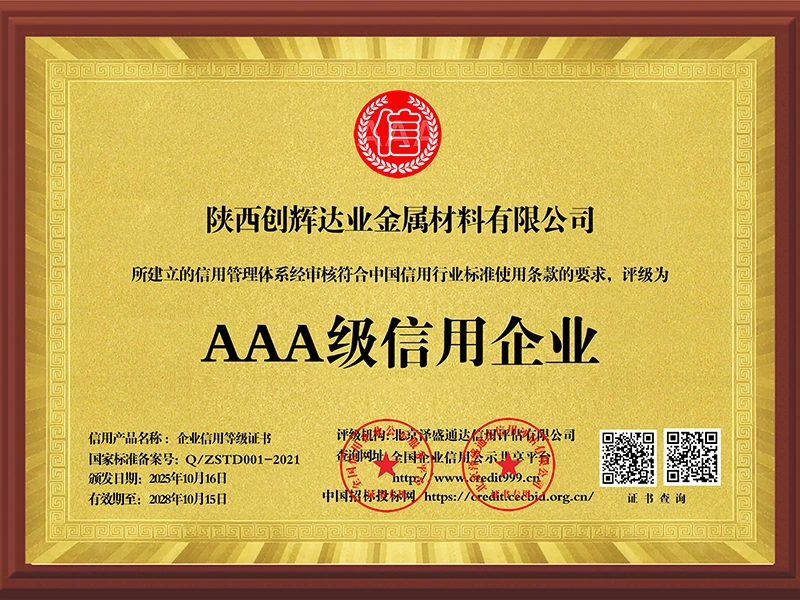
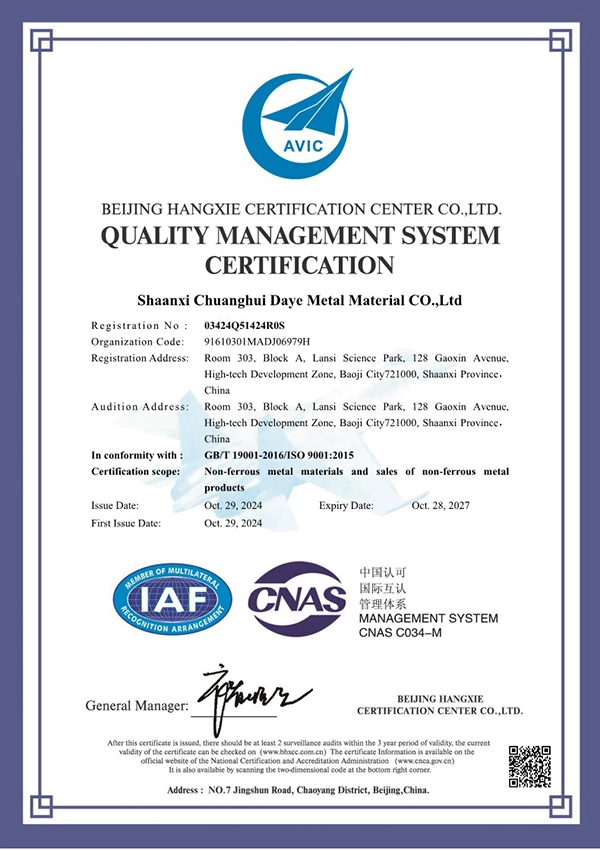
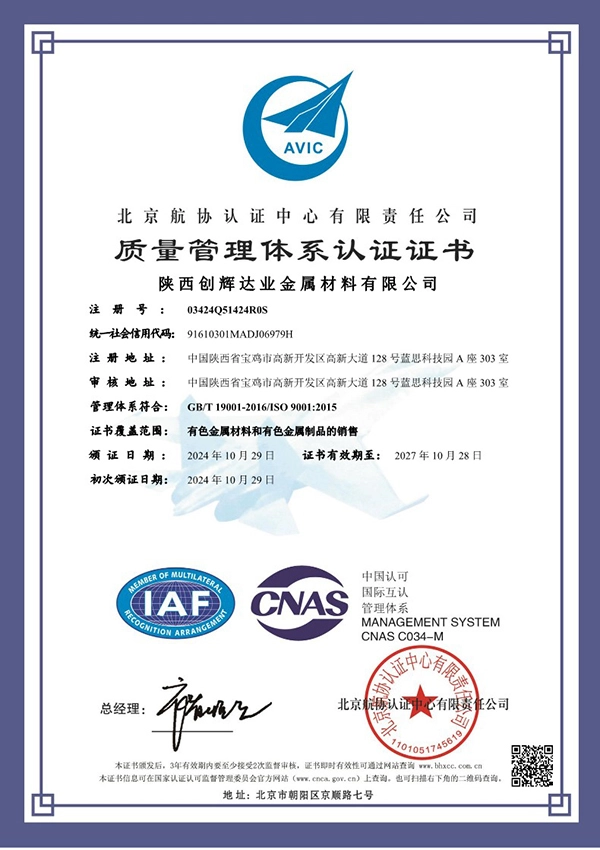
Baoji is where our base sits, right in the middle of China's titanium industry. The region is often called China's "Titanium Capital." Tantalum and niobium are part of what we supply. So are tungsten, molybdenum, zirconium and nickel. Goods like these reach metallurgy, electronics, medical work and the special steel field.

 |
 |
 |
 |
 |
 |
 |
 |
 |
 |
 |
|
|
|
|
|
 |
 |
 |
 |


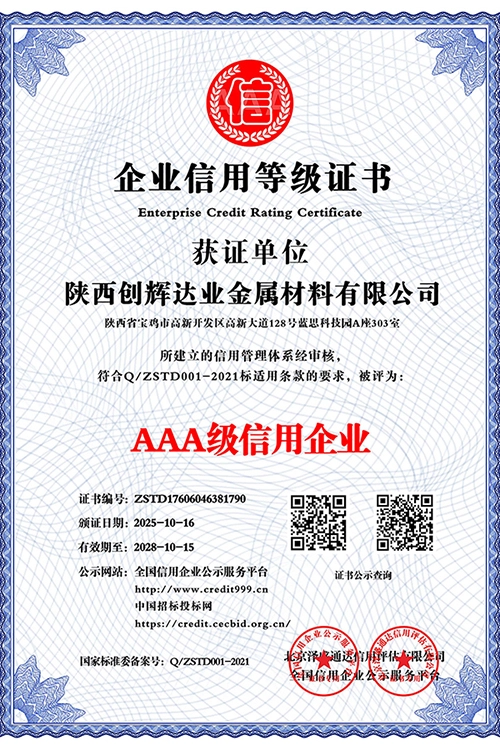 |
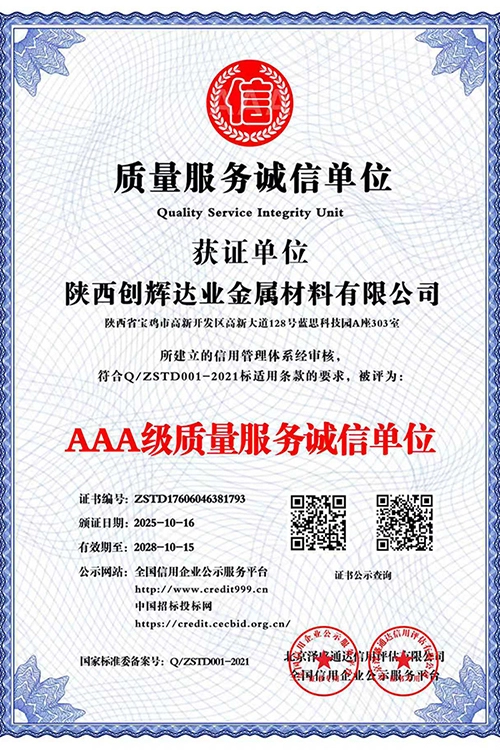 |
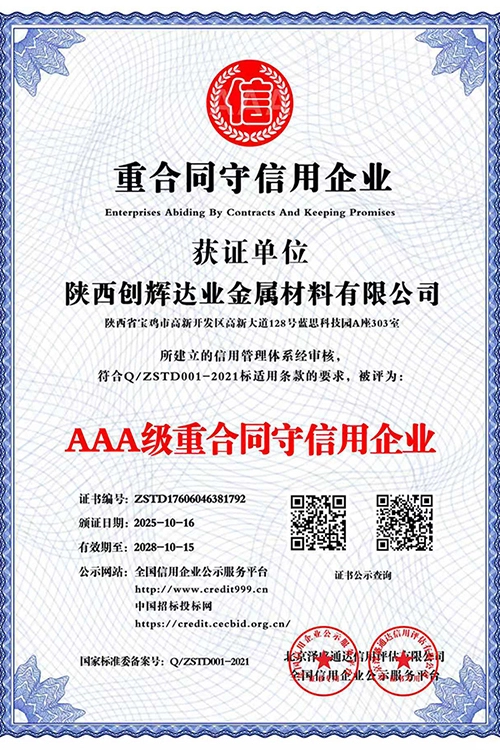 |
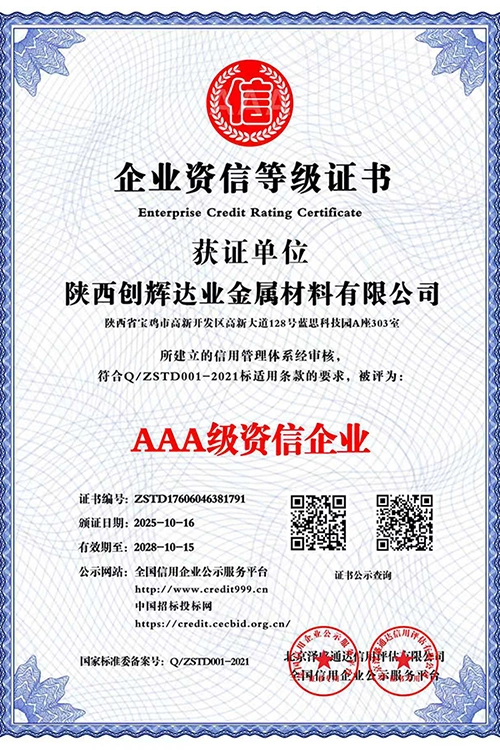 |
 |
 |
FAQ
Q: Once the coating goes inactive, can the assembly be recoated?
A: Yes. Take it apart first. Then you strip the old coating off, either with molten salt or by sandblasting. After that, recoat it.
Q: What about scaling when the water is hard?
A: Go with a reverse polarity design. We modify the Ru-Ir based coating so it can handle periodic polarity reversals. Scale then comes off the surface more easily.
Q: What lifespan can I expect?
A: Two things matter here: current density and the electrolyte. Most pool chlorinators run 3 to 5 years. Industrial electrowinning units can reach 7 to 10 years.
Q: How do you stop the connections from corroding?
A: The bars are copper with a titanium cladding. Connections that sit underwater get a hermetic seal. You can also weld on a titanium overlay. Make it thick enough and crevice corrosion never gets started.
Q: Should I choose Ir-Ta or Ru-Ir?
A: Choose Ru-Ir for chlorine evolution. Choose Ir-Ta for oxygen evolution, where higher oxidation resistance matters.
Q: Do you accept custom shapes?
A: Yes. Plate and mesh come from us. Tube, rod and wire too. We also make discs. Send your design drawing and we will build This product to match it.
Contact Us
Send your drawing, electrolyte, current density, target lifespan and cell size to info@chdymetal.com. We will reply with a quotation for your Titanium Anode Assembly.
Learn about our latest products and discounts through SMS or email