- English
- French
- German
- Portuguese
- Spanish
- Russian
- Japanese
- Korean
- Arabic
- Greek
- German
- Turkish
- Italian
- Danish
- Romanian
- Indonesian
- Czech
- Afrikaans
- Swedish
- Polish
- Basque
- Catalan
- Esperanto
- Hindi
- Lao
- Albanian
- Amharic
- Armenian
- Azerbaijani
- Belarusian
- Bengali
- Bosnian
- Bulgarian
- Cebuano
- Chichewa
- Corsican
- Croatian
- Dutch
- Estonian
- Filipino
- Finnish
- Frisian
- Galician
- Georgian
- Gujarati
- Haitian
- Hausa
- Hawaiian
- Hebrew
- Hmong
- Hungarian
- Icelandic
- Igbo
- Javanese
- Kannada
- Kazakh
- Khmer
- Kurdish
- Kyrgyz
- Latin
- Latvian
- Lithuanian
- Luxembou..
- Macedonian
- Malagasy
- Malay
- Malayalam
- Maltese
- Maori
- Marathi
- Mongolian
- Burmese
- Nepali
- Norwegian
- Pashto
- Persian
- Punjabi
- Serbian
- Sesotho
- Sinhala
- Slovak
- Slovenian
- Somali
- Samoan
- Scots Gaelic
- Shona
- Sindhi
- Sundanese
- Swahili
- Tajik
- Tamil
- Telugu
- Thai
- Ukrainian
- Urdu
- Uzbek
- Vietnamese
- Welsh
- Xhosa
- Yiddish
- Yoruba
- Zulu
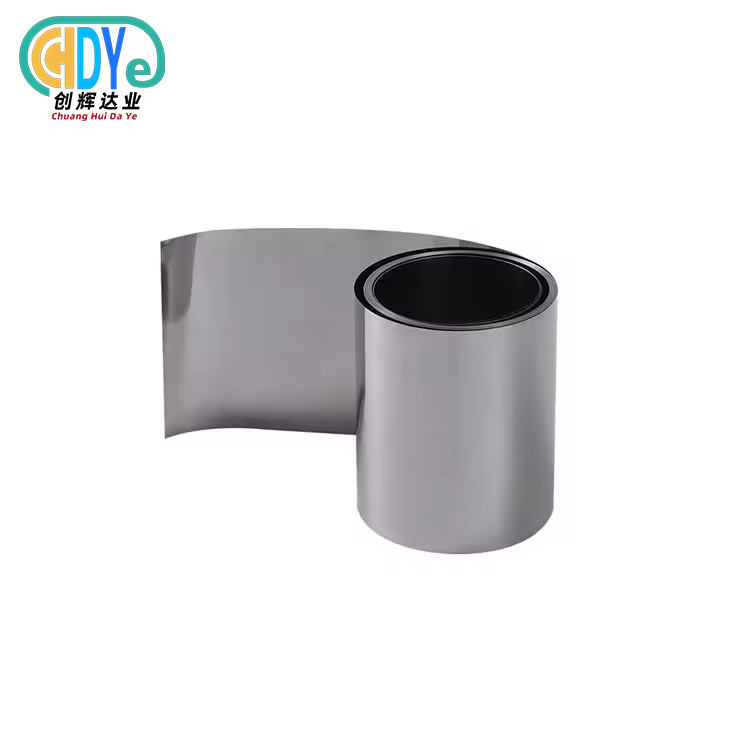
Ti-6Al-4V Titanium Sheet
Ti-6Al-4V Titanium Sheet for Aerospace, Medical and Marine Use
Shaanxi Chuanghui Daye Metal Material Co., Ltd. sits in Baoji High-tech Development Zone, China's titanium hub. The company supplies Ti-6Al-4V Titanium Sheet. This alpha-beta alloy contains 6% aluminum and 4% vanadium. Its listed minimum tensile strength is 895 MPa. Minimum yield strength comes in at 828 MPa, and density is 4.43 g/cm³. Aerospace projects use these properties for weight-sensitive parts. Medical and marine projects need them for the same reason. Products from the company go to metallurgy and electronics as well. Medical and special steel fields are served too. Tell us the standard you need. Share the thickness and finish. Add your inspection needs. Our team will confirm availability and send a quote.
Alloy Profile
Ti-6Al-4V is one of the most widely used titanium alloys. Its microstructure is dual phase, alpha and beta. That structure delivers high strength. Weight stays low. Corrosion resistance holds up well too.
Airframe structures use the sheet form. So do implant components and engine parts. Marine equipment relies on it too. Strength-to-weight ratio and fatigue performance matter in these uses. The source data does not list the thickness range. Width and length are missing too. Confirm them with us before ordering.
Specifications
The table below shows the values for this product exactly as given in the source specification data.
| Property | Specification |
|---|---|
| Material | Ti-6Al-4V (Grade 5) |
| Standard | ASTM B265 / AMS 4911 / ISO 5832-3 |
| Thickness Range | 0.5 mm – 60 mm |
| Width Range | 100 mm – 1500 mm |
| Length Range | 500 mm – 4000 mm |
| Tensile Strength | ≥ 895 MPa |
| Yield Strength | ≥ 830 MPa |
| Elongation | ≥ 10% |
| Density | 4.43 g/cm³ |
| Surface Finish | Pickled / Polished / Bright / Brushed |
Standards named in the source data are ASTM B265, AMS 4911 (aerospace) and ISO 5832-3.
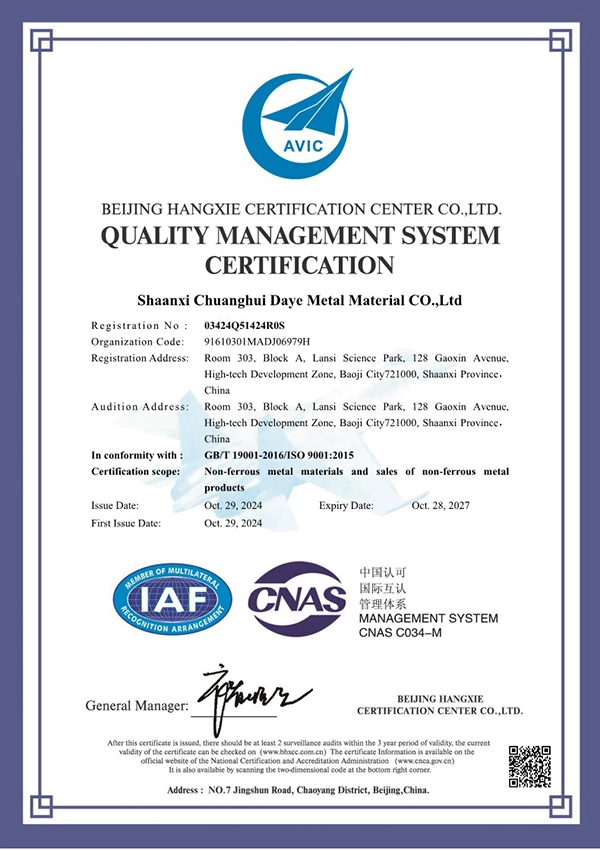
A few details are missing from the source data. Thickness and width are not given, and neither is length. The same goes for tolerances, delivery condition, MOQ, lead time and certificates. That is why none of them show up here. Send your inquiry and we will confirm each one with you.

Key Advantages
At 4.43 g/cm³, this sheet is light. Steel is much heavier. Airframes and racing chassis panels gain from the lower weight, and so do other parts that carry load.
This sheet can be shaped with two methods: superplastic forming and diffusion bonding (SPF/DB). Go with commercially pure (CP) grades. Ti-6Al-4V tends to be stronger than those grades. It also holds up better under fatigue.
Applications
Aerospace structures: Airframe skins, bulkhead panels and jet engine cowlings are the usual parts. Most aerospace orders point to AMS 4911. Write the specification you need into your inquiry.
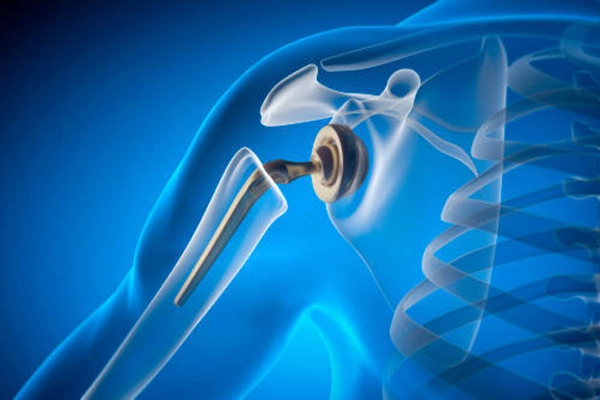
Biomedical implants: Maxillofacial plates and skull repair mesh are common parts. Fixation trays show up as well. Magnets have no effect on this alloy. Its elastic modulus is 114 GPa. Stainless steel is higher, and that lower figure is one reason people consider it for implants. On medical orders, spell out the standard that applies, such as ISO 5832-3. Also say if Grade 23 (ELI) is what you need.
Automotive and marine: You will find alloy parts in valve spring retainers. Racing chassis panels use the metal as well, since it lowers weight. Offshore equipment guards depend on it too. Titanium forms a steady oxide layer, and this layer holds up well against seawater corrosion.
Inspection and Documentation
Settle the inspection scope and the reports you need before you order Ti-6Al-4V Titanium Sheet. The items below are the ones people usually specify:
- Chemical composition: Check the interstitial elements, and pay closest attention to oxygen. High oxygen levels reduce ductility and fracture toughness.
- Ultrasonic testing (UT): Internal laminations and voids show up with this method. Hard alpha defects and other inclusions turn up too. Fatigue cracks can start at flaws like these.
- Microstructure examination: The alpha-beta phase distribution is what gets checked here. Depth of the alpha case matters as well. That surface layer holds extra oxygen, and pickling or chemical milling takes it off.
- Mechanical testing: Your application needs a set strength, and bend and tensile tests show it. Formability gets confirmed too.
Ask us which of these items and which test reports are available for your order.
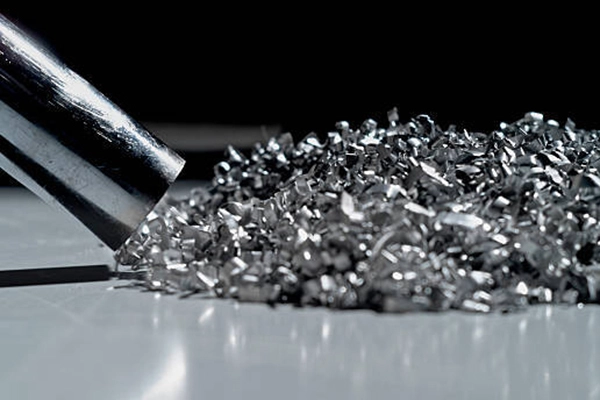
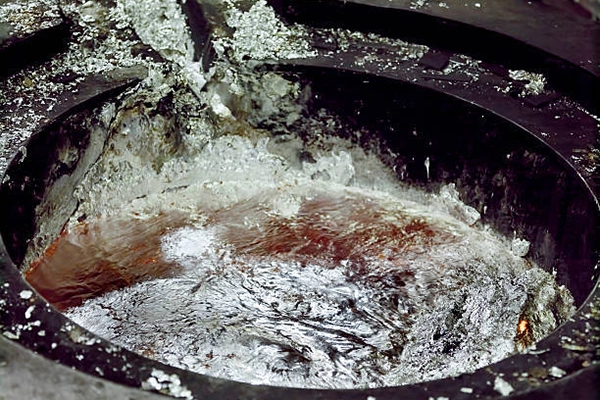
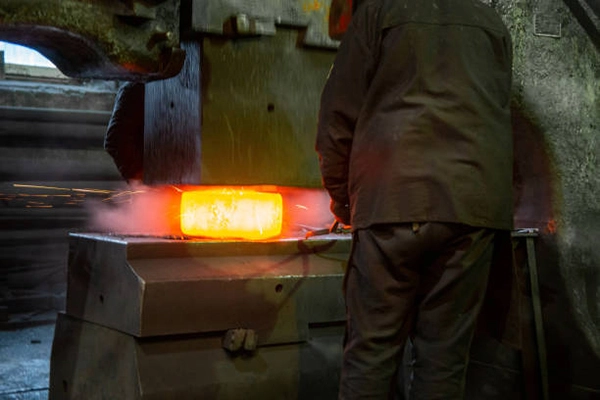
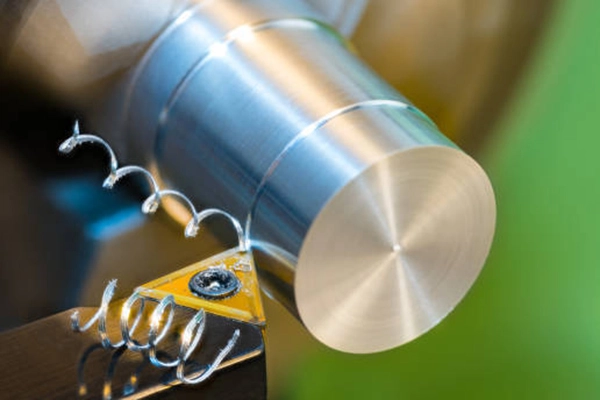
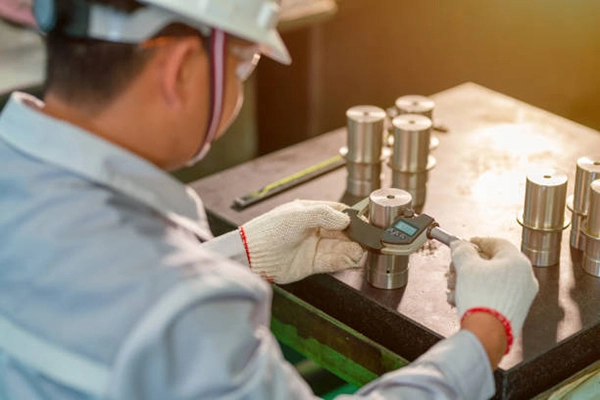
Forming, Welding and Finishing Guidance for Ti-6Al-4V Titanium Sheet
Cold forming runs into trouble because of high springback. Ductility is another weak point next to CP grades. So work the metal hot, somewhere between 600 °C–900 °C, or go with superplastic forming. Cracks are less likely either way.
Welding needs a full inert gas shield, and argon or helium supplies it. Cover the weld pool and the heat-affected zone too, and keep them covered until the metal falls below 400 °C. Watch for a blue tint or a white powder on the surface. That means contamination. Embrittlement may come next.
Heat does not travel through this alloy quickly. While machining it tends to build up at the modern. Send us your machining plan early. We can then talk over a handling approach that suits your shop.
For general industrial work, go with descaled sheet. Pick sandblasted sheet when you need a surface that bonds. Polished sheet suits visible parts and medical parts. Aerospace sheet may need set roughness (Ra) values under the spec that governs it.
Purchasing Considerations for B2B Buyers
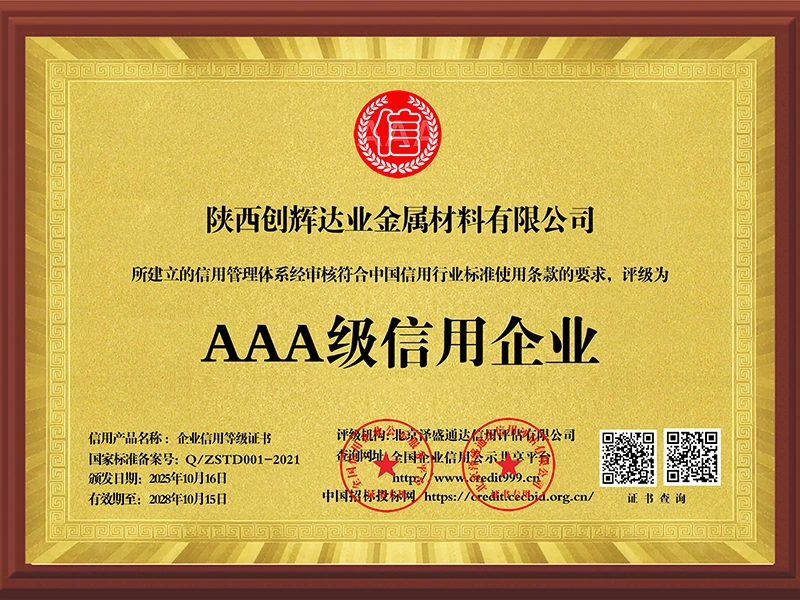
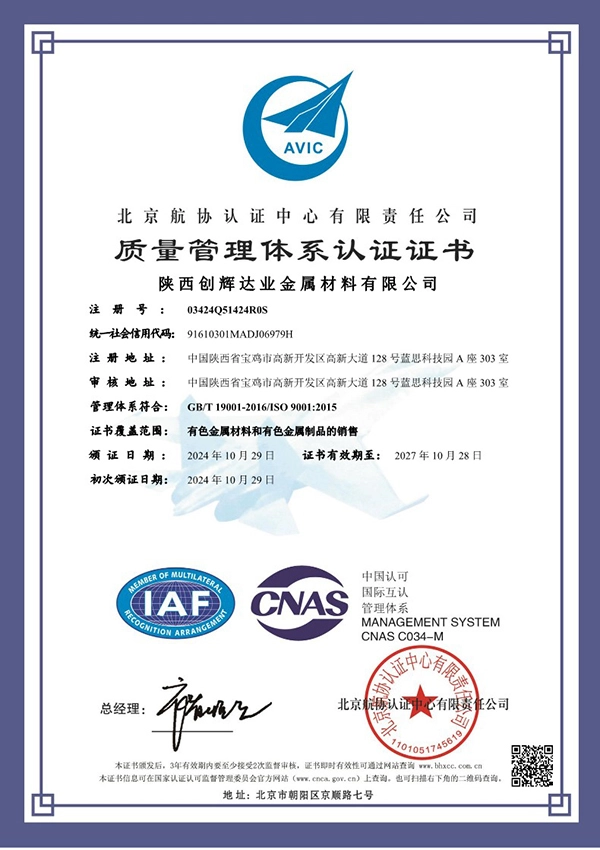
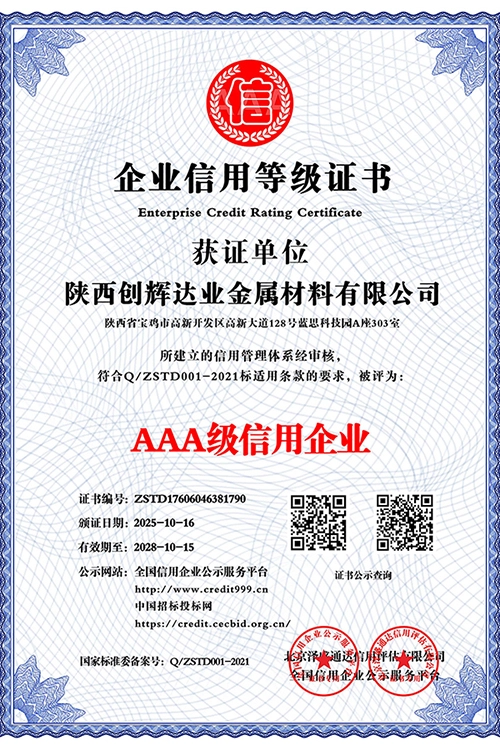
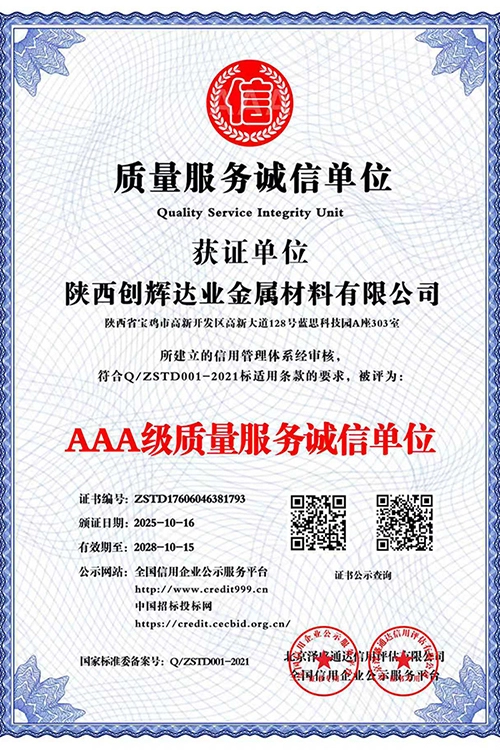
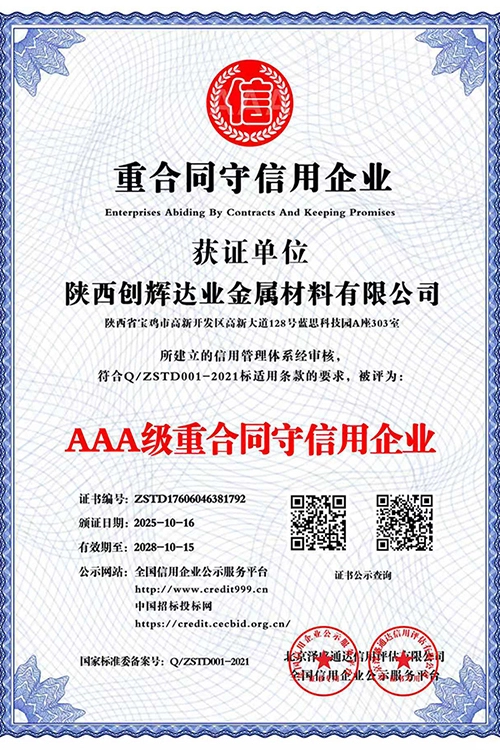
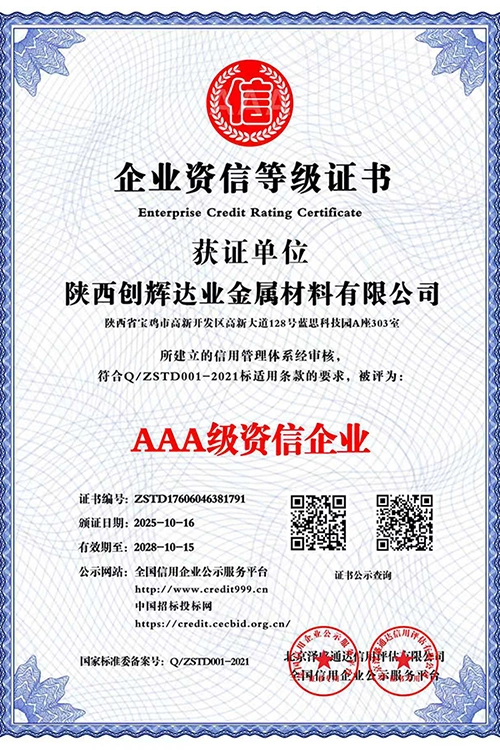
Shaanxi Chuanghui Daye Metal Material Co., Ltd. sits in Baoji. Its founder brings over 30 years in the rare metal industry. Products from the company ship to more than 50 countries. The United States, Germany, South Korea and Singapore are among them.
Confirm these points before you order:
- Governing standard: ASTM B265, AMS 4911 or ISO 5832-3
- Grade: Grade 5 or the higher-purity Grade 23 (ELI), with availability confirmed by us
- Thickness, width and length
- Surface finish can be descaled, sandblasted, or polished
- Reports and inspection items take in chemistry, UT, microstructure and mechanical tests
Other rare metal products sit in the range too. Tantalum and niobium are two of them. Tungsten, molybdenum, Ti-6Al-4V Titanium Sheet, zirconium and nickel are others. So one inquiry can cover several materials at once.
Be used in a wide range of industries.

Marine engineering
Medical implants

Medical Equipment
Chemical Processing

Aerospace and Defense

Energy and Environmental Engineering


 |
 |
 |
 |
 |
 |
 |
 |
 |
 |
 |
|
|
|
|
|
 |
 |
 |
 |


 |
 |
 |
 |
 |
 |
FAQ
Q: Is cold forming possible on this sheet, the way it works with Grade 2?
A: Not easily. Cracking is a real risk here, since springback runs high and ductility is lower. Most shops go with hot forming at 600 °C–900 °C, or they use superplastic forming.
Q: How does Grade 5 differ from Grade 23 (ELI)?
A: Oxygen sits lower in Grade 23. So do nitrogen and iron. That gives better fracture toughness and more ductility. Medical implants gain from it, and so does cryogenic work.
Q: How should it be welded?
A: Argon or helium shields the weld pool and the heat-affected zone. Leave the gas flowing over the metal until it cools below 400 °C. Without that shielding, the weld can turn brittle.
Q: What surface finishes can I get?
A: Descaled (acid pickled) is one finish on the list. Sandblasted and polished finishes are listed too. Aerospace orders can ask for certain Ra values. The governing specification sets those values.
Q: What is the top service temperature?
A: The highest service temperature listed is about 400 °C (750 °F). Push past it and oxidation rises. Creep resistance falls too.
Q: Is stock available?
A: What is in stock changes with grade, thickness, and quantity. Send over your requirements by email. We will check and confirm the current availability of this product.
Contact Us
Send your Ti-6Al-4V Titanium Sheet requirements, including standard, thickness and finish, to info@chdymetal.com. We will reply with availability and quotation details.
Learn about our latest products and discounts through SMS or email