- English
- French
- German
- Portuguese
- Spanish
- Russian
- Japanese
- Korean
- Arabic
- Greek
- German
- Turkish
- Italian
- Danish
- Romanian
- Indonesian
- Czech
- Afrikaans
- Swedish
- Polish
- Basque
- Catalan
- Esperanto
- Hindi
- Lao
- Albanian
- Amharic
- Armenian
- Azerbaijani
- Belarusian
- Bengali
- Bosnian
- Bulgarian
- Cebuano
- Chichewa
- Corsican
- Croatian
- Dutch
- Estonian
- Filipino
- Finnish
- Frisian
- Galician
- Georgian
- Gujarati
- Haitian
- Hausa
- Hawaiian
- Hebrew
- Hmong
- Hungarian
- Icelandic
- Igbo
- Javanese
- Kannada
- Kazakh
- Khmer
- Kurdish
- Kyrgyz
- Latin
- Latvian
- Lithuanian
- Luxembou..
- Macedonian
- Malagasy
- Malay
- Malayalam
- Maltese
- Maori
- Marathi
- Mongolian
- Burmese
- Nepali
- Norwegian
- Pashto
- Persian
- Punjabi
- Serbian
- Sesotho
- Sinhala
- Slovak
- Slovenian
- Somali
- Samoan
- Scots Gaelic
- Shona
- Sindhi
- Sundanese
- Swahili
- Tajik
- Tamil
- Telugu
- Thai
- Ukrainian
- Urdu
- Uzbek
- Vietnamese
- Welsh
- Xhosa
- Yiddish
- Yoruba
- Zulu
Titanium Alloy Plate
2. Grade: Gr1 Gr2,Gr5,Gr7,Gr5 Ell,Gr12,TC20
3. Size: Thickness :0.5mm~50mm*Width:1000-3000mm
4. Standard: ASTM B265/ASME SB265, ASTMF67, ASTM F136, ISO-5832-2(3)
Titanium Alloy Plate: Gr1, Gr2, Gr5, Gr7, Gr5 ELI, Gr12 and TC20 for Aerospace, Marine and Medical Use
Shaanxi Chuanghui Daye Metal Material Co., Ltd. sells flat-rolled titanium for demanding projects. One product is Titanium Alloy Plate. It comes in seven grades: Gr1, Gr2, Gr5, Gr7, Gr5 ELI, Gr12 and TC20. Listed thickness goes from 0.5 mm to 50 mm. Width runs from 1000 mm to 3000 mm. Standards on the list are ASTM B265/ASME SB265, ASTM F67, ASTM F136 and ISO 5832-2(3). Grade choice and typical uses get covered here. So do the details a quote request should include. That makes your inquiry easier to review.
What Is plate?
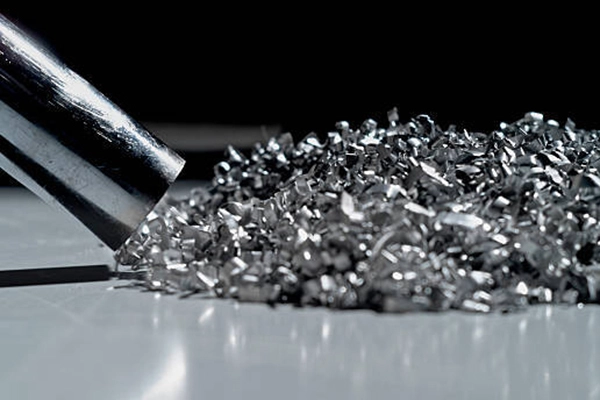
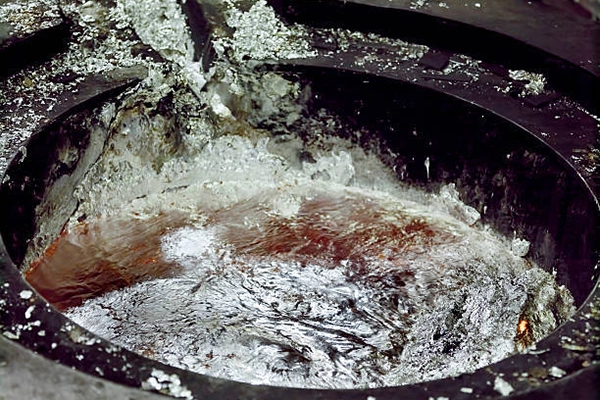
Titanium sponge is where this product starts out. The product comes from a mill as flat-rolled stock. Alloying elements get added depending on grade, things like aluminum, vanadium, molybdenum or tin. The alpha phase stays stable thanks to aluminum. Vanadium plays the same role for the beta phase. Adding these shifts the alpha/beta microstructure. The result is mechanical properties that come out higher than those of pure titanium.
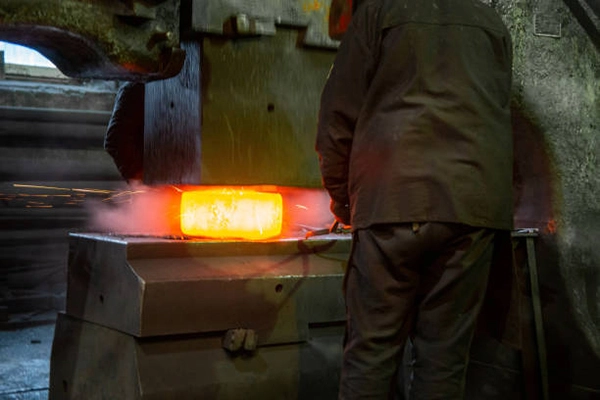
Gr5, or Ti-6Al-4V, is the alloy most buyers ask for. It goes through hot rolling. Solution treating and aging come after that. Compared with commercially pure grades, it brings more tensile strength, better fracture toughness and better fatigue resistance.
Specifications
The table lists This product parameters provided for this page.
| Parameter | Standard / Range | Description |
|---|---|---|
| Material Grades | Gr1, Gr2, Gr5 (Ti-6Al-4V), Gr7, Gr12 | Commercially pure and alloyed titanium |
| Standards | ASTM B265/ASME SB265, ASTMF67, ASTM F136, ISO-5832-2(3), AMS4911 | Internationally recognized standards |
| Thickness | 0.5mm~50mm | Custom thickness available |
| Width | 1000-3000mm | Tailored per customer needs |
| Length | ≤ 6000 mm | Cut-to-size service available |
| Surface Finish | Pickled, Polished, Brushed, Sandblasted | Multiple finish options |
| Density | 4.51 g/cm³ | Lightweight with high tensile strength |
| Tensile Strength | 350 – 1100 MPa | Depending on alloy grade |
| Yield Strength | 275 – 980 MPa | Depending on alloy grade |
| Heat Treatment | Annealed, Solution-treated, Aged | Controlled metallurgical states |
The current data does not cover chemical composition, mechanical properties, length, tolerance, surface finish or delivery condition. Which ones do you need? Say so in your inquiry. The team can then confirm each of them.
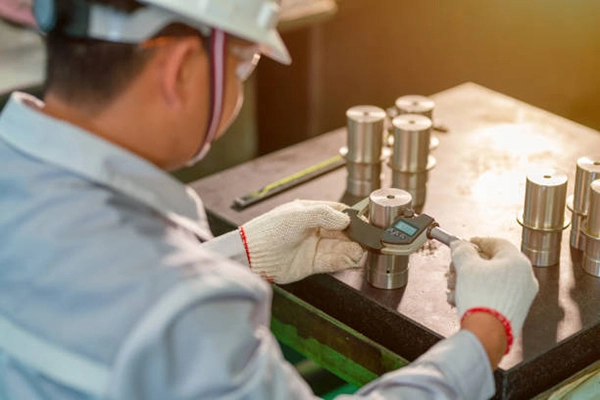
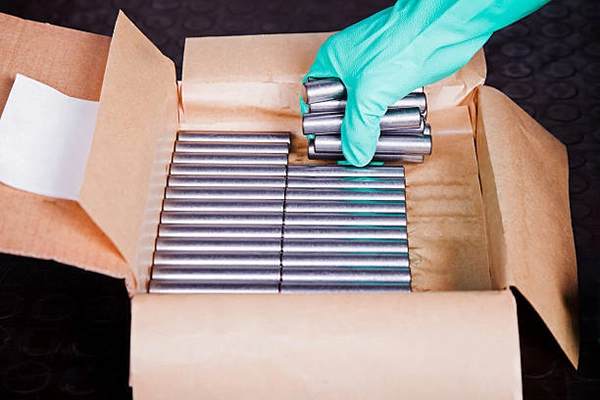
Grade Selection Guide
Gr1 and Gr2 are commercially pure grades. Both sit in the list beside the alloyed grades. Some projects do not need alloy-level strength, and these two cover that case.
Gr5 is Ti-6Al-4V. Structural parts often need a lot of strength for little weight. That is where this grade usually gets chosen.
Gr5 ELI is the grade most buyers start with on medical orders. Implant projects often cite ASTM F67. ASTM F136 or ISO 5832-2(3) may also come up. Check which standard your project needs before you go ahead.
Gr7, Gr12 and TC20 handle the remaining alloy and corrosion-resistance needs. Give the team your working medium and your temperature. Those two details let them narrow down the right grade.
Key Performance Characteristics
- Strength-to-weight ratio: Titanium alloys are light, yet they carry a lot of strength. On a weight-sensitive design this can bring structural weight down against steel.
- Corrosion resistance: Chlorides and marine service are where titanium holds up well. Pitting and crevice corrosion are the two risks it keeps at bay. Real results depend on the grade you choose. The medium matters too, and so does the temperature.
- Performance under load and temperature change: Cyclic loads and temperature swings show up in parts made from certain alloy grades. Gr5 is one of them. Check it against the conditions your own design runs under.
- Biocompatibility: Titanium goes into a lot of medical implants. Its modulus of elasticity sits nearer to human bone than cobalt-chrome gets. That can keep stress shielding lower.
- Service life: Parts used in chemical processing often resist corrosion for a long time. That can bring the life cycle cost down, though it depends on how the part is run.
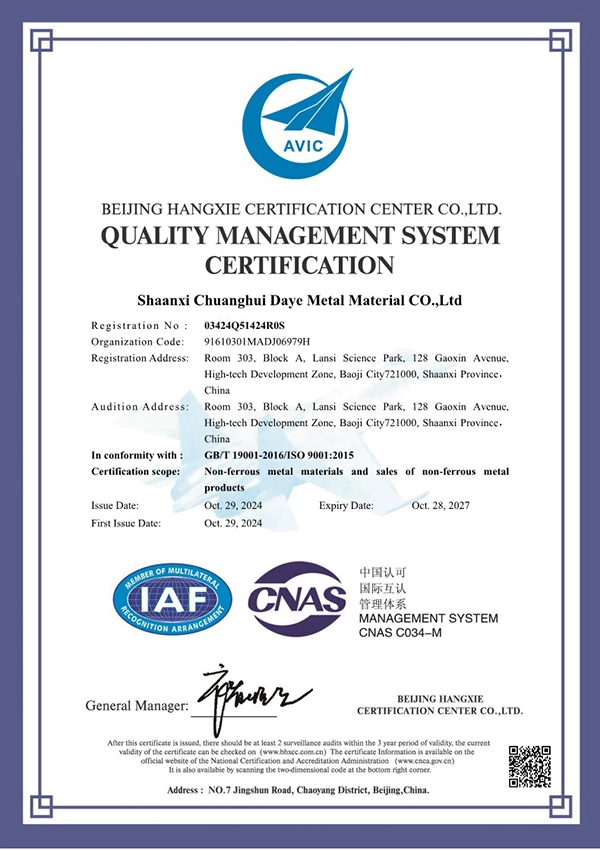
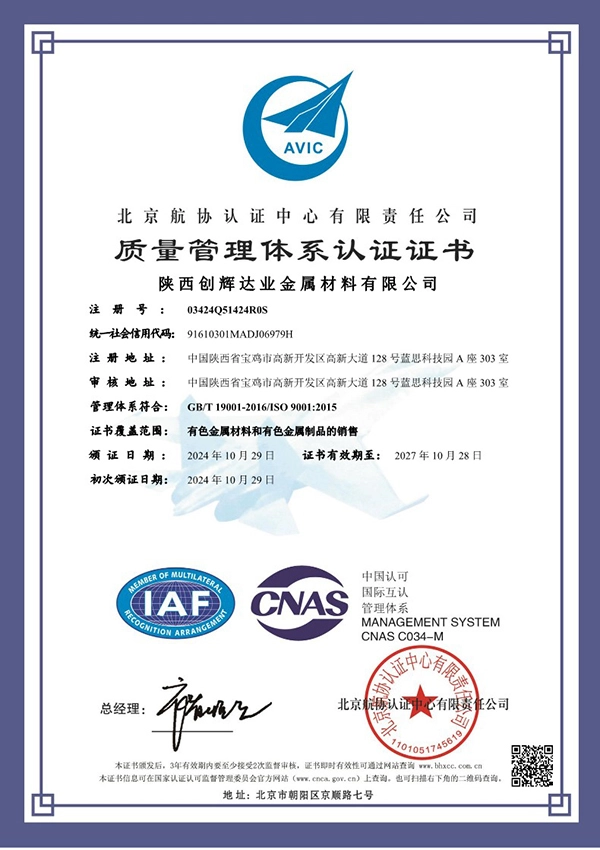
Applications of Titanium Alloy Plate
Weight matters. So does corrosion resistance. Biocompatibility counts too. All three decide how a part performs. That is why people pick Titanium Alloy Plate for the job. The grade you get depends on the working conditions. What standard applies matters as well.
Aerospace and Defense. Airframe bulkheads, wing skins, engine firewalls, landing gear structures and jet engine bypass ducts are common parts. Strength-to-weight ratio is one reason the material goes into them. So is the way it holds up under cyclic loading. Lower weight can help with fuel-efficiency targets too.
Marine and Offshore Engineering. Shell-and-tube heat exchangers run into seawater. Piping in desalination plants takes the same hit. Submersible pressure hulls face that exposure as well. Titanium holds up against microbiologically influenced corrosion (MIC). Erosion-corrosion is a second problem it handles. Get the conditions right and the design can end up thinner. Higher flow rates than copper-nickel alloys allow become possible too.
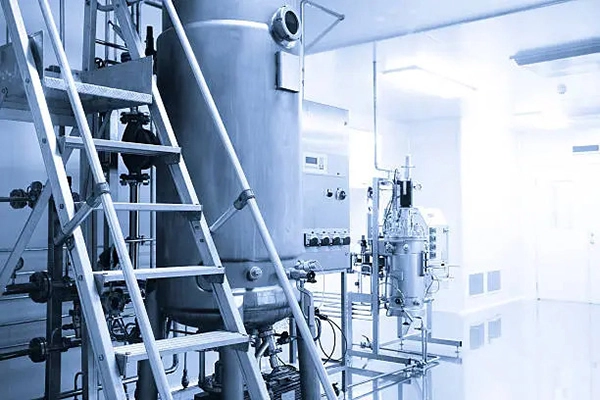
Chemical Processing. PTA (Purified Terephthalic Acid) equipment has to deal with aggressive oxidizing media. The same media shows up in hydrometallurgical autoclaves. Reaction vessels and columns run into it too. Titanium is picked for these duties because it resists corrosion at high temperatures. Less process contamination is the payoff.
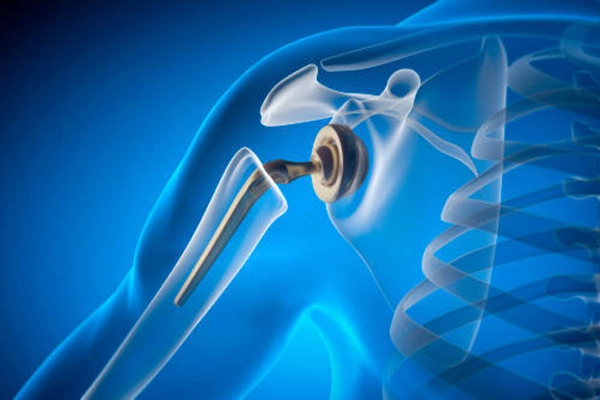
Medical Technology. Orthopedic internal fixation devices such as bone plates, and surgical instrument trays, are typical uses. Lower stress shielding makes the material suitable for consideration in load-bearing implants, subject to the applicable medical standard.
Armor Applications. Defense programs use Ti-6Al-4V armor plate when lower weight and corrosion resistance count. Amphibious and naval operations are examples. Each project should confirm its ballistic requirements.




About Shaanxi Chuanghui Daye
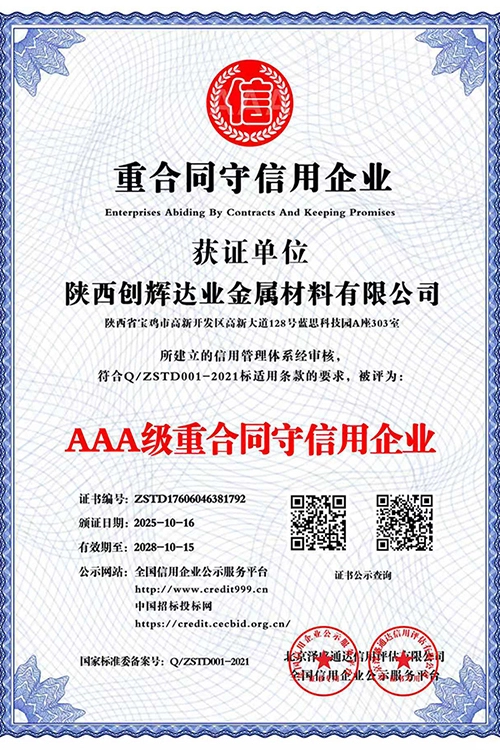
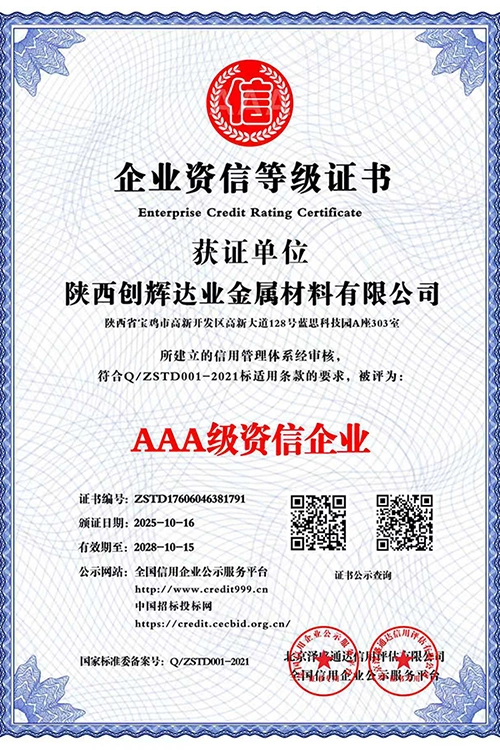
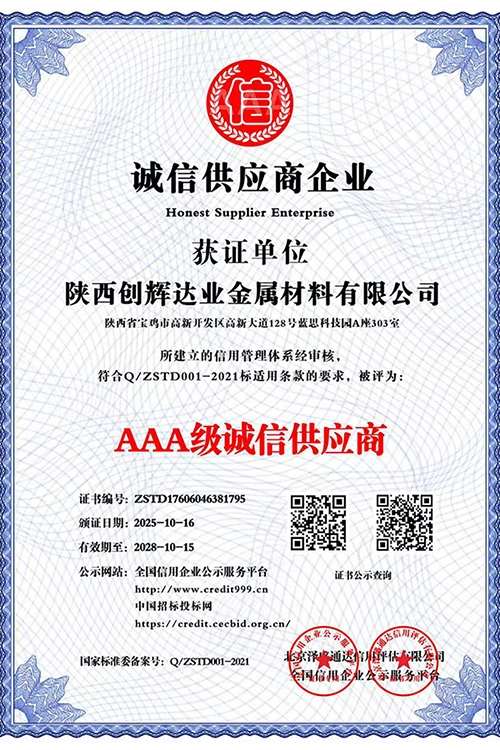
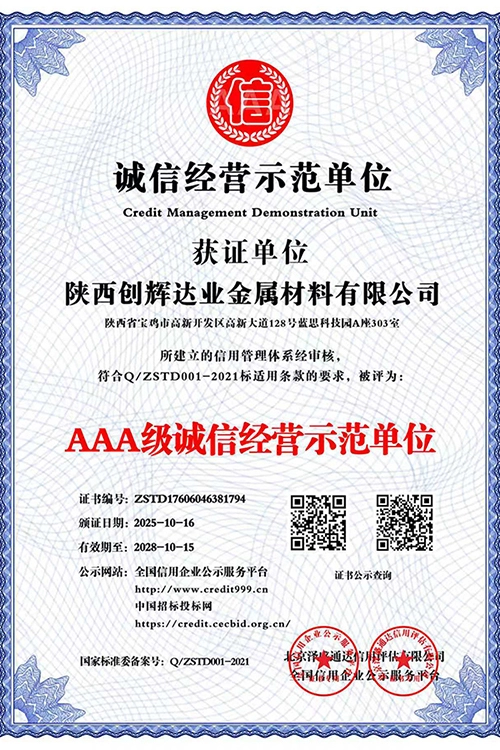
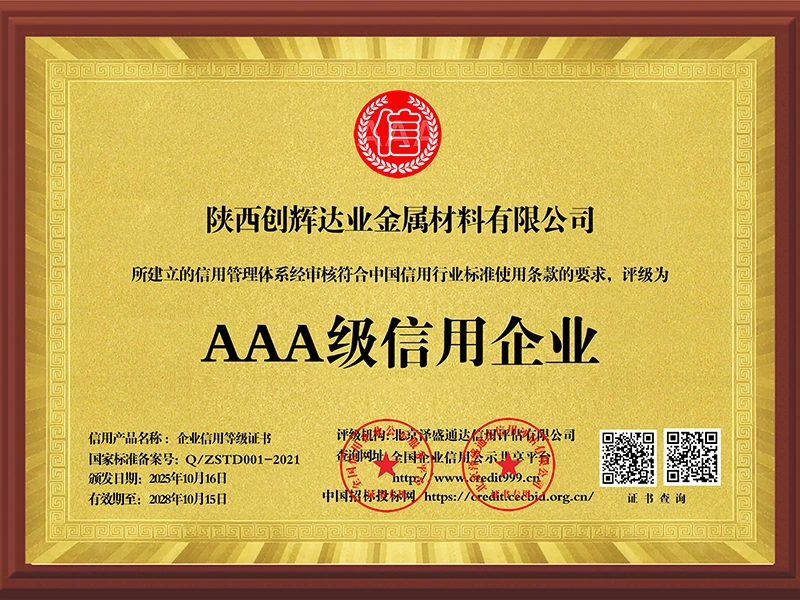
Baoji High-tech Development Zone is home to Shaanxi Chuanghui Daye Metal Material Co., Ltd. People call this part of China the "Titanium Capital". The founder brings over 30 years of work in the rare metal industry. Buyers in more than 50 countries and regions have received its products. The United States, Germany, South Korea and Singapore are among them.
Titanium, tantalum, niobium, tungsten, molybdenum, zirconium and nickel are also part of what the company makes. So are other non-ferrous and rare metal alloy products. These go to the metallurgy, electronics, medical and special steel fields.
How to Place an Order
Send the following Titanium Alloy Plate details so the team can review your request:
- Grade: Gr1, Gr2, Gr5, Gr7, Gr5 ELI, Gr12 or TC20
- Width runs from 1000 mm to 3000 mm, and thickness from 0.5 mm to 50 mm
- Required standard
- Quantity
- End use and working environment
Any drawings you have? Or special requirements? Attach them. Our team looks at what we can supply and replies by email.
 |
 |
 |
 |
 |
 |
 |
 |
 |
 |
 |
|
|
|
|
|
 |
 |
 |
 |


 |
 |
 |
 |
 |
 |



FAQ
Q: What should I include in an inquiry?
A: Asking about this product? Send the grade, thickness and width. Spell out the standard you need too. Tell us the quantity and what it is for. Drawings or special requirements can come as attachments.
Q: Can all grades be used for medical purposes?
A: Most medical orders go with Gr5 ELI. For implant work, the usual specs are ASTM F67, ASTM F136 or ISO 5832-2(3). Check the grade and the standard with the team before you order.
Q: What if the details I need are not on this page?
A: Chemical composition and mechanical properties are not shown here. Length is missing too. So are tolerance and surface finish. Add those details to your inquiry. Someone on the team will then check what can be supplied.
Q: Which grade from the list should I pick?
A: Send your working medium, temperature and end use. The team will help you confirm the grade.
Contact Us
Email your grade and quantity of Titanium Alloy Plate to info@chdymetal.com. Please include thickness, width and the standard you need too.
Learn about our latest products and discounts through SMS or email