- English
- French
- German
- Portuguese
- Spanish
- Russian
- Japanese
- Korean
- Arabic
- Greek
- German
- Turkish
- Italian
- Danish
- Romanian
- Indonesian
- Czech
- Afrikaans
- Swedish
- Polish
- Basque
- Catalan
- Esperanto
- Hindi
- Lao
- Albanian
- Amharic
- Armenian
- Azerbaijani
- Belarusian
- Bengali
- Bosnian
- Bulgarian
- Cebuano
- Chichewa
- Corsican
- Croatian
- Dutch
- Estonian
- Filipino
- Finnish
- Frisian
- Galician
- Georgian
- Gujarati
- Haitian
- Hausa
- Hawaiian
- Hebrew
- Hmong
- Hungarian
- Icelandic
- Igbo
- Javanese
- Kannada
- Kazakh
- Khmer
- Kurdish
- Kyrgyz
- Latin
- Latvian
- Lithuanian
- Luxembou..
- Macedonian
- Malagasy
- Malay
- Malayalam
- Maltese
- Maori
- Marathi
- Mongolian
- Burmese
- Nepali
- Norwegian
- Pashto
- Persian
- Punjabi
- Serbian
- Sesotho
- Sinhala
- Slovak
- Slovenian
- Somali
- Samoan
- Scots Gaelic
- Shona
- Sindhi
- Sundanese
- Swahili
- Tajik
- Tamil
- Telugu
- Thai
- Ukrainian
- Urdu
- Uzbek
- Vietnamese
- Welsh
- Xhosa
- Yiddish
- Yoruba
- Zulu
GR4 Titanium Bar Specifications You Should Know Before Buying
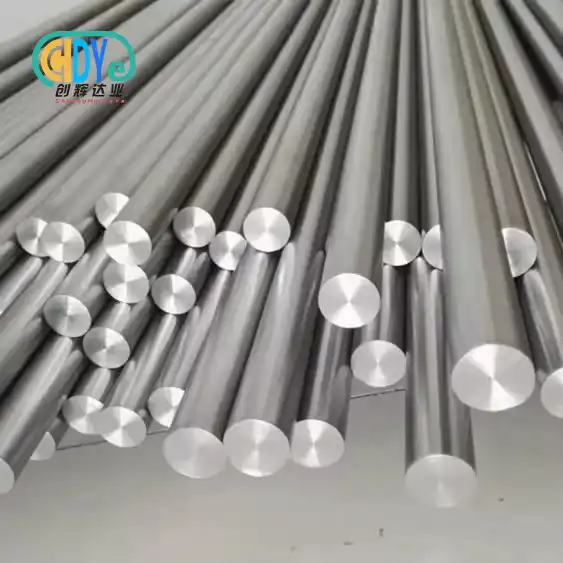
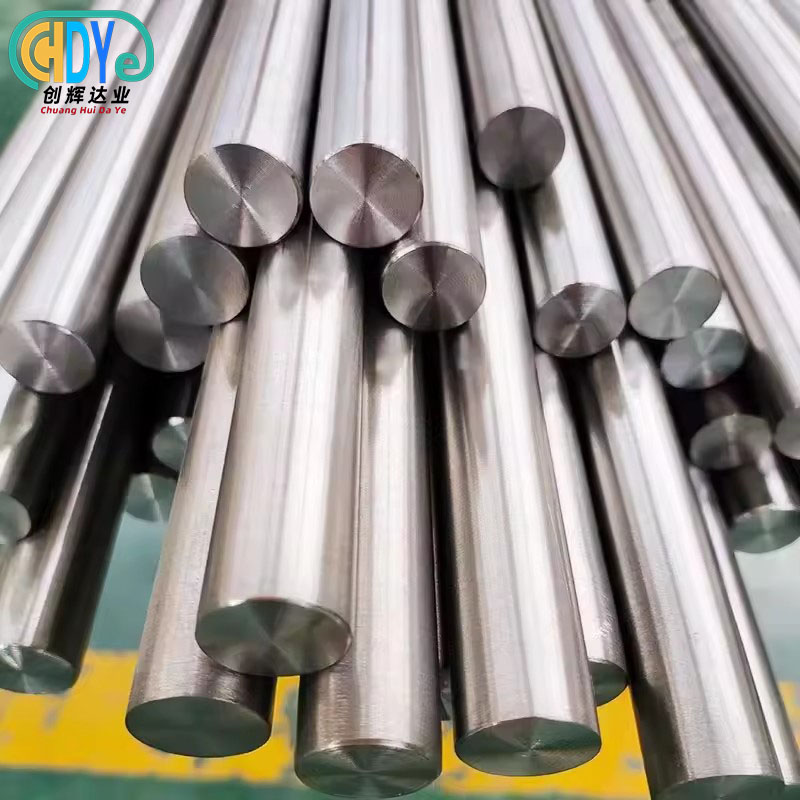
It is crucial to know the exact specs of GR4 titanium bars when you are looking for materials for important projects. A gr4 titanium bar is the strongest widely pure titanium grade available. It has a tensile strength of more than 550 MPa and the great rust protection that comes with being pure titanium. This substance has better mechanical properties because it has controlled interstitial strengthening, specifically a higher oxygen content of up to 0.40%. This makes it the best choice for uses that need both high load-bearing capacity and chemical stability without the complexity and cost of titanium alloys.
Understanding GR4 Titanium Bar: Properties and Composition
Chemical Composition and Elemental Balance
GR4 titanium bars are mostly made of titanium, but they also have carefully controlled intermediate elements that have a big effect on how well they work. The makeup is made up of titanium (balance), oxygen (0.30-0.40 percent), iron (up to 0.50 percent), carbon (up to 0.08 percent), nitrogen (up to 0.05 percent), and hydrogen (up to 0.015 percent). In contrast to titanium alloys like Ti-6Al-4V, this material gets stronger by adding solid-solution stiffening rather than alloying. GR4 is different from lower grades because it has more oxygen in it, which directly affects its better tensile qualities while keeping the corrosion-resistant alpha-phase microstructure that marks widely pure titanium.
At our Baoji factory, strict chemical controls are used during the melting process. Electron beam ovens make sure that the metal is pure and uniform. Spectrometric analysis is done on every production run to make sure it meets ASTM B348 and ASME SB348 standards. This gives buying managers all the proof they need for quality control.
Mechanical Properties and Performance Standards
Mechanical properties of Gr4 titanium bars show why this material is a good compromise between pure grades with lower strength and alloys that cost more. The following efficiency standards are always met or beaten by our products:
- Tensile Strength: At least 550 MPa, which is about the same as many structural steels in terms of load-bearing ability.
- Yield Strength: At least 480 MPa, which ensures that the dimensions stay stable under working stress.
- Elongation: At least 15%, while still being flexible enough for shaping operations.
- Density: 4.51 g/cm³, which is about 45% lighter than stainless steel 316.
These qualities don't change when the temperature does. For example, GR4 keeps its structure solid at temperatures as high as 300°C. The material is very good at resisting wear under repeated loads, which is very important for aircraft and naval uses, where a broken part could have terrible results.
Heat Treatment and Surface Finishing
Annealing is the usual way to give GR4 titanium bars. It is done at temperatures between 650°C and 750°C to ease the loads that are put on the bars during hot rolling and forging. This heat process makes the material more flexible while keeping the strength levels that make this grade unique. Precision cutting is one of the processing methods we can use to remove the alpha case, which is a rigid surface layer that forms when something is exposed to high temperatures. This keeps the surface qualities uniform for the next step in the process.
The bars can have their surfaces treated with centerless cutting, turning, and finishing, among other things, to meet particular standards for size and finish. We have high-tech machining centers with carbide tools and high-pressure cooling systems that are designed to work with titanium. This helps us manage the material's tendency to work-harden and build up heat during cutting.
Comparison of GR4 Titanium Bars with Other Materials
Grade 4 Versus Other Titanium Grades
Learning about the differences in performance between commercially pure titanium types helps you choose the right material for the job. Grade 2 titanium is the most common pure grade. It is very resistant to rust and has a middling strength (345 MPa tensile strength), which makes it good for chemical handling equipment with low mechanical loads. Because gr4 is about 60% stronger than Grade 2, it can be used in situations where Grade 2 might bend or not be strong enough.
When you compare gr4 to Grade 5 (Ti-6Al-4V), you can see that their properties work well together instead of against each other. The tensile strength of Grade 5 is close to 900 MPa thanks to the alloying of aluminum and vanadium. However, it is not biocompatible for medical uses and costs more. Gr4 is the best middle ground for situations that need more strength than pure grades but don't need the cost or biological reaction of alloys. The alpha-phase lattice of GR4 makes welding easier than with Grade 5's alpha-beta structure, which makes manufacturing simpler.
Performance Against Alternative Engineering Materials
When looking at possible replacement materials, GR4 titanium bars show clear benefits over common industrial materials in several performance areas. Titanium is better at resisting rust than stainless steel 316L in many situations, but it cracks easily when it comes into contact with chloride-rich surroundings. In structural uses, the difference in density directly leads to weight savings. GR4 titanium parts weigh less than half of their stainless steel counterparts while being just as strong.
Aluminum metals are cheaper to make, but they can't compare to GR4 titanium when it comes to resistance to rust or performance at high temperatures. Nickel-based metals, such as Inconel, are very strong at high temperatures, but they cost a lot more to make and use. It is clear that gr4 titanium is valuable in situations where strength, resistance to rust, and light weight are all needed at the same time. This is hard to achieve with other materials.
Cost Considerations and Value Analysis
Material prices depend on how easy it is to get raw materials, how complicated the process is, and how the market changes demand. Prices for GR4 titanium bars are usually 30–50% less than those for Grade 5 metal goods, but they still work well enough for many demanding uses. The total cost of ownership includes more than just the cost of the materials themselves. It also includes the cost of making them, their useful life, and the upkeep they need. Titanium is very durable, so even though it costs more up front, it usually ends up saving more over time compared to materials that need to be replaced or fixed more often in acidic settings.
We offer factory-direct pricing, which means there are no markups for middlemen. This means that our prices are fair for both small sample amounts and large production volumes. Being in Baoji's titanium industrial center gives us access to high-quality raw materials and specialized processing tools, which saves us money and lets us pass those savings on to customers all over the world.
How to Choose and Procure GR4 Titanium Bars for Your Business?
Defining Material Specifications for Your Application
For buying to go well, you need to be clear about what materials you need and how they should be used. Dimensional limits (width and length), surface finish requirements, mechanical property certification needs, and related industry standards are some of the most important design factors. For aerospace uses, materials must usually meet ASTM B348 standards and have full tracking paperwork. For medical uses, they may need to be certified as biocompatible according to ASTM F-67. For chemical manufacturing equipment to work properly in certain media, it is common for manufacturers to specify specific rust testing methods.
Our technical team offers consulting services to help turn application needs into exact material specs. This way, we can make sure that the given product meets functional needs without being too specific, which would raise costs for no reason. We keep diameters from 6 mm to 200 mm and standard lengths from 2000 mm to 5800 mm in stock. We can accommodate both standard setups and custom measures for unique uses.
Supplier Qualification and Certification Verification
Choosing a qualified provider is a big choice that will affect the standard of the product, the dependability of delivery, and the value of the relationship in the long run. Some important things that are looked at when judging are ISO 9001:2015 approval, the production facility's capabilities, quality control processes, and paperwork systems that allow for tracking. We have ISO 9001:2015 certification, which shows that we are committed to organized quality control at every stage of the production process, from checking the raw materials to checking the finished product.
Each package comes with full material test certificates (EN 10204 3.1) that list the chemicals used, the mechanical qualities, the settings for heat treatment, and the inspection results. This paperwork makes it possible to track materials in the medical, military, and other controlled fields where material history needs to be created and kept up to date throughout the lifetime of a component.
Procurement Logistics and Lead Time Management
To do good buying, you need to know how minimum order amounts, production wait times, and shipping processes affect project timelines. Our production methods are flexible enough to handle both small-batch orders for research and testing and large-scale production for well-established manufacturing projects. Normal wait times are between 3 and 5 weeks, but they can be shortened if needed right away. This depends on how complicated the specifications are and how many orders are placed.
We use protective packaging methods like wrapping that stops rusting, putting things in wooden crates, and placing paperwork in a way that keeps things safe while they are being shipped internationally. Our transportation planning makes sure that customs paperwork is correct and that shipments can be tracked. This keeps customers around the world from having to wait for their packages and makes the receiving process easier.
Applications and Industry Use Cases of GR4 Titanium Bars
Aerospace and Defense Applications
GR4 titanium bars are used a lot in the aircraft industry to make fasteners, hydraulic system fittings, and parts for the airframe. The strength-to-weight ratio has a direct effect on fuel economy and loading capacity. Manufacturers of airplanes use this material to make firewall systems that have to be able to handle both mechanical stress and high temperatures while still remaining structurally sound for the life of the airplane. Because the material doesn't get worn down by vibrations, it can be used for parts that are loaded and unloaded over and over again during flight operations.
Defense contractors use titanium in submarine parts and military ship parts that will be exposed to saltwater. Its resistance to chloride-induced rust gives it a longer service life than standard marine-grade metals. Titanium is useful for military uses that need to leave behind little to no magnetic evidence because it is not magnetic.
Medical and Dental Implant Manufacturing
Because it is biocompatible and osseointegrates well with bone, gr4 titanium is often used for tooth implant posts, prosthetic bone screws, and surgery plates. The material is strong enough to support the mechanical loads that tooth implants go through when you chew, and the surface qualities make it easier for bone cells to connect and integrate. Following the rules set by ISO 5832-2 ensures that the material is pure enough to be implanted permanently.
Surgical instrument makers use GR4 for tools that need to be resistant to cleaning and keep their shape over many steam cycles. The material doesn't break down when exposed to strong cleaning chemicals, and it keeps the precise measurements that are needed for medical uses.
Chemical Processing and Industrial Equipment
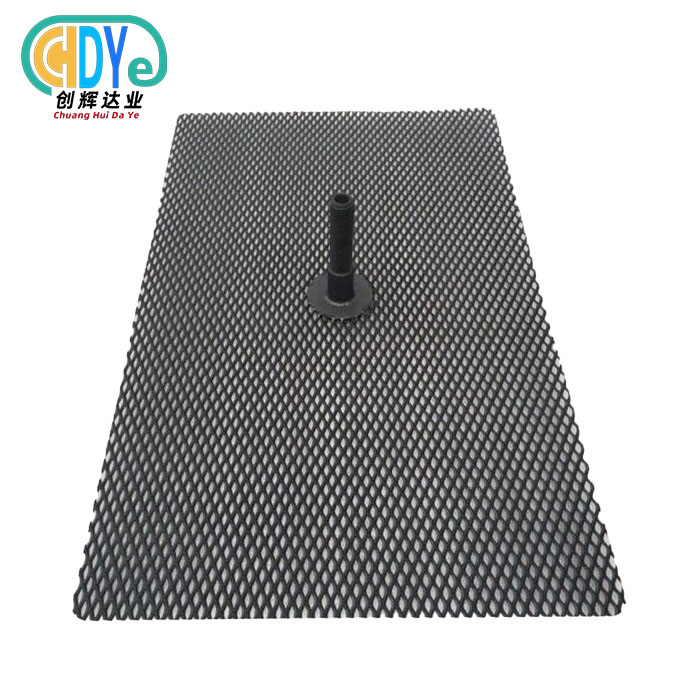
In chemical processing plants, GR4 titanium bars are used in places where stainless steel would quickly wear down in acidic media, like in pump shafts, valve parts, and heat exchanger tie-rods. The substance is very strong against reactive acids, chlorine compounds, and hypochlorite solutions that are commonly used in cleaning and making chemicals. Manufacturers of equipment define gr4 for anodes that are steady in size and are used in electrochemical processes. The material's ability to carry electricity and prevent rust makes it safe for long-term use.
Automotive exhaust systems are one example of an industrial use. High-temperature strength and resistance to rust make parts last longer. Because the material is easy to shape, it can be used to make complicated shapes that are needed for current exhaust system designs. It also keeps working well when heated and cooled many times.
Conclusion
To choose the right GR4 titanium bar specs, you need to know a lot about the material's features, the needs of the application, and the supplier's abilities. This economically pure titanium grade is the strongest available. It has great mechanical strength and rust resistance, making it the best choice for challenging uses in aircraft, medicine, chemical processing, and industry. Engineers have found a cost-effective way to bridge the gap between lower-strength pure grades and more expensive alloy options. The material's balanced performance traits are achieved through controlled oxygen strengthening rather than alloying. For buying to go well, you need to work with qualified providers who offer ISO certification, full traceability paperwork, and expert help during the whole process of specifying and placing an order.
FAQ
Q: What distinguishes Grade 4 from Grade 2 titanium?
A: The main difference is the amount of oxygen present and the mechanical qualities that follow. Higher amounts of oxygen are found in grade 4 (0.30-0.40% vs. 0.25% maximum in grade 2), which makes the material stronger through intermediate solid-solution effects. This difference in makeup gives gr4 a tensile strength that is about 60% higher than in Grade 3 (550 MPa minimum versus 345 MPa), which makes it suitable for uses that need a higher load-bearing capacity while still having the great rust resistance that comes with commercially pure titanium.
Q: Can Grade 4 titanium bars be welded effectively?
A: gr4 can be welded very easily using normal titanium welding methods. In order for welding to work, there must be a neutral gas covering (argon or helium) on both the weld face and the root. This keeps the atmosphere from getting dirty during the melting and freezing processes. The fairly pure makeup of the material makes welding easier than with titanium alloys because there are no worries about segregation or precipitation, which can affect the quality of welds in more complicated alloy systems.
Q: How can material authenticity be verified before purchase?
A: Verification of material validity depends on looking at the paperwork and, if needed, doing tests on your own. Suppliers you can trust give you material test certificates (EN 10204 3.1) that show the chemical makeup by spectrometric analysis and the mechanical qualities by tension testing samples from the production batch. These certificates should list the relevant standards (ASTM B348 and ASME SB348) and include heat numbers that make it possible to track back to the source material. For important uses, extra confirmation through third-party testing labs can confirm the makeup and qualities.
Partner with Chuanghui Daye for Your Grade 4 Titanium Bar Requirements
Shaanxi Chuanghui Daye Metal Material Co., Ltd. has been in the rare metal business for more than 30 years and can be your reliable source for Gr4 titanium bars. Our ISO 9001:2015-certified factory in Baoji uses cutting-edge tools like electron beam ovens, precision machining centers, and a wide range of testing capabilities, along with strict quality control measures to make sure each bar meets international standards. We are experts at flexible production that can handle both small-batch development and large sales. Our factory-direct price gives you the best value without sacrificing quality.
Our expert team offers full support from developing specifications to delivery, including custom cutting services, faster processing for time-sensitive projects, and full tracking paperwork that meets the needs of aerospace, medical, and industrial sectors. Whether you need standard widths or unique sizes, our production skills ensure quick delivery of approved material, along with clear contact throughout the entire purchase process. Email our team at info@chdymetal.com to talk about your unique needs, get full quotes, or set up samples of the material to be tested. We provide trustworthy GR4 titanium bar options that are made to meet your toughest needs.
References
1. American Society for Testing and Materials. (2021). ASTM B348-13: Standard Specification for Titanium and Titanium Alloy Bars and Billets. West Conshohocken: ASTM International.
2. Boyer, R., Welsch, G., & Collings, E.W. (1994). Materials Properties Handbook: Titanium Alloys. Materials Park: ASM International.
3. Donachie, M.J. (2000). Titanium: A Technical Guide, 2nd Edition. Materials Park: ASM International.
4. International Organization for Standardization. (2016). ISO 5832-2: Implants for Surgery – Metallic Materials – Part 2: Unalloyed Titanium. Geneva: ISO.
5. Lutjering, G. & Williams, J.C. (2007). Titanium, 2nd Edition. Berlin: Springer-Verlag.
6. Schutz, R.W. & Watkins, H.B. (1998). Recent Developments in Titanium Alloy Applications in the Energy Industry. Materials Science and Engineering A, 243(1-2), 305-315.
Learn about our latest products and discounts through SMS or email