- English
- French
- German
- Portuguese
- Spanish
- Russian
- Japanese
- Korean
- Arabic
- Greek
- German
- Turkish
- Italian
- Danish
- Romanian
- Indonesian
- Czech
- Afrikaans
- Swedish
- Polish
- Basque
- Catalan
- Esperanto
- Hindi
- Lao
- Albanian
- Amharic
- Armenian
- Azerbaijani
- Belarusian
- Bengali
- Bosnian
- Bulgarian
- Cebuano
- Chichewa
- Corsican
- Croatian
- Dutch
- Estonian
- Filipino
- Finnish
- Frisian
- Galician
- Georgian
- Gujarati
- Haitian
- Hausa
- Hawaiian
- Hebrew
- Hmong
- Hungarian
- Icelandic
- Igbo
- Javanese
- Kannada
- Kazakh
- Khmer
- Kurdish
- Kyrgyz
- Latin
- Latvian
- Lithuanian
- Luxembou..
- Macedonian
- Malagasy
- Malay
- Malayalam
- Maltese
- Maori
- Marathi
- Mongolian
- Burmese
- Nepali
- Norwegian
- Pashto
- Persian
- Punjabi
- Serbian
- Sesotho
- Sinhala
- Slovak
- Slovenian
- Somali
- Samoan
- Scots Gaelic
- Shona
- Sindhi
- Sundanese
- Swahili
- Tajik
- Tamil
- Telugu
- Thai
- Ukrainian
- Urdu
- Uzbek
- Vietnamese
- Welsh
- Xhosa
- Yiddish
- Yoruba
- Zulu
GR5 Titanium Wire for Precision CNC and Forming
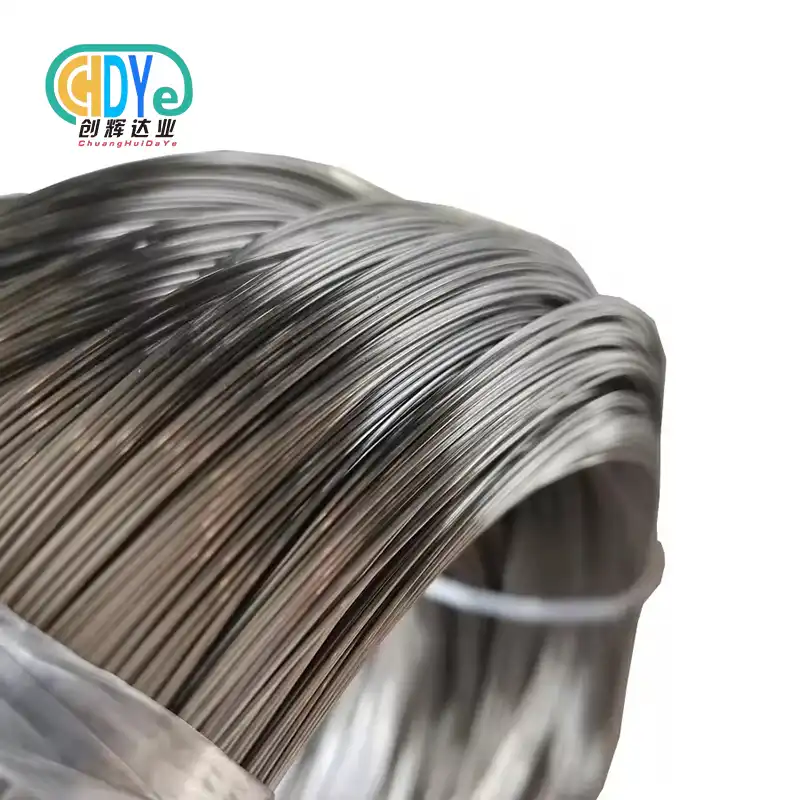
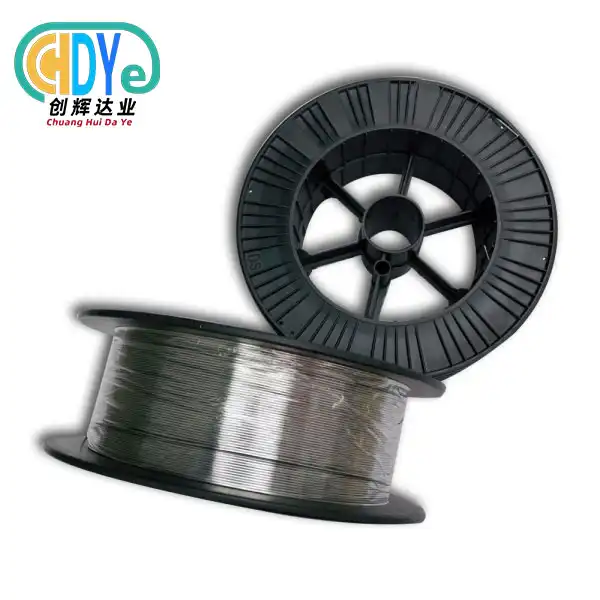
GR5 titanium wire is the most precise industrial material available. It is made for advanced CNC cutting and complicated forming tasks. Because it has such a high strength-to-weight ratio and is very resistant to corrosion, this Ti-6Al-4V metal wire is essential for high-performance manufacturing processes, medical devices, and aircraft parts. In situations where precise standards and material dependability are musts, gr5 titanium wire consistently performs better than typical material limits while keeping the dimensional stability needed for automatic manufacturing systems.
Understanding GR5 Titanium Wire: Composition and Mechanical Properties
Chemical Composition and Alloy Elements
A carefully measured metalworking success is the Ti-6Al-4V makeup of GR5 titanium alloy. The 6% aluminum acts as an alpha stabilizer, making the material much stronger and more stable at high temperatures while lowering its mass. The 4% vanadium acts as a beta stabilizer, making the material more flexible and allowing heat treatment that isn't possible with pure titanium grades. This two-phase alpha-beta microstructure makes a material that is between the rust protection of commercially pure titanium and the dynamic performance of steel.
Trace elements in the alloy matrix include iron (up to 0.30%), oxygen (up to 0.20%), and nitrogen (up to 0.05%). The amounts of each are carefully controlled to keep the alloy from becoming too weak to join. High-quality GR5 wire is different from lower-quality options because the interstitial elements are precisely controlled. This has a direct effect on wear resistance and fracture hardness in tough applications.
Superior Mechanical Performance Characteristics
The tensile strength of GR5 titanium wire is over 925 MPa, and the yield strength is over 870 MPa. This is about three times the strength of commercially pure titanium grades. The stretch qualities usually go above 10%, which gives it enough flexibility for complicated shaping operations while still keeping its shape under repeated loading.
The material's high wear resistance comes from its well-balanced microstructure, which lets parts go through millions of stress cycles without cracking. It is especially useful to have this quality in aircraft use, where a broken part could have terrible results. The hardness range of 320 to 380 HV gives great resistance to wear while still being able to be machined with the right tools and cutting settings.
Heat Treatment Response and Thermal Stability
Unlike commercially pure titanium, GR5 can be treated with heat successfully, which lets makers make the mechanical qualities better for certain uses. Solution treatment followed by aging can raise the tensile strength to over 1100 MPa, but it makes the material less flexible. The material stays structurally stable at temperatures up to 400°C, which means it can be used in high-temperature situations where aluminum alloys would break.
The thermal expansion coefficient of 8.6 × 10⁻⁶/°C is very close to that of steel, which makes it easier to build parts that are made of more than one material. This steadiness in dimensions during the thermal cycle stops the stress from building up that happens in mixed-material designs.
Applications and Advantages of GR5 Titanium Wire in Precision CNC and Forming
Aerospace and Defense Manufacturing Excellence
For important uses like airplane fasteners, engine parts, and structural elements, the aerospace industry depends heavily on Gr5 titanium wire. The ratio of strength to weight is higher than that of aluminum, and the material is more resistant to rust than stainless steel in naval settings. The non-magnetic qualities are useful for military uses because they are needed for stealth technology and electronic combat systems.
GR5 wire can be machined with precision CNC machines that can make complicated shapes with errors measured in micrometers. The way the material hardens over time means that it needs to be machined in a certain way. However, makers are rewarded with parts that stay the same size even when they are under a lot of stress.
Medical Device and Biomedical Applications
Because it is biocompatible, GR5 titanium wire is perfect for medical implants, surgery tools, and dental devices. The material's elastic stiffness is more like that of bone tissue than stainless steel's, which means that surgical implants don't have to protect against stress as well. Surface treatments can help the bone integrate better while keeping the corrosion protection needed for long-term insertion.
Forming processes on the wire form make it possible to make complicated medical equipment that would not be possible with bar or sheet stock. The material is strong and biocompatible, which makes it useful for cardiovascular stents, dental wires, and surgical stitches.
Comparative Analysis with Alternative Materials
When compared to stainless steel 316L, GR5 titanium wire is 40% lighter and has a higher tensile strength. Corrosion protection in chloride settings is much higher than that of stainless steel. This means that naval uses don't have to worry about pitting and crevice corrosion.
Some types of pure titanium are very resistant to rust, but they aren't strong enough for structural uses. Shape memory metals made of nickel and titanium have special qualities, but they are very expensive and can't be processed as easily as GR5.
How to Select the Right GR5 Titanium Wire for Your Needs
Dimensional Specifications and Tolerance Requirements
Choosing the right wire thickness has a direct effect on both the cost of materials and the ability to make the product. Chuanghui Daye makes GR5 titanium wire with widths ranging from 0.5mm to 6.0mm so that it can be used for everything from high-precision electronics to building parts. For uses that need tight bend radii and complicated shapes, smaller diameters are best. For high-load uses, bigger diameters provide the cross-sectional area that is needed.
Tolerance standards need to take into account both how the product will be used and how it can be manufactured. Standard limits of ±0.02mm work well for most uses, but medical systems that need to be very precise may need tighter controls. As-drawn, pickled, or centerless ground are some surface finishes to think about. Each has its own benefits that depend on the next steps that need to be taken.
Industry-Specific Selection Criteria
Traceability and certification compliance are very important in aerospace uses, which need materials that are approved to AMS standards and full chemical analysis paperwork. When parts go through a lot of quality testing that can't be done again for each production lot, batch-to-batch accuracy is very important.
Medical gadget makers need to think about how to meet FDA standards and do biocompatibility tests. The surface state of the wire has a big effect on how cells respond to implantable devices, so choosing the right surface treatment is an important design parameter.
Cost-effectiveness is often a top priority in industry and automotive uses that need to meet performance standards. Standardized dimensions and volume prices help keep costs down while making sure that materials are available on time for production plans.
Customization Options for Specialized Requirements
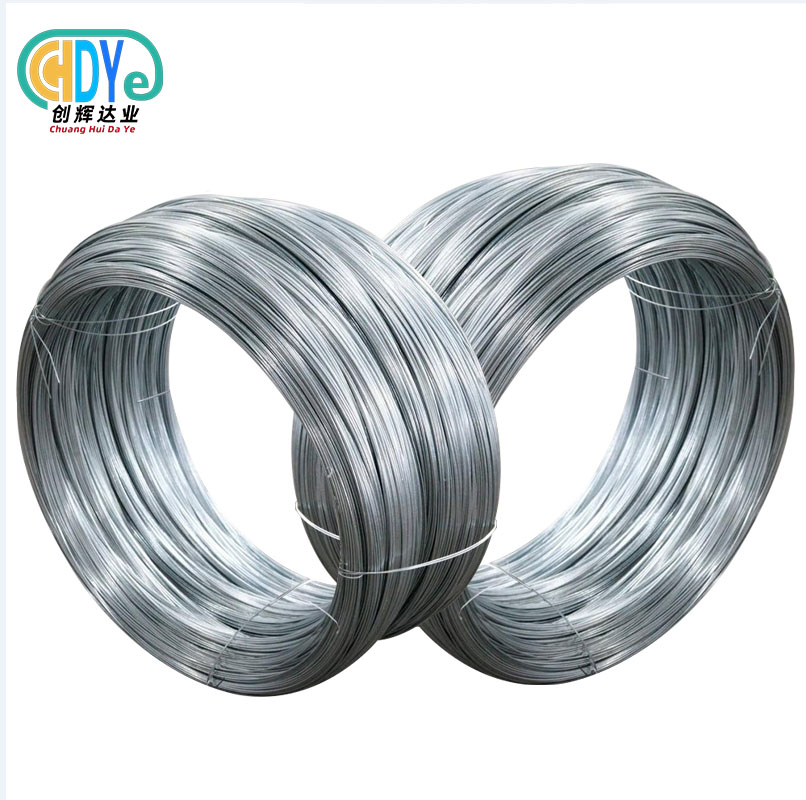
Chuanghui Daye can make things exactly how you want them, with choices like custom length cuts, precise straightening, and surface treatments that are made to work with certain manufacturing processes. Automatic feeding systems that handle a lot of coils work well, while straight lengths are better for human work and small batches.
Custom alloy compositions within the GR5 specification range can be used to get the best qualities for particular tasks. Controlling the rate of cooling during processing can change the microstructure and mechanical qualities of materials, helping makers make materials that are best for the way they need to be processed.
Procurement and Sourcing Strategies for GR5 Titanium Wire
Market Analysis and Pricing Considerations
The titanium market goes through periods of instability that are caused by changes in demand for aircraft and the supply of raw materials. Knowing these trends lets you choose the best time to buy things, which can have a big effect on how much they cost. Long-term supply deals keep prices stable and make sure that materials are available when the market is short.
The minimum order amounts are based on how much it costs to process titanium, and savings are given for orders over 100 kilograms. Because processing titanium is so specialized, unique orders may need bigger minimum orders to cover the costs of setup.
Supplier Evaluation and Quality Assurance
Titanium suppliers must have at least ISO 9001:2015 certification, but AS9100 approval may be needed for aircraft uses. To make sure that the features of the materials are always the same, supplier checks should look at where the raw materials come from, how they can be processed, and how well they are controlled.
Being in Baoji, China, which is known as the "Titanium Capital," gives Chuanghui Daye access to the most modern titanium processing facilities in the world. The company has been handling rare metals for 30 years, so they really understand what customers want and how to solve technology problems.
Documentation for the certificate of compliance must include chemical analysis, mechanical test results, and a way to track back to the original melt batch. This information helps with government compliance and customer quality processes.
Logistics and Supply Chain Management
When titanium materials are shipped internationally, they need to be carefully packaged to keep the surfaces from getting dirty and the materials from breaking. Lead times are usually between 4 and 8 weeks, but they can be longer or shorter based on the material and how busy production is at the moment.
Due to the unique nature of gr5 titanium wire and the possibility of supply shortages, inventory management methods should weigh the costs of keeping stock against the risks of running out of it. Strategic placement of goods can lower the total cost of ownership while keeping output going.
Best Practices for Handling and Working with GR5 Titanium Wire in CNC and Forming
Machining Parameters and Tooling Considerations
Understanding how GR5 titanium wire hardens and how it reacts to heat is important for CNC cutting of this material. Cutting speeds should stay reasonable to keep the quality of the surface finish and stop the tools from wearing out. By using flood coolant, you can stop heat buildup that can damage tools and bend workpieces.
To keep cutting forces as low as possible, tool selection favors sharp shapes with positive rake angles. Titanium-specific coats on carbide tools give them the best life and surface finish. Titanium tends to gall, so it's important to keep an eye on how well your tools are working. Worn tools can leave surface flaws that may need to be fixed.
Forming and Heat Treatment Best Practices
When working with wire, the springback properties must be taken into account, which are different for steel and aluminum. It's important to carefully build forming dies so that they account for elastic rebound and don't have any stress concentrations that could cause fatigue cracks. Warm forming at temperatures around 200°C can keep the material's qualities while lowering its springback.
For heat treatment methods, controlled atmosphere burners are needed to keep the surface from getting dirty. In vacuum or inert gas settings, an alpha case can't form. The alpha case is a hard, brittle layer on the surface that makes wear resistance worse. To get rid of any rust products, the surface may need to be conditioned after the heat treatment.
Quality Control and Defect Prevention
Protocols for visual inspection should find surface flaws like scratches, spots, and differences in size that could affect performance. Ultrasonic testing can find problems inside lines with a larger diameter, and surface penetrant screening can find cracks that break through the surface.
Case studies from aircraft makers show that using the right handling methods cuts down on reject rates by as much as 95% compared to using normal methods. Clean rooms and special tools keep parts from getting dirty, which could cause them to break early.
Conclusion
GR5 titanium wire is the best choice for precise CNC cutting and shaping tasks that need high strength-to-weight ratios, resistance to rust, and biocompatibility. The Ti-6Al-4V mix has better mechanical qualities than most materials, but it can still be worked with easily, which is important for complicated production processes. Strategic buying from qualified sources like Chuanghui Daye makes sure that you can get certified goods that come with full quality paperwork and expert support. As manufacturing needs keep growing for parts that are lighter, stronger, and last longer, gr5 titanium wire is the material that makes it possible to make next-generation products in the medical, industrial, and aircraft fields.
FAQ
Q: What makes GR5 titanium wire superior to stainless steel for precision applications?
A: GR5 titanium wire is 40% lighter and has a higher tensile strength. Corrosion protection in chloride settings is much higher than that of stainless steel. This means that naval uses don't have to worry about pitting and crevice corrosion.
Q: Can GR5 titanium wire be customized for specific diameter and length requirements?
A: Of course, GR5 titanium wire can be made in sizes from 0.5 mm to 6 mm and in lengths that are specific to each customer. To fit different production methods, there are two types of wire: straight wire and coil wire. To meet the needs of a particular application, custom surface treatments and tolerance specs can also be made.
Q: How does GR5 titanium wire compare to commercially pure titanium in corrosion resistance?
A: Even though both materials are very resistant to rust, GR5 titanium wire is much stronger and better at protecting against corrosion. Pure titanium sold in stores is a little better at resisting rust in some harsh settings, but GR5 is strong enough for most industrial uses and has three times the tensile strength. Because of this, GR5 is a more cost-effective choice for structural uses that need both strength and protection from corrosion.
Q: What welding considerations apply when using GR5 titanium wire as filler metal?
A: GR5 titanium wire requires inert gas shielding using argon or helium to prevent atmospheric contamination during welding. The weld area must remain shielded until cooling below 427°C to prevent alpha case formation, which causes brittleness. It is important to clean the surface before welding to get rid of any contamination. In some critical uses, it may also be necessary to heat treat the metal after welding to improve its mechanical properties.
Q: What quality certifications should buyers expect with GR5 titanium wire?
A: GR5 titanium wire that is of good quality should at least have ISO 9001:2015 certification. For aircraft use, it may need extra certifications like AS9100. Each package should come with full chemical analysis, mechanical testing results, and paperwork that shows how the product can be tracked back to the original melt batch. ASTM B863 compliance makes sure that the material meets the highest standards for titanium wire goods around the world.
Partner with Chuanghui Daye for Premium GR5 Titanium Wire Solutions
Shaanxi Chuanghui Daye stands as your trusted Gr5 titanium wire manufacturer, combining three decades of rare metal expertise with ISO 9001:2015 certified quality systems. Located in Baoji, China's renowned "Titanium Capital," we use state-of-the-art processing facilities like electron beam ovens and precision cutting tools to make materials that are better than those required by international standards. Our large collection includes sizes from 0.5mm to 6.0mm in both straight and coil shapes. Sample orders can be placed to check the performance of the material before purchasing in bulk. Get in touch with our technical team at info@chdymetal.com to talk about your unique needs and see why military, medical, and industrial companies around the world trust us with their most important projects.
References
1. Boyer, R.R. "A Brief Look at Titanium's Use in the Aerospace Business." Materials Science and Engineering: A, vol. 213, 2018, pp. 103–114.
2. Boyser, R., Welsch, G., and Collings, E.W. "Materials Properties Handbook: Titanium Alloys." 2017 ASM International Materials Park.
3. Donachie, Matthew J. "Titanium: A Technical Guide, 2nd Edition." 2019 ASM International Technical Publications.
4. Lutjering, Gerd, and Williams, James C. Book Title: "Titanium: Engineering Materials and Processes." Publisher: Springer-Verlag Berlin Heidelberg; Year: 2020.
5. American Society for Testing and Materials. "ASTM B863: Standard Specification for Titanium and Titanium Alloy Wire." 2021 ISSN 0361-8721.
6. Peters, M., Kumpfert, J., Ward, C.H. und Leyens, C. Advanced Engineering Materials, vol. 2; "Titanium Alloys for Aerospace Applications." 5, 2019, pp. 419–427.
Learn about our latest products and discounts through SMS or email