- English
- French
- German
- Portuguese
- Spanish
- Russian
- Japanese
- Korean
- Arabic
- Greek
- German
- Turkish
- Italian
- Danish
- Romanian
- Indonesian
- Czech
- Afrikaans
- Swedish
- Polish
- Basque
- Catalan
- Esperanto
- Hindi
- Lao
- Albanian
- Amharic
- Armenian
- Azerbaijani
- Belarusian
- Bengali
- Bosnian
- Bulgarian
- Cebuano
- Chichewa
- Corsican
- Croatian
- Dutch
- Estonian
- Filipino
- Finnish
- Frisian
- Galician
- Georgian
- Gujarati
- Haitian
- Hausa
- Hawaiian
- Hebrew
- Hmong
- Hungarian
- Icelandic
- Igbo
- Javanese
- Kannada
- Kazakh
- Khmer
- Kurdish
- Kyrgyz
- Latin
- Latvian
- Lithuanian
- Luxembou..
- Macedonian
- Malagasy
- Malay
- Malayalam
- Maltese
- Maori
- Marathi
- Mongolian
- Burmese
- Nepali
- Norwegian
- Pashto
- Persian
- Punjabi
- Serbian
- Sesotho
- Sinhala
- Slovak
- Slovenian
- Somali
- Samoan
- Scots Gaelic
- Shona
- Sindhi
- Sundanese
- Swahili
- Tajik
- Tamil
- Telugu
- Thai
- Ukrainian
- Urdu
- Uzbek
- Vietnamese
- Welsh
- Xhosa
- Yiddish
- Yoruba
- Zulu
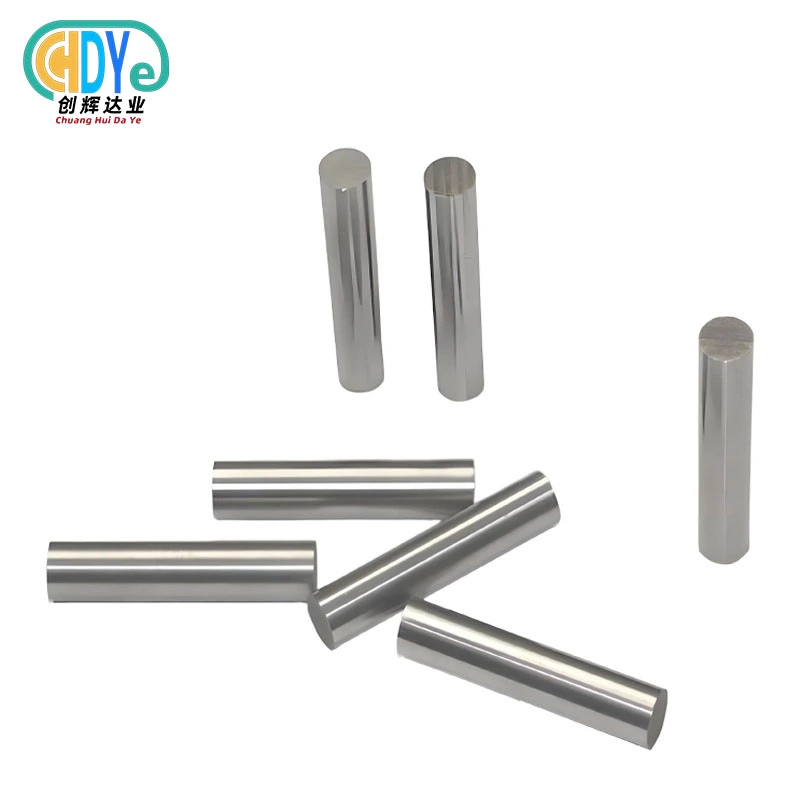
How Is tantalum round bar Used in Chemical Processing?
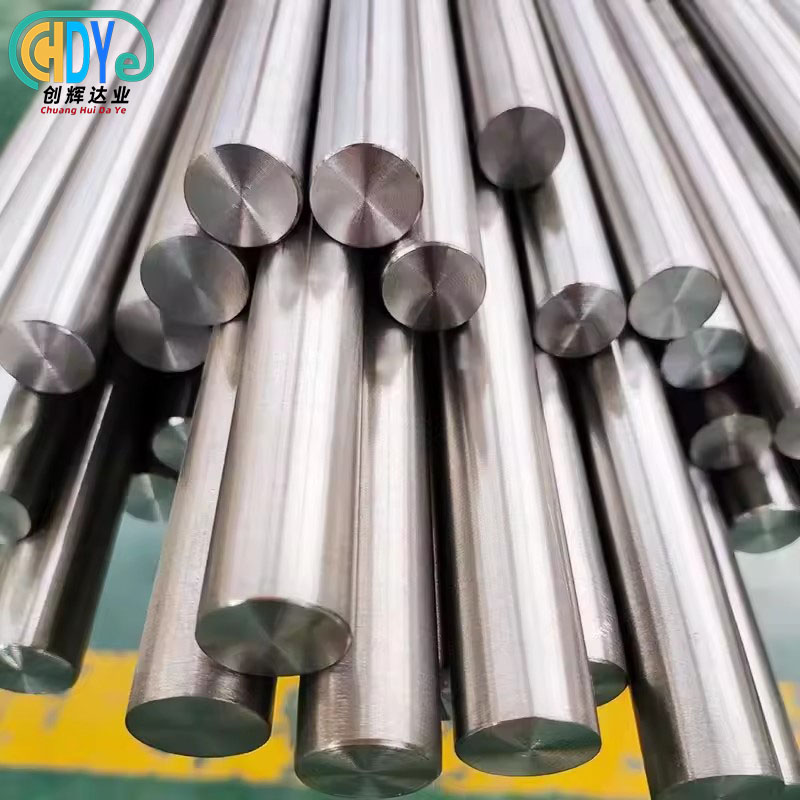
Chemical processing is one of the hardest industries for materials. Hot acids, aggressive fumes, continuous temperature fluctuations, and exacting purity requirements may degrade common metals in months. Every unscheduled closure loses money and safety margin. Therefore, plant engineers will commonly use tantalum round bar in applications where failure of the component is just not an option. Tantalum is a refractory metal. It melts at over 2996 °C. Tantalum has exceptional resistance to acids and oxidation. It can be formed into precision pieces. In this article, we will examine the usage of tantalum round bar in chemical processing, the applications that benefit the most, how grades and requirements influence your decision, and what to look for in a manufacturer to ensure that each bar works as intended.
Why Tantalum Round Bar Suits Chemical Processing
The Oxide Film That Protects the Metal
The value of tantalum round bar in a chemical plant starts with a very thin surface layer. Oxygen reacts with tantalum to generate a thick, closely bound coating of oxide that insulates the metal from the process fluid. If the film is scratched or broken, the film rebuilds itself fast, so the bar still protects itself during regular operation. Thus, tantalum round bar can be in contact with many strong acids for long periods with very little metal loss, and is often said to behave like glass almost in corrosive service, but is still a ductile metal which can be machined, welded under protection, and formed into practical shapes.
Resistance to Acids and Aggressive Media
There is a broad list of hostile compounds in chemical processing, and tantalum round bar deals with many of them confidently. It is resistant to hydrochloric acid, nitric acid, and sulfuric acid throughout a broad variety of circumstances, even aqua regia that will damage most other metals. It is also desirable in hot and mixed acid situations where stainless steel pits and titanium might fail. Of course, no material is universal: Tantalum is attacked by hydrofluoric acid, fuming sulfuric acid, and boiling strong alkalis; therefore, the process media should always be checked beforehand. A reputable provider will assess compatibility for you before you complete a design, so you don’t end up making pricey errors later.
High Melting Point and Thermal Stability
Many chemical processes are exothermic, and heat speeds up corrosion on weaker materials. A circular bar of tantalum melts at over 2996°C, yet maintains its mechanical integrity in circumstances that would soften or compromise ordinary alloys. This means that it may be used in components near heaters, in hot reaction zones or in vacuum furnaces related to chemical operations. Its excellent formability means it can also be forged, rolled and machined into components with precise dimensions, so designers do not have to compromise on shape for performance. Thermal stability and corrosion resistance together determine the selection of tantalum round bar for demanding equipment where dependability is more important than initial pricing.
Common Chemical Processing Applications of Tantalum Round Bar
Heat Exchangers, Reactors and Process Vessels
The pieces that transmit or move heat within corrosive liquids are among the toughest jobs in a plant. Tantalum round bar is used to manufacture shafts, support rods, spargers, baffles, nozzles, and internal fittings for reactors, evaporators, and heat exchangers handling hot acids. In these environments, typical metals may corrode, flake off, and contaminate the product. Tantalum parts can maintain their surface and form. Since the bar may be cut and machined into multiple shapes, one stock size can be used for many distinct items. The outcome for operators is longer service intervals, cleaner output, and a safer plant, which is frequently enough to offset the increased cost of tantalum.
Stirrers, Probes, Thermowells and Fasteners
It is frequently the little bits that keep a system up. Stirrer shafts, thermowells, sensor sleeves, bolts, nuts and pins machined from tantalum round bar can withstand repeated exposure to harsh chemicals that would soon damage steel fasteners. Due to their chemical inertness, the process fluid is devoid of metal ions, which is important for pharmaceutical, fine chemical, and laboratory production. A single broken bolt in a corrosive line may lead to an unforeseen shutdown, so replacing it with a tantalum part is a low-cost approach to preserve a much bigger investment. Most of these tiny and mid-size demands are covered using round bar stock ranging in diameter from 2 to 100 mm.
Electrodes, Linings and Laboratory Equipment
Tantalum round bar is used for electrochemical operations, laboratory usage, and primary process equipment. Electrode supports, current-carrying rods, sample containers, and test fixtures for research and pilot plants may be produced. In certain designs, it is utilized as a basis for manufactured components which are then processed for corrosion-resistant service. It is a favorite in laboratories because it stays clean, does not contaminate materials, and retains its form despite many heating and cleaning cycles. Below is a summary of common applications and the key advantage tantalum provides in each application.
| Application | Typical Parts Made from Tantalum Round Bar | Main Benefit |
|---|---|---|
| Reactors and vessels | Shafts, baffles, internal supports | Resistance to hot acids |
| Heat exchangers | Rods, spargers, nozzles | Stable heat transfer surface |
| Mixing and sensing | Stirrers, thermowells, probes | Chemical inertness |
| Fastening | Bolts, nuts, pins | No corrosion at joints |
| Electrochemical and lab use | Electrode supports, test fixtures | Cleanliness and durability |
Specifications, Grades and Delivery of Tantalum Round Bar
Grades and Standards You Should Know
Choosing the right specification is the basis of every excellent buy. Our tantalum round bar is available in R05200 and R05400 grades and made in complete compliance with ASTM B365 and other international standards. The particular qualities of the grades, and the way the metal is manufactured, vary, so you will want to verify which one your process documentation specifies. We can also offer tantalum round bar in different grades to meet your corrosion, forming, and pricing requirements. Please specify the grade, the standard, and the intended use with your request, so that we can confirm the suitable material for your application directly.
| Item | Specification |
|---|---|
| Product | Tantalum round bar |
| Grade | R05200 / R05400 |
| Diameter | 2–100 mm |
| Standard | ASTM B365 |
| Stock delivery | Within 1–3 days |
| Normal production time | About 15 working days |
Diameter Range and Customization
Diameter versatility is a great benefit, as chemical equipment comes in many sizes. From tiny fasteners and probes to bigger shafts and structural supports, all from one source. We have tantalum round bar from 2mm up to 100mm. Lengths and specific requirements may be tailored, and our staff is delighted to discuss tolerances, surface polish, and machining requirements prior to manufacturing. It is also economical to order a bar closer to the final part dimensions to save waste material and machining time, particularly important with a costly metal such as tantalum. If you are unclear about which size would be ideal, email us a sketch, and we will provide an efficient choice.
Delivery Time and Order Planning
In chemical facilities, project timetables are seldom liberal, thus delivery time is almost as important as pricing. We can send tantalum round bar in standard sizes in one to three days, which is helpful if you already have a maintenance shutdown underway. Normal production for made-to-order sizes and unique needs is roughly fifteen working days. By planning ahead and communicating your quantities early, we can reserve material and keep your project on schedule. We are located in Baoji High-tech Development Zone, with convenient transportation and a good industrial infrastructure, which can supply efficiently to consumers all over the globe.
Manufacturing, Quality and Sourcing of Tantalum Round Bar
From High-Purity Ingot to Finished Bar
What occurs in the production determines reliable performance in service. Our tantalum round bar is produced from high-purity tantalum ingots, precisely forged, rolled, and annealed. Each step refines the structure of the metal, enhances its dimensional precision, and prepares it for machining. Annealing recovers the ductility after intensive working. We regulate quality from beginning to end since the whole process is carried out in our own facilities with annealing furnaces, an electron beam furnace, smelting equipment, rolling machines, lathes, sawing machines, and shearing machines. This combination preserves the homogeneous structure of each bar, which in turn helps it operate consistently in corrosive use.
Inspection and ISO 9001:2015 Quality Control
Quality is the heart of our competitiveness and is developed at every stage. Shaanxi Chuanghui Daye Metal Material Co., Ltd. has passed the ISO 9001:2015 Quality Management System certification, including raw material inspection, melting and forging, machining and forming, final inspection, and packing. With this technique, you have a traceable record for each batch of tantalum round bar, so you know where the material originated from and how it was tested. Chemical processing buyers typically want documentation for audits and safety evaluations, and a documented process makes that task much simpler. You’ll see your problems early in production—not after the bar is put in your plant.
Choosing a Reliable Tantalum Supplier
The final step is to choose the firm behind the metal. A reliable supplier of tantalum round bar should verify grades and standards in writing, give material certifications, publicly explain its manufacturing path and reply immediately to technical queries. Our firm was founded by an expert with over 30 years of rare metal industry expertise, and we believe in quality first, client first. We also sell niobium, titanium, tungsten, and molybdenum materials, so you can easily combine many demands into one purchase. This knowledge allows us to provide high-quality, dependable, and cost-efficient products and address practical issues before they get to your manufacturing line.
Conclusion
Tantalum round bar is used in chemical processing because it has a self-healing oxide surface that resists acids and is stable at extremely high temperatures. This reduces corrosion, contamination, and downtime. Shaanxi Chuanghui Daye Metal Material Co., Ltd., headquartered in Baoji, the "Titanium Capital of China", has been dedicated to rare metals for more than 30 years. We have sophisticated manufacturing equipment and ISO 9001:2015 quality control. If your facility requires reliable, cost-effective, corrosion-resistant components, call our experts now and let us assist you in picking the proper grade, diameter, and delivery plan for your next project.
FAQ
Q1. Why is tantalum round bar used in chemical processing?
A: It forms a self-healing oxide film that resists most strong acids and oxidizing conditions, which keeps equipment durable and process fluids clean.
Q2. What grades and sizes do you supply?
A: We supply tantalum round bars in grades R05200 and R05400, with diameters from 2 to 100 mm, and we can offer various purities and customized specifications.
Q3. Which standard do your bars follow?
A: They are produced in full accordance with ASTM B365 and other international standards, under an ISO 9001:2015-certified quality system.
Q4. How long does delivery take?
A: Stock sizes can be arranged within one to three days, while normal production time is about fifteen working days.
Q5. Is tantalum suitable for every chemical?
A: No. Tantalum resists most acids, but it is attacked by hydrofluoric acid, fuming sulfuric acid, and hot strong alkalis, so please share your process media with us before ordering.
Contact Us Today for Your Tantalum Round Bar Needs
Looking for a trustworthy source of corrosion-resistant metal for your plant? Shaanxi Chuanghui Daye Metal Material Co., Ltd. supplies premium tantalum round bar, together with titanium, niobium, tungsten, and molybdenum materials, to chemical, aerospace, electronic, and medical customers worldwide. Send us your grade, diameter, quantity, and application details, and our experienced team will prepare a fast, tailored quotation with all the documents you need. Whether you need a stock size within days or a custom order, we are ready to help with expert advice and dependable delivery. Email us today at info@chdymetal.com and keep your chemical processing equipment running longer.
References
1. Cardonne, S. M., Kumar, P., Michaluk, C. A., & Schwartz, H. D. (1995). Tantalum and its alloys. International Journal of Refractory Metals and Hard Materials, 13(4), 187–194.
2. Robin, A., & Rosa, J. L. (2000). Corrosion behavior of niobium, tantalum and their alloys in hot hydrochloric and phosphoric acid solutions. International Journal of Refractory Metals and Hard Materials, 18(1), 13–21.
3. Cardarelli, F. (2018). Materials Handbook: A Concise Desktop Reference (3rd ed.). Springer.
4. ASTM International. (2016). ASTM B365: Standard Specification for Tantalum and Tantalum Alloy Rod and Wire. ASTM International.
5. Schweitzer, P. A. (2010). Fundamentals of Corrosion: Mechanisms, Causes, and Preventative Methods. CRC Press.
6. International Organization for Standardization. (2015). ISO 9001:2015 Quality Management Systems – Requirements. ISO.
Learn about our latest products and discounts through SMS or email