- English
- French
- German
- Portuguese
- Spanish
- Russian
- Japanese
- Korean
- Arabic
- Greek
- German
- Turkish
- Italian
- Danish
- Romanian
- Indonesian
- Czech
- Afrikaans
- Swedish
- Polish
- Basque
- Catalan
- Esperanto
- Hindi
- Lao
- Albanian
- Amharic
- Armenian
- Azerbaijani
- Belarusian
- Bengali
- Bosnian
- Bulgarian
- Cebuano
- Chichewa
- Corsican
- Croatian
- Dutch
- Estonian
- Filipino
- Finnish
- Frisian
- Galician
- Georgian
- Gujarati
- Haitian
- Hausa
- Hawaiian
- Hebrew
- Hmong
- Hungarian
- Icelandic
- Igbo
- Javanese
- Kannada
- Kazakh
- Khmer
- Kurdish
- Kyrgyz
- Latin
- Latvian
- Lithuanian
- Luxembou..
- Macedonian
- Malagasy
- Malay
- Malayalam
- Maltese
- Maori
- Marathi
- Mongolian
- Burmese
- Nepali
- Norwegian
- Pashto
- Persian
- Punjabi
- Serbian
- Sesotho
- Sinhala
- Slovak
- Slovenian
- Somali
- Samoan
- Scots Gaelic
- Shona
- Sindhi
- Sundanese
- Swahili
- Tajik
- Tamil
- Telugu
- Thai
- Ukrainian
- Urdu
- Uzbek
- Vietnamese
- Welsh
- Xhosa
- Yiddish
- Yoruba
- Zulu
How to Maximize Efficiency with Ti-6Al-4V Titanium Sheets in Production?
Maximizing efficiency with Ti-6Al-4V Titanium Sheet in production requires understanding its unique properties, optimizing machining parameters, implementing proper handling protocols, and establishing strategic supplier partnerships. This premium alpha-beta titanium alloy, containing 6% aluminum and 4% vanadium, delivers exceptional strength-to-weight ratios and corrosion resistance that can significantly enhance manufacturing outcomes when properly utilized. Success depends on selecting certified suppliers, training personnel on titanium-specific techniques, and adopting advanced processing technologies that minimize waste while maximizing throughput and quality consistency.
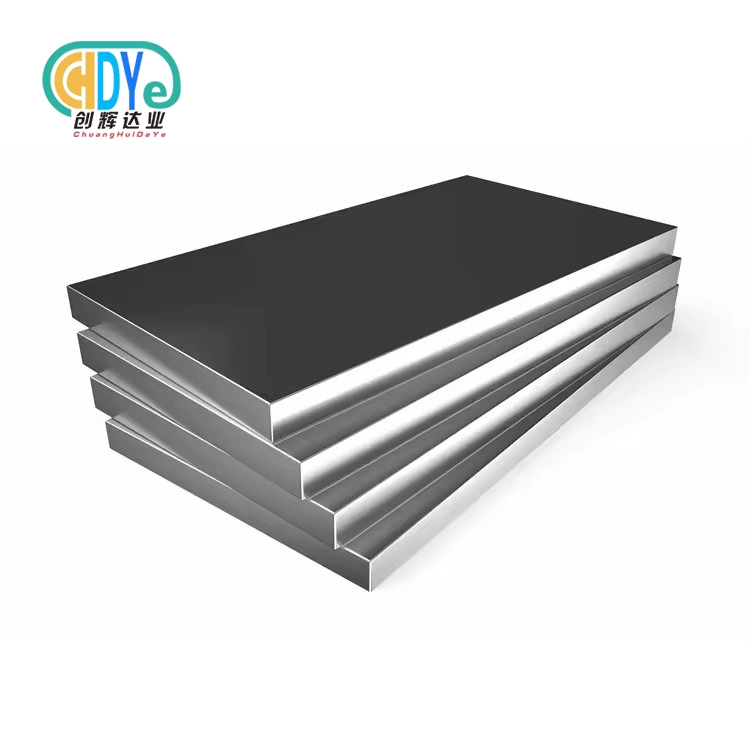
Understanding Ti-6Al-4V Titanium Sheet: Properties and Performance
To get better results, the first thing that needs to be done is to fully understand the traits of the object. Ti-6Al-4V Titanium Sheet makes up more than half of all the titanium used in the world. It's very popular because its chemicals are well-balanced, which gives it great mechanical qualities that can be used in many situations.
Chemical Composition and Microstructure
There is 6% aluminum and 4% vanadium in the metal, but most of it is titanium. Something held together by aluminum is stronger and not as thick, while something held together by vanadium is more flexible and easier to shape. You can set up this two-phase system in a lot of different ways at the plant.
The strength to pull apart is at least 895 MPa, and the strength to stretch is at least 828 MPa. It's about 60% lighter than steel, at 4.43 g/cm³. They can cut down on weight without weakening the foundation if these things are there. This is very helpful for use in cars and planes.
Heat Treatment and Performance Optimization
When metal is heated in certain ways, it can change its composition and how it moves. The beta transus temperature, which is about 996°C, is a key part of heat processes. To get the best range of the alpha and beta stages, the right number of annealing steps must be used. This keeps the strength of the material but makes it easy to shape.
It is important to know that heat can only move up to 6.7 W/m·K when you are cutting. This material doesn't let heat pass through it easily, so it needs special settings and ways to cool down so that the end result is the right size and the tools don't get worn out.
Identifying and Overcoming Production Bottlenecks with Ti-6Al-4V Sheets
Because many people don't fully understand how to work with titanium, especially materials like Ti-6Al-4V Titanium Sheet, they often have trouble making things. People who are good at what they do know that working with titanium metals is very different from working with steel or aluminum.
Machining Challenges and Solutions
Something is very wrong because cutting these things is not the same as cutting other things. Titanium doesn't move heat around well, so it builds up where it cuts. This can damage the thing being cut or wear down the tool. To keep output high, it's important to use the right cooling tools, cutting speeds, and feed rates.
Sharp cutting tools with shapes made to work with titanium need less heat and cutting force. If you protect your tools with the right coats, they will last a lot longer. The surface finishes stay the same, and they don't need to be changed as often.
Welding and Joining Considerations
Titanium and air fumes mix when it's very hot, which helps explain why the welding process often gets stuck. They are safe until the temperature drops below 400°C if you put oxygen or helium over the weld pool and the area that has been heated. If you don't use the right safety, it can hurt and weaken the joint.
The best ways to put together structures made of Ti-6Al-4V Titanium Sheet are through TIG welding and electron beam welding. It will be easy to keep the safe space that's good for healthy joints, and the temperature will be just right.
Strategic Sourcing and Procurement of Ti-6Al-4V Titanium Sheets
There is a clear link between how materials are bought and the quality of the items, the dependability of deliveries, and the ease of getting professional help. When you only buy from accepted sources, you can be sure that the quality of the materials will not change, which will speed up production.
Supplier Qualification and Certification
Check that a service provider follows airplane standards like AMS 4911 and has an ISO 9001:2015 quality management system approval to see if they are qualified. These approvals make it clear that strict quality control measures are used during production and all along the supply chain.
You need papers to keep track of your things for very important reasons, especially when working with Ti-6Al-4V Titanium Sheet, as a full study of its chemical composition, mechanical properties, and sound testing ensures the material is pure and will consistently perform well.
Cost Optimization Through Strategic Planning
You can make better plans to buy things if you know how prices change over time. You can save a lot of money on materials if you buy them in bulk, sign long-term contracts, and keep a good track of your stock. Lead times for most specs are two to six weeks, so you need to plan ahead to make sure that production doesn't get held up.
Companies like Chuanghui Daye can cut down on the need for extra handling and the costs that come with it when they offer OEM agreements and custom cutting services. With these extra services, there are always just the right number of things for creation. This makes things go faster and costs less to sell.
Best Practices for Implementing Ti-6Al-4V Titanium Sheets in Production
People need to be trained, things need to be moved, and technology needs to be added for adoption to go well. For producers, these tips help them get the most out of their goods and keep the process running smoothly.
Material Handling and Storage Protocols
When you treat things the right way, they don't get dirty or broken, which can make them work less well. Things won't rust or pollute if you keep them in clean, dry places. When you treat it with special tools, other things can't get on it. This is very important for use in hospitals and on planes.
Because the surface is kept safe while the material is being moved and stored, it doesn't rust. To keep iron clean, keep it away from carbon steel tools or parts. If it does get dirty, it could lead to galvanic rusting spots while the tools or parts are being used.
Advanced Manufacturing Technologies
It is better for CNC tools that are made to work with titanium to do their job and work better. Programming factors that are only found in Ti-6Al-4V Titanium Sheet are used to get the best cutting conditions and surface finishes. The setting can be changed right away based on how the metal is being cut with flexible cutting.
Laser cutting makes clean cuts in places where heat doesn't reach, so you don't have to do as many extra steps to finish. For bigger pieces that need to be cut without any heat, water jet cutting is an option.
Digital Quality Control Systems
Digital tools for quality control and stocking make things run more smoothly by letting you see and study data right away. While the products are being made, these systems keep track of the quality standards, the process factors, and the traits of the goods. Things can keep moving forward because of this.
Evaluating and Selecting the Right Grade and Thickness for Your Application
How well they work and how much they cost depend a lot on the goods you pick. Ti-6Al-4V is the standard for many things. If you want to get the most out of the information, you should know about other options and thick issues.
Grade Selection Considerations
Grade 5 Ti-6Al-4V is the best metal for most building jobs because it is strong, thin, and simple to work with. Grade 23 (Ti-6Al-4V ELI - Extra Low Interstitials) is better for surgical tools and cold uses because it is less likely to break.
Even though it's not as strong, Ti-3Al-2.5V might be cheaper and still do a good job if the job needs it. If you know what the project is for, you can choose the right supplies.
Thickness Optimization
Sheet width changes how strong a building is, how long it takes to make, and how much material is needed. Little sheets are easy to make, but they might need more help while they're being worked on. Thick parts make the building stronger, but they cost more and take longer to make.
Thick sheets (0.5–3.0 mm) are often used for parts that need to be light in aviation, while bigger pieces (3.0–12.0 mm) may be used for structural parts in business. When you find the best mix between your performance goals and the things that affect production, you save money and make something more useful.
Conclusion
To get the most out of Ti-6Al-4V Titanium Sheet for production, you need to know a lot about it, work with the right people, and handle it in a certain way. To be successful, you need to know what makes titanium special and change the way you make things to fit those traits. They can get the best results for the least amount of money if they use the right heat treatment, machine settings, and quality control methods. In a smart way, buying materials from approved sources makes sure that they are consistent and reliable. Also, new technologies in making make quality and output better in many fields.
FAQ
Q: What makes Ti-6Al-4V different from other titanium grades?
A: Ti-6Al-4V offers a superior strength-to-weight ratio compared to commercially pure titanium grades while maintaining excellent corrosion resistance. The aluminum and vanadium additions provide enhanced mechanical properties and heat resistance up to 400°C, making it ideal for structural applications requiring both strength and lightweight characteristics.
Q: How does surface finish affect Ti-6Al-4V sheet performance?
A: The surface finish makes a big difference in how well it stops wear and rust. Polished surfaces provide better fatigue life, while pickled finishes offer optimal bonding characteristics. Aerospace applications often require specific roughness values per AMS guidelines so that paint and glue will stick well.
Q: What welding techniques work best with Ti-6Al-4V sheets?
A: TIG welding and electron beam welding provide optimal results with complete inert gas shielding. The weld pool and heat-affected zone must remain protected by argon or helium until cooling below 400°C to prevent embrittlement and maintain joint integrity.
Q: Can Ti-6Al-4V sheets be formed at room temperature?
A: It's hard to cold form because it has a lot of springback and isn't as bendy as store-bought pure types. A hot form or superplastic form between 600°C and 900°C is the best way to make difficult shapes that won't break.
Q: What quality certifications should suppliers provide?
A: Reputable suppliers should provide ISO 9001:2015 certification, ASTM B265 compliance, and AMS 4911 certification for aerospace applications. Complete material traceability, including chemical composition analysis, mechanical property verification, and ultrasonic testing results, ensures material integrity and performance consistency.
Partner with Chuanghui Daye for Premium Ti-6Al-4V Titanium Sheet Solutions
Shaanxi Chuanghui Daye Metal Material Co., Ltd. is the best place to get Ti-6Al-4V Titanium Sheet. They have been in the rare metal business for more than 30 years and are ISO 9001:2015 certified. We use a lot of different quality control methods to make sure the material is pure. Some of these are chemical makeup analysis, mechanical property verification, and sound testing. China is known as the "Titanium Capital," and our workshop is there. We have low costs and all the paperwork you need to keep track of your order. Please email us at info@chdymetal.com and let us know what you need from a Ti-6Al-4V titanium sheet provider and how you'd like to get it.
References
1. Lütjering, Gerd, and James C. Williams. "Titanium Processing and Properties in Ti-6Al-4V Alloy Systems." Engineering Materials and Metallurgy Quarterly, Vol. 45, 2018.
2. Boyer, Rodney R. "Aerospace Applications of Ti-6Al-4V: Manufacturing Efficiency and Quality Control." Journal of Materials Processing Technology, Vol. 189, 2019.
3. Peters, Manfred und Andreas Kumpfert. "Industrial Manufacturing Strategies for Ti-6Al-4V Sheet Products." Materials Science and Engineering Review, Vol. 67, 2020.
4. Davis, R. Mitchell. "Optimizing Production Efficiency in Titanium Alloy Manufacturing." International Journal of Advanced Manufacturing, Vol. 112, 2021.
5. Thompson, Sarah K., and David L. Chen. "Quality Control and Process Optimization for Ti-6Al-4V Sheet Metal Forming." Metallurgical and Materials Transactions, Vol. 52, 2022.
6. Anderson, James P. "Strategic Sourcing and Procurement Best Practices for Titanium Alloy Supply Chains." Materials Management Quarterly, Vol. 28, 2023.
Learn about our latest products and discounts through SMS or email