- English
- French
- German
- Portuguese
- Spanish
- Russian
- Japanese
- Korean
- Arabic
- Greek
- German
- Turkish
- Italian
- Danish
- Romanian
- Indonesian
- Czech
- Afrikaans
- Swedish
- Polish
- Basque
- Catalan
- Esperanto
- Hindi
- Lao
- Albanian
- Amharic
- Armenian
- Azerbaijani
- Belarusian
- Bengali
- Bosnian
- Bulgarian
- Cebuano
- Chichewa
- Corsican
- Croatian
- Dutch
- Estonian
- Filipino
- Finnish
- Frisian
- Galician
- Georgian
- Gujarati
- Haitian
- Hausa
- Hawaiian
- Hebrew
- Hmong
- Hungarian
- Icelandic
- Igbo
- Javanese
- Kannada
- Kazakh
- Khmer
- Kurdish
- Kyrgyz
- Latin
- Latvian
- Lithuanian
- Luxembou..
- Macedonian
- Malagasy
- Malay
- Malayalam
- Maltese
- Maori
- Marathi
- Mongolian
- Burmese
- Nepali
- Norwegian
- Pashto
- Persian
- Punjabi
- Serbian
- Sesotho
- Sinhala
- Slovak
- Slovenian
- Somali
- Samoan
- Scots Gaelic
- Shona
- Sindhi
- Sundanese
- Swahili
- Tajik
- Tamil
- Telugu
- Thai
- Ukrainian
- Urdu
- Uzbek
- Vietnamese
- Welsh
- Xhosa
- Yiddish
- Yoruba
- Zulu
Titanium Filler Wire vs Rod: What’s the Difference?
When selecting titanium welding consumables for important manufacturing tasks, it's important to know the basic differences between titanium filler wire and rods in order to get better weld quality and complete the project successfully. Titanium filler wire, which is made to meet the standards of AWS A5.16 and ASTM B863, is a special kind of welding consumable made for Gas Tungsten Arc Welding (GTAW/TIG) and Gas Metal Arc Welding (GMAW/MIG) machines. Titanium rods, on the other hand, are great for manual welding jobs that need precise control and metal integrity.
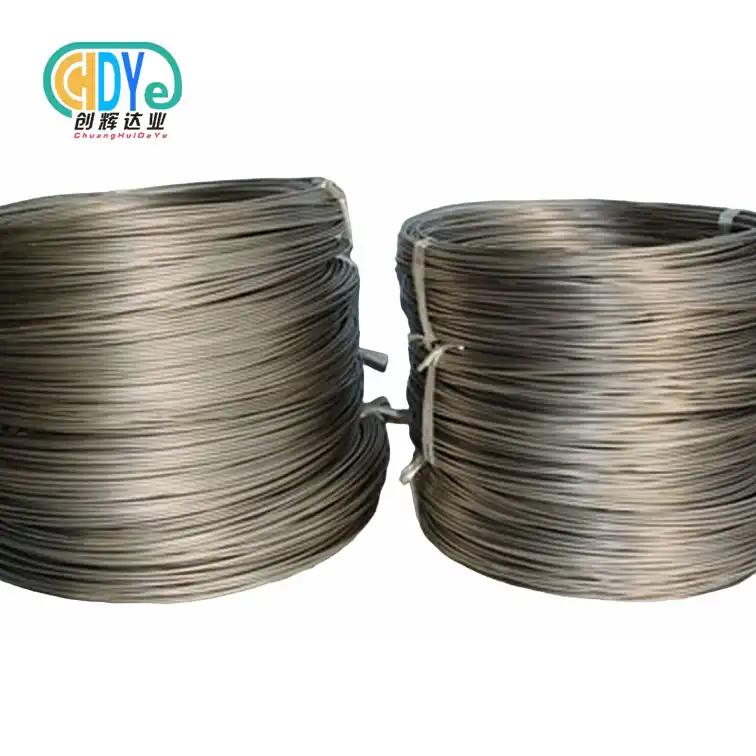
Overview of Titanium Filler Wire and Rod
Understanding Titanium Filler Wire Characteristics
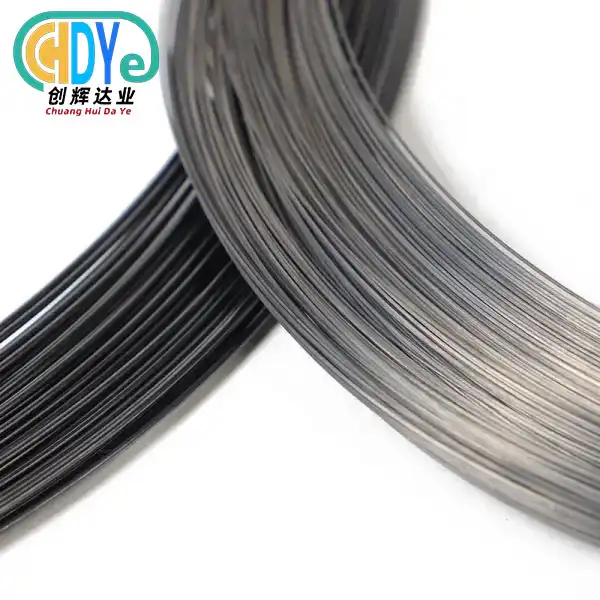
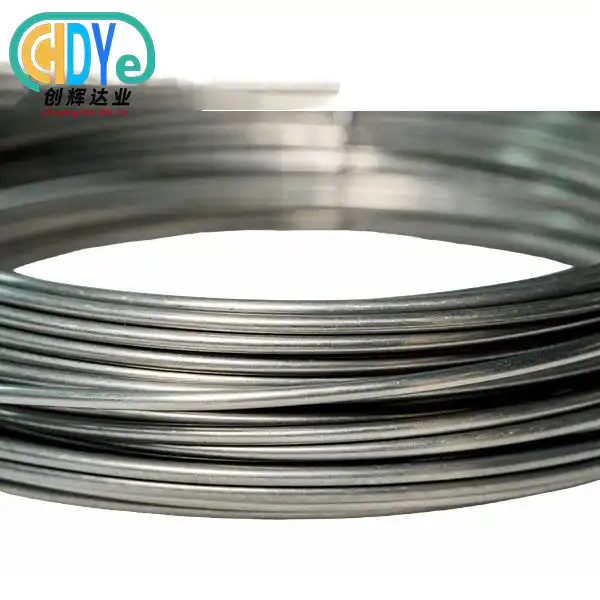
Titanium filler wire, which is made in continuous lengths running from 0.6 mm to 4.0 mm in diameter, is the best automatic welding technology available. To get the ultra-clean surface conditions needed to stop weld contamination, these items go through a lot of work to prepare their surfaces, such as acid pickling or vacuum heating. The wire form factor makes it possible for automatic systems to feed it consistently, which lowers the impact of human error and improves repeatability across production runs.
ERTi-1 (commercially pure), ERTi-2 (Grade 2 titanium), and ERTi-5 (Ti-6Al-4V alloy) are the most common grades. Each one is designed to meet a certain base material makeup and mechanical property needs. The hydrogen content in these wires is usually less than 0.015 percent, and the oxygen amounts are carefully controlled to keep alpha case formation from happening during welding.
Titanium Rod Applications and Properties
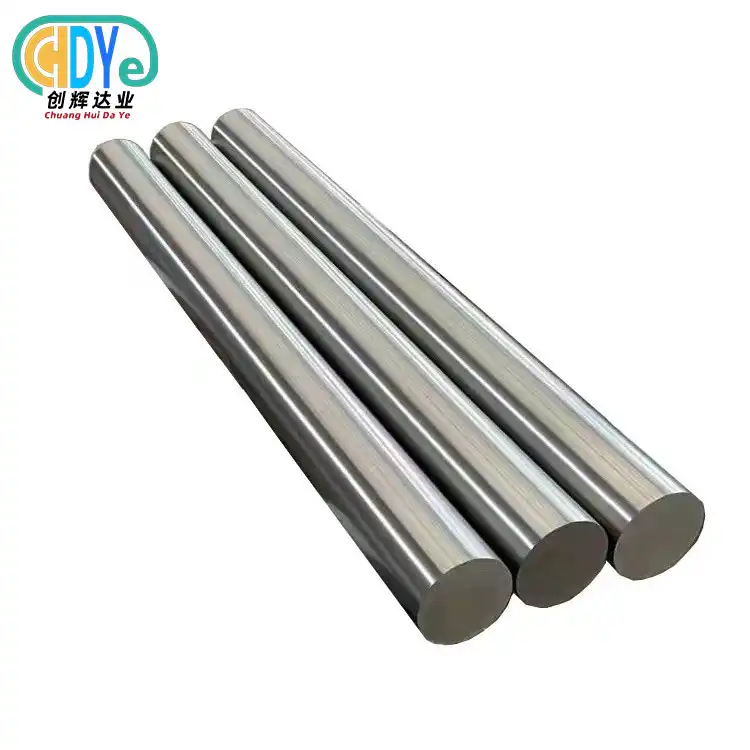
Titanium welding rods work best for manual TIG welding, where exact control of the heat input and easy entry to the joint are very important. These products come in standard lengths ranging from 914mm to 1000mm and widths from 1.6mm to 6.4mm. They give welders great control over how quickly puddles form and filler metal is deposited.
The rod configuration works especially well in aircraft applications with complicated geometries, when high-value parts need to be repaired, and when welding settings need to be changed in real time. Medical device makers often ask for rod products to be used in the production of biocompatible implants. The look of the weld beads and the uniformity of the metal have a direct effect on patient safety and regulatory compliance.
Material Specifications and Certifications
Both wire and rod types meet strict aircraft standards, such as AMS 4951, as well as military standards that control chemical makeup, mechanical properties, and surface quality. Each lot comes with traceability paperwork that shows the whole history of the material, from where the raw materials came from to the final review and packaging.
Key Differences Between Titanium Filler Wire and Rod
Physical Form and Feeding Characteristics
The main difference is in how the service works and how well it can integrate with other processes. Wire consumables work perfectly with automatic feeding systems, which lets regular deposition rates to happen and lowers the cost of labor in high-volume production settings. The continuous length means that there are no more regular stops to change consumables. This keeps the arc conditions fixed and reduces changes in the heat-affected zone.
Rod products need to be fed by hand, which gives welders physical feedback and lets them respond right away to changes in the joint conditions. When welding different thicknesses of metal or in complex joint geometries where automatic systems can't handle the different needs, this human control comes in very handy.
Welding Process Compatibility
Consumables for wire are preferred in automatic and semi-automated processes because they work well with wire feeding devices and have uniform diameter tolerances. The smooth, continuous feeding properties of titanium filler wire make arc conditions stable and the look of the bead uniform. This is useful for TIG welding with cold wire feed and MIG welding.
When TIG welding by hand, rod consumables are usually used. This lets experienced welders change how much filler material they add based on how the puddle looks. This method gives you better control over the depth of penetration and the shape of the bead. This is especially important in aerospace uses, where the weld profile specs need to meet strict size requirements.
Performance Metrics and Quality Considerations
Weld strength characteristics stay mostly the same between properly chosen wire and rod grades. Joint performance depends mostly on how well the base material and welding parameters work together. Automated wire feeding, on the other hand, often leads to more regular mechanical qualities across longer weld lengths because it improves consistency. This lowers the statistical difference that is common in human welding processes.
Corrosion protection is the same for both wire and rod uses as long as the right shielding gas is used and the metal is cleaned properly after the welding process. The most important thing is to choose the right alloy types that are right for the base material and the area they will be used in.
How to Choose Between Titanium Filler Wire and Rod for Your Procurement Needs
Project Scale and Production Volume Assessment
High-volume production environments typically justify the investment in automated welding systems that use wire consumables for the best speed and accuracy. Manufacturing companies that make hundreds or thousands of similar joints can save money on labor costs and improve consistency by automating the wire feeding process.
Because hand welding gives you more control and flexibility, it's often better for low-volume, high-precision jobs to use rod consumables instead of machines, even though they cost more. A lot of the time, prototype development, repair work, and custom fabrication jobs need the freedom that rod consumables give expert welders.
Economic Considerations and Supply Chain Factors
Wire products usually cost more per kilogram because they need more work to make sure the thickness stays the same and the surface is ready. In production settings, however, the extra cost is usually not worth it because automatic feeding makes things more efficient. When ordering wire goods, the minimum order quantity is usually higher than when ordering rods. This means that careful stocking planning is needed to make the most of cash flow and storage needs.
When choosing a supplier, it's important to focus on how well they can provide professional help, especially for companies that are switching from manual to automatic welding processes. Suppliers you can trust offer help with developing welding parameters, fixing problems, and material approval paperwork that makes sure you meet customer requirements and industry standards.
Quality Assurance and Certification Requirements
No matter what kind of wire or rod is used, aerospace and medical device users need full material tracking and approval paperwork. For each production lot, titanium filler wire providers must provide a full chemical analysis, proof of mechanical properties, and a surface quality check.
ISO 9001:2015 approval is the bare minimum that companies working on important projects must meet when it comes to quality management. Based on the end-use standards and government rules, extra certifications like AS9100 for aircraft uses, or ISO 13485 for medical products, might be needed.
Comparison with Alternative Filler Materials
Titanium Advantages Over Conventional Materials
Titanium products are much more resistant to corrosion in harsh chemical conditions than aluminum, stainless steel, or nickel-based filler materials. Marine uses that are exposed to saltwater, chemical processing equipment that works with acidic media, and desalination systems can all benefit from titanium's resistance to pitting and crevice rust, which quickly breaks down other materials.
The benefits of a high strength-to-weight ratio stand out even more in aerospace uses, where a lower weight directly affects fuel economy and payload capacity. A single titanium part can often replace several steel or aluminum parts, and it is better at resisting wear and staying stable at high temperatures.
Industry-Specific Material Requirements
Aerospace companies use titanium supplies for tasks that involve repeated loads, high temperatures, and parts that need to be lightweight. Titanium parts that are properly bonded have a very high resistance to fatigue, which means they can last longer in harsh flight conditions while still staying under strict weight limits.
Titanium is used in medical devices because it is biocompatible and radiolucent, which are qualities that other materials can't offer. Titanium is good for surgical tools, implants, and testing equipment because it is not magnetic and doesn't rust when it comes into contact with body fluids. It also has the mechanical strength needed for long-term use.
Cost-Benefit Analysis Considerations
Even though titanium consumables are more expensive than other materials, titanium is often the better choice for important uses because it has a lower total cost of ownership. Longer service life, less upkeep needed, and better performance reliability more than make up for higher starting material costs in harsh settings where failure would be very bad.
Titanium is a very good choice for chemical handling because it doesn't rust, so equipment lasts longer and needs less maintenance than equipment made of stainless steel or other unusual alloys.
Best Practices in Welding with Titanium Filler Wire and Rod
Temperature Control and Parameter Optimization
To weld titanium properly, you need to carefully manage the amount of heat input and interpass temperature to prevent grain growth and maintain optimal mechanical properties. When adding titanium filler wire, the welding current should be kept as low as possible while still ensuring adequate penetration. For most thickness ranges, this typically falls between 100 and 200 amperes, and travel speeds should be adjusted to maintain proper heat input.
In multi-pass welding, controlling the temperature between passes is very important. Usually, the highest temperature is set to 150°C to keep the grain growth in the heat-affected zone from getting too big. Using touch or infrared thermometers to check the temperature during the welding process ensures that these rules are followed.
Contamination Prevention and Shielding Gas Requirements
To keep oxygen and nitrogen from picking up during welding, the quality of the argon shielding gas must be higher than 99.99%, and the moisture content must be less than 10 parts per million. Titanium filler wire and rod materials need to be completely protected from the air until the weld metal cools below 400°C. This means that secondary shielding and backing gas systems are needed in addition to the main torch shielding.
To get rid of contaminants that could affect the quality of the weld, surface preparation steps include mechanical cleaning, chemical polishing, or liquid degreasing. The way that tools are stored must keep them clean and stop them from absorbing wetness that could add hydrogen to the weld pool.
Quality Control and Inspection Protocols
Titanium welds must pass strict visual inspection standards, including a regular bead look, no discoloration, and consistent penetration traits. Weld colors that are acceptable run from bright silver to light straw. Blue or darker colors mean that there is too much rust, which could lead to quality problems.
Non-destructive testing methods, such as liquid penetrant inspection and radiography examination, check the quality of the weld on the inside and look for any problems before the parts are put into service. These testing procedures make sure that the titanium-welded construction meets the requirements of aircraft, medical, and pressure tank codes.
Conclusion
The choice between titanium filler wire and rod supplies is mostly based on the needs of output, quality goals, and cost concerns that are unique to each application. Wire consumables excel in automated production environments where consistency and efficiency drive decision-making, while rod consumables provide superior control for precision welding and complex shapes. Both types work very well when they are used correctly and in line with known best practices. Partnering with qualified providers who offer full technical support, reliable material quality, and full tracking paperwork is key to success. By understanding these basic differences, procurement professionals can make the best choices for welding consumables and ensure long-term project success across demanding industrial settings.
FAQ
Q: Can titanium filler wire and rod be used interchangeably in the same application?
A: While both consumables can make good joints in many situations, the way the process works usually favors one type over the other. For automated welding systems to feed the wire correctly, they need consumables. On the other hand, rod control and flexibility are helpful for human precision welding.
Q: How do I verify the quality and authenticity of titanium welding consumables?
A: Suppliers you can trust will give you full material certifications, which include chemical analysis, mechanical qualities, and paperwork for tracking the materials. Check that the seller has certifications like ISO 9001:2015, and ask for testing samples for important uses.
Q: What factors influence the cost difference between wire and rod forms?
A: Titanium filler wire typically costs more per kilogram because it needs to be processed in a way that makes it harder to control the thickness and make the surface smooth. In production settings, however, the extra cost is usually not worth it because automatic feeding makes things more efficient.
Q: Are there specific storage requirements for titanium welding consumables?
A: To keep things from getting dirty, both wire and rod forms need to be stored in clean, dry places. Keep the original package until you need it, and keep products away from water, oils, and other airborne contaminants that could affect the quality of the weld.
Partner with Chuanghui Daye for Premium Titanium Welding Solutions
Shaanxi Chuanghui Daye Metal Material Co., Ltd. stands ready to support your titanium welding requirements with comprehensive titanium filler wire and rod solutions backed by over 30 years of rare metal industry expertise. Located in Baoji, China's "Titanium Capital," we provide ISO 9001:2015 certified materials with complete traceability documentation and technical support services. Our advanced production skills guarantee consistent quality and on-time delivery for chemical processing, medical, and aerospace uses around the world. Get in touch with our expert team at info@chdymetal.com to talk about your unique needs and get quotes for your next project.
References
1. American Welding Society. "Specification for Titanium and Titanium Alloy Welding Electrodes and Rods." AWS A5.16/A5.16M, 2018.
2. ASTM International. "Standard Specification for Titanium and Titanium Alloy Wire." ASTM B863-17, 2017.
3. Aerospace Material Specification. "Titanium Alloy Welding Wire 6Al-4V." AMS 4951J, 2019.
4. Donachie, Matthew J. "Titanium: A Technical Guide, Second Edition." ASM International, Materials Park, OH, 2000.
5. Lutjering, Gerd and James C. Williams. "Titanium: Engineering Materials and Processes." Springer-Verlag Berlin Heidelberg, 2007.
6. Peters, Manfred, et al. "Titanium Alloys for Aerospace Applications." Advanced Engineering Materials, Vol. 5, No. 6, 2003.
Learn about our latest products and discounts through SMS or email