- English
- French
- German
- Portuguese
- Spanish
- Russian
- Japanese
- Korean
- Arabic
- Greek
- German
- Turkish
- Italian
- Danish
- Romanian
- Indonesian
- Czech
- Afrikaans
- Swedish
- Polish
- Basque
- Catalan
- Esperanto
- Hindi
- Lao
- Albanian
- Amharic
- Armenian
- Azerbaijani
- Belarusian
- Bengali
- Bosnian
- Bulgarian
- Cebuano
- Chichewa
- Corsican
- Croatian
- Dutch
- Estonian
- Filipino
- Finnish
- Frisian
- Galician
- Georgian
- Gujarati
- Haitian
- Hausa
- Hawaiian
- Hebrew
- Hmong
- Hungarian
- Icelandic
- Igbo
- Javanese
- Kannada
- Kazakh
- Khmer
- Kurdish
- Kyrgyz
- Latin
- Latvian
- Lithuanian
- Luxembou..
- Macedonian
- Malagasy
- Malay
- Malayalam
- Maltese
- Maori
- Marathi
- Mongolian
- Burmese
- Nepali
- Norwegian
- Pashto
- Persian
- Punjabi
- Serbian
- Sesotho
- Sinhala
- Slovak
- Slovenian
- Somali
- Samoan
- Scots Gaelic
- Shona
- Sindhi
- Sundanese
- Swahili
- Tajik
- Tamil
- Telugu
- Thai
- Ukrainian
- Urdu
- Uzbek
- Vietnamese
- Welsh
- Xhosa
- Yiddish
- Yoruba
- Zulu
Niobium Wire Buying Guide for Engineers and Manufacturers
If you work in electronics, aerospace, chemical processing or medical device manufacturing, you’ve probably seen circumstances when ordinary metals aren’t enough. Niobium wire provides a compelling alternative for engineers and procurement managers who want material dependability in harsh environments. This book takes you through everything you need to assess, compare, and source high-quality niobium wire – from comprehending its key metallurgical qualities to finding reliable vendors that can deliver consistently.
Understanding Niobium Wire – Properties and Applications
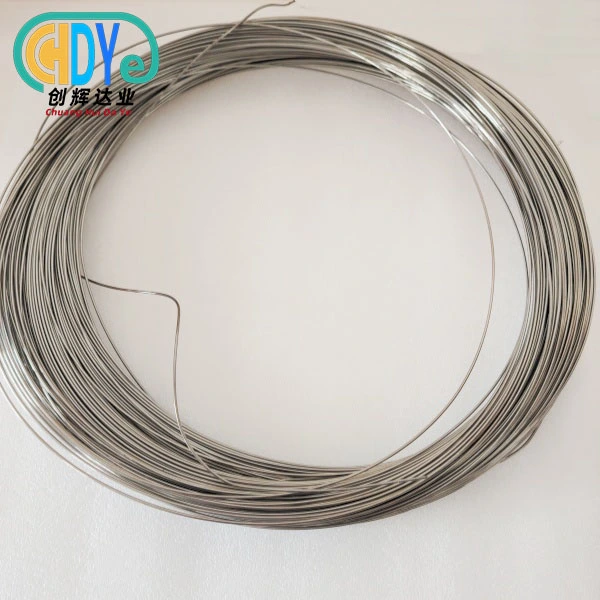
Niobium (Nb, Atomic Number 41) is a refractory metal that is refined by electron beam melting and then cold-drawn into wire form by sequential swaging and drawing passes. The resulting filament has a very small grain structure and predictable mechanical action.
Key Physical and Chemical Properties
Our Nb >99.9% purity wire has a density of 8.57 g/cm3 and a tensile strength of 200-350 MPa depending on temper and diameter. Available diameters are from 0.05 mm up to 5 mm and lengths up to 1,000 mm per piece. Niobium melts at around 2,477°C; therefore, it’s extremely heat stable in harsh conditions. Its corrosion resistance in sulfuric, hydrochloric, and nitric acid conditions greatly surpasses that of stainless steel.
Where Niobium Wire Gets Used
The breadth of applications comes as a surprise to most procurement teams. The top industries currently procuring this material are:
- Electronics and superconducting components: Niobium wire is the starting point for making Nb-Ti composite wires used in MRI magnets and NMR apparatus. These wires work at cryogenic temperatures (4K in liquid helium), so they can maintain strong magnetic fields without losing energy.
- Medical implants and pacemaker leads : Its absolute bio-inertness removes the possibility of foreign body reaction, making it suited for neurostimulation devices and implanted leads, where the release of ions into the circulation has to be nil.
- Fine jewelry: Niobium is a hypoallergenic metal with a natural sheen and is a popular choice for body jewelry and high-end accessories, particularly for those who are sensitive to nickel.
- High-pressure sodium lighting electrodes: Its coefficient of thermal expansion is very near to that of alumina ceramic arc tubes, which allows hermetic sealing to withstand corrosive hot sodium vapor plasma.
With these use cases, your procurement team is put in a position to match the proper wire specification to the right application from the get-go.
Comparing Niobium Wire to Alternative Materials
When considering choices of rare metal wire, the comparison nearly invariably boils down to five candidates: titanium, tantalum, stainless steel, copper, and nichrome. Both have their merits. The trade-offs show why niobium wire is interesting for niche industrial applications.
Titanium wire has a high strength-to-weight ratio and strong corrosion resistance, although it is not superconducting like niobium and oxidizes at lower temperatures. Tantalum wire has similar acid resistance and biocompatibility to niobium, but its greater density (16.69 g/cm³ vs niobium's 8.57 g/cm³) and much higher cost make it unsuitable for commercial applications. Stainless steel wire is cheap and easy to get, but breaks quickly in chloride-rich or severely acidic situations where niobium performs dependably over lengthy service cycles.
Copper wire leads the electrical conductivity charts at room temperature. But it corrodes in hostile conditions and adds zero superconducting value. Nichrome is good for moderate high-temperature heating but cannot get close to the melting point or chemical inertness of niobium. Niobium wire fills a performance niche for applications that need a mix of corrosion resistance, ductility, biocompatibility, and possible superconducting activity that no other material can completely duplicate.
How to Choose the Right Niobium Wire for Your Needs
Specialty metal wire procurement selections are more complex than catalog ordering. If you get the specification incorrect here, the downstream costs will be much more than any initial savings.
Matching Diameter, Purity, and Tolerance to Your Application
Start with the diameter. Our product range of 0.05 mm to 5 mm encompasses everything from delicate coil wrapping in electronic circuits to structural wire forms in aeronautical fittings. Purity is a direct performance factor: our Nb >99.9% standard meets the requirements of electronics manufacturers and research institutes, while reactor grade R04200 with stringent tantalum limitations below 0.1% is suitable for superconducting and nuclear conditions. The commercial grade R04210 has a greater tantalum concentration, around 0.5%, and hence, is cheaper for common chemical processing applications.
Evaluating Suppliers Before Committing to an Order
Supplier assessment: An assessment of the supplier should contain more than spec documents. ISO 9001:2015 certification ensures that a manufacturer has quality controls in place throughout raw material inspection, melting, shaping, and final packing, all recorded. Full material traceability documentation allows for compliance checks and supports warranty claims if the performance is not up to par. Transparency on lead times is especially necessary for urgent projects – question in detail about normal stock availability vs made-to-order manufacturing processes. Finally, technical support access enables your engineering staff to answer specification questions before making orders, not after material has been received. For applications requiring specialized conductive materials, confirm that niobium wire meets the required specifications and traceability standards.
Trusted Suppliers and Brands – Where to Buy High-Quality Niobium Wire
The worldwide supply chain of rare metal wire concentrates is centered in a few areas with existing rare metal processing equipment. The Baoji High-Tech Development Zone in China is called the “Titanium Capital” and has a dense network of professionals in titanium, tantalum, niobium, tungsten, and molybdenum processing, with decades of collected metallurgical experience.
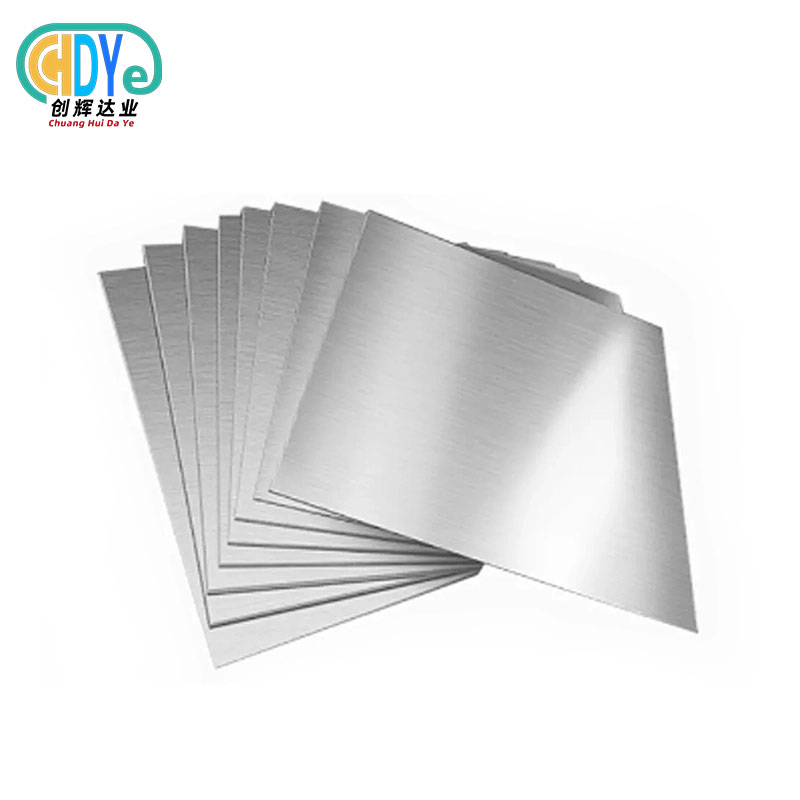
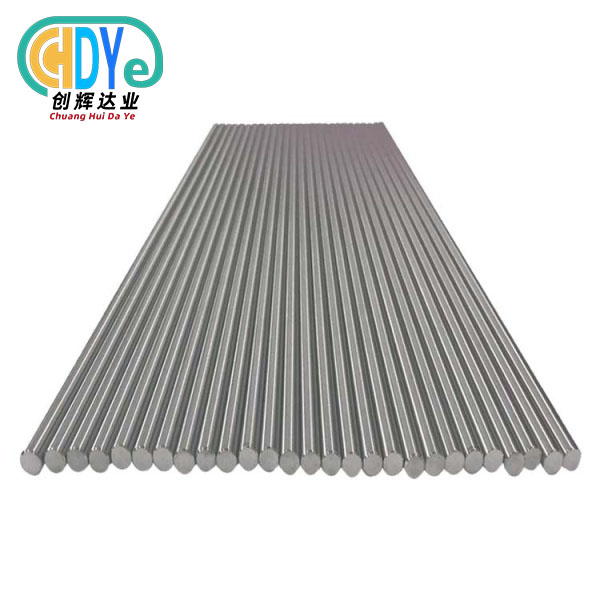
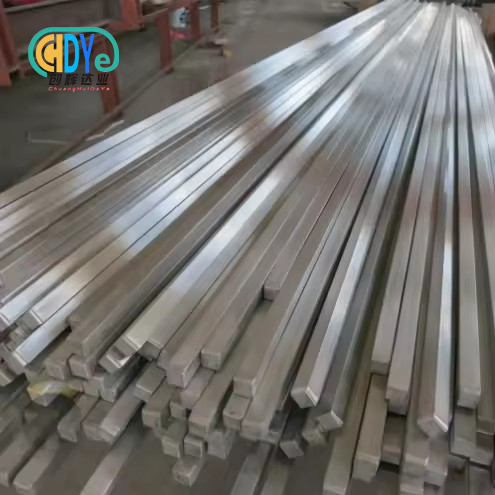
Shaanxi Chuanghui Daye Metal Material Co., Ltd. is a company based in Baoji, founded by an industry specialist with over 30 years of expertise in the fabrication of rare metals. The firm is ISO 9001:2015 certified and has modern melting equipment such as electron beam furnaces, annealing furnaces, rolling machines, and precision lathes. In addition to its conventional wire manufacturing, this infrastructure allows Chuanghui Daye to handle special requests for such things as plates, rods, crucibles, and machined items.
Chuanghui Daye is a direct factory supplier of niobium wire for sale. For U.S. based manufacturers and engineers buying niobium wire, this results in a considerable reduction in per-unit cost compared to wholesalers. Flexible MOQ policy for small-batch R&D purchases or large-volume manufacturing runs. The technical staff offers consulting assistance in English to help procurement managers understand tolerances, surface finish requirements, and compliance paperwork needs without communication friction.
Conclusion
Careful study is required for the technical and commercial choice of the suitable niobium wire. The excellent purity, corrosion resistance, thermal stability, and biocompatibility of the material make it very difficult to replace in vital applications. Purchasing from a proven source that meets your diameter, purity grade, and tolerance standards, has ISO certification and keeps traceability documents can greatly decrease your purchase risk. Chuanghui Daye has earned a reputation for providing dependable rare metal wire products to customers worldwide in the electronics, aerospace, medical, and research markets, and we are prepared to assist you with your next project with the same level of devotion.
FAQ
Q: What purity level should I specify for electronics applications?
A: For most electronics and superconducting wire applications, Nb >99.9% purity is the standard minimum. Applications requiring high Residual Resistance Ratio (RRR) values, such as superconducting RF cavities, typically demand 99.99%+ with explicit RRR specifications above 300.
Q: Can niobium wire be welded in standard workshop conditions?
A: No. Niobium reacts with oxygen and nitrogen above 200°C, causing immediate embrittlement. Welding must be performed using electron beam welding in vacuum, or TIG welding within an argon or helium-shielded inert gas chamber.
Q: Is niobium wire resistant to all acids?
A: It performs well against sulfuric, hydrochloric, and nitric acids. However, hydrofluoric acid (HF) and any solution containing fluoride ions will rapidly dissolve niobium. Always verify the chemical environment before specifying this material.
Q: What are typical lead times and MOQ for custom orders?
A: Standard stock diameters ship within 7–15 business days. Custom diameters or lengths generally require 3–5 weeks. Minimum order quantities are flexible — we accommodate small research batches as well as bulk manufacturing orders.
Q: How should niobium wire be stored to prevent degradation?
A: Store on spools in sealed, dry environments with desiccant present. Always handle with clean gloves — fingerprint oils and organic residues carbonize during heat treatment, compromising surface integrity and mechanical properties.
Partner with Chuanghui Daye for Your Next Niobium Wire Order
Shaanxi Chuanghui Daye delivers premium niobium wire that meets your exact specifications — from 0.05 mm fine wire to 5 mm diameter stock, with Nb >99.9% purity and full traceability documentation. As an experienced niobium wire manufacturer backed by ISO 9001:2015 certification and 30+ years of rare metal expertise, we offer factory-direct pricing, flexible batch sizes, and dedicated technical support. Contact us today at info@chdymetal.com or visit www.chdymetal.com to request a quote.
References
1. ASM International – ASM Handbook, Volume 2: Properties and Selection – Nonferrous Alloys and Special-Purpose Materials, 1990.
2. ASTM International – ASTM B392: Standard Specification for Niobium and Niobium Alloy Bar, Rod, and Wire, 2022.
3. Savitskii, E. M. et al. – Physical Metallurgy of Refractory Metals and Alloys, Consultants Bureau, 1970.
4. NbSuperconductors International Journal of Applied Superconductivity – "Niobium Wire Applications in MRI and Superconducting Magnets," IEEE Transactions on Applied Superconductivity, 2019.
5. European Journal of Materials Science – "Biocompatibility and Corrosion Behavior of Refractory Metals in Physiological Environments," Journal of Biomedical Materials Research, 2021.
6. Smithells Metals Reference Book, 8th Edition – Elsevier Butterworth-Heinemann, 2004.
Learn about our latest products and discounts through SMS or email