- English
- French
- German
- Portuguese
- Spanish
- Russian
- Japanese
- Korean
- Arabic
- Greek
- German
- Turkish
- Italian
- Danish
- Romanian
- Indonesian
- Czech
- Afrikaans
- Swedish
- Polish
- Basque
- Catalan
- Esperanto
- Hindi
- Lao
- Albanian
- Amharic
- Armenian
- Azerbaijani
- Belarusian
- Bengali
- Bosnian
- Bulgarian
- Cebuano
- Chichewa
- Corsican
- Croatian
- Dutch
- Estonian
- Filipino
- Finnish
- Frisian
- Galician
- Georgian
- Gujarati
- Haitian
- Hausa
- Hawaiian
- Hebrew
- Hmong
- Hungarian
- Icelandic
- Igbo
- Javanese
- Kannada
- Kazakh
- Khmer
- Kurdish
- Kyrgyz
- Latin
- Latvian
- Lithuanian
- Luxembou..
- Macedonian
- Malagasy
- Malay
- Malayalam
- Maltese
- Maori
- Marathi
- Mongolian
- Burmese
- Nepali
- Norwegian
- Pashto
- Persian
- Punjabi
- Serbian
- Sesotho
- Sinhala
- Slovak
- Slovenian
- Somali
- Samoan
- Scots Gaelic
- Shona
- Sindhi
- Sundanese
- Swahili
- Tajik
- Tamil
- Telugu
- Thai
- Ukrainian
- Urdu
- Uzbek
- Vietnamese
- Welsh
- Xhosa
- Yiddish
- Yoruba
- Zulu
pure tantalum bar for Medical, Aerospace, and Industrial Uses
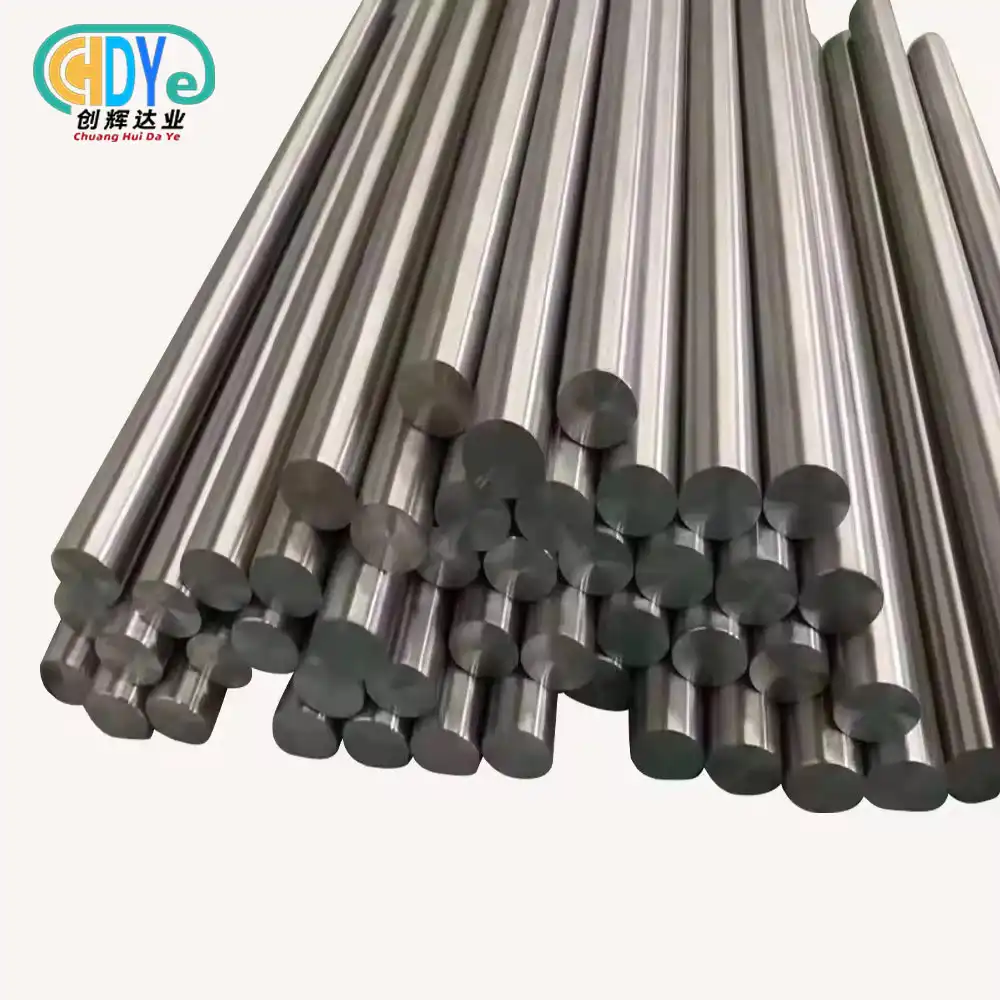
When your engineering project demands materials that simply won't fail under extreme conditions, the pure tantalum bar delivers unmatched performance across medical implants, aerospace engine components, and chemical processing equipment. This cylindrical refractory metal, manufactured with 99.95% or higher purity according to ASTM B365 standards, solves critical challenges where standard alloys break down. Its self-healing oxide layer protects against catastrophic corrosion in boiling acids, while biocompatibility makes it irreplaceable for surgical applications. Whether you're sourcing round bars for capacitor anodes or square bars for machined reactor parts, understanding the material's unique capabilities ensures your project specifications align with tantalum's distinct advantages in environments where conventional metals surrender.
Understanding Pure Tantalum Bar: Properties and Production
When it comes to refractory metals, tantalum is unique because it has a unique mix of physical and chemical properties. This dense metal (16.6 g/cm³) has a melting point of 3017°C (5463°F), which means it can stay strong in situations that would melt most industrial materials. Tantalum is unique because it forms an insulating tantalum pentoxide (Ta₂O₅) film on its own, which protects against rust and keeps it from forming. This passive layer stays stable in almost all acids except hydrofluoric acid. This makes tantalum essential for chemical processing tasks where failure would cost a lot of money or put people in danger.
Manufacturing Methods That Determine Quality
The production process has a big effect on the texture and function of the finished bar. When buying teams know about these methods, they can better choose the right material for the job.
Production of pure tantalum bars is mostly done in two main ways. When vacuum arc melting or electron beam melting is used, UNS R05200 grade tantalum bars with cast microstructures are made. These bars are great for deep-draw forming and general industrial uses. When the liquid metal cools down in a controlled atmosphere, it forms bars that are very pure but may have grain structures that are more coarse. Powder metallurgy, on the other hand, makes UNS R05400 grade by hardening tantalum powder that has been packed down at temperatures below the melting point. This method makes grain structures that are finer and more uniform, which makes them perfect for capacitor electrodes and other precision parts that need to have consistent electrical properties. In our ISO 9001:2015-certified production facility, Shaanxi Chuanghui Daye Metal Material Co., Ltd. uses both methods. This lets us match the manufacturing method to the needs of the application.
Quality Assurance in Production
Strict quality control rules tell the difference between trusted providers and sellers of goods. We use several levels of verification at our plant in Baoji, China's Titanium Capital. The first step is a glow discharge mass spectrometry (GDMS) study of the raw materials to make sure they are pure enough to meet our standards. The amount of interstitial gas, especially oxygen levels below 150 ppm, keeps the material from becoming too stiff, which makes it less flexible. Ultrasonic testing that meets AWS standards finds internal holes or voids that could cause failure under stress during processing. Tensile strength and elongation qualities are checked using ASTM E8 mechanical tests, and grain size is usually ASTM 4 or smaller based on metallographic analysis. These steps make sure that every bar that leaves our facility meets the high standards that aerospace and medical customers expect.
Applications of Pure Tantalum Bar in Medical, Aerospace, and Industrial Sectors
Pure tantalum bars are useful in many high-stakes industries because they have properties that make them useful in those areas. Buyers can choose the right grades and specifications by understanding how they will be used in their specific sector.
Medical Device Manufacturing
Tantalum is a great material for lasting injections because it is very compatible with living things. Unlike titanium or stainless steel, tantalum doesn't cause a strong immune reaction, so it can be directly fused to bone. Machined from high-purity bars, spinal fusion cages, skull plates, and acetabular hip cups show long-term stability inside the human body without rust or bad tissue reactions. The radiopacity of the metal makes it easy to see on X-rays and CT scans, which lets doctors check on implant placement after surgery. Our pure tantalum bars meet the standards for medical materials, which helps device makers who need full records of the process from the ingot to the finished part. Tantalum bars are also used by companies that make surgical instruments for special tools that need to be resistant to corrosion and keep their exact measurements during sterilisation cycles.
Aerospace Component Production
Materials that don't break down when exposed to high or low temperatures or mechanical stress are needed for aircraft and satellites. Pure tantalum bars are used in parts of the combustion zone where temperatures are higher than what nickel superalloys can handle. Tantalum's ability to keep its strength at high temperatures makes it useful for gas turbine nozzle vanes, rocket engine combustion tanks, and thermal safety elements. The material's ability to prevent rusting by liquid metals is useful in systems that use molten metals to move heat. Tantalum is used in space because it stays the same size over a wide range of temperatures and doesn't break down when exposed to atomic oxygen in low Earth orbit. Defence companies like that we can make special cross-sections with tight tolerances, which cuts down on the time and materials needed to machine the parts.
Industrial and Chemical Processing
Chemical plants that work with corrosive media are always fighting to keep their equipment from breaking down. When made into reactor tank linings, heat exchanger tubes, and agitator shafts that work in boiling sulphuric acid, hydrochloric acid, and nitric acid environments, pure tantalum bars are a cost-effective option. A lot of tantalum bars are used in the electronics industry to make capacitor anode wire, and the purity of the material directly affects how well the device works. Tantalum crucibles and boats made from bars are used in vacuum deposition devices to evaporate materials without getting them dirty. Manufacturers of lab equipment get small-diameter bars for analysis tools that need to be chemically inert. Our production is flexible enough to handle both large orders of tonnes of capacitors and small orders of unique sizes for research institutions working on next-generation materials.
Comparing Pure Tantalum Bar with Other Materials: Making the Right Choice
When choosing materials, you have to balance the need for efficiency with the available cash. Tantalum's special properties make it very expensive, so it's important to understand how costs and benefits relate to each other before making a purchase decision.
Tantalum Versus Alternative Refractory Metals
When looking at corrosion-resistant choices, titanium often stands out as a cheaper option with great strength-to-weight ratios. Titanium can handle many acidic conditions below 300°C, but it oxidises quickly at higher temperatures and doesn't work well in reducing acid conditions, where tantalum does. Niobium is about half the price of tantalum and has similar high-temperature properties. However, it doesn't have the same rust protection in acidic environments. Molybdenum is strong at high temperatures, but it easily oxidises above 500°C when there are no protective atmospheres around it. These options work well in some situations, but tantalum is still the best material for tasks that need to be stable at high temperatures and resistant to acids at the same time.
Understanding Grade Specifications
To make sure the material meets the needs of the application, procurement specifications should include references to the right standards. This grade, R05200, refers to unalloyed tantalum that is made by melting it. It is very easy to shape and weld. R05400 means that the metal came from powder metallurgy, and it may have a higher oxygen content but a thinner grain structure. The ASTM B365 chemical makeup limits set the highest impurities that can be present. These impurities affect both the mechanical qualities and the corrosion performance. People who want to buy medical-grade materials should make sure they meet the relevant biocompatibility standards. For aerospace uses, materials must meet AMS specifications. In order to help customers make the right grade choices, our technical team translates application needs into material specifications that balance performance and cost.
Procurement Guide: How to Source and Buy Pure Tantalum Bars Effectively
To strategically source speciality metals, you need to know how the market works, what your suppliers can do, and the specifics of your needs that affect both quality and delivery times.
Key Factors in Supplier Selection
Verification of certification is the first step in evaluating possible sellers. ISO 9001:2015 certification means that quality management systems are well-established, but AS9100 registration is often needed by aerospace customers. Lead times and shipping logistics are affected by where the maker is located. For example, local suppliers may offer faster delivery, but the costs may be higher. On the other hand, well-known Chinese manufacturers like Chuanghui Daye offer affordable factory-direct prices and well-documented quality systems. Suppliers must have the right production tools. Suppliers who have both melting and powder metallurgy equipment can offer a wider range of specifications. Minimum order quantities are very different. For example, capacitor manufacturers that need to buy by the tonne negotiate different terms than research institutions that need experimental quantities. Ask for detailed material certifications that include chemical analysis, mechanical testing results, and proof that finished pure tantalum bars can be tracked back to the ingots that were used to make them.
Navigating Technical Specifications
To do effective buying, you need to be able to communicate clear specifications. Tolerances must be specified for diameter or cross-section measurements. Grades h7, h8, or h9 show varying levels of precision that affect how easy the material is to machine. Surface finish needs can range from "as rolled" to "precision ground," based on what will be done with the metal next. Changes in length tolerances affect how much material is yielded when blanks are cut for machining. The size of the grains affects the making process. For example, smaller grains allow for tighter bend radii without breaking. Cost is directly related to how pure the material needs to be. For example, 3N5 (99.95%) is good for most industrial uses, while 4N (99.99%) is better for electronics that need to be as clean as possible. By giving sellers thorough drawings and information about the application, buyers can get the best specs, which could lower costs by making the best use of materials.
Managing Pricing and Lead Times
Tantalum prices change based on global supply and demand. Depending on the amount and specifications, they can range from a substantial investment per kilogram. Because they need to be processed more often and lose more material during drawing, smaller sizes cost more. Lead times range from a few weeks for standard sizes to longer periods of time for custom specifications that need dedicated production runs. Strategic buyers keep working ties with several qualified suppliers, combining the need to cut costs with the need to ensure a steady supply of goods. When you make a volume promise, you can often use tiered prices, and just-in-time delivery plans lower the costs of keeping inventory on hand. Our company helps customers control their budgets and project schedules by providing reliable production capability and low factory-direct prices. Total cost comparisons can be done accurately by asking for specific quotes that include the prices of shipping, insurance, and packaging.
Ensuring Success: Best Practices and Future Trends in Pure Tantalum Bar Usage
Tantalum is a volatile metal that needs to be handled, processed, and used in ways that are special to its properties in order to get the most out of it.
Machining and Fabrication Considerations
Tantalum is sticky, which makes it hard to machine and requires special techniques. The metal quickly becomes "work-hardened," so it needs high-speed steel tools that are very sharp (carbide tools tend to chip) and have positive rake angles to lower the cutting forces. A lot of coolant flow stops galling and edge buildup, both of which damage the surface finish. When threading, extra care must be taken because tantalum tends to seize, so slower speeds and thread-cutting oils are needed. Extreme atmospheric control is needed for welding. For example, TIG welding must be done in 99.999% pure argon chambers or vacuum environments to avoid contamination that weakens the joint's ability to bend. Even short contact with air above 300°C during welding weakens and oxidises the metal. Conditions of storage are also important. Keeping pure tantalum bars in clean, dry places keeps their surfaces from getting dirty, which makes handling later harder.
Emerging Applications and Market Trends
Pure tantalum bars are being used in more and more areas thanks to new technologies. Researchers are looking into porous tantalum scaffolds that help bone grow better than solid implants. This could completely change the results of orthopaedic surgery. Additive manufacturing methods can handle tantalum powder, which makes it possible to make shapes that are too complicated to be made with traditional tools. People are interested in reusing tantalum from old electronics because they care about the environment. This could help keep supply lines stable while also lowering their impact on the environment. Researchers in the aerospace industry are looking into tantalum alloys that offer better high-temperature strength for the next generation of hypersonic vehicles. It looks like these trends are pointing to rising demand in both established markets and new applications. Companies that invest in technical know-how and flexible production methods set themselves up to take advantage of changing customer needs.
Conclusion
When users need precise performance, the choices you make about which materials to use have a big effect on the success of your project. Pure tantalum bars are reliable in places where other materials fail. The investment is worth it because they last longer and need less upkeep. Procurement teams can find materials that exactly meet the needs of a project by knowing about production methods, grade standards, and application-specific needs. As aerospace systems push the limits of temperature, medical devices need to be more biocompatible, and chemical processes deal with more aggressive media, tantalum's unique set of properties keeps it as the refractory metal of choice for critical applications that need to be both resistant to corrosion and stable at high temperatures.
FAQ
Q: Why Choose Tantalum Bars for Medical Implants Over Titanium?
A: Both metals can be used in biological situations, but tantalum is better at radiopacity for clear images and has great bone fusion properties. It doesn't corrode as easily as titanium does in biological fluids, so implants will stay stable for a long time. The pick will depend on the needs of the product and the cost.
Q: What Distinguishes R05200 from R05400 Grade Tantalum Bars?
A: R05200 means cast tantalum made from electron-beam or vacuum-arc melting. This type of tantalum is great for deep drawing and structural uses. Powder metallurgy sintered material with smaller grain structures that can be used in capacitors and for precise cutting is called R05400. Chemical properties stay the same, but differences in the microstructure affect how the material behaves mechanically.
Q: How Long Do Bulk Tantalum Bar Orders Typically Require for Delivery?
A: Standard sizes usually ship within a few weeks, but this depends on how many are ordered and how much stock the seller has. Lead times can go up to months if you need dedicated production runs for custom specifications. Working with well-known manufacturers who keep common sizes in stock makes delivery less of a risk for projects that need to be done quickly.
Partner with Chuanghui Daye: Your Trusted Tantalum Bar Manufacturer
Speciality metal sourcing is hard to understand, so you need a partner with both technical know-how and solid production skills. Shaanxi Chuanghui Daye Metal Material Co., Ltd. has been in the rare metals business for over 30 years and is dedicated to providing high-purity tantalum bars that meet the strict requirements of chemical processing companies, medical device makers, and military operators all over the world. Our ISO 9001:2015-certified factory in Baoji's High-tech Development Zone has cutting-edge equipment for melting, forging, and precise machining that meets both standard ASTM B365 requirements and unique customer needs. When it comes to matching material types to application needs, our engineering team is here to help, whether your project calls for small-batch testing or large-scale production. We can be your strategic provider of pure tantalum bars because we offer reasonable factory-direct prices, full quality documentation, and reliable shipping around the world. Get in touch with us at info@chdymetal.com right away to talk about your needs and find out how our quality-first approach can turn buying materials from a necessary evil into a competitive advantage.
References
1. Davis, J.R. (Editor). ASM Specialty Handbook: Heat-Resistant Materials. ASM International, Materials Park, Ohio, 1997.
2. Cardonne, S.M., Kumar, P., Michaluk, C.A., and Schwartz, H.D. "Tantalum and Its Alloys." International Journal of Refractory Metals and Hard Materials, Vol. 13, No. 4, 1995, pp. 187-194.
3. Matsuno, H., Yokoyama, A., Watari, F., Uo, M., and Kawasaki, T. "Biocompatibility and Osteogenesis of Refractory Metal Implants, Titanium, Hafnium, Niobium, Tantalum and Rhenium." Biomaterials, Vol. 22, No. 11, 2001, pp. 1253-1262.
4. Schulz, J.C. "Properties and Applications of Tantalum and Tantalum Alloys." JOM Journal of the Minerals, Metals and Materials Society, Vol. 43, No. 3, 1991, pp. 14-17.
5. Pourbaix, M. Atlas of Electrochemical Equilibria in Aqueous Solutions. National Association of Corrosion Engineers, Houston, Texas, Second English Edition, 1974.
6. Boyer, R., Welsch, G., and Collings, E.W. (Editors). Materials Properties Handbook: Titanium Alloys. ASM International, Materials Park, Ohio, 1994.
Learn about our latest products and discounts through SMS or email