- English
- French
- German
- Portuguese
- Spanish
- Russian
- Japanese
- Korean
- Arabic
- Greek
- German
- Turkish
- Italian
- Danish
- Romanian
- Indonesian
- Czech
- Afrikaans
- Swedish
- Polish
- Basque
- Catalan
- Esperanto
- Hindi
- Lao
- Albanian
- Amharic
- Armenian
- Azerbaijani
- Belarusian
- Bengali
- Bosnian
- Bulgarian
- Cebuano
- Chichewa
- Corsican
- Croatian
- Dutch
- Estonian
- Filipino
- Finnish
- Frisian
- Galician
- Georgian
- Gujarati
- Haitian
- Hausa
- Hawaiian
- Hebrew
- Hmong
- Hungarian
- Icelandic
- Igbo
- Javanese
- Kannada
- Kazakh
- Khmer
- Kurdish
- Kyrgyz
- Latin
- Latvian
- Lithuanian
- Luxembou..
- Macedonian
- Malagasy
- Malay
- Malayalam
- Maltese
- Maori
- Marathi
- Mongolian
- Burmese
- Nepali
- Norwegian
- Pashto
- Persian
- Punjabi
- Serbian
- Sesotho
- Sinhala
- Slovak
- Slovenian
- Somali
- Samoan
- Scots Gaelic
- Shona
- Sindhi
- Sundanese
- Swahili
- Tajik
- Tamil
- Telugu
- Thai
- Ukrainian
- Urdu
- Uzbek
- Vietnamese
- Welsh
- Xhosa
- Yiddish
- Yoruba
- Zulu
What Grades Are Available for niobium round bar?
When sourcing materials for aerospace components, semiconductor manufacturing, or chemical processing equipment, the grade of your niobium round bar determines everything from corrosion resistance to operational longevity. The rules for the most common commercial grades, which are RO4200 and RO4210, are set by ASTM B 392-95. RO4200 is made of niobium that is at least 99.95% pure. No matter how hot or cold it is, it doesn't change much. Only about 1% of RO4210 is made up of zirconium. This makes it tougher without making it less resistant to rust. All of these types are made for different purposes, so which one you choose will depend on your specific technical needs, working temperatures, and chemical exposure conditions.
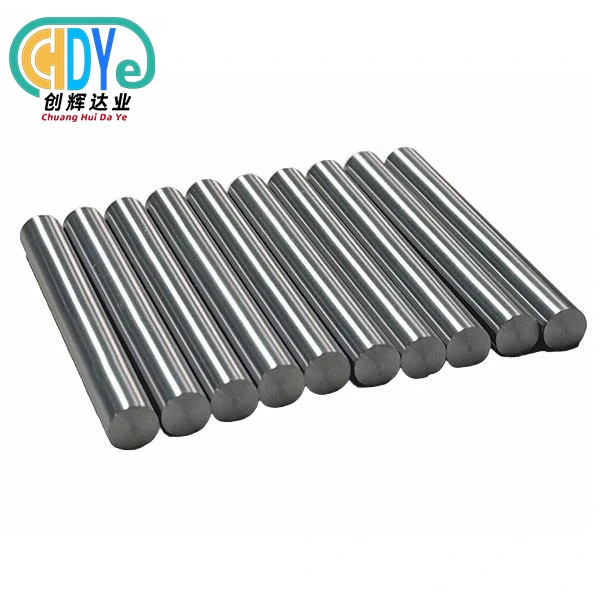
Overview of Niobium Round Bar Grades
What Defines a Niobium Grade?
The different types of materials are grouped by their chemical make-up, the number of minor elements they have, and how well they work physically. Niobium round bars have special properties that come from how pure they are and what other elements are added to them. Niobium goods sold in North America are based on the ASTM B 392-95 standard. In some places, markets are run by ISO and EN norms. These rules say how to test something, how much impurity is okay, and how much room there is for error in measurements.
The grade is based on three things: the pure base (which is usually between 99.8% and 99.99%), any alloying elements that were added, such as zirconium or titanium, and the final mechanical properties after processing. Niobium that is very pure and not alloyed is better at superconductivity than other types. This makes it important for research and specialist electronics. They are stronger and easier to work with, but they lose some of their electrical properties.
Standard Grades: RO4200 and RO4210
RO4200 is at least 99.95% pure niobium that is sold in the market. This grade does not rust when exposed to most acids and bases, even at high temperatures. It is soft and flexible, so it can be cold worked and deep drawn. However, it may need extra support when it is used in high-stress structures.
1% zirconium has been added to RO4210 in a planned way to make it stronger and harder without making it much weaker. This change makes the material better for parts that are stressed mechanically while still keeping niobium's natural ability to not rust. In the process of making something, adding zirconium also smooths out the grain structure. This makes the finish better and the shape more stable.
Both grades can be used in different business settings because of these factors. Buying teams need to make sure that the materials they pick are right for the job.
Certification and Traceability Standards
Having good papers is the basis of getting things you can trust. Certificate of Conformance (CoC) codes should be on every package. These codes should show the chemical make-up through spectroscopic analysis, the results of mechanical tests, and batch traceability codes. Proof that has been checked by a third party from an approved lab is also present. This is very important in medical and military applications where a bad piece of material could have big effects.
A business that has ISO 9001:2015 approval makes sure that quality is checked at every step of the production process. Seeing the raw materials is the first step in the quality chain at Chuanghui Daye. The next step is vacuum freezing to get rid of any impurities. After that, the products are precisely shaped to make the shapes that are needed, and they are checked one last time before they are packed. At every step of the way, paperwork is made to link the finished goods to the places where the ingots came from. This meets the rules set by the government and lets problems be found where they start if they happen.
Key Properties and Performance Differences Among Niobium Grades
Mechanical Characteristics That Matter
How niobium round bars work when they are loaded is determined by their tensile strength, yield strength, and elongation. In the annealed state, RO4200 usually has a tensile strength of 275 to 345 MPa and an elongation of more than 20%. This ductility lets a lot of cold forming happen without any intermediate annealing steps. This makes it easier to make parts like crucibles or reaction vessels.
RO4210's zirconium makes it stronger under stress (to about 380–450 MPa), but it still stays flexible (15–18% expansion). This stronger profile is good for uses that need stable sizes even when temperatures change or when there is some mechanical stress. These changes can also be seen in measurements of hardness. To give you an idea, RO4210 is 10-15 Vickers points stronger than RO4200.
Another good thing to think about is how easy it is to machine. Pure niobium tends to gum up cutting tools because it is so soft. In other words, they need to be very sharp, the coolant needs to flow easily, and the cutting speed needs to be managed. When using regular tool sets, the zirconium-enhanced grade cuts more smoothly and leaves a better finish on the surface.
Thermal and Chemical Resistance
The metal niobium is hard because it melts at 2477°C. This means it can be used in hot places where stainless steel and titanium alloys would break. Both RO4200 and RO4210 keep their shape above 1000°C in neutral or vacuum environments. If you don't protect them, oxidation becomes a problem above 400°C in air.
The surfaces of niobium have an oxide layer that grows on its own. This layer protects the metal from chemicals. It is very stable against hydrochloric acid, nitric acid, and most organic solutions at a lot of different temperatures and amounts. Because it is purer, RO4200 is a little more resistant to corrosion in very acidic environments. However, RO4210 still works very well in normal chemical processing conditions.
Because of its chemical and temperature qualities, niobium is used in a lot of chemical handling equipment. This is because the cost of running the equipment depends on how long its parts last. Tanks, heat exchanges, and lines can last for decades with little care if they are made from the right types of metal.
Application-Specific Performance
Niobium is used in aerospace because it is strong at high temperatures and has a low thermal expansion coefficient. These properties are useful for rocket nozzles, turbine parts, and structural parts in hypersonic vehicles. RO4210 is better for load-bearing parts because it is stronger, while RO4200 is better for uses that need heat conductivity or superconducting behaviour.
Niobium's excellent conductivity and sputtering properties are used in the production of electronics. High-purity grades keep semiconductor equipment parts, magnetron targets, and unique wires from getting contaminated. Niobium is biocompatible, which is why medical device makers use it in surgical implants and diagnostic tools where it can be in contact with tissue for a long time without causing any problems.
Comparative Analysis: Niobium Round Bar Grades vs Alternative Materials
Niobium vs Titanium and Stainless Steel
By comparing different types of materials, you can see when the price of a niobium round bar is justified. Titanium alloys are used a lot in aerospace because they are strong for their weight and don't rust. Niobium, on the other hand, works better than titanium in harsh chemical environments, especially concentrated acids, where titanium's passive layer breaks down. Niobium also keeps its mechanical properties at higher temperatures than titanium does, though titanium's lower density makes it better for applications where weight is important.
Grades of stainless steel like 316L are corrosion-resistant options that are both cheap and useful in many chemical processing situations. When working conditions are too harsh for stainless steel, like when it's exposed to hydrofluoric acid or temperatures above 300°C in corrosive media, niobium becomes a more cost-effective option. Total cost of ownership calculations often show that the higher initial material costs of niobium parts are more than offset by their longer service life and lower maintenance needs.
Molybdenum is hard like niobium, but its chemical resistance profile is different. Niobium is better at handling acidic conditions than alkaline ones, while molybdenum is better at handling basic ones. Choosing which of these materials to buy depends on the chemistry and temperature of the process.
Pure vs Alloyed Grades
When deciding between niobium round bar pure niobium (RO4200) and zirconium-bearing grades (RO4210), you have to weigh different factors. Pure niobium has the best electrical and corrosion protection, which makes it perfect for chemical reaction tanks, superconducting uses, and making high-purity electronics. If these qualities are important to the project, it should choose RO4200, even though it has lower mechanical strength.
RO4210's higher strength makes it useful in situations where size stability and load-bearing capacity are important. The better tensile properties help heat exchanger tubes, structural brackets, and mechanical fasteners, without giving up much corrosion resistance. Higher allowed stresses often don't make a big difference when compared to the ease of design and weight savings that come with them.
By understanding these trade-offs, engineers can make better plans for parts and buying teams can choose the right grades from the start, avoiding expensive material changes in the middle of a project.
Procurement Insights: Selecting and Ordering Niobium Round Bar Grades
Supplier Evaluation Criteria
Verifying certifications is the first step in finding trusted sellers. Certifications like ISO 9001:2015 show that you are dedicated to quality management, while certifications specific to your business, like AS9100 for aerospace uses, show that you have specialised skills. Ask for sample Certificates of Conformance to check that the documentation is complete and easy to understand—well-organized CoCs show that internal processes are standardised.
Production ability and lead times have a big effect on how long a job takes to finish. Large suppliers, such as CBMM in Brazil, make a lot of niobium from pyrochlore, mostly as ferroniobium for steel alloying. Specialised processors like Chuanghui Daye focus on making high-purity metal goods and custom fabrication, so they can work with smaller batches and different sizes. Knowing about these profiles of suppliers helps you match your buying needs with the right sources.
The ability to provide technical help sets apart good providers from great ones. Can the seller help you choose the right material based on the details of your application? Do they offer services like machining and fabrication that let you send finished parts instead of raw stock? This extra help makes buying things easier and lowers the overall risk of the job.
Custom Specifications and MOQ Considerations
Standard sizes of niobium round bars are usually kept in stock in common lengths and diameters, which speeds up delivery and keeps prices low. Custom sizes need more steps in the making process, which affects both cost and wait time. Tell them early on about the size requirements, such as the diameter limits, length requirements, and surface finish standards. Most of the time, suppliers can offer standard alternatives that meet practical needs and lower prices.
The smallest amount you can order depends on the grade and supplier. Some high-volume makers may have large MOQs for speciality grades, but others, like Chuanghui Daye, can work with smaller study amounts and prototype runs. This freedom is helpful during the planning stages of a product when it's not clear what materials will be needed. Universities and research institutes benefit the most from suppliers who are willing to sell them small amounts of high-purity materials without charging too much per unit.
Logistics of delivery should be carefully thought through, especially for shipments between countries. Because niobium is a strategic material, it may be subject to export controls or documentation needs. Expert suppliers know how to deal with these complicated rules, giving you the paperwork you need and suggesting the best ways to ship your goods.
Cost-Effectiveness Analysis
The cost of materials is only one part of the total cost of buying. When setting prices, you should think about the whole picture, including handling costs, yield rates, and the life of the parts. Higher-grade materials that cost more might cut down on machining time, increase the yields of fabrication, or extend the time between service intervals enough to make up for their higher cost.
When you buy directly from the factory, you don't have to pay the markups that distributors charge, which is especially helpful for ongoing production needs. Building relationships with manufacturers like Chuanghui Daye in Baoji, which is known as China's "Titanium Capital" and has a lot of infrastructure for rare metals, lets you get competitive prices and direct technical support. Our more than 30 years of experience in the field helps us give customers useful advice that helps them get the best specs and cut costs where they're not needed.
How to Verify and Assess Niobium Round Bar Grades Upon Receipt
Chemical Composition Verification
When shipments of niobium round bars arrive, procedures are used to make sure that the requirements were met. Optical emission spectroscopy (OES) or X-ray fluorescence (XRF) can quickly figure out a substance's chemical make-up, finding small amounts of elements and confirming its grade. Compare the results to the data on the Certificate of Conformity. If there are any differences, you should contact the supplier right away before turning the material into parts.
Testing in a separate lab adds another level of assurance for important uses. Send sample pieces to approved testing facilities for materials to get a full analysis, which should include checking for impurities below the standard limits. This investment is small compared to the costs that could come from parts breaking or production stopping because of poor-quality materials.
Mechanical Property Testing
Tensile testing confirms mechanical qualities that are important for how well a part works. Controlled loading is used to find out the yield strength, ultimate tensile strength, and elongation of test specimens that were machined according to ASTM E8 standards. The results should be within certain ranges, with some differences expected due to the past processing and the way the test was done.
The hardness test is a non-destructive screening method that can be used for incoming inspection. Measurements of Rockwell or Vickers hardness quickly confirm that the condition of the material meets the requirements. Unexpectedly high hardness values could mean that the material hasn't been annealed enough, while low readings could mean that the material is contaminated or the grade is wrong.
Establishing Quality Control Agreements
Quality control that is proactive starts before orders are placed. Talk to sellers about inspection processes, acceptance standards, and paperwork needs while you are negotiating a contract. Set up witnessing rights for important tests so that your employees or outside inspectors can watch the tests and confirm the results for themselves.
Through heat numbers and production records, batch traceability protocols make sure that each part can be tracked back to its source material. This skill comes in very handy when looking into problems in the field or answering questions from regulators. Suppliers who use strict traceability systems show that they are professional and responsible, which lowers the risk of long-term procurement.
Regular source checks, done once a year or twice a year, make sure that quality standards are still being met. During these on-site inspections, production facilities, quality records, and process controls are looked at. Strong ties with suppliers based on open communication and ongoing growth lead to reliable, consistent material quality over long-term partnerships.
Conclusion
To choose the right grades of niobium round bars, you need to know about their chemical makeup, their mechanical properties, and the performance needs of the specific application. Pure niobium has the best corrosion resistance and superconducting properties, while zirconium-enhanced grades give better mechanical strength. RO4200 and RO4210 are used for different industrial purposes. For procurement to go well, it's important to find a balance between material requirements, cost, the supplier's abilities, and quality control procedures. These specialised materials are still in high demand in the medical, aircraft, chemical processing, and technology industries. Their performance and dependability make them worth the extra cost. Partnering with ISO-certified makers guarantees access to fully traceable, well-documented goods backed by technical know-how and quick customer service.
FAQ
Q: What are the most popular types of niobium used in spacecraft?
A: When structural strength is important, aerospace makers usually ask for RO4210 with about 1% zirconium. This is especially true for brackets, bolts, and high-temperature parts that are put under mechanical loads. RO4200 pure niobium is used in specific situations where it needs to be very resistant to rust or superconducting, like in sensor housings and some parts of propulsion systems. The choice of niobium round bars is based on the stress levels, temperatures, and natural factors that the product will be exposed to.
Q: How does grade selection impact machining and fabrication processes?
A: Because pure niobium grades like RO4200 are soft and can gum up tools, they need sharper tools and controlled cutting parameters. Because zirconium adds to RO4210's hardness, it cuts more easily with normal carbide tools, making better surface finishes. Both grades get harder when they are cold shaped, which means they might need to be annealed in between steps of a complicated production process. By knowing these traits, fabricators can improve their processes and get a good idea of how much it will cost to make something.
Q: Can suppliers provide custom grades or alloy compositions?
A: Specialised manufacturers can do custom alloying for large orders, but the minimum quantities are usually higher than what is needed for research. More research and testing is done on custom compositions to find out their properties and processing parameters. This takes longer and costs more. Using standard RO4200 or RO4210 grades works well enough for most uses. Talking to experienced sources like Chuanghui Daye can help you figure out if normal grades are enough or if custom development is the better option.
Get Premium Niobium Round Bars from Chuanghui Daye
Shaanxi Chuanghui Daye Metal Material Co., Ltd. makes high-purity niobium round bars that meet the strict requirements of the electronics, chemical processing, and aircraft industries around the world. Our RO4200 and RO4210 grades are made to meet the requirements of ASTM B 392-95 and must be at least 99.95% pure. They go through strict quality control methods that are approved by ISO 9001:2015. We are located in Baoji, which is a well-known center for making rare metals. We have over 30 years of experience in the field and can do advanced vacuum melting and precision cutting. Our team can help you with technical questions, offer competitive factory-direct prices, and work with you on the number of items you need to order. Get in touch with our purchasing experts at info@chdymetal.com to talk about your specific needs and get full product specifications for our niobium round bars. We can provide you with niobium round bars in any quantity, from small amounts for study to large amounts for production.
References
1. Davis, J.R. (Editor). ASM Specialty Handbook: Heat-Resistant Materials. ASM International, Materials Park, OH, 1997.
2. Moskalyk, R.R. and Alfantazi, A.M. "Processing of Niobium and Tantalum Ores: A Review." Minerals Engineering, Volume 16, Issue 9, 2003, pp. 793-805.
3. ASTM International. ASTM B392-95: Standard Specification for Niobium and Niobium Alloy Ingots. West Conshohocken, PA, 2020.
4. Agulyansky, A. The Chemistry of Tantalum and Niobium Fluoride Compounds. Elsevier Science, Amsterdam, 2004.
5. Schultz, H.L. "Niobium and Niobium Compounds." Ullmann's Encyclopedia of Industrial Chemistry, Wiley-VCH, Weinheim, 2005.
6. Jackson, M. and Dashwood, R. "Niobium and Tantalum: Applications, Properties and Production." International Materials Reviews, Volume 51, Issue 5, 2006, pp. 287-307.
Learn about our latest products and discounts through SMS or email