- English
- French
- German
- Portuguese
- Spanish
- Russian
- Japanese
- Korean
- Arabic
- Greek
- German
- Turkish
- Italian
- Danish
- Romanian
- Indonesian
- Czech
- Afrikaans
- Swedish
- Polish
- Basque
- Catalan
- Esperanto
- Hindi
- Lao
- Albanian
- Amharic
- Armenian
- Azerbaijani
- Belarusian
- Bengali
- Bosnian
- Bulgarian
- Cebuano
- Chichewa
- Corsican
- Croatian
- Dutch
- Estonian
- Filipino
- Finnish
- Frisian
- Galician
- Georgian
- Gujarati
- Haitian
- Hausa
- Hawaiian
- Hebrew
- Hmong
- Hungarian
- Icelandic
- Igbo
- Javanese
- Kannada
- Kazakh
- Khmer
- Kurdish
- Kyrgyz
- Latin
- Latvian
- Lithuanian
- Luxembou..
- Macedonian
- Malagasy
- Malay
- Malayalam
- Maltese
- Maori
- Marathi
- Mongolian
- Burmese
- Nepali
- Norwegian
- Pashto
- Persian
- Punjabi
- Serbian
- Sesotho
- Sinhala
- Slovak
- Slovenian
- Somali
- Samoan
- Scots Gaelic
- Shona
- Sindhi
- Sundanese
- Swahili
- Tajik
- Tamil
- Telugu
- Thai
- Ukrainian
- Urdu
- Uzbek
- Vietnamese
- Welsh
- Xhosa
- Yiddish
- Yoruba
- Zulu
Titanium Coil Wire vs Aluminum Wire: Key Differences?
Understanding the main differences between titanium coil wire and aluminum wire is important for successful procurement when picking between them for commercial uses. Aluminum just can't compare to titanium coil wire when it comes to biocompatibility, resistance to rust, and strength-to-weight ratios. For electrical uses, aluminum wire is a cheap option. But titanium's special qualities make it necessary in fields like aircraft, medicine, and chemical processing, where performance is more important than initial investment costs.
Understanding Titanium Coil Wire and Aluminum Wire
Defining Titanium Coil Wire Specifications
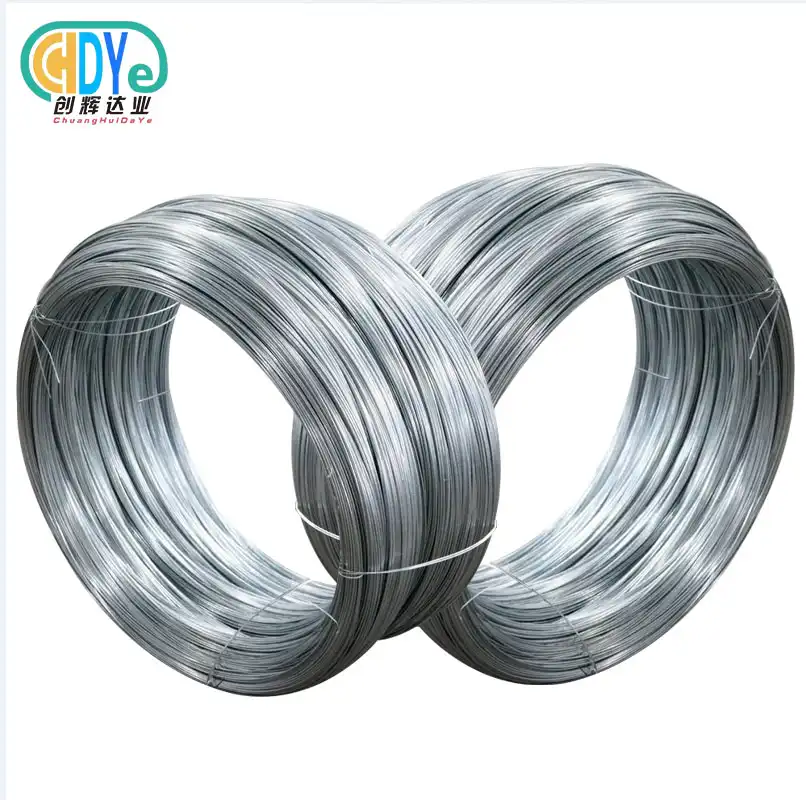
Titanium coil wire is a continuous, spooled form of titanium metal that is designed for automatic manufacturing processes. This special wire shape gets rid of the frequent downtime that comes with refilling materials in factories that make a lot of things. The widths of our Grade 2 and Grade 5 titanium coils range from 0.1 to 5 mm, and their tensile strengths range from 345 to 895 MPa, based on the alloy.
Precision cold drawing or hot rolling is used in the production process, and then the metal is vacuum-annealed to get the best mechanical qualities. This makes the dimensions and quality of the surface very accurate, meeting the high standards for aircraft and medical devices. With a density of 4.43 to 4.51 g/cm³, the material is strong and light at the same time.
Aluminum Wire Characteristics and Grades
Aluminum wire presents different advantages through its lightweight nature and excellent electrical conductivity. Common aluminum grades include 1350 and 6061, each offering specific benefits for electricity transfer and structural uses. Aluminum is much lighter than titanium because it has a density of about 2.7 g/cm³. However, this makes it less strong and less resistant to rust.
Aluminum has better temperature and electrical efficiency than titanium, which is why it is used more often for power lines and heat sinks. But because aluminum is easily damaged by galvanic rust and stress corrosion cracking, it can't be used in hard environments where titanium works best.
Material Property Comparisons
When you look at these materials' chemical and mechanical features, you can see how they are fundamentally different. Titanium is better at resisting rust in almost all conditions, such as seawater, acids, and acidic atmospheres. Titanium is resistant because it can form a stable, stick-together metal layer that fixes itself when it gets broken.
Titanium performs very well, as shown by its high yield strengths, which often go over 800 MPa in aerospace-grade alloys. Standard types of aluminum usually have yield strengths below 300 MPa, which is fine for many uses. Titanium is also much more resistant to wear than aluminum, which makes it necessary for parts that are loaded and unloaded many times.
Key Performance Differences: Titanium Coil Wire vs Aluminum Wire
Corrosion Resistance Analysis
The corrosion performance gap between titanium and aluminum represents perhaps the most important difference for commercial uses. Titanium's passive oxide layer protects it from chloride stress corrosion cracking, which happens a lot to aluminum parts that are in marine settings. Chemical processing plants depend on this feature to keep their equipment from breaking down in terrible ways.
Aluminum has problems with galvanic compatibility when it is paired with metals that are not the same, but titanium stays stable in most galvanic pairs. Because of this property, titanium wire can be used in complicated assemblies without the need for a lot of isolation. This makes planning easier and lowers the cost of long-term upkeep.
Mechanical Strength and Fatigue Performance
Mechanical testing data constantly show that titanium works better than other materials in tough situations. When it comes to aircraft, where every gram counts, the strength-to-weight ratio benefit stands out. In contrast to aluminum, which loses a lot of strength above 200°C, titanium coil wire keeps its mechanical qualities at high temperatures.
Comparing fatigue life shows that titanium parts last 10 to 50 times longer than aluminum parts of the same type when loaded and unloaded many times. This longer service life directly leads to lower repair costs and higher system efficiency in important uses like medical implants and parts of airplanes.
Thermal and Electrical Conductivity Considerations
Aluminum is better at conducting heat and electricity than titanium, but titanium's middling conductivity is good enough for many specific uses. Titanium has the same thermal expansion rate as many ceramics and composites. This makes it useful for mixed material systems that need to be very stable in terms of size.
Titanium is better than aluminum for electrical uses that need middling conductivity and corrosion protection. Titanium is a special metal because it is both conductive and chemically stable. This makes it useful for making anodizing racks and electrochemical processing equipment.
Application Comparison: When to Use Titanium Coil Wire vs Aluminum Wire
Aerospace and Defense Applications
The aerospace industry has embraced titanium coil wire for critical applications, including wire arc additive manufacturing (WAAM) and automatic welding processes. The continuous coil structure lets complex aircraft parts be made without interruptions, which gets rid of the weld problems that come with starting and stopping the machine all the time.
According to military standards, parts that will be exposed to saltwater or big changes in temperature must often be made of titanium. The material has been used in jet engines, which are very hot (over 500°C), and it has worked well there. Aluminum can't do that. Titanium has a high strength-to-weight ratio, which helps it lose weight. This saves fuel and increases carrying capacity.
Medical and Biomedical Uses
When making medical devices, biocompatibility rules strongly favor titanium over aluminum. Titanium is great for internal devices, surgery tools, and catheter guidewires because the body can use it. Titanium coil wire makes it easier to make medical springs and complicated shapes that are needed for minimally invasive treatments automatically.
Titanium is nonmagnetic, which makes it compatible with MRI machines, which is a very important quality for current medical products. Aluminum is not suitable for many biological uses where patient safety is very important because it can be toxic in certain amounts.
Industrial and Chemical Processing
Chemical working conditions are very hard, which shows off titanium's special qualities. In places where metal would rust fast, petrochemical refineries use titanium coil wire for specific welding tasks. The material's resistance to hydrogen embrittlement ensures that its structure will stay strong in places with a lot of hydrogen.
This is because titanium can work in places where aluminum needs to be replaced often, which makes manufacturing more efficient. Even though titanium costs more at first, the total cost of ownership always comes out in favor of it. This is especially true in businesses with ongoing processes where downtime costs a lot.
Procurement Considerations and Supplier Insights
Quality Standards and Certifications
To find good suppliers, you need to carefully look at their quality control methods and industry certifications. The bare minimum is ISO 9001:2015 approval, but AS9100 compliance is needed for aerospace uses. Material traceability paperwork is very important for controlled businesses that need to check the full chemical makeup and mechanical properties of the materials.
Dimensional checks, surface finish checks, and mechanical property checks must all be part of the testing procedure. Hydrogen content analysis is very important for titanium coil wire users because hydrogen embrittlement could lead to problems that happen later. Reliable providers keep detailed records of all the tests they do and include certificates of conformity with every package.
Supply Chain and Delivery Considerations
The abundance of titanium and aluminum is affected in different ways by changes in the global supply chain. Titanium's production base is very focused, so it needs to carefully diversify its suppliers to make sure it always has enough. Specialty titanium grades have long lead times, so you need to plan ahead and handle your supplies strategically.
Aluminum's larger supplier base gives it more options, but it may make product uniformity worse. Because making titanium coil wire is so specialized, there aren't many qualified providers. This means that supplier relationship management is very important for keeping supply lines stable.
Cost Analysis and Budget Planning
Titanium and aluminum choices have very different starting material costs, with titanium usually being 5–10 times more expensive per pound. Lifecycle cost analysis, on the other hand, often favors titanium when replacement frequency, upkeep needs, and changes to system stability are taken into account.
Buying titanium in large quantities can greatly lower its price, especially for normal sizes and grades. When you sign a long-term deal with a qualified seller, you can be sure of a stable price and a spot in the production line even if there aren't enough supplies.
Making the Right Choice: Titanium Coil Wire or Aluminum Wire for Your Business
Decision Framework Development
To choose the right material, you need to carefully compare the needs of the application with the material's abilities. The basic needs that determine material choice are set by environmental factors like weather, rust exposure, and mechanical loading conditions, especially when selecting titanium coil wire for demanding applications.
There needs to be a balance between short-term needs and long-term business goals in performance standards. Titanium's high price may be worth it for uses that need to be light, but aluminum options may work well enough in less demanding settings. Regulatory standards in the nuclear, medical, and aircraft industries often force companies to use certain materials, even if they are more expensive.
Cost-Benefit Analysis Methods
Total cost of ownership calculations need to take into account the original costs of materials, the costs of processing them, the costs of upkeep, and how often they need to be replaced. When these factors are given the right amount of weight, titanium coil wire often shows better value offers.
When choosing materials for important uses, risk assessment is very important. If an aluminum part fails too soon in medical or aerospace uses, the problems that happen are much worse than any savings in material costs. Titanium may have to be used in high-risk situations because of insurance and lawsuit concerns.
Supplier Selection Criteria
When evaluating a supplier, you need to look at their technical skills, quality processes, and financial security. Sellers who have experience with your business and application can give you useful information that generic sellers can't. When material properties need to be optimized for difficult uses, technical support skills become important.
Geography affects the stability of the supply chain and the ability to respond to emergencies. Regional suppliers may offer more shipping options and better technical support, while global suppliers may have a wider range of materials available and better prices for big orders.
Conclusion
Ultimately, the choice between titanium coil wire and aluminum wire comes down to the needs of the application, the expected performance, and the total cost. Titanium coil wire has unique resistance to corrosion, better mechanical qualities, and biocompatibility, which make it worth the higher price in demanding situations. Aluminum wire is still a good choice for projects that need to be cheap and don't need to work very well. To choose the right materials, you need to carefully think about working conditions, legal standards, and long-term value propositions. This will help you get the best deals and make sure the materials work well.
FAQ
Q: What factors drive the cost difference between titanium and aluminum coil wire?
A: The big price difference is because titanium is hard to get as a raw material and needs to be processed in a complicated way. It also needs special tools to be made. Titanium sponge production uses a lot of energy, while aluminum has a lot of raw materials and a well-established industrial system that makes it easier to produce.
Q: Can aluminum wire substitute for titanium in electrical applications?
A: Aluminum is great for uses that only need to conduct electricity, but it doesn't work well in places that need to fight corrosion or stay stable at high temperatures. Aluminum is often not used in complicated electrical systems where dependability is very important because it can cause galvanic corrosion when mixed with other metals.
Q: How does environmental impact compare between these materials?
A: Both materials can be recycled, but titanium is much more durable, so it lasts longer and has less of an impact on the earth over its entire lifecycle. Even though titanium production uses a lot of energy, it has a very long useful life in many situations.
Q: What quality control measures ensure reliable titanium coil wire performance?
A: Chemical makeup checking, mechanical property testing, physical inspection, and hydrogen content analysis are all parts of full quality control. Vacuum cooling methods get rid of contamination and improve the microstructure, and surface finish standards make sure that the welding works the same way every time.
Q: Are there hybrid solutions combining both materials?
A: For some uses, strategically placing materials is helpful; for example, titanium can be used in high-stress areas while aluminum is used for less important structural parts. This method cuts down on costs while keeping performance high where it's needed most.
Partner with Chuanghui Daye for Premium Titanium Coil Wire Solutions
Shaanxi Chuanghui Daye Metal Material Co., Ltd. stands as your trusted titanium coil wire manufacturer, delivering Grade 2 and Grade 5 titanium solutions that exceed industry standards. Our ISO 9001:2015-certified facility in China's "Titanium Capital" blends 30 years of experience with rare metals with cutting-edge production skills to serve the chemical processing, aerospace, and medical fields around the world. Get in touch with our expert team at info@chdymetal.com to talk about your unique needs and find out how our premium titanium coil wire can help you improve your manufacturing processes and make sure they work well for a long time.
References
1. Boyer, R., Welsch, G., & Collings, E.W. "Materials Properties Handbook: Titanium Alloys." ASM International, Materials Park, Ohio, 1994.
2. American Welding Society. "Specification for Titanium and Titanium Alloy Welding Electrodes and Rods (AWS A5.16/A5.16M:2013)." Miami, Florida, 2013.
3. Peters, M., Kumpfert, J., Ward, C.H., & Leyens, C. "Titanium Alloys for Aerospace Applications." Advanced Engineering Materials, Volume 5, Issue 6, 2003.
4. Schutz, R.W. & Thomas, D.E. "Corrosion of Titanium and Titanium Alloys." ASM Handbook Volume 13: Corrosion, ASM International, 1987.
5. Davis, J.R. "Aluminum and Aluminum Alloys (ASM Specialty Handbook)." ASM International, Materials Park, Ohio, 1993.
6. Lutjering, G. & Williams, J.C. "Titanium: Engineering Materials and Processes." Springer-Verlag Berlin Heidelberg, Second Edition, 2007.
Learn about our latest products and discounts through SMS or email