- English
- French
- German
- Portuguese
- Spanish
- Russian
- Japanese
- Korean
- Arabic
- Greek
- German
- Turkish
- Italian
- Danish
- Romanian
- Indonesian
- Czech
- Afrikaans
- Swedish
- Polish
- Basque
- Catalan
- Esperanto
- Hindi
- Lao
- Albanian
- Amharic
- Armenian
- Azerbaijani
- Belarusian
- Bengali
- Bosnian
- Bulgarian
- Cebuano
- Chichewa
- Corsican
- Croatian
- Dutch
- Estonian
- Filipino
- Finnish
- Frisian
- Galician
- Georgian
- Gujarati
- Haitian
- Hausa
- Hawaiian
- Hebrew
- Hmong
- Hungarian
- Icelandic
- Igbo
- Javanese
- Kannada
- Kazakh
- Khmer
- Kurdish
- Kyrgyz
- Latin
- Latvian
- Lithuanian
- Luxembou..
- Macedonian
- Malagasy
- Malay
- Malayalam
- Maltese
- Maori
- Marathi
- Mongolian
- Burmese
- Nepali
- Norwegian
- Pashto
- Persian
- Punjabi
- Serbian
- Sesotho
- Sinhala
- Slovak
- Slovenian
- Somali
- Samoan
- Scots Gaelic
- Shona
- Sindhi
- Sundanese
- Swahili
- Tajik
- Tamil
- Telugu
- Thai
- Ukrainian
- Urdu
- Uzbek
- Vietnamese
- Welsh
- Xhosa
- Yiddish
- Yoruba
- Zulu
Titanium Rod Grades Explained: Which One Should You Use?
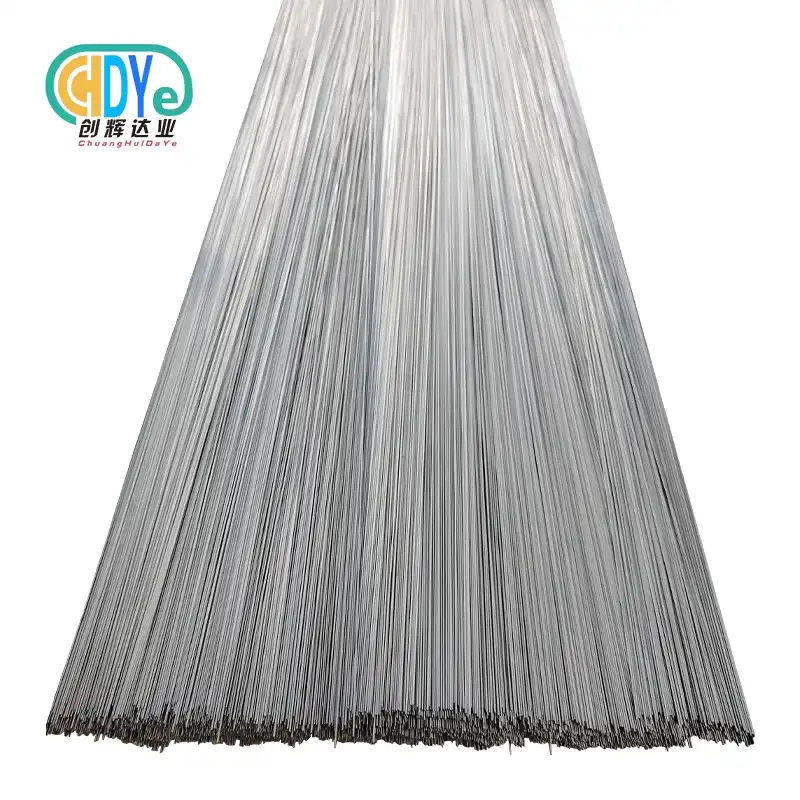
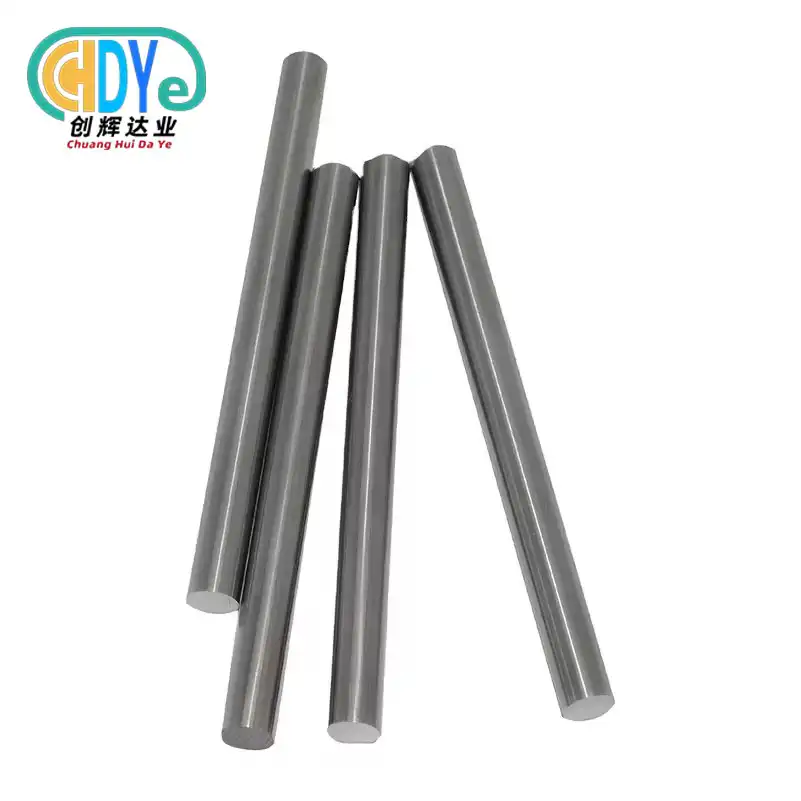
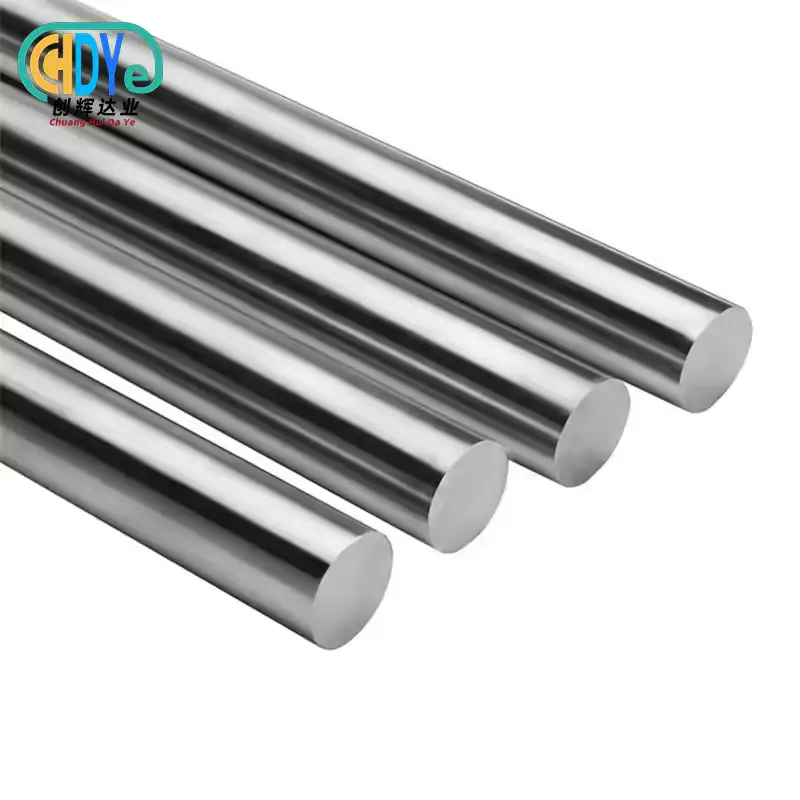
Picking the right type of titanium rod has a direct effect on how well your project works, how much it costs, and how long it lasts. Knowing the difference between commercially pure and alloyed titanium grades will help you choose a product that meets both technical requirements and legal requirements, whether you're looking for titanium for medical implants, aerospace parts, or chemical processing equipment. Commercially pure grades, such as Grades 1 and 2, are very good at resisting corrosion and being shaped, while alloy grades, such as Grade 5, are very good at tensile strength and stress endurance. This guide makes it clear how to match the needs of your application with the best material option.
Introduction
Titanium bars are used as building blocks in many fields where other metals don't work well. These materials are used in the aerospace industry to make planes lighter without sacrificing their strength. The biocompatibility and osseointegration qualities of materials are used by medical device makers to make implants that fit into human bone tissue naturally. Chemical processing plants use them to protect their equipment from harsh environments that would quickly wear down stainless steel or carbon steel alternatives. Choosing between commercially pure and alloy titanium grades affects not only the initial cost of the materials but also the cost of maintenance over time and the amount of time that the equipment is down. A Grade 2 titanium rod might cost more at first than a stainless steel rod of the same size, but in marine settings, it doesn't need to be replaced as often because it doesn't rust or pit when exposed to chloride.
Understanding Titanium Rod Grades: An Overview
The ASTM B348 standard governs titanium rod specifications in the United States, while ISO 5832 provides international guidelines. These standards classify titanium into distinct grades based on chemical composition, particularly oxygen, nitrogen, carbon, and iron content. Lower interstitial element concentrations yield softer, more ductile materials, whereas controlled additions enhance strength and hardness.
Commercially Pure Titanium Grades
Grades 1 through 4 make up commercially pure titanium. Each grade is different because it has a higher oxygen percentage. Grade 1 has the least amount of air (up to 0.18%), which makes it the softest and easiest to shape. This grade is good for things that need to be very flexible, like heat exchanger tubing or building features with complicated shapes. Grade 2 titanium is moderately strong and very resistant to corrosion, which is why it is often called the "workhorse" of the titanium business. It has up to 0.25% oxygen, which gives it a tensile strength of about 345 MPa and makes it very easy to weld. Manufacturers of chemical processing equipment often choose Grade 2 for reactor vessels, piping systems, and agitators that will be exposed to oxidising acids. Grade 3 is slightly stronger than Grade 2 because it has more oxygen (0.35% maximum), but it is still not used very often in industrial settings. Due to oxygen levels hitting 0.40%, Grade 4 is the purest option that can be bought in stores. It has a tensile strength of about 550 MPa. However, this higher strength means that the titanium rod is harder to shape and weld than smaller grades.
Titanium Alloy Grades
Alloy grades add aluminium, vanadium, molybdenum, and other elements to improve the mechanical qualities of titanium beyond what can be achieved with pure titanium. About half of all the titanium alloys used in the world are Grade 5, which is also called Ti-6Al-4V. This versatile metal has a tensile strength of over 895 MPa and is made with 6% aluminium to make it stronger and 4% vanadium to make it easier to heat treat. Grade 5 is what aerospace makers want for important structural parts like airframe members, turbine blades, and parts of the hydraulic system. Grade 9 (Ti-3Al-2.5V) is a choice between commercially pure grades and Grade 5. It's cheaper than Grade 2 because it has less metal in it, but it's still stronger than Grade 2. This grade is good for use in the sporting goods industry, bike frames, and car exhaust systems, where a moderate increase in strength justifies the higher cost compared to commercially pure titanium. Grade 23 is the extra-low interstitial version of Grade 5, with tightly controlled levels of oxygen, nitrogen, and iron. Manufacturers of medical devices like this grade for surgical tools and orthopaedic implants because it is more pure and lowers the risk of bad tissue reactions.
How to Choose the Right Titanium Rod Grade for Your Application
Selecting the appropriate grade requires a systematic evaluation of performance requirements, environmental conditions, and economic considerations. The decision framework should begin with identifying non-negotiable technical specifications before evaluating cost-performance trade-offs.
Defining Application Requirements
Materials for aerospace parts need to be able to keep their shape under repeated loads while also being light. These needs are met by Grade 5 titanium alloy, which has a great strength-to-weight ratio and is very resistant to wear. A landing gear part made of Grade 5 can take millions of stress cycles without cracking, and its density of 4.43 g/cm³ makes it much lighter than steel alternatives that weigh 7.85 g/cm³. Chemical processing equipment has to deal with very different problems. When materials are exposed to hot sulphuric acid, hydrochloric acid, or chloride solutions, they need to be more rust-resistant than strong. Grade 2 commercially pure titanium makes a protective oxide layer that heals itself when it gets damaged, so it can be used in oxidising acids for a very long time. For example, a Grade 2 titanium rod used in a heat exchanger in a chlor-alkali plant doesn't break as quickly as stainless steel 316L, which can crack from chloride stress corrosion. In medical implant uses, biocompatibility is just as important as mechanical properties. Grade 23 extra-low interstitial titanium meets FDA standards for implantable devices and is strong enough for tooth implants and hip stems. Because it can directly join with bone tissue, its osseointegration properties stop the inflammatory responses that cobalt-chromium alloys can cause.
Evaluating Selection Criteria
Different industries have very different strength needs. For an aircraft fastener to keep its joint integrity during vibration and temperature changes, its tensile strength might need to be higher than 900 MPa. Grade 5 meets this need and has enough flexibility to keep it from breaking easily. On the other hand, a chemical processing pump shaft that works with brine at room temperature only needs 345 MPa of tensile strength and must not corrode in any way, so Grade 2 is the best option. Machinability affects manufacturing prices and lead times. Commercially pure grades are easier to make than alloy grades, which lets you cut at faster speeds and with less tool wear. But because titanium doesn't carry heat as well as aluminium or steel, it needs special cutting methods, no matter what grade it is. Sharp carbide tools, a lot of coolant flow, and slow feed rates stop work hardening and built-up edge formation, which damage the surface finish. Weldability is very important when making complicated parts. Gas tungsten arc welding (GTAW) with argon shielding makes it easy to weld Grade 2 metal, making joints that are as strong as or stronger than the base metal. Grade 5 needs stricter welding methods, such as preheating, controlling the temperature between passes, and heat treatment after the weld to stop cracking in the heat-affected zone.
Comparing Titanium Rod Grades vs Other Metal Rods
Material selection decisions often require comparing titanium against alternative metals, including stainless steel, aluminium alloys, and nickel-based superalloys. Each material offers distinct advantages depending on application parameters.
Strength-to-Weight Performance
With a density of about 4.5 g/cm³, titanium is between aluminium (2.7 g/cm³) and steel (7.85 g/cm³). But its specific strength, which is the relationship of its tensile strength to its density, is higher than both of them. Titanium grade 5 has a specific strength of about 200 kN·m/kg, while high-strength steel has a specific strength of 95 kN·m/kg, and aircraft aluminium alloys have 130 kN·m/kg. This benefit directly leads to the possibility of lowering weight in transportation uses. A connecting rod made of Grade 5 titanium in an automobile weighs 40% less than a titanium rod made of forged steel, but has the same wear life. Aluminium alloys are lighter, but they lose strength and temperature capability. Aluminium's mechanical properties change when heated above 150°C because of coarsening precipitates. Titanium, on the other hand, keeps its properties fixed up to 315°C for commercially pure grades and 427°C for alloys. At 370°C, a jet engine fan blade needs titanium because aluminium would bend when centrifugal loads are put on it.
Corrosion Resistance Comparison
Titanium's passive oxide film makes it very resistant to chloride-filled conditions, where stainless steel would fail horribly. The standard for corrosion resistance in the business is stainless steel 316L. However, seawater above 60°C causes pitting corrosion. Grade 2 titanium will always work successfully in boiling seawater. Titanium tubes last 25 years in a heat exchanger for a coastal power plant, while stainless steel tubes need to be replaced every 5 to 7 years. Nickel alloys like Hastelloy C-276 are as resistant to corrosion in reducing acids as titanium, but they cost 3 to 4 times more per kilogram. Titanium is the most cost-effective choice when the amount of sulphuric acid is less than 70%, and the temperature is less than 100°C. Above these limits, nickel metals are still needed, even though they are more expensive.
Key Properties and Machining Tips for Titanium Rod Grades
Successful titanium component manufacturing requires understanding unique material characteristics that differentiate it from conventional metals. Titanium's chemical reactivity, low modulus of elasticity, and poor thermal conductivity create specific challenges during machining operations.
Mechanical and Physical Properties
Grade 2 commercially pure titanium exhibits tensile strength around 345 MPa with 20% elongation, providing adequate strength for many corrosion-resistant applications. Its yield strength of 275 MPa ensures plastic deformation resistance under moderate loading. Grade 5 titanium alloy quadruples these values, achieving tensile strength exceeding 900 MPa after solution treatment and ageing. Titanium's modulus of elasticity measures approximately 110 GPa, roughly half that of steel at 200 GPa. This lower stiffness causes greater deflection under load, requiring robust workholding and support during machining. A titanium rod measuring 300mm between centres deflects twice as much as a steel rod under identical turning forces, potentially causing chatter and poor surface finish. Thermal conductivity presents another challenge. Titanium conducts heat at 17 W/m·K compared to 50 W/m·K for steel and 205 W/m·K for aluminium. This poor heat dissipation concentrates cutting heat at the tool-chip interface, accelerating tool wear and work hardening the cut surface. Continuous coolant application remains essential to prevent thermal damage.
Best Practices for Machining
Sharp cutting tools minimise cutting forces and heat generation. Carbide inserts with positive rake angles reduce workpiece contact area, lowering friction and temperature rise. Tool manufacturers recommend TiAlN coatings for titanium machining because the aluminium oxide layer provides thermal insulation and reduces adhesion. Conservative cutting parameters extend tool life and prevent work hardening. Recommended surface speeds range from 30-60 m/min for commercially pure grades and 15-30 m/min for alloy grades, substantially slower than steel machining speeds of 90-180 m/min. Feed rates should remain moderate at 0.1-0.3 mm/rev to maintain chip formation without excessive titanium rod heat buildup. High-pressure coolant delivery at 70-100 bar prevents chip welding and thermal damage. Conventional flood coolant often proves insufficient because titanium's low thermal conductivity prevents heat extraction from the cutting zone. Through-tool coolant delivery directs fluid precisely at the chip-tool interface, achieving superior cooling effectiveness.
Procurement Guide: Buying Titanium Rods for B2B Clients
Strategic sourcing of titanium rods requires evaluating supplier capabilities, certifications, and supply chain reliability. The concentrated nature of titanium production—with major mills located in the United States, Russia, China, and Japan—necessitates careful supplier selection to ensure material traceability and quality consistency.
Identifying Reliable Suppliers
Established manufacturers in Baoji, China, produce approximately 60% of global titanium mill products. This region's concentration of expertise and infrastructure enables competitive pricing without compromising quality. Suppliers operating ISO 9001:2015 certified facilities implement rigorous process controls covering raw material inspection, melting parameters, forging reductions, and final dimensional verification. Certification documentation should accompany every shipment. Material test reports (MTRs) verify chemical composition via optical emission spectroscopy and mechanical properties through standardised tensile testing. Traceability extends from titanium sponge production through final machining, enabling investigation if field failures occur. Aerospace applications demand additional certifications, including AS9100 quality management and NADCAP accreditation for special processes. Supplier responsiveness separates capable partners from commodity vendors. Technical support teams should assist with grade selection, provide machining recommendations, and troubleshoot fabrication issues. Lead time flexibility accommodates urgent requirements—a crucial capability when equipment failures necessitate expedited replacement parts.
Pricing and Customisation
Titanium rod pricing fluctuates with titanium sponge spot prices, currently ranging from $7-12 per kilogram for commercially pure grades. Grade 5 commands premiums of 30-50%, reflecting additional alloying elements and processing complexity. Quantity significantly influences unit costs, with orders exceeding 500 kilograms qualifying for volume discounts. Custom sizing eliminates waste and secondary operations. Precision ground rods with tolerances to ±0.025mm enable direct machining to finished dimensions without excess stock removal. Length cutting to specified dimensions reduces handling and storage requirements. Some suppliers offer value-added services, including heat treatment, surface conditioning, and inspection documentation tailored to customer specifications. Lead times vary by grade and size. Standard Grade 2 and Grade 5 rods in common diameters (10-50mm) ship within 2-3 weeks from Asian suppliers. Custom compositions or non-standard sizes require 8-12 weeks to accommodate melting, forging, and quality verification steps. Strategic buyers maintain a safety stock of frequently consumed sizes to buffer against supply disruptions.
Conclusion
Selecting the appropriate titanium rod grade balances technical requirements against economic realities. Commercially pure Grade 2 provides exceptional corrosion resistance and formability for chemical processing, while Grade 5 alloy delivers the strength and fatigue resistance aerospace applications demand. Understanding the distinctions between these grades—combined with knowledge of machining characteristics and procurement strategies—enables informed sourcing decisions that optimise performance, cost, and supply chain reliability. Careful supplier evaluation focusing on certifications, technical support, and manufacturing capabilities ensures consistent material quality throughout project lifecycles.
FAQ
1. What differentiates commercially pure from alloy titanium rods?
Commercially pure titanium (Grades 1-4) contains minimal alloying elements, relying primarily on controlled oxygen content to adjust strength. These grades emphasise corrosion resistance and formability. Alloy grades like Grade 5 incorporate aluminium and vanadium to dramatically increase tensile strength and fatigue resistance, making them suitable for structural applications where commercially pure grades lack sufficient mechanical properties.
2. Can Grade 2 titanium rods withstand seawater environments?
Grade 2 titanium demonstrates exceptional resistance to seawater corrosion across temperatures from ambient to boiling. The spontaneously formed oxide layer prevents chloride-induced pitting and crevice corrosion that rapidly degrades stainless steel. Marine applications, including heat exchangers, propeller shafts, and desalination equipment, routinely specify Grade 2 for this reason.
3. Do titanium rods meet aerospace quality standards?
Grade 5 titanium rods certified to AMS 4928 satisfy aerospace requirements when accompanied by proper documentation. Manufacturers must demonstrate compliance through chemical analysis, mechanical testing, and traceability records. AS9100 certification and NADCAP accreditation provide additional assurance of process control and quality management.
4. How does rod diameter affect material properties?
Larger diameter rods require more aggressive forging reductions to achieve centre consolidation and uniform grain structure. Mechanical properties may decrease slightly in heavy sections (over 150mm diameter) compared to thin sections. Procurement specifications should reference size-specific property requirements outlined in ASTM B348.
Partner with Chuanghui Daye for Premium Titanium Rod Solutions
Shaanxi Chuanghui Daye, located in China's Titanium Capital of Baoji, combines three decades of titanium rod rare metal expertise with ISO 9001:2015 certified manufacturing to deliver titanium rods that meet exacting aerospace, medical, and chemical processing standards. Our comprehensive inventory spans commercially pure Grade 1 and Grade 2 through high-strength Grade 5 alloys, available in custom diameters, lengths, and surface finishes. Every titanium rod supplier partnership includes full material traceability documentation, responsive technical support, and competitive factory-direct pricing. Contact our engineering team at info@chdymetal.com to discuss your project requirements and receive a detailed quotation tailored to your specifications.
References
1. Boyer, R., Welsch, G., and Collings, E.W., Materials Properties Handbook: Titanium Alloys, ASM International, 1994.
2. Donachie, Matthew J., Titanium: A Technical Guide, 2nd Edition, ASM International, 2000.
3. Lutjering, G. and Williams, J.C., Engineering Materials and Processes: Titanium, Springer-Verlag Berlin Heidelberg, 2007.
4. ASTM International, ASTM B348-13: Standard Specification for Titanium and Titanium Alloy Bars and Billets, ASTM International, 2013.
5. Schutz, R.W. and Watkins, H.B., "Recent Developments in Titanium Alloy Application in the Energy Industry," Materials Science and Engineering: A, Volume 243, Issues 1-2, 1998.
6. Peters, M., Kumpfert, J., Ward, C.H., and Leyens, C., "Titanium Alloys for Aerospace Applications," Advanced Engineering Materials, Volume 5, Issue 6, 2003.
Learn about our latest products and discounts through SMS or email