- English
- French
- German
- Portuguese
- Spanish
- Russian
- Japanese
- Korean
- Arabic
- Greek
- German
- Turkish
- Italian
- Danish
- Romanian
- Indonesian
- Czech
- Afrikaans
- Swedish
- Polish
- Basque
- Catalan
- Esperanto
- Hindi
- Lao
- Albanian
- Amharic
- Armenian
- Azerbaijani
- Belarusian
- Bengali
- Bosnian
- Bulgarian
- Cebuano
- Chichewa
- Corsican
- Croatian
- Dutch
- Estonian
- Filipino
- Finnish
- Frisian
- Galician
- Georgian
- Gujarati
- Haitian
- Hausa
- Hawaiian
- Hebrew
- Hmong
- Hungarian
- Icelandic
- Igbo
- Javanese
- Kannada
- Kazakh
- Khmer
- Kurdish
- Kyrgyz
- Latin
- Latvian
- Lithuanian
- Luxembou..
- Macedonian
- Malagasy
- Malay
- Malayalam
- Maltese
- Maori
- Marathi
- Mongolian
- Burmese
- Nepali
- Norwegian
- Pashto
- Persian
- Punjabi
- Serbian
- Sesotho
- Sinhala
- Slovak
- Slovenian
- Somali
- Samoan
- Scots Gaelic
- Shona
- Sindhi
- Sundanese
- Swahili
- Tajik
- Tamil
- Telugu
- Thai
- Ukrainian
- Urdu
- Uzbek
- Vietnamese
- Welsh
- Xhosa
- Yiddish
- Yoruba
- Zulu
Top titanium rod for sale, Factory for Bulk Orders and OEM
When sourcing industrial-grade materials for demanding applications, choosing the right titanium rod for sale supplier becomes a strategic decision that impacts product performance, project timelines, and overall cost efficiency. Our plant is in Boao, China. People call that city the "Titanium Capital." Stick to strict rules around the world, like ASTM B348, AMS 4928, and ISO 5832-2, when making rods. Only pure titanium or titanium alloys that follow these rules can be used. For tech companies, aerospace companies, chemical plants, and medical device makers all over the world, it can be made to order in lengths up to 6000 mm and widths from 6 mm to 300 mm. Our ISO 9001:2015 certification shows that we've been making things for over 30 years.
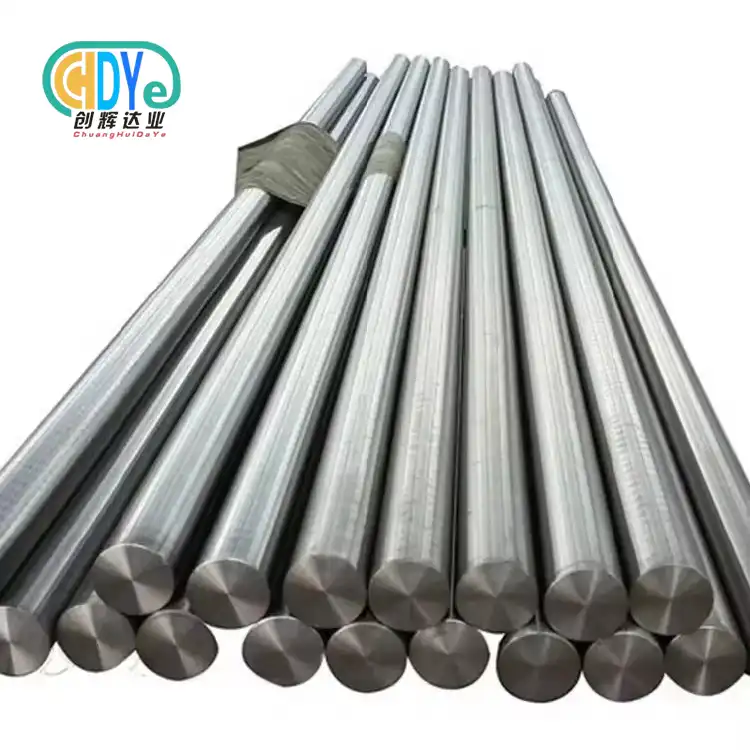
Understanding Titanium Rods – Essential Knowledge for Buyers
Titanium bars for sale are a good choice for businesses that need materials that are strong for their weight and don't rust. Titanium is different from most metals because it naturally makes a thick layer of titanium dioxide (TiO₂). This layer protects the metal from harsh environments like saltwater, acidic solutions, and air that is high in chloride. It doesn't need any protective coatings because of this natural passivation, so the part lasts a lot longer.
Chemical Composition Across Common Grades
Ti rods work better or worse depending on what kind of metal they are made of. Grade 1 titanium is the most flexible and easy to shape because it is mostly pure titanium (more than 99.5%) and has almost no oxygen (≤0.18%). This makes it great for jobs that need to be deep drawn or bent in a way that other grades would break. Grade 2 is a little stronger because it has more oxygen (0.18–0.25%). It is still easy to work with, though, and has a tensile strength of about 345 MPa. What about Grade 5 (Ti-6Al-4V)? It is the most popular type of titanium metal. It is made up of 6% aluminium and 4% vanadium. You can pull it apart with more than 895 MPa of force, and it will stick together even when heated to 400°C.
Mechanical Performance and Corrosion Characteristics
Tensile strengths of our titanium rod for sale range from 345 MPa for commercially pure types to 950 MPa for advanced alloys like TC4, which is Chinese for Ti-6Al-4V. This mechanical flexibility lets buying teams perfectly match the properties of materials to the pressures of the application. Titanium is about 60% lighter than steel because its density is 4.43–4.51 g/cm³. This means that structures can hold more weight without losing strength. Corrosion protection is higher than that of stainless steel in chloride settings. Titanium showed almost no signs of rust in tests that were exposed to seawater for decades. Because of these traits, engineers can make parts that are lighter, last longer, and need less upkeep, which cuts down on working downtime.
Titanium Rods vs. Alternative Metals – Making the Right Choice
To choose between titanium rods for sale and other materials, you need to carefully weigh performance measures against the total cost of ownership. Titanium rods usually cost more than steel or aluminum at first, but a lifetime study will often show that they are much cheaper in the long run.
Performance Comparison with Common Alternatives
Stainless steel is less expensive up front and has fair corrosion resistance, but it is heavier and more likely to crack from stress corrosion caused by chloride. Aluminum is lightweight, but it isn't strong enough or stable enough at high temperatures to be used for aerospace structural parts. Carbon steel is very strong and easy to work with, but it needs protective coatings and regular maintenance in places where it will rust. Nickel metals can stand up to high temperatures and chemical attacks, but they are heavier and more expensive than titanium.
Balancing Pros and Cons
Titanium rods work better than these other options in serious situations. The ratio of strength to weight is about 40% higher than aluminum, and it stays stable at temperatures where aluminum softens. In naval and chemical processing settings, corrosion protection is higher than that of stainless steel grades, so no coating is needed. The fact that it is not magnetic is very important in MRI machines and magnetic mine defenses. Because it is biocompatible, titanium is the best material for surgical tools and implants. Other materials can cause immune responses or toxic reactions.
Titanium rods have strong benefits, but they need to be evaluated realistically. More difficult machinability and higher material costs mean that processing must be done by a skilled person using the right tools. In aircraft, for example, lighter parts save fuel. In marine uses, lighter parts mean less structural load. And across all industries, lighter parts mean longer repair times. When upkeep, replacement cycles, and performance stability are taken into account, titanium is often the more cost-effective choice for procurement workers who are looking at the total cost rather than just the purchase price.
How Titanium Rods Are Manufactured – From Raw Material to Finished Product
Knowing how things are made gives you more faith in the quality of the titanium rod for sale and the abilities of the suppliers. At Chuanghui Daye, we use both traditional metalworking skills and cutting-edge processing technology in our production process.
Extraction and Refinement Stages
The first step in making titanium is to take ilmenite or rutile rock and use the Kroll process to turn it into titanium sponge. This sponge goes through vacuum arc remelting (VAR), a process in which electrical sparks melt the material in rooms without air. This makes ingots with controlled chemistry and few impurities. Multiple remelting processes make sure that the makeup is uniform and get rid of segregation flaws that hurt the mechanical properties.
Forming Through Extrusion and Forging
During rotary forging or extrusion processes that happen at temperatures between 900°C and 1100°C, hot working turns ingots into rods. This thermomechanical process breaks down cast structures, which reduces the size of the grains and makes the material more flexible. Our rolling equipment can make sizes ranging from 6 mm precision pins to 300 mm structural bars. For unusual uses, it can also make lengths up to 6000 mm.
Quality Control and International Standards
There are strict inspection procedures for titanium rods for sale at every stage of production that are in line with ASTM B348 dimensional tolerances and AMS 4928 aerospace specifications. When ultrasonic testing is done, it finds internal breaks that are bigger than a 0.8 mm flat-bottom hole width. Chemical analysis checks the composition within small ranges, keeping interstitial elements like hydrogen below 0.015% to avoid weakening. You can choose between a pickled (Ra 1.6 μm), machined (Ra 0.8 μm), or polished (Ra 0.4 μm) surface finish. Every shipment comes with full traceability paperwork, including material certifications, test reports, and heat identification to make the whole supply chain clear.
Our quality management system, which is ISO 9001:2015 certified, makes sure that all bulk orders are the same while still being able to adapt to OEM needs. Minimum order numbers change based on the needs of the project, and wait times are usually between 4 and 8 weeks, depending on the diameter, grade, and surface finish requirements.
Top Applications of Titanium Rods in Industry – Why Choose Titanium?
Titanium rods for sale are used in many different industries and are very important. They solve certain engineering problems that other materials can't.
Aerospace and Defense Applications
Ti-6Al-4V rods are used by aircraft makers for landing gear parts, fasteners, and structural pieces that need to be strong but light. A 10 mm titanium rod can be used instead of steel gear that is the same size but weighs 45% less. This directly improves fuel economy and payload capacity. Defense contractors use titanium for missile casings and naval uses where resistance to corrosion in salt water is important for readiness for operation.
Medical and Pharmaceutical Uses
To make orthopedic implants, dental fixtures, and surgical tools, you need commercially pure titanium or Ti-6Al-4V ELI (Extra Low Interstitial). This is because they are biocompatible. Intramedullary nails with rods that have been machined into them fix fractures without triggering immune responses. The measure of stiffness of the material is about 114 GPa, which is closer to bone than stainless steel. This means that it doesn't have as many stress shielding effects that cause bone to break down around implants.
Chemical Processing and Marine Engineering
Grade 2 titanium rods are used in chemical plants for parts of heat exchangers, pump shafts, and reactor vessel fittings that come into contact with acidic or chlorine media. Titanium is used by marine engineers for propeller shafts, underwater robots, and desalination equipment because it doesn't rust as other materials do in saltwater. When scratched, the material's passive oxide layer grows back right away, giving it self-healing security that doesn't need any care coatings.
Electronics and Semiconductor Manufacturing
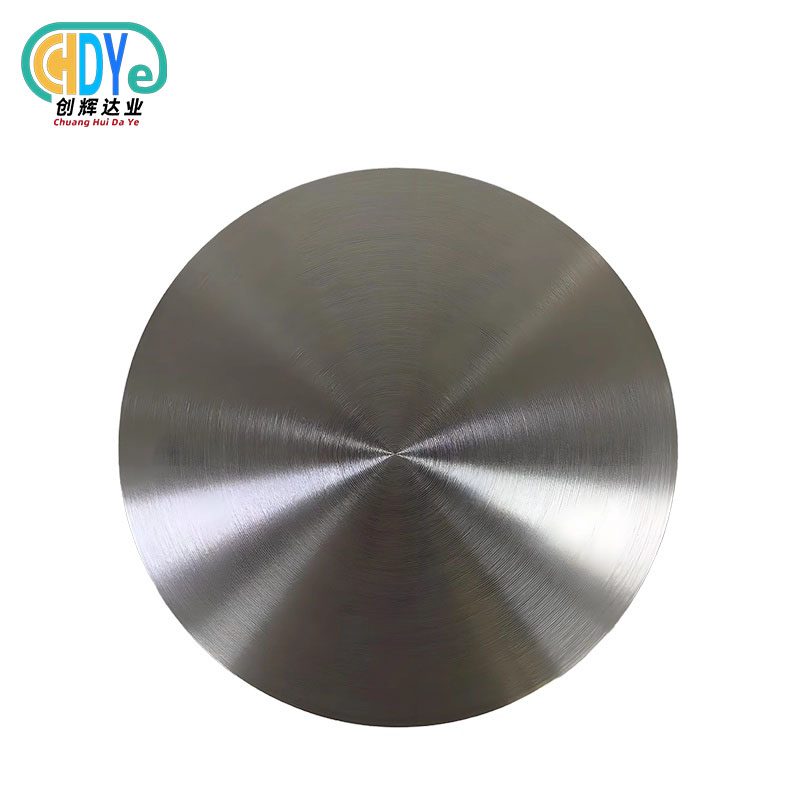
Very pure titanium bars are used as sputtering targets in thin-film deposition processes and as building blocks in vacuum tanks that are heated to high temperatures. Titanium is great for precision semiconductor fabrication tools because it has a low thermal expansion rate and great outgassing properties. Product yield depends on keeping dimensions stable and controlling contamination.
These use examples show how titanium's unique set of properties—lightweight strength, resistance to corrosion, biocompatibility, and heat stability—achieves performance benefits that make it a good choice for challenging industrial settings.
Procuring Titanium Rods – How to Source the Best Supplier for Bulk and OEM Orders
To find trustworthy sources for buying large amounts of titanium rod for sale, you need to carefully look at their technical skills, quality control systems, and supply chain dependability.
Evaluating Manufacturer Credentials
Verification of certification is the basis of evaluating a seller. ISO 9001:2015 recognition shows that quality management systems are well-established, while AS9100 approval shows that process controls are designed for aircraft applications. Ask for material test reports (MTRs) that show the chemical make-up, mechanical properties, and how the material can be tracked back to the original melt batches. Non-destructive testing (NDT) records, such as ultrasonic inspection reports and surface quality ratings, should be given by suppliers.
Pricing Strategies and Order Optimization
Production capacity for titanium rod for sale has a direct effect on how reliably deliveries happen. At our Chuanghui Daye plant, we keep special melting tools like electron beam furnaces and vacuum arc remelting systems in good shape so that we can consistently meet the needs of big orders without lowering the quality. When you do your own machining, you can do value-added tasks like centerless grinding, turning, and custom length cutting, which makes your supply chain simpler.
Titanium rod prices depend on the cost of raw materials, how hard the process is, and how many are ordered. Buying in bulk usually results in price cuts of 15 to 25 percent compared to buying in small lots. Getting suppliers involved early in the design process lets you get the best material grade. For example, sometimes Grade 2 is enough where Grade 5 was originally specified, saving you a lot of money without sacrificing performance.
Logistics and Global Supply Chain Considerations
The smallest amount you can order depends on the width and grade. Standard sizes, like 10 mm or 50 mm lines, often have lower minimums so that production schedules can work better. When it comes to custom sizes, pledges of 500 to 1000 kg may be needed to cover the costs of tools and setup. Getting yearly supply deals with planned releases is a good way to balance the costs of keeping stockpiles with the benefits of stable prices and on-time delivery.
When you buy something internationally, you need to pay attention to the shipping methods, wait times, and government paperwork. Air freight is best for quickly shipping samples or small orders, while ocean shipping is the most cost-effective way to move large amounts of cargo. When rods are shipped, they are protected in wooden crates with protective wrapping and desiccants to keep the humidity levels from rising.
Cross-border deals go more smoothly when you work with experienced providers like Chuanghui Daye. We take care of the export paperwork, give you harmonized tariff classifications to help with customs clearance, and work with freight forwarders to make sure your goods get to your facility on time. With established logistics networks that cut down on transit time and risk, we have a history of delivering to customers in North America, Europe, and Asia.
Conclusion
To get high-quality titanium rods for sale for large orders and OEM uses, you need to work with providers who offer reliable service, expert technical knowledge, and excellent manufacturing. Understanding grade differences and performance characteristics, as well as evaluating suppliers and making the best use of procurement strategies, are all parts of the material selection process that have a direct effect on the success of a project and its long-term operational efficiency. Titanium is used in many fields where performance and dependability are important, such as aircraft, medicine, chemicals, and electronics. Its high strength-to-weight ratio, resistance to corrosion, and versatility make it a popular choice. Procurement teams can get better products, the ability to customize, and a stable supply chain when they work with certified makers like Chuanghui Daye. These things give them an edge in competitive global markets that are very picky.
FAQ
Q: How Do I Select the Correct Titanium Grade for My Application?
A: The choice of grade is based on three main factors: the need for mechanical strength, the conditions of exposure to the environment, and the manufacturing processes. Commercially pure grades (Grade 1, Grade 2) are best for moderate-strength uses that need to be resistant to corrosion and easy to shape, like heat exchangers and equipment used in chemical processing. Grade 5 (Ti-6Al-4V) is used for high-strength structural uses in medical implants and spacecraft where a tensile strength of more than 895 MPa is needed. Grade 23 (Ti-6Al-4V ELI) makes it harder for vital medical products to break. Our technical team at sShaanxi Chuanghui Daye looks over your requirements and the environment in which the product will be used to suggest the best material grades that meet both performance and cost needs.
Q: What Certifications Should I Verify When Purchasing Titanium Rods?
A: For quality control, materials must meet ASTM B348 standards for industrial uses, AMS 4928 standards for aerospace parts, and ISO 5832-2 or ASTM F136 standards for medical uses. Ask for test reports on the material that show the results of chemical composition analysis, tensile testing, and non-destructive examination. If a seller has ISO 9001:2015 approval, it means they keep quality controls in place throughout the whole production process. Chuanghui Daye offers full documentation packages that include mill certificates, traceability records, and inspection reports. These meet strict buying standards in businesses that are controlled.
Q: Can You Accommodate Custom Sizing and OEM Requirements?
A: Of course. Our production skills allow us to make unique diameters from 6 mm to 300 mm and lengths up to 6000 mm. We process different types of surface finishes, such as pickled, machined, and polished, to make sure that the dimensions and roughness requirements are met. OEM services include custom metal mixes, unique heat treatments, and grinding operations that add value. Minimum order numbers depend on how customized the product is. Our team will work closely with your engineering staff to make sure that the specs are optimized for cost-effectiveness, ease of manufacture, and performance goals.
Partner With Chuanghui Daye for Your Titanium Rod Requirements
Shaanix Chuanghui Daye is ready to help you with your buying needs by providing approved titanium rods for sale made to the highest standards in China's renowned "Titanium Capital." Our ISO 9001:2015 certified plant has advanced processing tools and more than 30 years of experience working with metals. It can provide materials that meet ASTM, AMS, and ISO standards for use in aerospace, medicine, chemicals, and industry. Whether you need large quantities of standard grades or custom OEM solutions with unique dimensions and surface treatments, our technical team is available to help you from the moment you ask for help until the product is delivered.
We know how important it is for your supply chain plan that materials are always delivered on time and at a reasonable price. With our global shipping options, your goods will arrive on time at any facility in the world, backed by full paperwork and quality standards. Email our team at info@chdymetal.com right now to talk about your specific needs, get material data sheets, or get detailed quotes for your next titanium rod purchase. As a reliable maker and provider, we promise to build long-term relationships with you that help you be more productive and beat the competition.
References
1. Boyer, R., Welsch, G., & Collings, E.W. (1994). Materials Properties Handbook: Titanium Alloys. ASM International, Materials Park, Ohio.
2. Donachie, M.J. (2000). Titanium: A Technical Guide, 2nd Edition. ASM International, Materials Park, Ohio.
3. Lütjering, G., & Williams, J.C. (2007). Titanium, 2nd Edition. Springer-Verlag, Berlin Heidelberg.
4. Peters, M., Kumpfert, J., Ward, C.H., & Leyens, C. (2003). Titanium Alloys for Aerospace Applications. Advanced Engineering Materials, 5(6), 419-427.
5. Schutz, R.W., & Watkins, H.B. (1998). Recent Developments in Titanium Alloy Application in the Energy Industry. Materials Science and Engineering A, 243(1-2), 305-315.
6. ASTM International. (2020). ASTM B348-13: Standard Specification for Titanium and Titanium Alloy Bars and Billets. West Conshohocken, Pennsylvania.
Learn about our latest products and discounts through SMS or email