- English
- French
- German
- Portuguese
- Spanish
- Russian
- Japanese
- Korean
- Arabic
- Greek
- German
- Turkish
- Italian
- Danish
- Romanian
- Indonesian
- Czech
- Afrikaans
- Swedish
- Polish
- Basque
- Catalan
- Esperanto
- Hindi
- Lao
- Albanian
- Amharic
- Armenian
- Azerbaijani
- Belarusian
- Bengali
- Bosnian
- Bulgarian
- Cebuano
- Chichewa
- Corsican
- Croatian
- Dutch
- Estonian
- Filipino
- Finnish
- Frisian
- Galician
- Georgian
- Gujarati
- Haitian
- Hausa
- Hawaiian
- Hebrew
- Hmong
- Hungarian
- Icelandic
- Igbo
- Javanese
- Kannada
- Kazakh
- Khmer
- Kurdish
- Kyrgyz
- Latin
- Latvian
- Lithuanian
- Luxembou..
- Macedonian
- Malagasy
- Malay
- Malayalam
- Maltese
- Maori
- Marathi
- Mongolian
- Burmese
- Nepali
- Norwegian
- Pashto
- Persian
- Punjabi
- Serbian
- Sesotho
- Sinhala
- Slovak
- Slovenian
- Somali
- Samoan
- Scots Gaelic
- Shona
- Sindhi
- Sundanese
- Swahili
- Tajik
- Tamil
- Telugu
- Thai
- Ukrainian
- Urdu
- Uzbek
- Vietnamese
- Welsh
- Xhosa
- Yiddish
- Yoruba
- Zulu
What Are the Benefits of Colored Anodized Titanium Wire?
An electrolytic process that builds a safe oxide layer on the wire surface gives anodized titanium wire its many benefits. The process also gives the wire bright colors and improves the material's performance. The advantages are better corrosion resistance, which extends the product's useful life in harsh environments; higher hardness, which stops surface wear and galling in fastening applications; biocompatibility, which meets standards for medical devices; and customizable color options, which make it easy to find parts without using harmful dyes. The anodization process only adds a very small amount of thickness—usually 30 to 200 nanometers—so the wire's dimensions stay exact. It also makes the wire look better and work better, which is important for industries like aerospace, medicine, chemical processing, and electronics that need reliable, high-performance wire solutions.
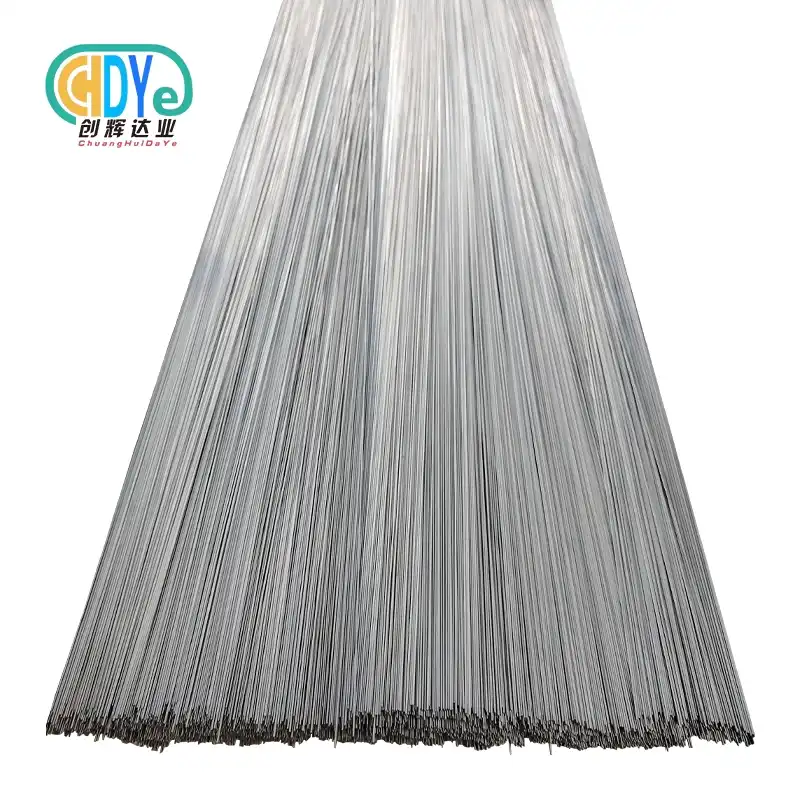
Introduction
A cutting-edge answer in many industries is anodized titanium wire, which is prized for its unique mix of toughness and artistic freedom. Not only does the anodizing process improve the wire's physical qualities, but it also adds a range of bright, corrosion-resistant colors without using paints or coats. The post talks about how important colored anodizing is and how it improves performance and creates new use cases in the electronics, chemical processing, aircraft, and medical device production industries.
We will talk about the technical benefits, how they can be used in different industries, what suppliers should think about, and how to make the best purchasing decisions and product offers for global B2B clients. Knowing how anodized titanium wire is different from other materials helps purchasing managers make smart decisions that balance the cost of the original investment with the total cost of ownership and the stability over time.
Understanding Colored Anodized Titanium Wire
Anodized titanium wire goes through an electrical anodizing process that makes the natural oxide layer on the wire's surface thicker. This makes the colors brighter by interfering with light instead of using dyes or paints. The different colors come from carefully controlling the voltage during the electrolytic passivation process. The end look is determined by the width of the oxide layer, which can be anywhere from 30 to 200 nanometers.
How the Anodization Process Works
In this method, anodized titanium wire is put into an electrolytic bath. Oxygen atoms connect with the titanium surface through controlled voltage applications, creating a stronger titanium dioxide (TiO₂) layer. In contrast to paint or powder coating, the color comes from light waves bouncing and interacting within the structure of the oxide layer. This is similar to how an oil spill looks on water. As the voltage goes up, the oxide thickness and color range change. At lower voltages, the oxide is bronze-colored, and as the voltage goes up, it turns blue, gold, pink, and green.
Critical Properties Imparted by Anodization
When titanium wire is anodized, the surface properties change without affecting the mechanical strength of the base. The improved oxide layer makes it very resistant to rust in salty, acidic, and basic conditions. This makes it perfect for chemical processing equipment and naval uses. The changed surface is very stable when it comes to heat. It keeps its color and protective properties even after being heated and cooled many times and exposed to temperatures as high as 430°C.
When titanium wire presses against other metal surfaces, the anodized layer changes the coefficient of friction. This creates a dry lubrication effect that stops cold-welding or galling. This tribological edge plays a very important role in aircraft safety wire and fastening uses, where shaking and heat stress the parts. The oxide layer's dielectric qualities make it electrically insulating, which is useful in certain sensor and computer uses.
Color Palette Options and Industrial Applications
Before going over the colors that are available, it's helpful to know that voltage-controlled anodization makes it possible to match colors exactly every time, which is important for quality control in the commercial world. The color range that can be reached includes bronze (10–15V), blue (25–30V), gold, rose, purple, and many other shades in between, with some shades going over 100V. Unlike organic dyes, which fade over time, these colors stay the same when exposed to UV light and are sterilized many times.
Color coding has useful industrial uses, like telling the difference between different wire widths in medical surgery kits. Surgeons can choose the right size right away without having to read signs during time-sensitive treatments because of the way colors are used. Color coding is used to keep track of goods in manufacturing sites. It makes it easy to see the different types of materials, keep track of batches, and check for quality control without the need for extra marking systems.
Core Benefits of Colored Anodized Titanium Wire for B2B Applications
Industrial buyers know that anodized titanium wire has real practical benefits that go beyond its good looks. The better surface qualities cut down on upkeep needs, increase the life of parts, and allow for useful improvements that make the material investment worthwhile.
Enhanced Corrosion and Heat Resistance
The anodized oxide layer makes the titanium wire much more chemically stable than pure titanium wire. Titanium that hasn't been treated already has a natural inactive layer that protects it from corrosion. Anodizing makes this barrier much thicker, which makes it better at protecting against corrosion in harsh chemical conditions. Anodized titanium wire exhibits exceptional life with minimal surface decay in petroleum processing facilities that handle sulfuric acid, hydrochloric acid, and chlorine chemicals.
Because the anodized layer is thermally stable, the color and defensive qualities stay the same even when the temperature changes, which can happen in aircraft use. Parts that are exposed to cold fuels and high-temperature exhaust systems keep their structural integrity and visible identification marks for as long as they are used. This resistance to heat means that equipment makers will have to do less upkeep and pay less over its lifetime.
Superior Durability and Service Life
Anodization makes the surface harder, so it doesn't wear down easily or get damaged mechanically during handling, installation, or service. The changed surface doesn't scratch easily and keeps its shape even after a long time of use in tough situations. Chemical processing equipment that uses anodized titanium wire for corrosion-resistant parts says that the time between replacement processes is longer, which cuts down on downtime and the cost of upkeep work.
With millions of stress cycles in dynamic use, properly anodized titanium wire has wear protection that is superior to many other materials. Anodized titanium wire is used by aerospace makers for safety wiring important bolts because it can withstand constant shaking without breaking down as stainless steel wire does.
Customizable Colors for Practical Advantages
Customizing colors does more than just make things look better; it also has practical benefits that make things more efficient and help products stand out. Color-coded anodized titanium wire systems are used by medical device makers to speed up surgery processes and lower the risk of misidentifying parts during important operations. Because structural colors are non-toxic, biocompatibility rules can be followed without worrying about dye leaking or allergic reactions.
Electronics companies like how anodized colors can help them differentiate their brands on goods that people will see. The luxury look of colored titanium wire makes the product seem higher quality while keeping the useful properties of being resistant to rust and stable in size. It's easier for production sites to keep track of their goods when wire standards can be found right away by color-coding instead of reading labels or measuring.
Comparative Analysis: Colored Anodized Titanium Wire vs Alternative Materials
Before you buy something, you need to know how anodized titanium wire stacks up against other materials in terms of performance, cost, and practical benefits. The next section looks at some important options to help you understand why the materials you chose were chosen.
Anodized vs Bare Titanium Wire
The strength-to-weight ratio of bare titanium wire is very high, and its thin inactive oxide layer naturally protects it from rust. Anodization, on the other hand, makes these natural qualities much better. The thicker oxide layer gives the titanium much better chemical protection in chloride-rich settings, where pitting and rust can damage raw titanium over time.
Anodized surfaces don't let galling happen, which is what happens when bare titanium rubs against itself or other metals that are similar under pressure and friction. When used in threaded binding situations, anodized titanium wire keeps torque values stable and lets you take things apart without damaging the threads. Bare titanium, on the other hand, may stop permanently. Because anodized wire can be color-coded, it adds functionality that can't be achieved with bare material without extra labeling or marking steps.
Comparison with Coated Titanium Wire
Other ways to treat something, like powder coating, paint, or polymer films, give you more color choices, but they are harder to keep up with and don't work as well. When exposed to chemicals, UV light, and wear and tear, organic compounds chip, peel, and break down. Coatings make things thicker, which can make it harder to meet precise size standards in tight-tolerance situations.
Anodized titanium wire keeps the properties of the base material and doesn't have any extra coatings that could leak gas in vacuum situations or get into clean rooms. The continuous oxide layer can't peel off or separate from the base metal. This means that the color and protection will last forever, unless they are removed on purpose using rough methods or hydrofluoric acid.
Stainless Steel and Aluminum Wire Alternatives
Stainless steel wire is cheaper at first, but it doesn't fight rust as well in naval and chemical processing settings. Because stainless steel is denser, it makes parts heavier, which is a big problem in aircraft uses where reducing mass directly affects how much fuel is used. In fastening situations, stainless steel is also more likely than anodized titanium to develop galling and thread seizure.
Aluminum wire is cheaper to make and can be colored by anodizing it, but it can only be used in low-stress settings because it isn't very strong. Aluminum and its alloys can't handle high temperatures as well as titanium can, so they can't be used in places where titanium works well. Aluminum can't be used in lasting medical implants because it doesn't work well with living things. Titanium is still the usual material for these implants.
How Does Colored Anodized Titanium Wire Meet Diverse Industry Needs?
The usefulness of anodized titanium wire covers many areas, with each gaining from specific qualities that match the needs of the application. Knowing about these use cases helps procurement managers find ways to improve their businesses' use of materials.
Medical Device Manufacturing Applications
For Kirschner wires (K-wires) used in hip surgery, medical device makers depend on anodized titanium wire. During treatments, wire sizes can be quickly identified by color tagging. The structural colors can be sterilized in a sterilizer several times at 134°C without fading or giving off harmful chemicals, so they can be used for labeling throughout the product's lifetime. The safe TiO₂ surface meets ISO 10993 standards for materials that come into constant contact with human flesh. This means that there are no worries about metallosis or inflammatory reactions.
Companies that make surgical instruments use colored anodized titanium wire in the precise tools' writing systems and identification features. Titanium doesn't conduct magnetic fields, so it can be used in MRI machines. It also doesn't rust, so tools will keep working after thousands of rounds of washing and chemical cleaning.
Aerospace and Defense Component Applications
When it comes to safety wiring, aerospace makers only use anodized titanium wire that meets AMS 2488 standards for not galling. The wire holds important bolts in place on jet engines, hydraulic systems, and structural assemblies where a broken part could put flight safety at risk. When installed, the anodized surface keeps the threads from getting damaged and lets the right amount of pressure be applied without the cold-welding problems that happen with metals that haven't been handled.
Extreme changes in temperature that happen during flight operations don't affect the color of the eye inspection marks, so they can be read for the whole life of the part. Titanium wire is useful for defense uses because it is nonmagnetic and doesn't block radar. It is used to make specialized electronic warfare systems and communication equipment parts.
Chemical Processing and Electronics Uses
In acidic conditions where stainless steel and other metals break down quickly, makers of chemical equipment use anodized titanium wire. The improved chemical stability can handle acids, bases, and reactive substances that are common in water treatment plants, petroleum processing plants, and pharmaceutical manufacturing plants. The steadiness of the dimensions over time through temperature cycling helps meet the needs for precise assembly in heat exchangers and reaction tanks.
In semiconductor processing tools where cleanliness and contamination control are essential, electronics makers use anodized titanium wire. In clean rooms, the chemically neutral surface keeps particles and ions from being released and getting into the air. Because the oxide layer is an insulator, it can be used in specific ways in sensor systems and electrical separation parts.
Customization Options for OEM and Bulk Buyers
Manufacturers like Chuanghui Daye can make changes to their products to meet the unique needs of OEM clients. Wire diameters from 0.1 mm to 6 mm can meet a wide range of mechanical and electrical performance requirements. Custom voltage settings make it possible to match colors exactly for brand identity needs or useful color-coding systems.
It is possible to make both small prototypes for research and development projects and large orders for well-known product lines. The ISO 9001:2015 quality management system makes sure that the features of materials are always the same and that there is clear paperwork for tracking them. This meets the standards of the aircraft, medical, and automobile industries. Universities and research organizations that need small amounts of specialized materials can place orders with flexible minimum order numbers. This is also true for large-scale manufacturing operations.
Why Partner with a Trusted Supplier for Colored Anodized Titanium Wire?
Choosing the right maker has a direct effect on the quality of the product, the dependability of shipping, and the total cost of buying it. Suppliers that have been around for a while offer benefits like reasonable prices, expert help, and a stable supply chain for anodized titanium wire.
Quality Control and Certification Compliance
Reputable makers follow strict quality control rules at all stages of production, from checking the raw materials to checking the finished product. Getting the ISO 9001:2015 approval shows that you are dedicated to using methods for thorough process control and ongoing growth. Material traceability paperwork gives chemical makeup analyses, mechanical property test results, and measurement inspection records that are specific to each batch. These are needed by controlled businesses.
Advanced testing tools, such as spectroscopy, tension testing, and surface analysis, make sure that the qualities of materials always meet the stated standards. Suppliers with electron beam melting rooms and controlled oxygen processes make high-purity titanium wire with almost no intermediate contamination that could weaken its strength or resistance to rust.
Production Capabilities and Technical Support
Manufacturers who have a wide range of processing tools, such as melting ovens, rolling mills, and precise cutting, can provide complete solutions, from raw materials to finished parts. Processing rare metals for decades has given us the technical know-how to help solve problems in difficult uses. To make sure the wire chosen meets performance standards and costs as little as possible, engineering teams help choose materials, write specifications, and find the best way to use them.
When project deadlines call for quick development or emergency replacement materials, production flexibility can handle custom wire forms, special packing needs, and faster delivery schedules. Being able to change the amount of production based on changes in customer demand keeps the supply chain stable without making buyers keep too much overstock on hand.
Comparing Domestic and International Suppliers
Purchasing managers judge providers on more than just the price per unit. When you work with domestic providers in the United States, you can get faster responses to your messages, shorter lead times, and easier transportation planning. International makers, especially those in specialized materials production areas like Baoji, China (known around the world as "Titanium Capital"), offer affordable factory-direct prices and access to well-established infrastructure for handling rare metals.
Chuanghui Daye is a good example of how foreign providers can serve global markets well by combining technology know-how with quality standards and quick customer service. The company is in a specialized industrial zone, which gives it access to complete supply lines and processing tools that aren't available in places where rare metal businesses aren't concentrated. Through approved management systems, direct connections with manufacturers get rid of the markups that distributors add on top of the price.
Conclusion
Anodized titanium wire has measured performance and useful benefits that make it worth the money to buy for tough industrial uses. Electrochemical anodization gives wires long-lasting, bright colors and improves their resistance to rust, hardness, and galling without affecting their mechanical strength or accuracy in measurements. The material's unique mix of biocompatibility, chemical stability, and heat performance makes it useful in many fields, from aircraft and medical device making to chemical processing and electronics.
The benefits over other materials like stainless steel, aluminum, and treated titanium wires become clear when you look at the total cost of ownership, which includes how often you have to do upkeep, how long the wires last, and how reliably they work. Partnering with well-known makers that hold an ISO 9001:2015 certification and can do a wide range of handling tasks guarantees consistent quality, expert support, and a stable supply chain, all of which are important for successful buying strategies.
FAQ
Q: What factors determine the available color options for anodized titanium wire?
A: The voltage used during the anodization process controls the thickness of the oxide layer, which in turn controls the color by interfering with light. Bronze tones are made with voltages between 10 and 15V, blue tones with voltages between 25 and 30V, and gold, rose, purple, and other specific colors with higher voltages. The finished look is also slightly affected by the wire thickness and the grade of the base material (Gr1, Gr2, or Ti-6Al-4V).
Q: How does anodized titanium wire perform compared to stainless steel in corrosive environments?
A: When it comes to places that are chloride-rich, acidic, or sea-like, where stainless steel pits and cracks, anodized titanium wire is much more resistant to rust. The better TiO₂ layer doesn't react with chemicals that have a wide range of pH levels. This means that it keeps its shape and look even after long contact times that would normally break down stainless steel options.
Q: What are typical lead times and minimum order quantities for bulk purchases?
A: Lead times depend on how complicated the specifications are and how quickly they need to be made. For normal sizes and colors, they are usually between two and six weeks. Delivery times may be longer if you need to change the power settings or the shape of the wires. Minimum order numbers rely on the thickness of the wire and the processing needs. Well-known makers like Chuanghui Daye can handle both small orders for research purposes and large production runs because they are creative in how they make their products.
Source Reliable Anodized Titanium Wire from Chuanghui Daye
Precision anodized titanium wire made to precise standards in Baoji's specialized titanium production area is what Shaanxi Chuanghui Daye sells. Our ISO 9001:2015-certified factory uses modern electron beam melting, controlled atmosphere annealing, and precision rolling tools to make high-purity wire that meets medical ISO standards and aircraft AMS requirements. We can work with unique color specs; offer a range of order sizes, from prototypes to full production runs; and provide full paperwork for material approval.
Our expert team has worked with rare metals for more than 30 years and can help with choosing the right material, making sure the application works best, and coming up with specifications for tough projects. If you need study materials in small amounts or contracts for a lot of them, we can get them to you at factory-direct prices without lowering the quality or speed of service. Email our team of anodized titanium wire manufacturers at info@chdymetal.com to talk about your unique needs, get detailed datasheets, or set up a sample review for your purpose.
References
1. Davis, J. R. (2006). Handbook of Materials for Medical Devices. ASM International Materials Park, Ohio.
2. Brunette, D. M., Tengvall, P., Textor, M., & Thomsen, P. (2001). Titanium in Medicine: Material Science, Surface Science, Engineering, Biological Responses, and Medical Applications. Springer-Verlag Berlin Heidelberg.
3. Donachie, M. J. (2000). Titanium: A Technical Guide (2nd Edition). ASM International Materials Park, Ohio.
4. Aerospace Material Specification AMS 2488D (2018). Anodic Treatment of Titanium and Titanium Alloys: Solution pH 13 or Higher. SAE International, Warrendale, Pennsylvania.
5. Lutjering, G., & Williams, J. C. (2007). Engineering Materials and Processes: Titanium (2nd Edition). Springer-Verlag Berlin Heidelberg.
6. Rack, H. J., & Qazi, J. I. (2006). Titanium alloys for biomedical applications. Materials Science and Engineering: C, Volume 26, Issues 8, Pages 1269-1277.

Learn about our latest products and discounts through SMS or email