- English
- French
- German
- Portuguese
- Spanish
- Russian
- Japanese
- Korean
- Arabic
- Greek
- German
- Turkish
- Italian
- Danish
- Romanian
- Indonesian
- Czech
- Afrikaans
- Swedish
- Polish
- Basque
- Catalan
- Esperanto
- Hindi
- Lao
- Albanian
- Amharic
- Armenian
- Azerbaijani
- Belarusian
- Bengali
- Bosnian
- Bulgarian
- Cebuano
- Chichewa
- Corsican
- Croatian
- Dutch
- Estonian
- Filipino
- Finnish
- Frisian
- Galician
- Georgian
- Gujarati
- Haitian
- Hausa
- Hawaiian
- Hebrew
- Hmong
- Hungarian
- Icelandic
- Igbo
- Javanese
- Kannada
- Kazakh
- Khmer
- Kurdish
- Kyrgyz
- Latin
- Latvian
- Lithuanian
- Luxembou..
- Macedonian
- Malagasy
- Malay
- Malayalam
- Maltese
- Maori
- Marathi
- Mongolian
- Burmese
- Nepali
- Norwegian
- Pashto
- Persian
- Punjabi
- Serbian
- Sesotho
- Sinhala
- Slovak
- Slovenian
- Somali
- Samoan
- Scots Gaelic
- Shona
- Sindhi
- Sundanese
- Swahili
- Tajik
- Tamil
- Telugu
- Thai
- Ukrainian
- Urdu
- Uzbek
- Vietnamese
- Welsh
- Xhosa
- Yiddish
- Yoruba
- Zulu
Why Is Anodized Titanium Wire Used for Electrical Applications?
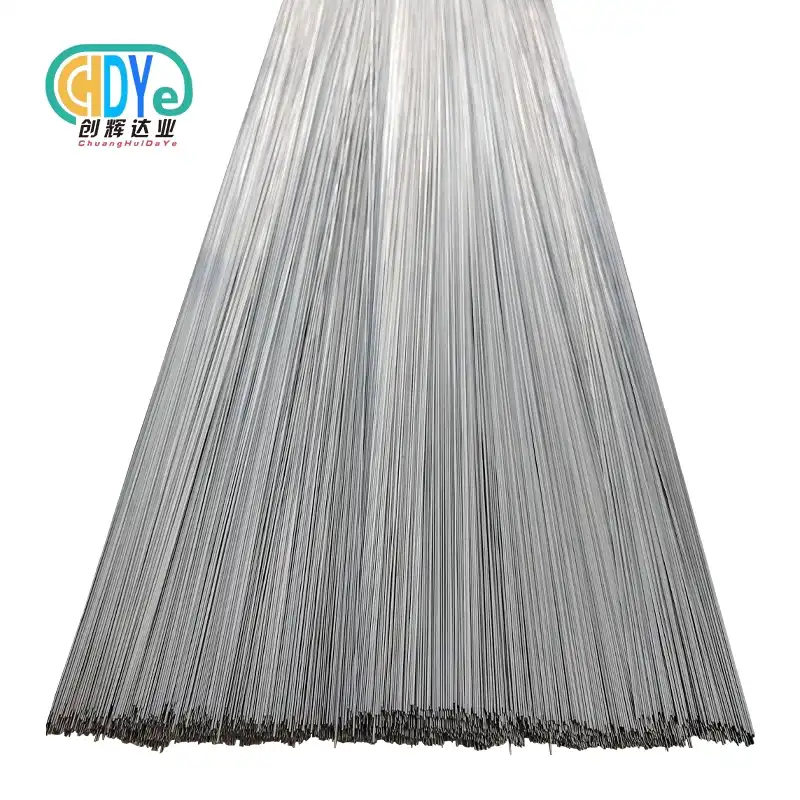
With its unique mix of improved surface qualities and high reliability, anodized titanium wire has become a popular choice for use in electrical applications. This special wire creates a controlled oxide layer through an electrolytic passivation process. This layer makes the wire more resistant to rust, stable in shape, and strong in dielectric bonds. More and more, industries like aircraft, electronics, and chemical processing depend on this material because it keeps its shape even in difficult conditions and continues to work well. The anodizing method uses light reflection to make interference colors instead of dyes. This lets you identify things without using harmful chemicals and doesn't change the wire's core mechanical or electrical qualities.
Understanding Anodized Titanium Wire and Its Electrical Properties
The Anodizing Process: How Surface Enhancement Works
Titanium wire is anodized in an electrolytic bath. Voltage-controlled oxidation makes the natural oxide layer thicker, going from a few nanometers to 30–200 nanometers. Anodization creates the oxide layer from the parent metal itself, unlike finishing methods that use external materials. This method makes sure that the improved surface stays forever attached to the base, so there is no chance of delamination like there is with painted or metal alternatives. The voltage, electrolyte makeup, temperature, and length of time used in the process decide the thickness of the oxide and its visual qualities.
Key Electrical Characteristics That Matter
The anodized surface changes some important electrical qualities while keeping titanium's natural benefits. The managed oxide layer acts as a barrier and has breakdown voltages higher than 100V, based on its thickness. This makes the wire suitable for use in sensor applications and places that need to keep electricity from flowing through them. At the same time, the base titanium keeps its excellent conductivity for grounding and removing static electricity. The change to the surface greatly lowers the coefficient of friction, which stops cold-welding or galling from happening when wires touch metal housings or bolts while they are vibrating. This tribological benefit helps electrical systems that are heated and cooled and put under mechanical stress last longer.
Comparing Anodized Versus Non-Anodized Titanium Wire
Standard titanium wire naturally creates a thin inactive oxide layer (about 1 to 10 nanometers) that protects against rust in a basic way. Anodization makes this layer thicker on purpose, which can increase its chemical protection by 10 to 20 times, based on the climate. The improved oxide layer can stand up to long-term contact with saline solutions, acidic condensation, and industrial atmospheres that break down untreated surfaces rapidly. Test results from different labs show that anodized titanium wire of Grade 2 remains intact after exposure to salt spray for 5,000 hours. On the other hand, raw wire starts to pit after 1,200 hours under the same conditions.
Benefits of Using Anodized Titanium Wire in Electrical Applications
Knowing the useful benefits helps buying teams make decisions about which materials to buy based on the total cost of ownership instead of just the purchase price. The following perks directly address some of the most common problems that arise in difficult electrical setups.
Superior Corrosion Resistance in Harsh Environments
Chemical plants, marine platforms, and seaside sites all have electrical systems that are constantly exposed to toxic agents that break down normal wire materials. In these conditions, anodized titanium wire works better than 316 stainless steel and tin-plated copper. This is because the oxide layer chemically bonds to the material instead of sticking to it mechanically. Studies done in petroleum sites show that anodized titanium wiring still works perfectly after 15 years of use, while stainless steel options need to be replaced every 7 to 9 years because they rust and crack in crevices. This longer service period cuts down on repair downtime and replacement costs by a large amount.
Visual Identification Through Structural Coloration
Interference colors, which are made during anodization and range from bronze and gold to blue, purple, and green, make things stand out right away without using harmful paints or organic dyes. When installing complicated systems with multiple circuit lines, electrical workers like this feature because it lowers wiring mistakes that cause delays in completion and safety incidents. Medical device makers use this same trait to tell the difference between implanted wire sizes (1.0mm, 1.5mm, and 2.0mm widths) without using labels. This way, doctors can quickly choose the right parts. These colors stay solid even after autoclaving and UV exposure. This process is different from painting coats that fade or flake over time.
Exceptional Strength-to-Weight Ratio Benefits
Titanium has a density of 4.5 g/cm³, which is between that of aluminum and stainless steel. It is also about as strong as many steel metals. Anodization adds almost no weight (measured in micrograms per meter) but makes the surface last longer. This is a benefit that aerospace electrical wiring makers use to make vehicles lighter without lowering the quality of the wires. When you replace copper wire with anodized titanium wire in a normal airplane electrical system, the system loses 40 to 45% of its weight. This saves the plane measurable amounts of fuel over its operating lifetime. When building high-performance battery management systems for electric vehicles, where every gram affects range and economy, automotive experts use the same kind of reasoning.
Anodized Titanium Wire vs Other Wire Types: Making the Right Choice
Evaluating material alternatives requires examining multiple performance dimensions simultaneously rather than optimizing for single characteristics like cost or conductivity.
Performance Comparison: Stainless Steel Wire
304 and 316 stainless steel wires are usually used for electrical uses that need to be immune to rust. Anodized titanium wire is better at resisting pitting in salt settings and stays passive at amounts where stainless steel is attacked locally. Mechanical tests show that Grade 2 titanium wire has 40% higher tensile strength than 304 stainless steel at the same sizes. This means that designers can choose thinner wire thicknesses to meet the same load requirements. Stainless steel weighs less per kilogram, but titanium is often better in serious situations when lifecycle analysis takes into account how often it needs to be replaced and how much work it takes to install.
Performance Comparison: Coated Copper Wire
Copper is a great conductor of electricity, but it needs protective coverings like tin, nickel, or polymer jackets to stay strong in corrosive environments. It is inevitable that these surfaces will get flaws like pinholes, scratches, and heat cracks that let the porous copper base oxidize quickly. Anodized titanium wire doesn't have this failure mode at all because the protected layer grows back on its own if it is hurt physically in a breathable environment. Copper is 30–40 times more conductive than titanium, but titanium's qualities are enough for many electrical uses that only need enough conductivity for grounding, static reduction, or low-current communication.
Performance Comparison: Non-Anodized Titanium Wire
Anodization usually adds 15 to 25 percent to the cost of raw wire, but it gives a lot more value by making the surface harder and more resistant to wear. Non-anodized titanium wire can still get scratches on the surface during installation and service, which could lead to stress concentrations that cause cracks to start. The anodized layer raises the surface hardness from about 200 HV to 300–400 HV, based on the process settings. This improvement makes the resistance to wear much better. This extra toughness is very helpful for projects that need to route wires through tight pipe turns or come into contact with sharp container edges.
Procurement Considerations for Anodized Titanium Wire in Electrical Projects
To successfully source materials, you need to find a balance between quality control, the dependability of the supply chain, and business terms that are in line with the project's cash flow needs.
Certification and Quality Standards
When a company has ISO 9001:2015 approval, it means that they have well-documented quality control systems that cover everything from checking the raw materials to doing the final review. For projects that need to be able to track their materials—which is common in medical, military, and defense settings—they require mill test papers that show the chemical makeup, mechanical qualities, and oxide layer thickness readings for each production lot. For electrical fixing uses, AMS 2488 compliance directly addresses anti-galling standards. Medical-grade anodized titanium wire must show ISO 10993 biocompatibility for use in internal devices. Teams in charge of buying things should ensure that sellers keep their certifications up to date and provide paperwork quickly so that project plans don't get pushed back.
Regional Supply Chain Advantages
Along with unit price, transportation economy, and global supply security are becoming more important factors in choices about where to get materials. Manufacturers in well-known titanium production areas, such as China's Baoji "Titanium Capital" zone, Japan's Toho region, and some U.S. sites, benefit from integrated supply chains that lower the prices of raw materials and shorten delivery times. Asian suppliers usually have better prices for large orders (500 kilos or more) and wait times of 6 to 8 weeks. European and North American suppliers, on the other hand, charge more but can meet urgent needs more quickly. When procurement professionals understand these trade-offs, they can set up split-sourcing strategies that balance lowering costs with keeping supplies going.
Customization Options and Minimum Orders
Standard anodized titanium wire comes in sizes ranging from 0.5 mm to 6 mm and a range of colors that cover a wide range of voltages (10 V to 120 V anodization). To cover the costs of setting up production, custom specs for particular projects usually need at least 100 to 250 kilograms of material. These can include middle sizes, longer lengths on continuous spools, and specific oxide thicknesses for desired dielectric qualities. Suppliers who can do many different kinds of processing can offer extra services like precisely cutting to length, fixing for automatic insertion equipment, and custom packing that keeps the surface from getting damaged during shipping. If you talk about these choices early on in the buying process, you can avoid problems with the specifications and delays in delivery during key stages of the project.
Best Practices for Identifying and Using Anodized Titanium Wire in Electrical Systems
The right way to check materials and handle them will protect project capital and make sure the system works well for a long time.
Verification and Quality Inspection Methods
The first way to tell if something is real is to look at it. Real anodized titanium wire has uniform, bright interference colors and no surface flaws, cracking, or covering inconsistencies that would suggest painted copies. We confirm traceability to specific production runs by comparing approval papers to material marks. When purchasing expensive items, teams in charge of placing orders should think about having a third-party lab test them to find out how deep the oxide layer is using eddy current methods or a cross-sectional microscope. X-ray fluorescence spectroscopy checks the chemical makeup and finds grade substitutions (Grade 1 versus Grade 2 versus Grade 5 metal) that change the mechanical qualities and rust performance.
Installation Guidelines: Preserving Surface Integrity
The anodized layer is strong when handled normally, but it needs to be installed carefully so that there isn't damage in one place that makes the rust protection less effective. During the installation process, the oxide layer is kept in place by avoiding rough surfaces, using polymer-lined tools instead of metal grips with jagged edges, and moving through smooth ducts instead of paths with sharp edges. For solid metal-to-metal contact at connecting points, electrical terminations usually need to have the anodized layer manually removed. Using fine abrasives or chemical stripping agents made for titanium instead of steel-cutting tools stops work hardening or microcracking. The right torque specs for fixed connections keep them from galling and make sure there is enough electrical contact.
Maintenance and Longevity Expectations
Anodized titanium wire setups don't need much upkeep besides regular checks of the electrical system because the material doesn't break down as other materials do. The main upkeep task is to visually check for mechanical damage, weak connections, or external pollution buildup on a regular basis. Because the oxide layer can fix itself in fresh settings, small scratches on the surface can be filled in naturally, keeping the rust protection in place without any help. Systems that work in harsh settings should have their resistance checked once a year to make sure that the electrical connections are still working as they should. High resistance numbers usually mean that the terminals are corroding instead of the wires breaking.
Conclusion
When it comes to electrical uses that need to be reliable in tough environments, anodized titanium wire is the clear winner. The material meets important performance needs in the aircraft, military, chemical processing, electronics, and medical device industries thanks to its superior strength-to-weight ratio, better resistance to rust, ability to color-code structures, and long-lasting sturdiness. Even though they cost more to buy at first than other options, lifetime research that takes into account longer service gaps, less upkeep, and less replacement regularity shows that the total cost of ownership is cheaper. When purchasing materials, people in charge should think about both performance needs and cost concerns. For example, buying anodized titanium wire is more of an investment in the stability of the system than just a purchase of a product. The material has been used successfully in difficult situations before, which gives engineers and buying managers faith that they can improve the performance of electricity systems.
FAQ
Q: Can anodized titanium wire withstand outdoor electrical installations?
A: Anodized titanium wire works great outside because the improved oxide layer makes it very resistant to UV rays, changes in temperature, and rust from the air. In seaside areas with a lot of salt air, field setups show that it works better than options like stainless steel and treated copper. The material stays structurally sound and electrically sound at temperatures ranging from -200°C to 400°C, so it can withstand harsh weather conditions without breaking down.
Q: How does the cost compare to stainless steel wire for electrical projects?
A: Per kilogram, anodized titanium wire usually costs two to three times more than stainless steel wire of the same size. A full lifetime cost study shows that for important uses, longer service life (often twice stainless steel's operating length), no need for replacements in the middle of its useful life, and lower upkeep needs often lead to lower total ownership costs. This investment makes economic sense for projects that value dependability over initial cost.
Q: Are color-coding customizations available for project-specific needs?
A: Manufacturers often offer unique anodization colors by changing the processing voltage settings. Bronze, gold, rose, purple, blue, and green are all common color schemes. For custom color matching, you need to approve an example, and based on the supplier's powers, you usually have to place an order for at least 100 kilograms. Talking about color needs during the quote phase ensures that the project requirements and the ability to make the product are in line with each other.
Partner with Chuanghui Daye for High-Performance Anodized Titanium Wire
Shaanxi Chuanghui Daye is an expert at making precise anodized titanium wire that meets the strict needs of industries like aircraft, electronics, chemical processing, and medical devices. Our plant is in Baoji, which is known as China's "Titanium Capital." It has over 30 years of experience working with rare metals and ISO 9001:2015-certified quality control systems that make sure the material features are always the same, and there is full paperwork for tracking them. We offer custom anodization colors; adjustable order numbers that can support both large-scale production and study prototypes; and technical consultation services that help engineers choose the best materials for different electrical uses. As a seller of anodized titanium wire with a lot of experience, we can offer you factory-direct prices, quick quotes, and reliable foreign shipping that will meet the deadlines of your project. Email our team at info@chdymetal.com to talk about your needs, get material approvals, or get a price quote for your next electrical system job.
References
1. Davis, J.R. (2006). Corrosion of Titanium and Titanium Alloys. ASM International Handbook Committee.
2. Diamanti, M.V., & Pedeferri, M.P. (2011). Effect of anodic oxidation parameters on titanium oxides' structural features. Corrosion Science, 53(4), 1304-1312.
3. Lütjering, G., & Williams, J.C. (2007). Titanium: Engineering Materials and Processes. Springer-Verlag Berlin Heidelberg.
4. Simka, W., Sadkowski, A., Warczak, M., Iwaniak, A., Dercz, G., Michalska, J., & Maciej, A. (2011). Characterization of passive films formed on titanium during anodic oxidation. Electrochimica Acta, 56(24), 8962-8968.
5. Sul, Y.T., Johansson, C.B., Jeong, Y., & Albrektsson, T. (2001). The electrochemical oxide growth behavior on titanium in acid and alkaline electrolytes. Medical Engineering & Physics, 23(5), 329-346.
6. Vera, M.L., Rosenberger, M.R., Schvezov, C.E., Shibata, T., & Ares, A.E. (2019). Influence of anodization parameters on morphology and structure of TiO₂ nanotube arrays for biomedical applications. Surface and Coatings Technology, 360, 223-232.
Learn about our latest products and discounts through SMS or email