- English
- French
- German
- Portuguese
- Spanish
- Russian
- Japanese
- Korean
- Arabic
- Greek
- German
- Turkish
- Italian
- Danish
- Romanian
- Indonesian
- Czech
- Afrikaans
- Swedish
- Polish
- Basque
- Catalan
- Esperanto
- Hindi
- Lao
- Albanian
- Amharic
- Armenian
- Azerbaijani
- Belarusian
- Bengali
- Bosnian
- Bulgarian
- Cebuano
- Chichewa
- Corsican
- Croatian
- Dutch
- Estonian
- Filipino
- Finnish
- Frisian
- Galician
- Georgian
- Gujarati
- Haitian
- Hausa
- Hawaiian
- Hebrew
- Hmong
- Hungarian
- Icelandic
- Igbo
- Javanese
- Kannada
- Kazakh
- Khmer
- Kurdish
- Kyrgyz
- Latin
- Latvian
- Lithuanian
- Luxembou..
- Macedonian
- Malagasy
- Malay
- Malayalam
- Maltese
- Maori
- Marathi
- Mongolian
- Burmese
- Nepali
- Norwegian
- Pashto
- Persian
- Punjabi
- Serbian
- Sesotho
- Sinhala
- Slovak
- Slovenian
- Somali
- Samoan
- Scots Gaelic
- Shona
- Sindhi
- Sundanese
- Swahili
- Tajik
- Tamil
- Telugu
- Thai
- Ukrainian
- Urdu
- Uzbek
- Vietnamese
- Welsh
- Xhosa
- Yiddish
- Yoruba
- Zulu
Titanium Plates Buying Guide: What Should You Consider?
When looking for titanium plates, buyers need to think about several important things, such as whether the material grade is right for the job, whether the supplier has certifications like ASTM B265 and ISO 9001:2015, whether the plates can be made to specific sizes, when they will be delivered, how they can be tracked, and the overall cost of ownership, not just the unit price. Knowing about these things helps buying teams get materials that meet technical requirements while staying within budget and on time for projects.
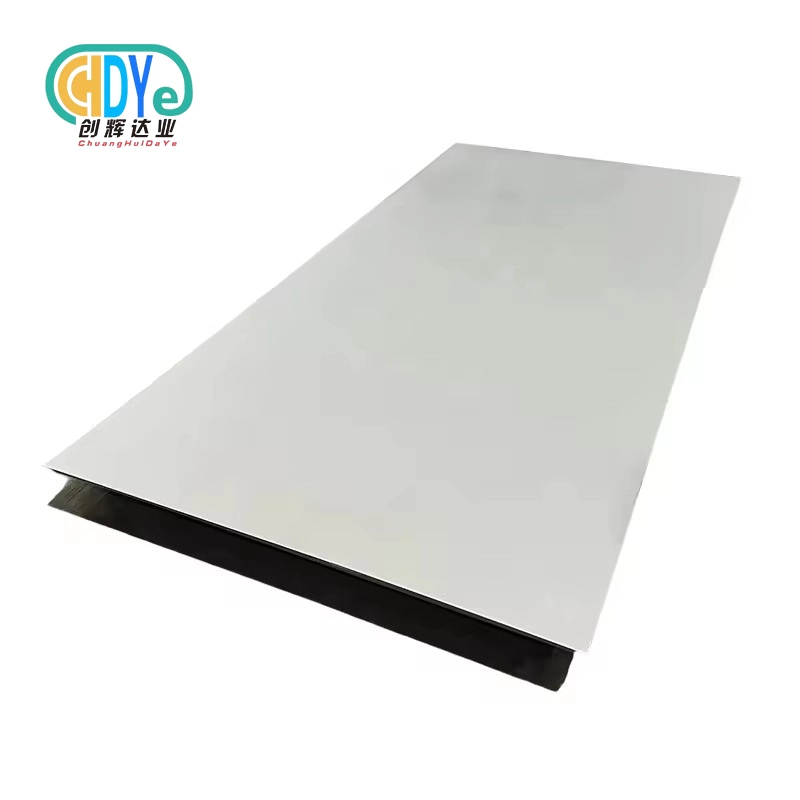
Understanding Titanium Plates – Key Properties and Applications
Titanium plates are a type of flat-rolled metal product that is made from titanium bars that have been through a lot of hot and cold rolling. These materials are now essential in many fields because they possess a unique mix of physical and chemical qualities that address specific technical problems.
Weight Reduction Without Compromising Strength
Titanium has a density of about 4.51 g/cm³, which is 45% lighter than steel, which has a density of 7.9 g/cm³. Engineers discuss the "weight penalty" problem in structure design, and this trait solves it. Manufacturers of aerospace products take full advantage of this benefit, since lighter planes use less fuel and can carry more cargo. Medical device makers also benefit because lighter implants make patients less uncomfortable during healing while still maintaining the structural stability needed for long-term use.
Corrosion Resistance That Extends Service Life
When titanium is exposed to air or water, it makes a passive oxide layer of titanium dioxide (TiO₂). It protects against salt, acidic substances, and chloride-rich conditions, which are bad for metals because they cause pitting and stress corrosion cracking. Companies that handle chemicals say that titanium heat exchangers and reactor tanks last three to five times longer than similar stainless steel equipment. This means that the overall costs are much lower, even though the original investment was higher.
Grade Selection Based on Application Requirements
Different types of titanium are used for various business tasks. From 240 MPa to 550 MPa, commercially pure grades (Grade 1 through Grade 4) offer rising strengths while still being easy to shape and join. These types are suitable for building materials and tools used in chemical processing. Grade 5 (Ti-6Al-4V), the basic titanium alloy, has a tensile strength of more than 895 MPa and stays structurally sound at temperatures up to 400°C. This makes it the best choice for high-performance industrial gear and structural parts for spacecraft. Grade 23 (Ti-6Al-4V ELI) is better for medical devices because it is biocompatible, and Grade 9 (Ti-3Al-2.5V) is a cheaper option for industrial tube systems that is only moderately strong.
Thermal Stability in Demanding Environments
Depending on the grade, titanium alloy plates keep their shape and mechanical qualities even when they are heated from freezing temperatures to 600°C. This thermal stability is crucial for jet engine parts that have to handle sudden changes in temperature and for tools used to make semiconductors, where exact measurements have a direct effect on the quality of the finished product.
Comparing Titanium Plates with Other Metals – Making the Right Choice
To choose the right metal for your project, you have to weigh its performance features against cost and environmental concerns. Understanding how titanium plates compare to other materials can help you make informed business decisions and ensure you get the best value for your money over time.
Titanium Versus Steel
Because it is cheap and easy to find, steel is still the material of choice for many building uses. Tensile strengths for carbon steel are between 400 and 550 MPa, and those for high-strength alloy steels can go over 1000 MPa. But the high density of steel (7.85 g/cm³) makes it much heavier when used for shipping. Even worse, steel rusts quickly in saltwater and chemical conditions if it doesn't have protection coats. This means that it costs more to maintain and will eventually need to be replaced. Titanium Grade 5 is as strong as or stronger than steel, but it's almost half the weight, and it doesn't rust in most work settings. When longer service life, less upkeep, and no need for protected protection systems are taken into account, titanium often has a lower total cost of ownership.
Titanium Versus Aluminum
With a mass of about 2.7 g/cm³, aluminum alloys are strong for their weight, which makes them popular in the transportation and aircraft industries. The material is easier to work with and costs a lot less than titanium. Titanium is better than aluminum in a number of ways, including its higher pure strength levels, higher temperature stability (aluminum loses strength above 150°C, while titanium keeps its qualities up to 400°C), and resistance to rust in oceanic and acidic environments. When the temperature is mild, airplane makers use aluminum for the skins of the body. However, they use titanium for engine parts, landing gear, and structural parts that will be under a lot of stress or high temperatures.
Titanium Versus Nickel Alloys
Nickel-based superalloys work really well at very high temperatures; they stay strong above 700°C, where titanium would break. These materials are used in most of the hot parts of gas engines and chemical processing equipment that works with aggressive chemicals at high temperatures. Nickel metals have a mass of about 8.2 g/cm³ and cost about the same as titanium or more. Titanium is a better choice for uses below 400°C that need to be resistant to rust and save weight. Most of the time, the highest temperature at which these materials can be used matters more than their cost.
Procurement Considerations for Titanium Plates
To buy titanium plates successfully, you need to pay close attention to choosing a seller, making sure the order meets your needs, figuring out prices, and planning your processes. By understanding these factors, you can avoid expensive delays and make sure that the quality of the materials meets the needs of the project.
Identifying Qualified Suppliers
Expert makers of titanium exist all over the world, mostly in places where rare metal businesses are already well-established. The Chinese city of Baoji, which is known as the "Titanium Capital," is home to many producers with decades of experience and a wide range of working options. Some of the certificates that well-known providers keep up to date are ASTM B265 for industrial plates, AMS 4911 for aircraft uses, and ISO 9001:2015 for quality management systems. When suppliers are qualified, these certifications are checked to make sure they are valid. This keeps fake goods out and makes sure that the paperwork used for tracking meets industry standards.
Minimum Order Quantities and Lead Times
Standard titanium plates in common grades and sizes usually have minimum order numbers between 100 and 500 kilos. However, sellers who work with research institutions and prototype development may be able to handle smaller orders. Lead times range a lot depending on how complicated the specifications are. It may take two to three weeks to ship stock sizes in common grades like widely pure grade 2 or grade 5 metal. Because of custom widths, unique surface finishes, or less common metal formulas, production schedules need to be changed so that shipping takes six to twelve weeks. For projects with tight dates, involving suppliers early on and being clear about time limits is beneficial
Pricing Factors and Budget Planning
Titanium plate prices depend on more than just the cost of the base material. Choosing the right grade has a big effect on price. For example, commercially pure grades usually cost 30–40% less than Grade 5 metal plates of the same size. Smaller plates (less than 3 mm) and bigger plates (more than 50 mm) are more expensive because they are harder to handle. Costs go up in direct relation to how hard the tests are. For example, aircraft standards that need ultrasound inspection, mechanical testing, and chemical analysis raise unit prices by 15–25% compared to market certifications. When you buy more, you can get quantity savings, making combined buying a good idea for big jobs. Getting quotes from several approved providers gives you a range of prices to compare, as well as information about how their wait times and minimum order requirements vary.
Delivery and Handling Considerations
Carefully pack titanium plates so that the surface doesn't get damaged while they're being shipped. Supply chains with a strong reputation use protection paper interleaving between plates, safe crating for bigger packages, and moisture shields for ocean freight. For international packages, you need the right export paperwork, like packing lists, business bills, and material certificates. Buyers should be clear about the shipping terms (FOB, CIF, DDP) during the negotiating process to avoid surprises and make sure that the person who is responsible for transportation insurance is understood. Before taking shipments, receiving inspection processes should check the shipments' measurements, surface state, and the truth of the certification documents.
How to Evaluate and Verify Titanium Plates' Quality?
Quality assurance methods keep buyers safe from low-quality materials that might hurt the performance of a product or put people at risk. Comprehensive proof includes looking over the paperwork, evaluating the source, and trying the titanium plates.
Essential Certification Standards
ASTM B265 is the main standard for titanium and titanium alloy plate, sheet, and strip in North America. It says what the chemical makeup limits are, what the mechanical property requirements are, and what the allowed measurement errors are for each grade. AMS (Aerospace Material Specifications) standards, like AMS 4911 for Ti-6Al-4V plate, are used in aerospace applications. These standards have tighter limits on intermediate parts and need more testing. Pressure tank makers need materials to meet ASME SB-265 standards, while medical uses need implant materials to meet ISO 5832 standards. Suppliers should provide Mill Test Certificates that show the results of heat-specific chemistry analysis, mechanical testing, and being able to trace back to the creation of the original ingot.
Material Testing and Verification
Testing by a third party shows that the materials given meet the standards of the design. Tensile testing checks the grade standards against the yield strength, maximum tensile strength, and stretch values. Hardness testing is a quick way to check the quality of something during the getting of a review. The numbers that are given correspond to the hardness traits. Corrosion resistance testing with salt spray or plunge tests proves that the inactive film is still intact. When used in important situations, ultrasonic testing can detect hidden cracks that could weaken the structure. Buyers who don't have their own testing facilities can hire third-party metallurgical labs to do proof testing. The costs for a full study are usually between 1% and 3% of the material's value.
Supplier Reputation and Track Record
Supplier background shows how reliable and consistent the quality is. Established producers with decades of experience show that their processes are stable and they know what they're doing. References from customers in similar businesses show how well the product works in real life in similar situations. Quality management system standards, such as ISO 9001:2015, show that processes are controlled in a planned way, but certification by itself doesn't ensure the quality of the goods. The warranty terms and practices for after-sales help show that the maker trusts the quality of the product. Suppliers who give expert advice, help with choosing materials, and problem-solving during product creation are worth more than just providing materials.
Final Tips for Choosing the Right Titanium Plates for Your Business
Strategic purchase of titanium plates strikes a balance between the needs of current projects and the needs of long-term operating goals. Choosing the right materials and getting along with suppliers can be made easier by thinking about a few things.
Industry-Specific Requirements
Aerospace companies prefer approved materials that can be fully tracked and have strict quality controls. They are willing to pay more for a compliance guarantee. Medical device makers need biodegradable grades that can be processed in a clean way and regulatory paperwork to back up their FDA applications. Chemical processing plants look for rust resistance data for certain media contact and prefer providers with knowledge in that area. Companies that make electronics need materials that are very pure, have stable supply lines that allow for just-in-time delivery, and have intermediate levels that can be managed. Mismatches that lead to safety risks or performance problems can be avoided by making sure that a supplier's skills match the needs of the business.
Balancing Cost and Performance
The initial cost of materials is only one part of the total costs of ownership. Higher-grade titanium that costs more may have better performance that lowers the need for upkeep, extends the time between replacements, or allows design improvements that make up for the extra cost of the material. A lifecycle cost study that includes the costs of buying, processing, installing, maintaining, and replacing something is a better way to compare values than just looking at the unit price. Sometimes, you have to make concessions because of a tight budget, but knowing about performance trade-offs keeps false economies from ruining the success of a project.
Building Supplier Partnerships
Transactional buying relationships are focused on quickly completing orders, while strategic partnerships work together to build value for both parties. Suppliers who care about their customers' success offer expert advice during the planning process, suggest ways to save money, speed up pressing orders, and offer good terms for large orders. Talking to providers about future projects on a regular basis helps them plan their capacity and material supply. Feedback on performance, including both praise and suggestions for improvement, helps providers provide better service. Having long-term ties with dependable sellers lowers the chance of buying things and speeds up the buying process.
Staying Current with Material Innovations
Titanium technology keeps getting better by making new alloys, treating them better, and using them in more situations. New metal formulas have better qualities for certain uses, like better performance at high temperatures or better shapeability. New design options are opened up by advanced production methods such as additive manufacturing and friction stir welding. New powers can be found in technical workshops, industry papers, and provider technical notices. Keeping up with these changes can help you come up with new goods and ways of doing things, and it can also keep older ideas from becoming useless.
Conclusion
To buy titanium plates successfully, you need to find a balance between technical requirements, the supplier's skills, quality guarantees, and cost. Knowing the features of a material, how to choose the right grade, and how it performs compared to other metals helps you make decisions that are right for the job. Thoroughly evaluating suppliers, communicating clear specifications, and checking the quality of everything protect against material flaws and make sure that industry standards are met. Your company will have a long-term competitive edge in difficult uses where titanium's unique qualities offer measured value if you work together with your suppliers and stay up-to-date on new materials.
FAQ
Q: What grade of titanium plate should I choose for chemical processing equipment?
A: Grade 2 widely pure titanium works well in most chemical processing tasks because it doesn't corrode easily in acidic acids, salt solutions, or organic substances when the temperature is below 300°C. This grade has a tensile strength of about 345 MPa and can be easily shaped to make tanks and heat exchangers. In harsher settings with reducing acids or high temperatures, Grade 7 (which has palladium added to make it more resistant to rust) or Grade 12 (which has molybdenum and nickel added to it) may be needed. Talking to experts on the material about specific chemical exposure conditions is the best way to make sure you choose the right grade for your titanium plates.
Q: How do I verify the authenticity of titanium plate certifications?
A: Real Mill Test Certificates have heat numbers that can be linked to specific production runs, a chemical makeup analysis that shows all the elements that were asked for, mechanical test results from the real production lot, and the name of the maker with their official signature. Compare the heat numbers on the marks on the material with the information on the certificate. Ask the seller to provide inspection reports from reputable testing labs that were done by a third party. Verification testing done by a third party on received materials proves the qualities that were stated. Having ties with approved providers lowers worries about authenticity by ensuring consistent quality delivery.
Q: What surface finishes are available for titanium plates?
A: The sides of hot-rolled titanium plates are scaled, which needs to be removed for most uses. Pickled finishes use acid to get rid of metal scale, leaving behind clean gray surfaces that can be used for welding and making. Cold-rolled plates have smoother sides and better standards for size. Polished surfaces from 2B (bright annealed) to mirror shine are used in architecture and food processing to meet standards for looks or ease of cleaning. When it's important for the binding of a coating or the performance of a covering against wear, specific surface roughness values can be given.
Partner with Chuanghui Daye for Reliable Titanium Plate Supply
With more than 30 years of experience in the rare metals business, Shaanxi Chuanghui Daye is ready to help you with your titanium plate needs. Our ISO 9001:2015-certified factory is in Baoji, China, which is known as the "Titanium Capital." It makes widely pure alloy grades from Grade 1 to Grade 23 that are treated to your exact specifications for plates, rods, tubes, and precision machined parts. Our high-tech electron beam melting, rolling, and cutting tools make sure that the quality is always the same, and our thorough material testing and full tracking paperwork give customers the trust that they need for mission-critical uses. If you need adjustable small-batch development for research projects or large-scale production runs, our expert team can help you quickly and offer competitive factory-direct prices. Get in touch with our experts at info@chdymetal.com to talk about your project needs and see for yourself why Chuanghui Daye is a trusted provider of titanium plates to companies around the world that work in aerospace, medicine, chemical processing, and industrial manufacturing.
References
1. Boyer, R., Welsch, G., & Collings, E.W. (1994). Materials Properties Handbook: Titanium Alloys. ASM International, Materials Park, Ohio.
2. Donachie, M.J. (2000). Titanium: A Technical Guide, 2nd Edition. ASM International, Materials Park, Ohio.
3. Schutz, R.W. & Watkins, H.B. (1998). Recent developments in titanium alloy application in the energy industry. Materials Science and Engineering A, 243(1-2), 305-315.
4. Veeck, S. & Kreysa, G. (1999). Corrosion resistance of titanium materials in aggressive media. Materials and Corrosion, 50(3), 134-141.
5. ASTM International (2020). ASTM B265-20: Standard Specification for Titanium and Titanium Alloy Strip, Sheet, and Plate. West Conshohocken, Pennsylvania.
6. Peters, M., Kumpfert, J., Ward, C.H., & Leyens, C. (2003). Titanium alloys for aerospace applications. Advanced Engineering Materials, 5(6), 419-427.
Learn about our latest products and discounts through SMS or email