- English
- French
- German
- Portuguese
- Spanish
- Russian
- Japanese
- Korean
- Arabic
- Greek
- German
- Turkish
- Italian
- Danish
- Romanian
- Indonesian
- Czech
- Afrikaans
- Swedish
- Polish
- Basque
- Catalan
- Esperanto
- Hindi
- Lao
- Albanian
- Amharic
- Armenian
- Azerbaijani
- Belarusian
- Bengali
- Bosnian
- Bulgarian
- Cebuano
- Chichewa
- Corsican
- Croatian
- Dutch
- Estonian
- Filipino
- Finnish
- Frisian
- Galician
- Georgian
- Gujarati
- Haitian
- Hausa
- Hawaiian
- Hebrew
- Hmong
- Hungarian
- Icelandic
- Igbo
- Javanese
- Kannada
- Kazakh
- Khmer
- Kurdish
- Kyrgyz
- Latin
- Latvian
- Lithuanian
- Luxembou..
- Macedonian
- Malagasy
- Malay
- Malayalam
- Maltese
- Maori
- Marathi
- Mongolian
- Burmese
- Nepali
- Norwegian
- Pashto
- Persian
- Punjabi
- Serbian
- Sesotho
- Sinhala
- Slovak
- Slovenian
- Somali
- Samoan
- Scots Gaelic
- Shona
- Sindhi
- Sundanese
- Swahili
- Tajik
- Tamil
- Telugu
- Thai
- Ukrainian
- Urdu
- Uzbek
- Vietnamese
- Welsh
- Xhosa
- Yiddish
- Yoruba
- Zulu
What Are the Benefits of Straight Titanium Wire?
Straight titanium wire offers exceptional advantages, including a superior strength-to-weight ratio, outstanding corrosion resistance, and biocompatibility that make it invaluable across aerospace, medical, and industrial applications. Unlike conventional coiled wire, this precision-engineered material eliminates elastic memory and provides dimensional stability essential for automated manufacturing systems. The unique combination of lightweight properties, chemical inertness, and mechanical reliability delivers long-term value through reduced maintenance costs and extended service life in demanding environments.
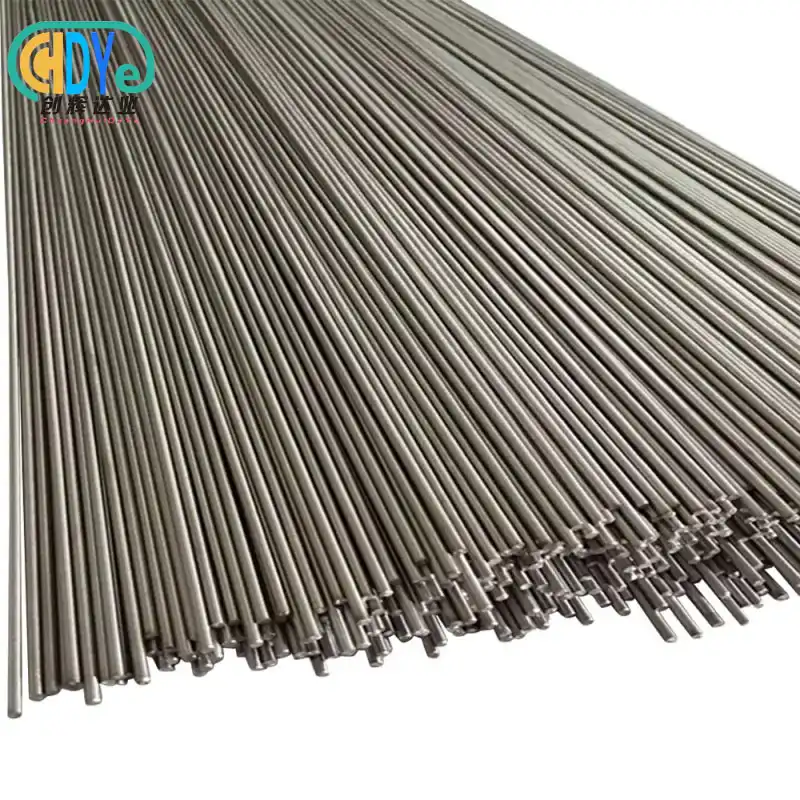
Understanding Straight Titanium Wire: Properties and Specifications
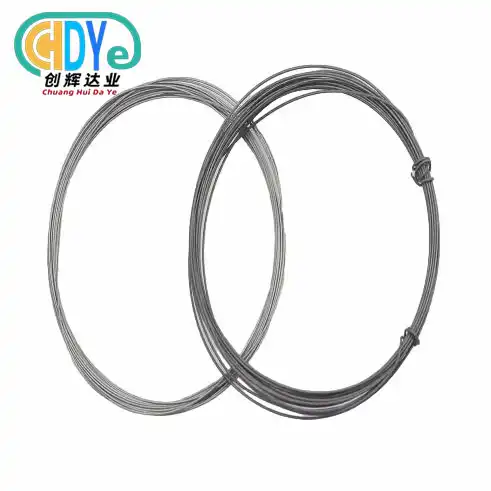
Titanium wire is a unique example of how fine engineering and excellent material science can work together to make something amazing. This high-performance material goes through complex drawing and bending steps that turn raw titanium into a straight, stress-relieved product that is very accurate in its dimensions. The manufacturing process gets rid of the "cast and helix" properties that come with twisted materials. This makes a wire that stays perfectly straight even in harsh working conditions.
Advanced Manufacturing Process and Quality Control
There are several steps used to make sure that the quality and performance of luxury titanium wire are always the same. Advanced vacuum melting technology makes the material's nanoscale uniform throughout, and multiple passes of drawing make sure that the dimensions are exact. The next step is to straighten the material using special equipment that uses controlled mechanical forces to get rid of internal stresses without changing the structural qualities of the material. Baoji is known as China's "Titanium Capital," and its factories use decades of specialized knowledge to make wire that meets strict international standards, such as ASTM B863 for industry uses and ASTM F136 for medical uses. After the material is straightened, it goes through a controlled melting process that makes sure it is the right mix of strong and workable.
Grade Specifications and Material Properties
For certain uses, different types of titanium are better than others. Grade 1 is the most flexible and resistant to rust, so it's perfect for chemical handling settings where flexibility is very important. It is the main material for general industrial uses because Grade 2 is a great mix of strength and versatility. Grade 5 (Ti-6Al-4V) has strength qualities that are very close to those of steel, but it still has the lightweight benefit that titanium is known for. Titanium is different from common materials like stainless steel or aluminum because it has a better strength-to-weight ratio. The density of straight titanium wire is about 4.51 g/cm³, which means it has the same mechanical strength as steel but weighs 43% less. This is very useful in aerospace and automotive uses, where less weight means better fuel economy and performance.
Practical Uses and Applications of Straight Titanium Wire
Materials used in modern manufacturing need to be able to resist harsh conditions and keep their exact dimensions. Titanium wire works great in places where other materials wouldn't work, and it can be used for a lot of different things that aren't related to metal. The aerospace business gets the most from its unique set of properties that meet important efficiency and safety standards.
Aerospace and Defense Applications
In the aircraft industry, straight titanium wire is an important raw material for additive manufacturing processes, especially Wire Arc Additive Manufacturing (WAAM) systems that make large structural parts. The material's constant thickness and surface finish ensure that the arc stays stable during welding, which stops holes and other flaws that could weaken the structure. Titanium wire is used in defense applications because it is nonmagnetic and can be used in sensitive computer systems and instruments where electromagnetic interference needs to be kept to a minimum. Because the material can keep its mechanical qualities at high temperatures, it is very useful for parts that have to work in harsh circumstances.
Medical Device Manufacturing
Titanium wire is biocompatible, which is important for medical device makers who make orthopedic implants, dental parts, and surgical tools. The inert nature of the material stops harmful biological reactions, and its radiolucent qualities make imaging during medical treatments possible. Titanium wire is used to make Kirschner wires, spine stabilization devices, and bone plates that are stable over time without the risks that come with ferromagnetic materials. Because straight titanium wire is so accurate, it doesn't need to be straightened again, which could cause stress clusters or surface flaws. This increased efficiency in making means that medical gadget makers can make better products at lower prices.
Industrial and Chemical Processing
Chemical working settings have their own problems that titanium wire can solve by being very resistant to corrosion. The material works consistently in strong acids, alkalis, and seawater, all of which would quickly wear down stainless steel options. The chemical inertness of titanium helps electroplating processes because it keeps plating pools clean and provides great electrical conductivity.
Comparative Insights: Titanium Wire vs Alternatives
When choosing a material, it's important to look at its performance, its prices over its lifetime, and its operating needs. When you look at the total cost of ownership, titanium wire often makes up for its higher price by being a better long-term value. When procurement workers know about these comparative benefits, they can make choices that are best for both performance and price.
Performance Under Mechanical Loads
When loaded and unloaded many times, straight titanium wire shows great fatigue resistance, beating stainless steel and aluminum options in high-stress situations. The elastic modulus of the material makes it the perfect spring for uses that need controlled bending qualities. Titanium slowly gives way, giving you a sign before it finally breaks, unlike weak materials that break in a big way. Controlled manufacturing methods create a microstructure that is regular. This makes sure that the wire's mechanical traits are the same across its cross-section. This dependability is very important in automatic production systems where differences in materials can lead to issues with feeding or finished parts that aren't the right size.
Environmental Resistance and Durability
Titanium's passive oxide layer naturally protects against rusting from the air, so it doesn't need protective coats that are bulky and heavy. This natural resistance to corrosion makes the product last longer in marine areas, chemical processing plants, and outdoor settings where upkeep is hard to get to. Another big benefit over regular materials is that they don't change much with temperature. Aluminum metals lose their strength quickly when heated, but titanium stays mechanically sound up to 600°C. This makes it useful in high-temperature settings where weight savings are still important.
Total Cost of Ownership Analysis
The original cost of titanium is higher than that of other materials, but the longer service life and lower upkeep needs often make the total cost of ownership lower. Getting rid of protective layers, lowering the number of times the system needs to be replaced, and making it more reliable are all long-term economic benefits that make the higher investment worth it.
Best Practices for Handling and Maintenance
Handling straight titanium wire in the right way will make it last longer and work better, and it will also keep it from getting damaged, which could ruin its special properties. Understanding these needs makes sure that the best results are achieved during production and that the material's natural benefits are kept throughout its useful life.
Storage and Environmental Considerations
Titanium wire needs to be stored in a controlled way that keeps it from getting dirty or damaged. The surface finish of the material is protected by clean, dry surroundings, and proper support systems stop movement that could cause stress concentrations. Controlling the temperature stops the mist that could damage the surface quality. This is especially important for uses that need to join or machine precisely. When handling things, you should keep them away from metal materials because they could contaminate them with iron, which could cause galvanic rusting while they're in use. Dedicated storing and tooling systems keep materials pure, which is important for medical and military uses where pollution could be very bad.
Processing and Machining Guidelines
When the right conditions are used, titanium is very easy to machine, which is good for machining processes. Sharp cutting tools, the right speeds and feeds, and enough water flow keep the work from getting too hard, which could affect the next steps in the making process. Because the material doesn't conduct heat well, it needs to be carefully managed during cutting to keep the dimensions accurate. For welding, the wire sides must be clean, free of any drawing oils or oxides that could make the wire porous or weaken it with hydrogen. Chemical cleaning or mechanical polishing gets rid of surface dirt while keeping the exact measurements needed for automatic feeding systems.
Procurement Guide: How to Buy Straight Titanium Wire with Confidence
To buy straight titanium wire successfully, you need to know what the suppliers can do, what the quality standards are, and how to handle transportation in a way that keeps the supply chain running smoothly. Effective methods for evaluating suppliers to lower risk and get materials that meet strict performance standards.
Supplier Evaluation and Certification Requirements
Quality control starts with choosing a supplier based on their manufacturing skills, quality systems, and expert help resources. Getting ISO 9001:2015 approval shows that you are committed to quality control systems that make sure the quality of the product stays the same and that you can track it all the way through the manufacturing process. The site of the factory is very important for the dependability and cost-effectiveness of the supply chain. Suppliers in well-known titanium production hubs benefit from specialized facilities, a skilled workforce, and supply chain integration, all of which lead to better quality and delivery performance.
Technical Specifications and Sample Evaluation
Specifications must be very detailed and include things like allowed tolerances for size, required surface finish, straightness standards, and mechanical qualities that are needed for certain uses. It's important to be clear about the custom diameter, length, and surface treatment standards so that the seller can understand and follow them. By evaluating samples, you can be sure of the supplier's skills and the performance of the materials before making big purchases. To make sure materials meet the needs of the application, they should be tested for their mechanical properties, their dimensions, and the quality of their surfaces.
Logistics and Supply Chain Optimization
Knowing about minimum order amounts, wait times, and shipping issues helps with planning production and keeping track of inventory. Using bulk buying techniques can help you save money while still keeping enough safety stock to keep your business running. The way the wire is packed and shipped must keep it from getting bent or dirty while it's in transit. Following quality standards and legal requirements is easy when you have the right paperwork, like material certificates, test results, and records of where the materials came from.
Conclusion
The advantages of straight titanium wire go far beyond the typical characteristics of the material, providing answers to pressing industrial issues. Its unique mix of strength, resistance to rust, and biocompatibility, along with its precise engineering that makes processing easy, makes it a very useful material for tough jobs. There are strong economic reasons to invest in this high-quality material because it has better performance traits, requires less upkeep, and lasts longer. Straight titanium wire provides dependable performance that meets the exacting requirements of today's most difficult uses, whether it's assisting in aerospace innovation, allowing medical breakthroughs, or improving industrial processes.
FAQ
Q: What makes straight titanium wire different from regular coiled wire?
A: Specialized methods are used to straighten titanium wire, which gets rid of the elastic memory that comes with twisted materials. This stress-relieved state stops spring-back during cutting and keeps the dimensions stable in automatic manufacturing systems. The straight shape gets rid of feeding issues that come up with coiled wire and makes it easier to center for precise uses.
Q: Which titanium grade is best for my specific application?
A: How you choose your grades depends on your needs. For chemical uses, Grade 1 is the best when it comes to resistance to rust and shapeability. Grade 2 is great for general-purpose use because it is strong and easy to work with. Grade 5 (Ti-6Al-4V) is the strongest and is best for aircraft and high-stress situations where weight reduction is important.
Q: How does titanium wire compare to stainless steel in corrosive environments?
A: Compared to stainless steel, titanium wire is better at resisting rust, especially in chloride settings, strong acids, and seawater. The inactive oxide layer naturally protects the steel without the pitting and crevice corrosion that can happen in harsh settings.
Q: What surface finishes are available for straight titanium wire?
A: As-drawn, centerless ground, chemically pickled, and mirror polished are some of the surface finishes that can be chosen. Centerless ground finishes let you precisely control the dimensions for Swiss screw machine uses. Chemical pickling gets rid of oxides on surfaces so they can be used for welding. Mirror cleaning improves both the way something looks and its resistance to contamination.
Q: Can straight titanium wire be customized for specific length requirements?
A: Yes, straight titanium wire can be cut to any length between 500 mm and 3000 mm to fit the needs of the purpose. You can get extra services, like chamfering, drilling, and special end preparations, to make the material work best for your industrial processes.
Partner with Chuanghui Daye for Premium Straight Titanium Wire Solutions
Shaanxi Chuanghui Daye is a reliable company that makes straight titanium wire. They make materials that are precisely designed to meet the exact needs of modern industry. Our cutting-edge Baoji plant uses more than 30 years of specialized knowledge to make wire that is always straight and meets the highest standards of quality. We make sure that every package exactly meets your needs with ISO 9001:2015 approval and full quality control systems. Please email our technical team at info@chdymetal.com to talk about your unique needs and find out how our advanced production skills can help your next project with reliable, high-performance titanium wire solutions.
References
1. Boyer, R.R., Welsch, G., & Collings, E.W. "Materials Properties Handbook: Titanium Alloys." ASM International, Materials Park, Ohio.
2. Donachie, Matthew J. "Titanium: A Technical Guide, 2nd Edition." ASM International Technical Publications.
3. Peters, M., Hemptenmacher, J., Kumpfert, J., & Leyens, C. "Structure and Properties of Titanium and Titanium Alloys." Wiley-VCH Verlag GmbH.
4. American Society for Testing and Materials. "ASTM B863-14: Standard Specification for Titanium and Titanium Alloy Wire." ASTM International Standards.
5. Lutjering, G., & Williams, J.C. "Titanium: Engineering Materials and Processes." Springer-Verlag Berlin Heidelberg.
6. Rack, H.J., & Qazi, J.I. "Titanium Alloys for Biomedical Applications." Materials Science and Engineering C, Biomimetic and Supramolecular Systems.

Learn about our latest products and discounts through SMS or email