- English
- French
- German
- Portuguese
- Spanish
- Russian
- Japanese
- Korean
- Arabic
- Greek
- German
- Turkish
- Italian
- Danish
- Romanian
- Indonesian
- Czech
- Afrikaans
- Swedish
- Polish
- Basque
- Catalan
- Esperanto
- Hindi
- Lao
- Albanian
- Amharic
- Armenian
- Azerbaijani
- Belarusian
- Bengali
- Bosnian
- Bulgarian
- Cebuano
- Chichewa
- Corsican
- Croatian
- Dutch
- Estonian
- Filipino
- Finnish
- Frisian
- Galician
- Georgian
- Gujarati
- Haitian
- Hausa
- Hawaiian
- Hebrew
- Hmong
- Hungarian
- Icelandic
- Igbo
- Javanese
- Kannada
- Kazakh
- Khmer
- Kurdish
- Kyrgyz
- Latin
- Latvian
- Lithuanian
- Luxembou..
- Macedonian
- Malagasy
- Malay
- Malayalam
- Maltese
- Maori
- Marathi
- Mongolian
- Burmese
- Nepali
- Norwegian
- Pashto
- Persian
- Punjabi
- Serbian
- Sesotho
- Sinhala
- Slovak
- Slovenian
- Somali
- Samoan
- Scots Gaelic
- Shona
- Sindhi
- Sundanese
- Swahili
- Tajik
- Tamil
- Telugu
- Thai
- Ukrainian
- Urdu
- Uzbek
- Vietnamese
- Welsh
- Xhosa
- Yiddish
- Yoruba
- Zulu
Which titanium rod for sale Is Best for High-Performance Use?
There are many titanium rods for sale on the market around the world. It depends on what you need; which one is best for you. Ti-6Al-4V bars of Grade 5 are best for high-performance cases because they can handle heat up to 400°C, have a tensile strength of 895–950 MPa, and don't rust. Chemical processes, on the other hand, choose Grade 2 because it's easy to make and doesn't react badly with media that are strong oxidisers. Still, Grade 23 (Ti-6Al-4V ELI) is chosen by companies that make medical devices because it is safe for living things. If you want to buy a titanium rod, make sure it has the ASTM B348 or AMS 4928 mark on it. This will show that the information is consistent and can be found. So you can finish your job on time and on budget, the right service should offer different sizes, proper paperwork, and low factory-direct prices.
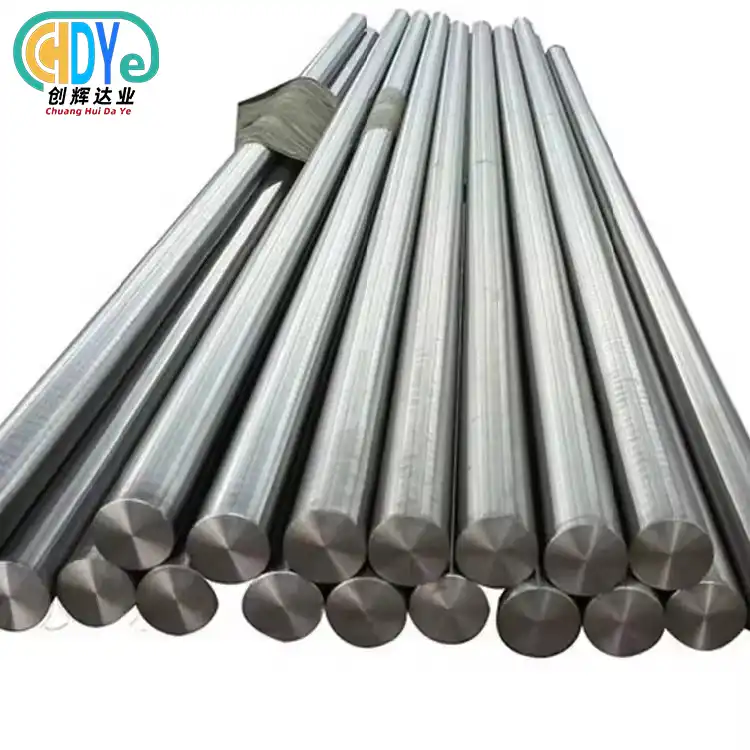
Understanding Titanium Rods: Properties and Grades for High-Performance Use
Titanium rods are now needed in a lot of different fields, like naval engineering, chemical processing, aircraft manufacturing, and the making of medical devices. This is due to the fact that titanium can handle rough conditions better than other metals. Procurement teams can make smart choices that affect the project's success and long-term costs when they know the main differences between titanium types.
Core Properties That Define High-Performance Titanium Rods
Titanium is great because it is strong for how light it is. Titanium rods are not only lighter than steel bars, but they are also just as stable. They are much less dense than steel, with a mass of only 4.51 g/cm³ roughly. Aerospace engineers like this because it helps them use less fuel, and medical implant makers like it because it makes patients more comfortable without losing support.
Another important efficiency factor is resistance to corrosion. Titanium has a solid layer of titanium dioxide (TiO₂) on its surface that can fix itself if it gets damaged. Because of this, it can handle seawater, chlorides, acids, and alkaline solutions very well. Because of this passive oxide film, you don't need to add any other treatments or coats. This makes the part last longer and cost less to keep up. This built-in safety is what chemical companies that use rough media count on to keep their tools in good shape for a long time.
Common Titanium Grades and Their Applications
There are two grades of titanium: Grade 1 and Grade 2. These grades are made of at least 99.5% titanium and no other metals. This makes them very bendy and simple to shape. Grade 1 is better for cold working and great for deep drawing because it has an air level of no more than 0.18%. Grade 2 has up to 0.25% more oxygen than Grade 1, which makes it a little stronger while still being very resistant to rust. Both types are used in parts of heat exchangers, chemical processing equipment, and marine equipment that don't need to be very strong but do need to be easy to make.
Grade 5 (Ti-6Al-4V): About half of all the titanium used in the world is made of this strong metal. When 6% aluminium and 4% vanadium are added, the tensile strength goes up to at least 895 MPa and the yield strength goes over 828 MPa. This makes a microstructure with two phases, called alpha and beta. Grade 5 is used to make engine parts, landing gear, and structural parts for aeroplanes. It is very easy to weld, and solution cleaning and ageing can make its qualities even better.
People who make medical equipment, like titanium rod for sale use Grade 23 (Ti-6Al-4V ELI, or Extra Low Interstitial) because it reduces the amount of oxygen, nitrogen, and carbon in the metal. This makes it harder to break and less likely to spread cracks. It can osseointegrate with bone tissue and is safe, which means it can be used for oral parts, surgical implants, and orthopaedic devices.
Performance Comparisons with Alternative Materials
It is said that Grade 5 titanium rods have the same tensile strength as high-strength alloys, but they are 45% lighter than 316L stainless steel. Even though aluminium alloys like 7075-T6 are lighter, they can't compare to titanium when it comes to resistance to corrosion at high temperatures or in harsh chemical environments. Titanium costs three to five times more than stainless steel at first, but it's worth the extra money because it will last longer, need less upkeep, and won't need any coats to protect it.
Titanium Rod vs Other Metal Rods: Making an Informed Choice
When you decide to buy something, you need to think about more than just the initial price. When global buyers understand lifecycle costs, performance boundaries, and market dynamics, they can choose the best materials for their projects.
Strength and Weight Considerations
Titanium's elasticity is about 114 GPa, which is in the middle of aluminium (69 GPa) and steel (200 GPa). Because of the way it springs back, it is useful for closures. Medical implants offer lower stress protection because they are less stiff. This lets the bone around them take on more natural loads. It is important for structural engineers to take this trait into account so that parts don't bend too much when they are working.
Different types of high-strength steel and aerospace-grade aluminium metals are not as strong as Grade 5 titanium bars. Firms that make aeroplanes replace steel parts with titanium ones that are lighter. This directly leads to better fuel efficiency or higher payload capacities. These benefits add up to a lot when planes are used for a long time.
Corrosion Resistance and Environmental Durability
A protective oxide layer forms on stainless steel rods based on the amount of chromium (16–18%) they contain. But in places where there is a lot of salt, this layer breaks down, which causes pitting and fissure rust. Stainless steel marine equipment often breaks down in salt water, which is very expensive to fix. Titanium's oxide film stays stable in pH ranges from 1 to 14. To put it another way, it protects well even in strong acidic or basic situations.
Even after being anodised, aluminium metals rust quickly in salt water, which limits their use in marine settings. In chemical companies that use acidic media, Ti-6Al-4V rods last 10 to 20 years, but cleaned steel rods may only last 2 to 3 years. Longer replacement times cut down on both downtime and the cost of repair labour by a large amount.
Cost Analysis and Market Pricing Trends
Titanium rod prices change on the market based on how much it costs to process raw sponge titanium and how much it is available. Titanium rods of Grade 2 that are sold in stores usually cost between $18 and $25 per kilogram as of 2024. Prices for Grade 5 metal bars range from $25 to $35 per kilogram, based on how many you order and what size you need. 316L stainless steel rods cost about $4 to $6 per kilogram, so the difference in price at the start is about 400% to 600%.
Lifecycle cost study, on the other hand, paints a better picture. Titanium parts that don't need to be coated, treated on the outside, or replaced often will sometimes have a lower total cost of ownership after 15 to 20 years of use. When you buy in bulk from reputable sellers, the price per unit can drop by 15–20%. This makes titanium economically viable for high-volume uses.
How to Choose the Best Titanium Rod for Your High-Performance Project
Selecting the optimal titanium grade and supplier requires a close look at technical needs, certification standards, and vendor capabilities.
Evaluating Critical Performance Criteria
Tensile Strength Requirements: Most aerospace structural parts need to have tensile strengths of at least 895 MPa. This means that Grade 5 or higher beta alloys should be used for the material. Grade 2 has a tensile strength of 345 MPa, which means it can be used in chemical handling equipment that isn't under too much stress. It's also easier to shape and weld.
Corrosion Environment Characterisation for titanium rod for sale: Giving the right grade depends on how well you describe the work environment. Increasing acids, such as hydrochloric acid, are very rough on titanium, so it may need different materials or inhibitors. Oxidising conditions are good for all types of titanium. For temps above 400°C, you need special metals that don't creep as easily.
Machinability and Fabrication Needs: Titanium doesn't conduct heat well (about 7 W/m·K compared to 50 W/m·K for steel), so it gets very hot when it's being machined. Machine shops need to use the right coolant, cutting speeds, and materials for their tools. It is easier to machine Grade 2 than Grade 5, which changes the cost of making things and the time it takes to make things with complicated shapes.
Importance of Material Certifications and Documentation
Suppliers you can trust give full mill test records for every output lot that show the chemical make-up, mechanical qualities, and history of heat treatment. For business use, certifications like ASTM B348 are used. For aircraft parts, AMS 4928 is used, and for medical devices, ISO 5832-2 is used. Traceability paperwork that connects finished rods to the original ingot melts lets engineers figure out what went wrong if something goes wrong in the field.
A supplier's ISO 9001:2015 approval shows that they are dedicated to quality management systems that include checking materials, keeping an eye on the production process, and testing everything thoroughly at the end. Aerospace manufacturers often need to be certified to AS9100, which adds industry-specific quality standards for safety-critical parts.
Grade Recommendations by Industry Sector
Aerospace and Defence: Grade 5 (Ti-6Al-4V) is still the best choice for landing gear, airframe parts, and fasteners. It is strong, doesn't wear down easily, and can be welded, so it meets strict standards for certification. For better wear performance, Grade 9 (Ti-3Al-2.5V) may be used for important spinning parts.
Medical Device Manufacturing: Grade 23 (Ti-6Al-4V ELI) is the standard for internal devices because it is more biocompatible and less likely to break. Its osseointegration properties and ability to be sterilised make it useful for surgical instruments and dental implants.
Chemical Processing Equipment: Grade 2 commercially pure titanium is less expensive than alloy grades and has better corrosion resistance in oxidising environments. It can be shaped into complicated shapes and is long-lasting in acidic media, which is why heat exchangers, reaction tanks, and pipe systems use it.
Where and How to Buy Titanium Rods for Sale: Procurement Strategies for B2B Clients
Efficient sourcing requires understanding distribution channels, supplier evaluation criteria, and negotiation strategies that secure competitive pricing without compromising quality.
Available Purchasing Channels
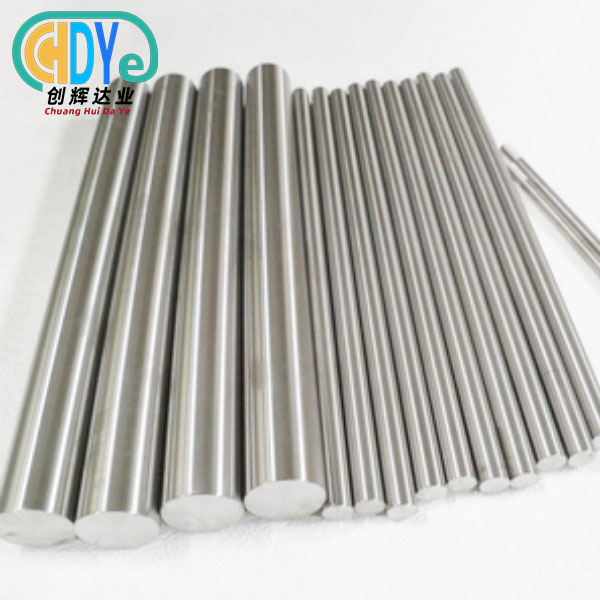
Direct Manufacturers: Getting titanium rods directly from factories has many benefits, such as prices that are lower, the ability to make changes, and professional help from experts in the field. From melting to finishing, manufacturers in Baoji, China—which is known around the world as the "Titanium Capital"—can do it all. This kind of vertical integration makes sure that quality control happens at every stage of production and lets you make quick prototypes and batches of different sizes. When you work directly with manufacturers, you can get custom diameter sizes (6mm to 300mm), length needs (up to 6000mm), and surface finish choices like polished, pickled, or machined designs.
Wholesale Distributors: Distributors keep standard sizes and grades in stock, which lets them deliver items faster when they need to. This route works well for buyers who need items right away and don't need to be customised. However, pricing includes distribution markups typically ranging from 20–35% above manufacturer direct costs.
Material brokers connect buyers with sellers of extra inventory or used goods on the secondary market who are willing to sell them at a discount. This route has a higher risk when it comes to the accuracy of the license and the ability to track down materials, so suppliers must be carefully screened.
Evaluating Supplier Reliability and Credibility
Evaluation of a supplier starts with an evaluation of the certification portfolio. Beyond ISO 9001:2015 quality management certification, aerospace suppliers should demonstrate AS9100 compliance, while medical material suppliers need ISO 13485 certification. Ask for pictures of current certificates and use the records of the granting certification body to make sure they are still valid.
Production capability verification makes sure that suppliers have the right tools for the job, such as vacuum arc remelting (VAR) furnaces for making ingots, precision forging equipment for controlling grain structure, and high-tech testing tools like spectrometers and ultrasonic flaw detectors for analysing composition. Audits of facilities make sure that the claimed skills fit what can actually be done.
Delivery performance data gives information about supplier dependability. Request reference contacts from current customers in similar businesses and ask about on-time delivery rates, quality stability, and response to technical concerns. Suppliers with established track records spanning multiple years demonstrate operational stability.
Negotiation Strategies and Bulk Order Benefits
Volume agreements open major cost savings through economies of scale in melting, casting, and finishing processes. When compared to spot market prices, annual supply deals that promise minimum buy amounts often get savings of 12 to 18%. These contracts also protect supply chains from changes in the market and shortages of materials.
Negotiating payment terms is a good way to manage cash flow and build relationships with suppliers. Standard terms of Net 30 or Net 60 days help with operating capital, and early payment rates (usually 2% for payment within 10 days) lower the cost of materials for buyers who have a lot of cash on hand.
Technical support services are worth a lot more than their price alone. Suppliers who give mechanical advice, help with choosing materials, and provide application engineering services lower development risks and speed up time to market. These services set luxury providers apart from common vendors.
Supplier and Brand Insights: Trusting Your Titanium Rod Provider
Building long-term partnerships with reliable titanium suppliers protects supply chain continuity and ensures consistent material quality across multiple projects.
Importance of Certifications and Brand Reputation
Quality certifications for titanium rods for sale are checks by a third party that make sure the manufacturing skills and process controls are correct. Getting ISO 9001:2015 certification shows that you take a systematic approach to managing quality and making improvements all the time. Aerospace companies that have AS9100 approval are looked at more closely when it comes to meeting higher standards for product safety, configuration management, and risk assessment.
Material standards like ASTM B348, AMS 4928, and ISO 5832-2 spell out the limits on chemical makeup and mechanical property requirements that make sure that each production run is the same. When suppliers include full mill test records with every package, buyers can make sure that the materials are conformant before they go into production.
Comparing Major Market Players
In the global titanium market, there are a number of well-known companies that have been in business for decades. The American company TIMET (Titanium Metals Corporation) is a specialist in aerospace-grade materials. It has a wide range of certifications and processes, all the way through to finished goods. ATI (Allegheny Technologies Incorporated) can work with a wide range of materials, including special alloys for tough jobs.
Manufacturers in Baoji, Shaanxi Province, China, take advantage of the fact that there are a lot of experts and facilities in the area that can handle titanium. This lets them offer reasonable prices while still meeting international quality standards. Companies like Shaanxi Chuanghui Daye Metal Material Co., Ltd. have over 30 years of experience in the field, are certified by ISO 9001:2015, and use modern manufacturing tools like electron beam ovens and precise cutting.
Identifying Red Flags and Recognizing Reliable Partners
When evaluating a supplier, red flags include refusing to give tours of the facility or proof of production capabilities, not being able to provide full material certifications, or prices that are much lower than the market average and suggest lower quality. For important uses, suppliers who don't have established quality control systems or who refuse third-party checks pose too many risks.
Reliable partners are open and honest during the qualification process, are happy to give customer references, and keep communication clear about lead times and capacity limits. They also take care of quality issues before they become problems. Long-term relationships with suppliers based on trust are more valuable than buying things on the spot market based only on the lowest price per unit.
Conclusion
To choose the best titanium rod for high-performance uses, you have to balance the qualities of the material, the needs of the use, and the supplier's abilities. Most aerospace and industrial needs can be met by Grade 5 Ti-6Al-4V. Grade 2 commercially pure titanium works well in harsh chemical environments, and Grade 23 ELI meets standards for medical devices that are biocompatible. Aside from choosing the right grade, the success of a project depends on working with certified suppliers who offer full technical support, the ability to make changes, and strict quality documentation. The higher price at first for titanium is justified by its longer service life, lower maintenance needs, and better performance in tough working conditions. To build strong supply chains that support long-term business goals, global procurement teams should give priority to suppliers that show they have ISO 9001:2015 certification, clear manufacturing processes, and a history of on-time deliveries.
FAQ
Q: Which titanium grade works best for aerospace structural components?
A: Grade 5 (Ti-6Al-4V) remains the aerospace industry standard for structural applications due to its optimal balance of tensile strength (minimum 895 MPa), fatigue resistance, and weldability. This alpha-beta alloy meets AMS 4928 specifications required by major aircraft manufacturers and offers excellent performance at temperatures up to 400°C. Its heat-treatability through solution treatment and aging allows further property optimization for specific loading conditions.
Q: How does titanium corrosion resistance compare to stainless steel?
A: Titanium substantially outperforms stainless steel in chloride-rich environments like seawater, where stainless steel suffers pitting and crevice corrosion. The stable titanium dioxide surface layer remains protective across pH ranges from 1 to 14, while stainless steel's chromium oxide film breaks down in acidic or high-chloride conditions. Chemical processing facilities report 10- 20-year service lives for titanium components versus 2-3 years for stainless steel in comparable corrosive media.
Q: Can suppliers provide custom-diameter titanium rods for prototype projects?
A: Reputable manufacturers offer custom dimensions ranging from 6mm to 300 mm in diameter with lengths up to 6000mm. Minimum order quantities vary by supplier but typically decrease when working directly with production facilities rather than distributors. Rapid prototyping capabilities, including small-batch production and various surface finishes (polished, pickled, machined), support research and development projects requiring specialised specifications.
Partner with Chuanghui Daye for Your High-Performance Titanium Rod Requirements
Shaanxi Chuanghui Daye Metal Material Co., Ltd. brings over 30 years of rare metal industry expertise to global B2B clients seeking reliable, certified titanium rod suppliers. Located in Baoji's Titanium Capital, we manufacture titanium rods from 6mm to 300 mm in diameter, meeting ASTM B348, AMS 4928, and ISO 5832-2 standards through advanced vacuum arc remelting and precision forging processes. Our ISO 9001:2015 certified facility delivers Grade 2, Grade 5, and specialised alloys with complete traceability documentation, custom machining capabilities, and competitive factory-direct pricing for both bulk orders and flexible small-batch production. Contact our technical team at info@chdymetal.com to discuss your project requirements, request material certifications, or obtain current pricing for titanium rod for sale that meets your high-performance specifications.
References
1. Boyer, R., Welsch, G., & Collings, E.W. (1994). Materials Properties Handbook: Titanium Alloys. ASM International, Materials Park, Ohio.
2. Donachie, Matthew J. (2000). Titanium: A Technical Guide, 2nd Edition. ASM International, Materials Park, Ohio.
3. ASTM International. (2021). ASTM B348-13: Standard Specification for Titanium and Titanium Alloy Bars and Billets. West Conshohocken, Pennsylvania.
4. Lutjering, Gerd & Williams, James C. (2007). Titanium, 2nd Edition. Springer-Verlag, Berlin Heidelberg.
5. Peters, M., Kumpfert, J., Ward, C.H., & Leyens, C. (2003). Titanium Alloys for Aerospace Applications. Advanced Engineering Materials, Volume 5, Issue 6.
6. Seagle, Stanley R. (1995). The State of the USA Titanium Industry in 1995. Materials Science and Engineering: A, Volume 213, Issues 1-2.
Learn about our latest products and discounts through SMS or email