- English
- French
- German
- Portuguese
- Spanish
- Russian
- Japanese
- Korean
- Arabic
- Greek
- German
- Turkish
- Italian
- Danish
- Romanian
- Indonesian
- Czech
- Afrikaans
- Swedish
- Polish
- Basque
- Catalan
- Esperanto
- Hindi
- Lao
- Albanian
- Amharic
- Armenian
- Azerbaijani
- Belarusian
- Bengali
- Bosnian
- Bulgarian
- Cebuano
- Chichewa
- Corsican
- Croatian
- Dutch
- Estonian
- Filipino
- Finnish
- Frisian
- Galician
- Georgian
- Gujarati
- Haitian
- Hausa
- Hawaiian
- Hebrew
- Hmong
- Hungarian
- Icelandic
- Igbo
- Javanese
- Kannada
- Kazakh
- Khmer
- Kurdish
- Kyrgyz
- Latin
- Latvian
- Lithuanian
- Luxembou..
- Macedonian
- Malagasy
- Malay
- Malayalam
- Maltese
- Maori
- Marathi
- Mongolian
- Burmese
- Nepali
- Norwegian
- Pashto
- Persian
- Punjabi
- Serbian
- Sesotho
- Sinhala
- Slovak
- Slovenian
- Somali
- Samoan
- Scots Gaelic
- Shona
- Sindhi
- Sundanese
- Swahili
- Tajik
- Tamil
- Telugu
- Thai
- Ukrainian
- Urdu
- Uzbek
- Vietnamese
- Welsh
- Xhosa
- Yiddish
- Yoruba
- Zulu
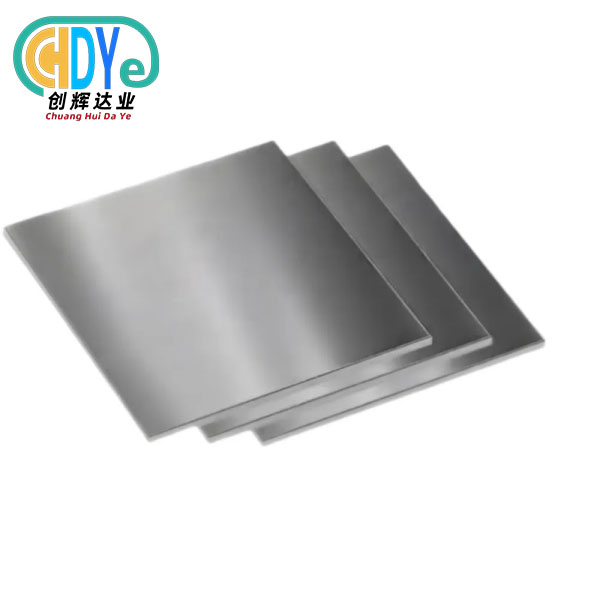
Why Do Engineers Prefer GR2 Titanium Sheet Plate?
Engineers always choose gr2 titanium sheet plate because it has the best mix of resistance to rust, mechanical strength, and ability to be shaped that modern industrial uses need. This material, which is made from commercially pure Grade 2 titanium, solves important engineering problems that traditional metals can't, especially in harsh settings, uses that need to be light, and high-performance systems. Its broad use in aerospace, chemical processing, marine engineering, and medical device making shows that it is reliable and cost-effective for tough projects that need to last for a long time and keep working well.
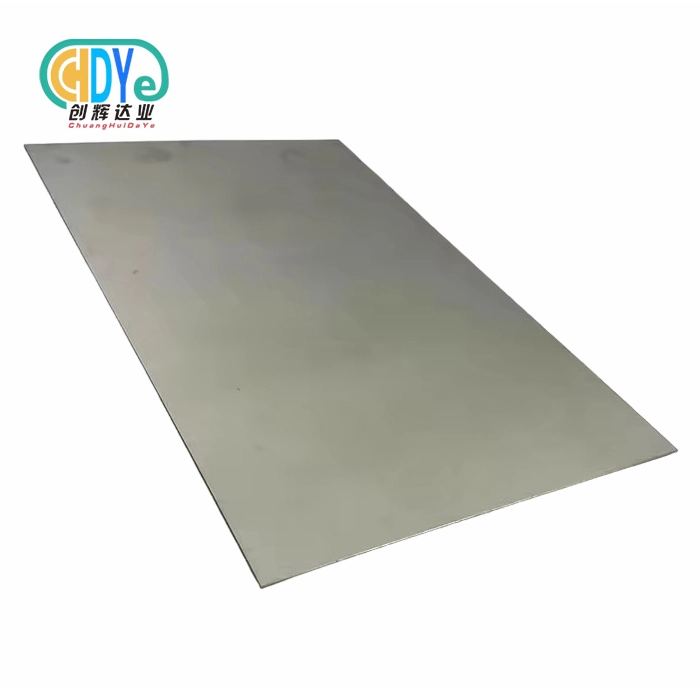
Introduction to GR2 Titanium Sheet Plate
Grade 2 titanium is the most common commercially pure titanium grade used in industry around the world. While international standards list this material as UNS R50400, it holds a special place in the metallurgical order because it can be used in a wide range of industrial fields. Engineering professionals know that GR2 titanium is unique because it is very light, very resistant to rust, and very compatible with living things. These qualities make it essential for many important uses.
Key Characteristics That Define GR2 Excellence
The basic features of the GR2 titanium sheet plate come from their alpha-phase microstructure, which makes them very flexible while still keeping their structural integrity. With a density about 45% lower than steel, these sheets make it possible to reduce weight by a lot in aircraft and transportation uses without lowering the strength standards. The material is naturally biocompatible, which makes it very useful for making medical devices that need to be safe for patients and work well for a long time.
Primary Industries Leveraging GR2 Advantages
Chemical processing plants use GR2 titanium sheets a lot for parts of reaction tanks and heat exchangers because other materials would break down quickly in places where harsh chemicals are present. Marine engineering uses the material because it doesn't rust in salt water, so they don't have to go through the maintenance processes that come with using traditional marine metals. Aerospace companies use these sheets to make structural parts that are lighter, which saves fuel and increases the amount of cargo that can be carried.
Strategic Investment Value for Global Projects
When you look at the prices over a product's lifetime instead of just the cost of buying it, the economic benefits of gr2 titanium sheet plate become clear. Because the material is resistant to rust from air and chemicals, it doesn't need protective coverings or to be replaced often, as some metals do. Because it lasts so long, GR2 titanium is a smart investment for building projects, offshore platforms, and manufacturing equipment that needs to work well for decades.
Understanding the Superior Performance of GR2 Titanium Sheet Plate
The high performance of Grade 2 titanium sheets comes from careful management of the chemicals they contain and improved production methods. The material keeps its minimum yield strength at 275 MPa (40 ksi) while still being flexible enough to be used in complicated shaping processes. This material is stronger than most metals and lighter than most plastics. This lets engineers make structures that are lighter without losing performance.
Mechanical Properties and Structural Advantages
GR2 titanium sheet plate products have tensile strengths between 345 and 483 MPa, which means they work well in structures even when the temperature changes. The material's elastic stiffness of about 103 GPa makes it very good at springing back during making, which makes the manufacturing process easier. Thicknesses range from 0.5mm to 50mm to meet the needs of a wide range of applications, and standard sizes up to 3000mm support big industrial projects.
Chemical Composition and Durability Factors
The controlled chemistry of Grade 2 titanium, which keeps the oxygen levels below 0.25% and the iron content below 0.30%, makes sure that the mechanical qualities and resistance to rust stay the same. This exact mix keeps the strength benefits of Grade 1 titanium while preventing the brittleness that comes with grades with more oxygen. Due to its low interstitial content, the material is very easy to join and shape, which is important for complex manufacturing needs.
Temperature Tolerance and Environmental Resistance
For continuous service uses, GR2 can work at temperatures up to 425°C, which makes it ideal for high-temperature processes in the chemical and power generation industries. The material's performance stays stable in cryogenic settings, so it doesn't break in the weak ways that many other alloys do when they get cold. Because it can be used in a wide range of temperatures and doesn't crack under stress in chloride conditions, this material is ideal for use in important infrastructure.
Manufacturing Quality Standards and Certification
International standards like ASTM B265, ASME SB265, and ISO-5832-2 are strictly followed when making gr2 titanium sheet plate. This makes sure that the quality is the same from source to supplier around the world. Modern melting methods like vacuum arc remelting (VAR) and electron beam melting get rid of impurities that could hurt performance. Manufacturing centers that are ISO 9001:2015 qualified use a wide range of quality control measures, from checking the raw materials to checking the finished product.
Comparing GR2 Titanium Sheets with Other Materials and Grades
To fully understand the competitive benefits of Grade 2 titanium, it is necessary to compare it in great depth with other materials and titanium grades that are usually thought of for similar uses. There are more factors than just the beginning cost that go into the decision process. These include total lifecycle value, performance dependability, and fabrication needs that affect the success of the project.
GR2 Versus GR5 Titanium Performance Analysis
While Grade 5 titanium (Ti-6Al-4V) is much stronger than Grade 2, it doesn't have the better rust protection or shapeability that make Grade 2 better for many uses. Galvanic rusting can happen in seawater because of the alloying elements in GR5, but it can't happen at all in GR2. When compared to the simple joining methods that work for GR2, welding Grade 5 needs more complex steps and a heat treatment after the weld. This makes the manufacturing process more difficult and costs more.
Stainless Steel and Aluminum Comparisons
Even though Type 316L stainless steel is cheaper at first, it suffers from pitting rust and stress corrosion cracking in chloride-rich settings, while gr2 titanium sheet plate specimens can be used for a very long time without breaking down. The extra weight of stainless steel is especially noticeable in aircraft and marine uses, where every kilogram changes how well something works. Even though aluminum alloys are lighter, they are not stable at high temperatures and do not fight rust well enough for chemical processing and high-performance uses.
Grade Selection Within the Titanium Family
When compared to Grade 1 titanium, GR2 has a yield strength that is about 40% higher while still having the same rust protection and formability. Because of this, smaller gauges can be used to get the same level of structural performance, which usually makes up for the small cost difference. Grade 3 titanium is about average in terms of strength, but it doesn't have the perfect mix of qualities that makes GR2 the best choice for many uses.
Economic Optimization Through Bulk Procurement
Buying a lot of gr2 titanium sheet plate can save you a lot of money because it cuts down on waste and helps manufacturers save money. Long-term supply deals make sure that prices and availability stay the same and let providers make the best use of production schedules. The material is very stable on shelves and doesn't break down easily, so you can handle your goods strategically without worrying about how the material will change while it's being stored.
Procurement Insights: How to Source Quality GR2 Titanium Sheet Plates
To successfully buy Grade 2 titanium sheets, you need to know the key differences between reputable sellers and those selling low-quality materials. Because titanium mining is so complicated, it's important to carefully check the qualifications of suppliers, their ability to make materials, and their quality control systems to make sure that materials are real and will work as expected.
Essential Certifications and Documentation Requirements
Suppliers you can trust give you full Mill Test Certificates (MTC) that meet EN 10204 3.1 standards and list the chemical analysis and mechanical qualities of each lot of material. Verification of agreement with ASTM B265 and ASME SB265 standards makes sure that materials meet international standards for use in structures and pressure vessels. Based on the end-use needs, extra approvals like ASTM F67 for medical uses or AMS 4911 for aircraft use might be needed.
Supplier Evaluation and Manufacturing Capability Assessment
The best companies that make titanium sheets keep up-to-date heating facilities with vacuum arc remelting (VAR) and electron beam ovens to make sure the material is pure and consistent. Rolling methods that include both hot and cold reduction allow for precise control of thickness and a variety of surface finishes. Support for cutting, forming, and welding, as well as machining and manufacturing services, made project completion easier and the supply chain less complicated.
Customization Options and Technical Support Services
Modern titanium providers offer a wide range of customization options, such as precise cutting to exact specs, different surface finishes (from bright annealed to pickled and sandblasted), and forming services for shapes that aren't simple. Technical support includes helping with choosing the right materials, helping with application engineering, and making suggestions for how to build things that make the best use of materials for certain tasks. These services that add value lower the risk of the project and speed up the time it takes to get important applications to market.
Logistics and Supply Chain Optimization
Effective gr2 titanium sheet plate procurement requires careful coordination of shipping methods ranging from express delivery for samples that need to be made right away to cheap ocean freight for orders that need to be sent in large quantities. Specifications for packaging that use moisture-proof materials and protected padding keep the purity of the goods while they're in transit. Strategic ties with suppliers allow for flexible shipping schedules that support just-in-time manufacturing while keeping enough safety stock to keep production going.
Maximizing the Benefits of GR2 Titanium Sheets in Engineering Projects
For Grade 2 titanium sheets to be used successfully, designers need to understand the material's unique properties and find the best ways to use its natural benefits. When engineering teams use GR2 correctly in their design processes, they get better results and avoid common mistakes that can hurt project outcomes.
Design Optimization Strategies for Enhanced Performance
Engineers get the most out of GR2 titanium sheet by taking advantage of its high strength-to-weight ratio and designing structures in ways that use less material while still meeting performance standards. Because it doesn't wear down easily, it's possible to make patterns with lower safety factors than with regular materials. This saves even more weight and money. Stress concentration problems can be avoided in high-temperature situations by taking into account the material's thermal growth properties.
Fabrication Best Practices and Integration Methods
To successfully make GR2 titanium sheets, you need to know how to use specific techniques, like picking the right tools for cutting and shaping to avoid work hardening and surface contamination. Using inert gas protection on both the weld pool and heat-affected areas during the welding process protects the joint and keeps it from rusting. Surface preparation and cleaning procedures keep surfaces from getting dirty, which could damage a material's natural ability to fight rust.
Real-World Application Success Stories
Chemical processing plants that use gr2 titanium sheet plate for reactor linings say they no longer need to shut down for maintenance-related downtime to replace stainless steel parts. GR2 heat exchanger plates in desalination plants improve thermal efficiency by 20–30% compared to copper-nickel options. They also get rid of the need for biofouling-related upkeep. When compared to metal structures with the same strength, structures made of carbon fiber save 35 to 45% of their weight in aerospace uses.
Emerging Technology Trends and Future Developments
New ways of shaping, like superplastic making and diffusion bonding, make it possible to make GR2 titanium sheets with more complicated shapes than were possible before. Additive manufacturing integration lets you make mixed structures that use both forged titanium sheets and 3D-printed parts to get the best performance and lowest cost. Plasma nitriding and PVD coatings are two surface modification technologies that improve certain qualities while keeping the corrosion protection of the base material.
Frequently Asked Questions
Q: What distinguishes GR2 titanium from other commercially pure grades?
A: When it comes to widely pure grades, Grade 2 titanium has the best mix of strength and formability. It has a minimum yield strength of 275 MPa and is very flexible for shaping. The managed amount of oxygen and iron in the steel makes sure that its mechanical properties stay the same and that it can be welded better than higher-strength grades. Because of these factors, GR2 can be used in building situations where Grade 1 isn't strong enough and Grade 3 might be too expensive.
Q: How does GR2 perform in extreme temperature environments?
A: Gr2 titanium sheet plate maintains excellent mechanical properties across a wide temperature range, from cryogenic applications at -253°C to constant service temperatures of 425°C. The material is better at resisting creep than aluminum alloys, and it stays flexible at low temperatures, when many steels become rigid. The low thermal expansion rate lowers thermal stress in situations where the temperature changes.
Q: What welding considerations apply to GR2 titanium sheets?
A: Grade 2 titanium can be welded very well with TIG or plasma spark methods and the right amount of inert gas protection. One important thing is to keep argon or helium covering both the weld pool and the heat-affected zone to stop rusting and weakening. Cleaning and passivation after welding bring back the material's ability to fight rust. For most uses, there is no need for a heat treatment after the welding process.
Q: How can material authenticity be verified during procurement?
A: Real GR2 titanium sheets come with a lot of paperwork, like Mill Test Certificates that show chemistry tests that prove the iron content is less than 0.30% and the tensile strength is higher than 345 MPa. Portable XRF analysis can quickly check that titanium is pure and doesn't contain any alloying elements that would show a different grade. Suppliers with a good reputation use group identification systems to keep track of everything from the raw materials to the finished goods.
Q: What factors influence GR2 titanium sheet pricing and availability?
A: Material costs depend on the price of titanium sponge, how hard the process is, and how much is needed. Larger orders get better prices because of economies of scale in the manufacturing process. Lead times depend on the thickness needed and the finish you want on the surface. Standard sizes are usually available from stock. Long-term supply deals keep prices stable and make sure that supplies are always available for ongoing production needs.
Conclusion
Large numbers of engineers prefer gr2 titanium sheet plate because it can solve difficult material problems in a wide range of industry settings. When you put together better rust protection, a great strength-to-weight ratio, and great shapeability, you get benefits that regular materials can't match. GR2 titanium always performs reliably and costs less over its lifetime, even in chemical processing environments where stainless steel fails and in aircraft uses that need to minimize weight. As businesses continue to focus on being environmentally friendly and running efficiently, the strategic benefits of Grade 2 titanium sheets become more valuable for forward-thinking engineering firms that want to gain a competitive edge through new materials.
Partner with Chuanghui Daye for Premium GR2 Titanium Solutions
From China's "Titanium Capital" in Baoji, Shaanxi Chuanghui Daye has more than 30 years of experience working with rare metals. They offer an approved Gr2 titanium sheet plate that meets the strictest manufacturing standards. Our ISO 9001:2015-certified facilities guarantee consistent quality through advanced melting, rolling, and machining. Our large inventory serves both small-scale production needs and fast development. Contact our technical specialists at info@chdymetal.com for customized solutions and competitive gr2 titanium sheet plate supplier pricing that optimizes your project performance and supply chain efficiency.
References
1. Boyer, R.R. "An Overview on the Use of Titanium in the Aerospace Industry." Materials Science and Engineering A, Vol. 213, 1996.
2. Schutz, R.W. and Thomas, D.E. "Corrosion of Titanium and Titanium Alloys in Industrial Applications." ASM Handbook, Volume 13B: Corrosion Materials, 2005.
3. Peters, M. and Leyens, C. "Titanium and Titanium Alloys: Fundamentals and Applications." Wiley-VCH Verlag, 2003.
4. Donachie, M.J. "Titanium: A Technical Guide, Second Edition." ASM International, 2000.
5. Rack, H.J. and Qazi, J.I. "Titanium Alloys for Biomedical Applications." Materials Science and Engineering C, Vol. 26, 2006.
6. Lutjering, G. and Williams, J.C. "Titanium: Engineering Materials and Processes, Second Edition." Springer-Verlag, 2007.
Learn about our latest products and discounts through SMS or email