- English
- French
- German
- Portuguese
- Spanish
- Russian
- Japanese
- Korean
- Arabic
- Greek
- German
- Turkish
- Italian
- Danish
- Romanian
- Indonesian
- Czech
- Afrikaans
- Swedish
- Polish
- Basque
- Catalan
- Esperanto
- Hindi
- Lao
- Albanian
- Amharic
- Armenian
- Azerbaijani
- Belarusian
- Bengali
- Bosnian
- Bulgarian
- Cebuano
- Chichewa
- Corsican
- Croatian
- Dutch
- Estonian
- Filipino
- Finnish
- Frisian
- Galician
- Georgian
- Gujarati
- Haitian
- Hausa
- Hawaiian
- Hebrew
- Hmong
- Hungarian
- Icelandic
- Igbo
- Javanese
- Kannada
- Kazakh
- Khmer
- Kurdish
- Kyrgyz
- Latin
- Latvian
- Lithuanian
- Luxembou..
- Macedonian
- Malagasy
- Malay
- Malayalam
- Maltese
- Maori
- Marathi
- Mongolian
- Burmese
- Nepali
- Norwegian
- Pashto
- Persian
- Punjabi
- Serbian
- Sesotho
- Sinhala
- Slovak
- Slovenian
- Somali
- Samoan
- Scots Gaelic
- Shona
- Sindhi
- Sundanese
- Swahili
- Tajik
- Tamil
- Telugu
- Thai
- Ukrainian
- Urdu
- Uzbek
- Vietnamese
- Welsh
- Xhosa
- Yiddish
- Yoruba
- Zulu
ASTM B863 Titanium Wire for Aerospace and Industrial Use
ASTM B863 titanium wire is an important material in current aircraft and industrial manufacturing. It works better than any other substance because it is strong for its weight and doesn't rust. To meet strict international standards, this line was carefully planned and made. You have to do it for important jobs where you can't fail. Engineers and procurement managers all over the world use this specification-grade material to make sure that quality and performance are always high in tough situations.
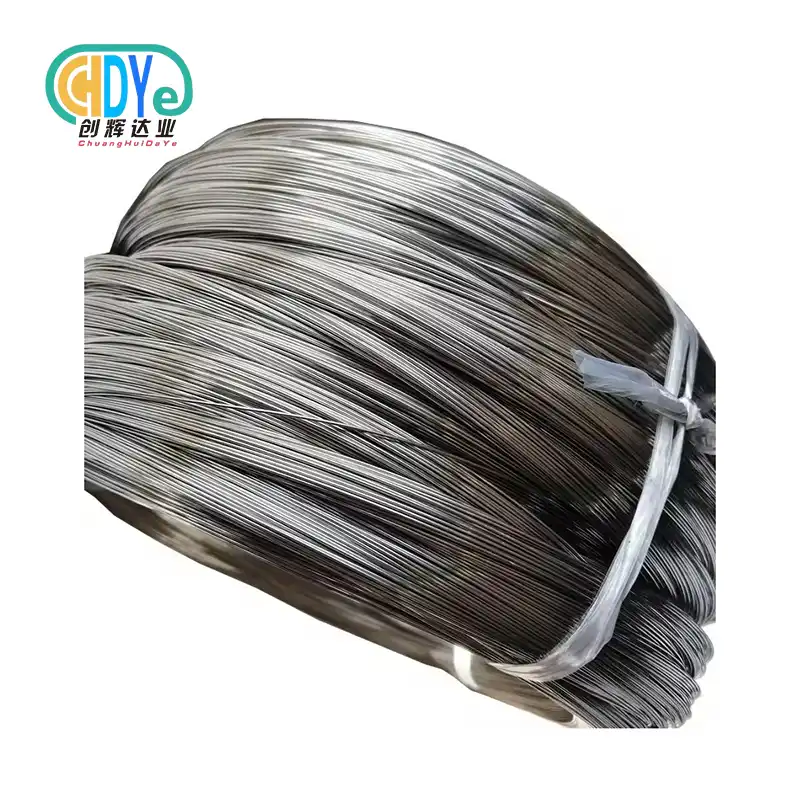
Understanding ASTM B863 Titanium Wire Specifications and Properties
The ASTM B863 standard sets strict requirements for widely pure titanium and titanium alloy wire. For most industrial uses, Grade 1 material is the most important requirement. This standard spells out exact chemical combinations that ensure the best performance in a wide range of working situations.
Chemical Composition and Purity Standards
According to ASTM B863, grade 1 titanium wire has a minimum amount of titanium and carefully controlled levels of impurities. The standard says that the most iron (0.20%), oxygen (0.18%), carbon (0.08%), nitrogen (0.03%), and hydrogen (0.015%) that can be present are allowed. These carefully chosen mixtures make sure that the materials always behave the same way and work as expected in serious situations.
Mechanical Properties and Performance Characteristics
Grade 1 titanium wire's practical qualities make it very useful in many situations. Its tensile strength is between 240 and 550 MPa, and its yield strength is between 170 and 480 MPa. This material is very strong and flexible at the same time. The minimum extension of 24% makes sure that it works reliably under dynamic loading conditions. This makes it a good choice for aircraft parts that go through different stress cycles.
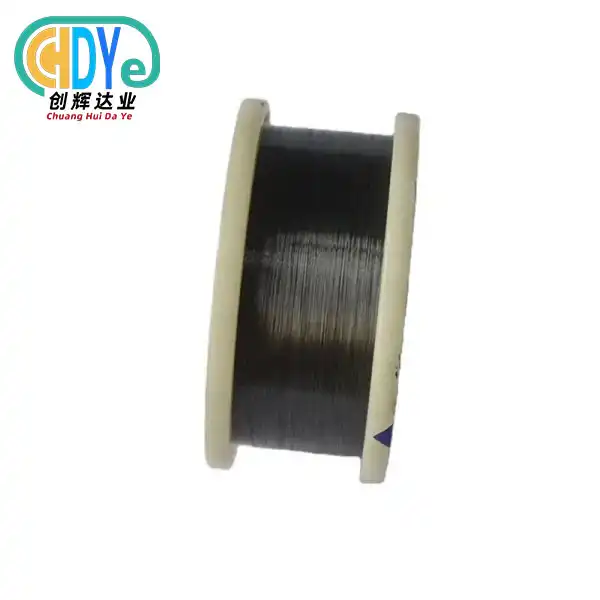
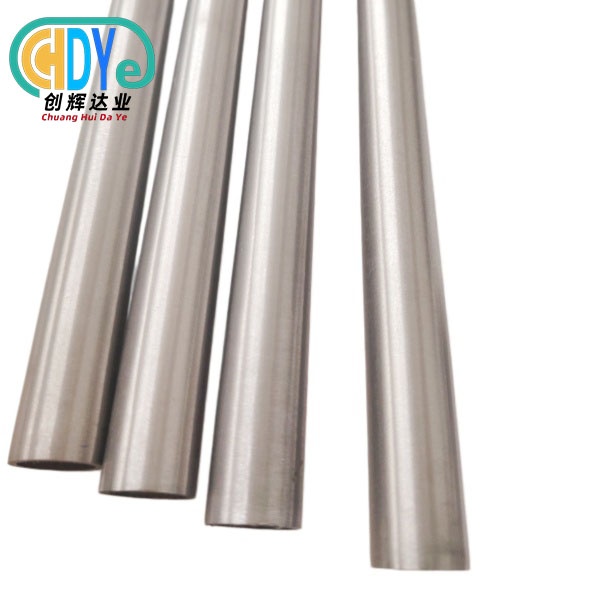
Shaanxi Chuanghui Daye Metal Material Co., Ltd. makes ASTM B863 titanium wire with diameters from 0.15mm to 7mm. The wire can be bought in straight lengths, loops, or spools to meet a variety of production needs. Our factory in Baoji, which is known as China's Titanium Capital, uses cutting-edge vacuum melting and precise drawing technologies to make sure that the quality of the metal's structure and surface finish is always the same.
How ASTM B863 Titanium Wire Compares to Other Titanium and Metal Wires
To understand material selection, you need to do a full comparison study of the different types of titanium and other metals. With this information, buying teams can make smart choices that improve both performance and cost-effectiveness.
Comparison with Other Titanium Grades
The tensile strength of Grade 2 titanium wire is higher than that of Grade 1. It can reach 345–550 MPa, but it is less flexible and easier to shape. In some uses, grade 4 titanium is harder to work with because it is even stronger (550–750 MPa). For aircraft welding jobs, Grade 1 is still the best choice because it is easier to weld and doesn't crack easily.
Advantages Over Conventional Metal Wires
ASTM B863 titanium wire is much more resistant to corrosion than stainless steel wire in chloride conditions and naval uses. In terms of density, titanium wire is a big plus—it weighs about 43% less than similar stainless steel while still being just as strong. In aerospace uses, this weight loss immediately leads to less fuel use and better performance.
Nickel-based alloys work well at high temperatures, but they aren't as biocompatible or resistant to rust in some chemical conditions as titanium-based alloys. The difference in price depends on the market, but titanium's longer service life usually means a lower total cost of ownership in tough situations.
Procurement and Supply Chain Insights for ASTM B863 Titanium Wire
When looking for titanium wire on a global scale, it's important to carefully consider the skills of suppliers, the guidelines for approval, and the dependability of the supply chain. When procurement workers understand these factors, they can build strong relationships with suppliers that support long-term business success.
Supplier Certification and Quality Standards
Leading providers keep their ISO 9001:2015 approval and follow aerospace standards like AS9100. As part of the verification process, material tracking records, heat treatment records, and full test reports are kept. Chuanghui Daye keeps its full EN 10204 3.1 certification, which lets you track all of your materials from where they come from to where they are inspected at the end.
Pricing Dynamics and Order Considerations
Prices for ASTM B863 titanium wire on the market depend on the diameter, the amount, and the shipping needs. Due to the higher working complexity, smaller-diameter lines usually cost more. Relying on the specifications, the minimum order quantity is usually between 50 and 500 kilograms. Lead times range from 2 to 8 weeks, relying on production plans and the needs for customization.
International Logistics and Customs Considerations
Titanium products are classified under HTS codes, which means that they need the right paperwork to be shipped internationally. Suppliers with a lot of experience provide all the paperwork needed for exporting, such as certificates of origin, material test results, and compliance statements. If you need to move something quickly, air freight is still the best option. For bigger shipments, sea freight is more cost-effective.
Quality Assurance and Testing of ASTM B863 Titanium Wire
Every batch of titanium wire meets or goes beyond the standards set by strict testing methods. With these quality assurance steps, you can be sure that the material will work well and follow the rules in challenging situations.
Mechanical Testing Procedures
As part of normal mechanical testing, tools that are calibrated to international standards are used to measure the tensile strength. Depending on the wire thickness and customer needs, the Rockwell or Vickers method is used for hardness tests. Measurements of elongation confirm the flexibility qualities needed for shaping and welding.
Chemical Analysis and Verification of Composition
X-ray fluorescence spectroscopy is a quick way to check the chemical makeup for production control, and inductively coupled plasma methods are an exact way to find trace elements. Carbon and sulfur combustion research makes sure that low interstitial element standards are met, which is important for corrosion protection.
Stress corrosion cracking testing can be done in virtual work settings, and fatigue testing can be done under cyclic loading conditions. These tests confirm that the materials will last for a long time in chemical processing and aircraft uses, where failure of the materials could have terrible results.
Certification and Traceability Systems
Full traceability systems keep track of materials from the time they are melted until they are delivered, making full audit trails for medical and aircraft uses. Digital documentation systems keep permanent records that can be accessed for quality reviews and regulatory checks. For businesses that need full material pedigree paperwork, this tracking feature is a must.
Best Practices and Future Trends in Using ASTM B863 Titanium Wire
To get the most out of titanium wire applications, you need to know how to handle it properly, how to store it properly, and how to keep up with new industry trends that will affect future standards and performance goals.
Installation and Handling Best Practices
When things are stored correctly in clean, dry places, they don't get contaminated, which could weaken their resistance to rust. When handling things, people shouldn't come into contact with steel tools or work areas because that could spread iron contamination. For the best weld quality and rust protection, welding users need to use the right amount of shielding gas and prepare the joints properly.
Integration with Advanced Manufacturing Technologies
More and more, ASTM B863 titanium wire is being used as feedstock for wire-based 3D printing devices in additive production methods. For these uses, accurate control over the width and a smooth, even surface finish are needed to make sure that the material flows smoothly and layers stick together. Titanium wire is used by advanced robotic welding systems to make complex aircraft parts automatically.
Sustainability and Recycling Considerations
As ecology becomes a more important factor in buying things, titanium recycling programs become more important. Closed-loop recycling systems get titanium scrap from production processes and reuse it, which saves money on materials and is better for the earth. Modern recycling methods keep the purity of materials at levels that are good for important uses, which supports the ideas of the cycle economy in aircraft manufacturing.
New developments include making titanium compositions that are better for certain uses and improving surface treatment technologies that make them more resistant to rusting in harsh settings. These new ideas are in response to the fact that next-generation aircraft and industry systems need to perform better and better.
Conclusion
ASTM B863 titanium wire is still an important material for aircraft and industrial uses that need high corrosion protection, high strength-to-weight performance, and long-term dependability. Tough adherence to specifications, cutting-edge production methods, and thorough quality control all work together to make sure that materials always work well in tough situations. As businesses move toward more eco-friendly and effective ways of doing things, titanium wire technology improves to deal with new problems while keeping the basic features that make it essential for important uses.
FAQ
Q: What makes ASTM B863 Grade 1 titanium wire ideal for aerospace applications?
A: As an important part of aircraft technology, grade 1 titanium wire is the best mix of being lightweight, resistant to corrosion, and easy to weld. Its low density makes airplanes lighter while keeping the structure strong, and because it is biocompatible, it can be used in both structural and life-support systems.
Q: How can procurement teams verify supplier authenticity and quality?
A: Suppliers you can trust will give you a lot of paperwork, like ISO 9001:2015 certification, material test certificates with full chemical analyses, and records that show how each batch was made and where the materials came from. Before making a deal with a provider, third-party inspection services can check their skills and quality systems.
Q: What kinds of customization choices are there for certain business needs?
A: Titanium wire can be made to order in different lengths, widths (0.1 to 7 mm), coiling formats (straight, coil, or spool), and surface finishes. Working together with skilled makers can often help with special needs like better surface treatments, tighter tolerances, or metal compositions that aren't the norm.
Q: What are the typical lead times for ASTM B863 titanium wire orders?
A: Lead times for standard specifications are usually between 1 and 2 weeks, while lead times for special specifications can be up to 2 to 3weeks. If you need something quickly, you can often get it processed faster, but you may have to pay more for a priority schedule.
Partner with Chuanghui Daye for Premium Titanium Wire Solutions
If you need to buy something, Shaanxi Chuanghui Daye can help you. They can provide you with high-quality ASTM B863 titanium wire that is made to precise standards in China's Titanium Capital. Our ISO 9001:2015-certified center blends 30 years of experience in the field with cutting-edge production tools to provide consistent material performance and dependable support for the supply chain. Whether you need standard specs or custom solutions, our expert team is here to help you from the first meeting to the final delivery. Get in touch with us at info@chdymetal.com to talk about your unique needs and see the benefits of working with a reliable ASTM B863 titanium wire supplier that is dedicated to quality and customer happiness.
References
1. American Society for Testing and Materials. "ASTM B863-18 Standard Specification for Titanium and Titanium Alloy Wire." 2018; ASTM I.
2. Boyer, R.R. "An Overview on the Use of Titanium in the Aerospace Industry." Materials Science and Engineering: A, vol. 213, 1996.
3. Donachie, Matthew J. "Titanium: A Technical Guide, 2nd Edition." 2000. ASM International.
4. Lutjering, Gerd, and James C. Williams. "Titanium: Engineering Materials and Processes, 2nd Edition." Springer-Verlag Berlin Heidelberg, 2007.
5. Schutz, R.W., and D.E. Thomas. "Corrosion of Titanium and Titanium Alloys." ASM Handbook Volume 13: Corrosion, ASM International, 1987.
6. Welsch, Gerhard, Rodney Boyer, and E.W. Collings. "Materials Properties Handbook: Titanium Alloys." 1994 by ASM International.
Learn about our latest products and discounts through SMS or email