- English
- French
- German
- Portuguese
- Spanish
- Russian
- Japanese
- Korean
- Arabic
- Greek
- German
- Turkish
- Italian
- Danish
- Romanian
- Indonesian
- Czech
- Afrikaans
- Swedish
- Polish
- Basque
- Catalan
- Esperanto
- Hindi
- Lao
- Albanian
- Amharic
- Armenian
- Azerbaijani
- Belarusian
- Bengali
- Bosnian
- Bulgarian
- Cebuano
- Chichewa
- Corsican
- Croatian
- Dutch
- Estonian
- Filipino
- Finnish
- Frisian
- Galician
- Georgian
- Gujarati
- Haitian
- Hausa
- Hawaiian
- Hebrew
- Hmong
- Hungarian
- Icelandic
- Igbo
- Javanese
- Kannada
- Kazakh
- Khmer
- Kurdish
- Kyrgyz
- Latin
- Latvian
- Lithuanian
- Luxembou..
- Macedonian
- Malagasy
- Malay
- Malayalam
- Maltese
- Maori
- Marathi
- Mongolian
- Burmese
- Nepali
- Norwegian
- Pashto
- Persian
- Punjabi
- Serbian
- Sesotho
- Sinhala
- Slovak
- Slovenian
- Somali
- Samoan
- Scots Gaelic
- Shona
- Sindhi
- Sundanese
- Swahili
- Tajik
- Tamil
- Telugu
- Thai
- Ukrainian
- Urdu
- Uzbek
- Vietnamese
- Welsh
- Xhosa
- Yiddish
- Yoruba
- Zulu
Best Gr2 Titanium Foil for OEM Parts: Specs to Compare
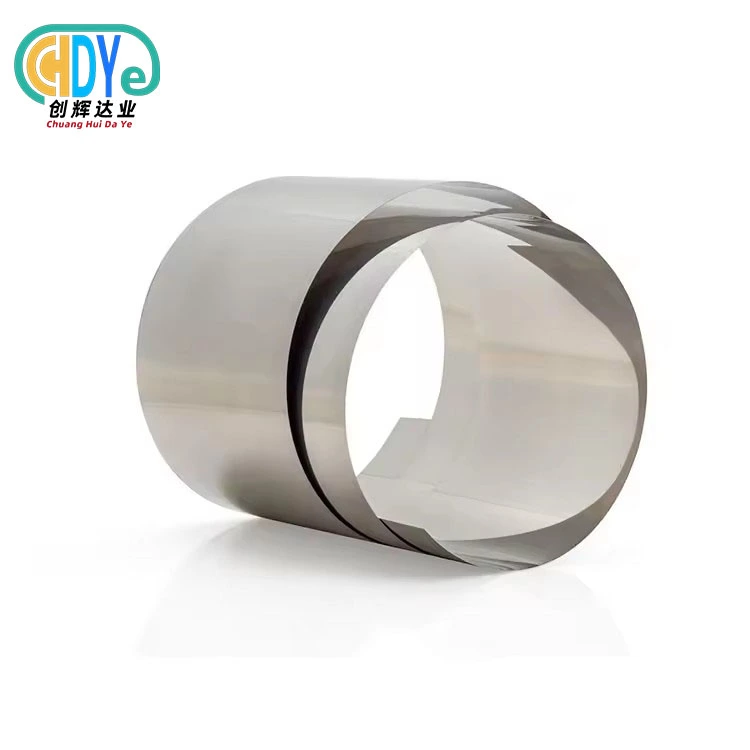
When sourcing materials for precision OEM components, choosing the right titanium foil grade can make or break your product's performance. Gr2 Titanium Foil stands out as the industry's most trusted commercially pure titanium option, offering an exceptional balance of corrosion resistance, formability, and lightweight durability. This guide walks you through the critical specifications, performance comparisons, and procurement strategies to help you select the best Gr2 Titanium Foil for your OEM manufacturing needs. Whether you're designing medical implants, aerospace components, or chemical processing equipment, understanding these specs ensures you make an informed, cost-effective decision that meets stringent quality requirements.
Understanding Gr2 Titanium Foil: Properties and Specifications
What Makes Gr2 Titanium Foil Unique for OEM Applications
Grade 2 commercially pure titanium is the "workhorse" of the titanium family. This substance has a single alpha-phase microstructure that gives it a moderate tensile strength between 275 and 450 MPa while still being very flexible. The foil naturally creates a protected titanium dioxide layer that makes it very resistant to chloride-rich environments, acidic media, and seawater, all of which are situations where stainless steel usually fails. OEM makers like this grade because it meets the important "weight-corrosion-formability" task without needing expensive and hard to work with alloying additions.
Chemical Composition and Mechanical Performance
The science of Grade 2 titanium keeps the amount of iron below 0.30% and the amount of oxygen below 0.25%. This keeps the quality of the titanium above 98.9%. This mix makes sure that the metal will behave consistently when it is stamped, deep drawn, or welded. The minimum stress strength is usually 275 MPa, which is enough for thin-gauge uses to keep the structure strong. What makes this material unique is that it can stretch, often by more than 20%, which lets complex shaping processes be done without cracking. The hardness is between 120 and 150 HV, which is just right for parts that need to be strong and easy to machine.
Standard Thickness Ranges and Dimensional Tolerances
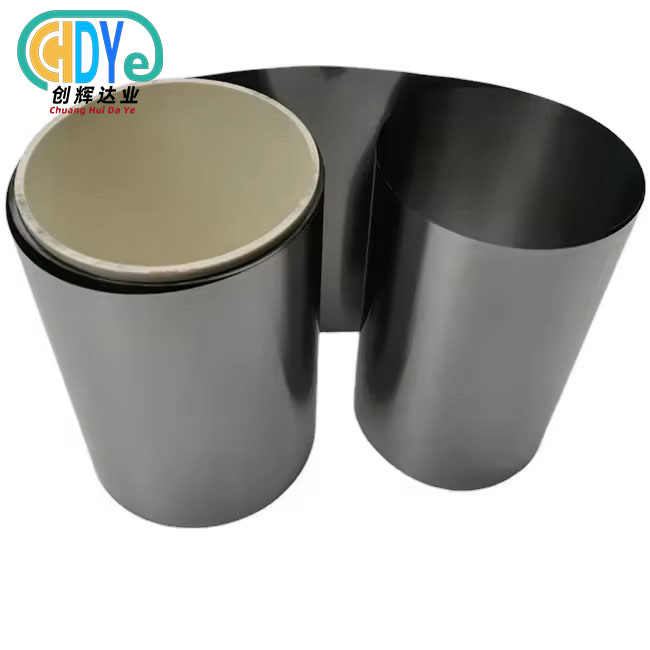
When working with foil goods, manufacturing accuracy is very important. We make Gr2 Titanium Foil at Chuanghui Daye. The thickness ranges from 0.1mm to 10.0mm, and the widths go from 10mm to 1000mm. Length can be changed to fit the needs of your project. Our advanced cold rolling technology keeps the thickness tolerance very close to ±0.005mm, which is very important for uses like speaker domes and electrolyzer bipolar plates where consistency in size has a direct effect on performance. The "waviness" issues that lower-quality foil suppliers have are solved by precision annealing, which makes the surface flat and even out the grain structure.
Quality Standards and Compliance Requirements
ASTM B265 is the main standard that controls the production of titanium foil. This standard sets limits for chemical composition, mechanical property needs, and surface finish standards. Teams in charge of buying things should make sure that suppliers give them mill test certificates that show they have tested for hydrogen and oxygen content using Inert Gas Fusion. Too much air makes things more brittle, which is what breaks the foil during pressing. ISO 9001:2015 approval means that quality is managed in a planned way throughout the whole production process. We use spectrometry to check the raw materials and do water-break tests to make sure the surfaces are hydrophilic, which is needed for adhesion applications.
Comparing Gr2 Titanium Foil with Other Grades and Materials
Grade 2 vs. Grade 1 Titanium: Performance Trade-offs
Although both classes are commercially pure, Grade 1 is weaker because it has less air in it, but it can be shaped more easily when cold. Grade 1 has a maximum tensile strength of about 240 MPa, which means it can be used in situations where high flexibility is more important than strength. Grade 2 has about 15% more strength than Grade 1 and still has great formability. When it comes to most OEM applications that need structural parts or parts that hold pressure, Grade 2 is the better value. The price difference between these grades is still very small—usually less than 5%—so Grade 2 is usually the better choice unless your program needs Grade 1's extreme formability.
Grade 2 vs. Grade 5 Titanium Alloy: Strength and Cost Considerations
Grade 5 titanium metal (Ti-6Al-4V) has a much higher strength—about 895 MPa tensile strength—thanks to the addition of aluminum and vanadium. But this strength comes with some costs. Because of its alpha-beta microstructure, Grade 5 is much harder to shape in thin gauges and needs to be welded in a controlled atmosphere to keep it from getting contaminated. The cost of materials is usually 40–60% more than in Grade 2. Grade 2 is a more cost-effective and easier-to-make option for OEM parts that work below 300°C and need moderate strength. Grade 5 may be necessary for aerospace applications that need load-bearing structures above 400°C, but this level of performance isn't usually needed for chemical processing or electronic parts.
Gr2 Titanium Foil vs. Stainless Steel: Corrosion and Weight Factors
Some types of stainless steel, like 316L, are cheaper at first, but they fail horribly in salt conditions because they pit and crack. Gr2 Titanium Foil stays strong in 10% sulfuric acid and concentrated sodium chloride solutions, but 316L will rust in just a few months. Titanium has a density of 4.5 g/cm³, while stainless steel has a density of 8.0 g/cm³. This means that titanium is 45% lighter than stainless steel. This reduction in weight directly leads to better fuel efficiency in space applications and less stress on the structure of chemical vessels. Titanium is three to five times more expensive than stainless steel at first, but when you add up the costs of replacements and problems caused by corrosion, titanium is the better choice.
Gr2 Titanium Foil vs. Aluminum: Durability and Temperature Resistance
Aluminum foils are cheaper and easier to shape, but they can't compare to titanium when it comes to resistance to rust or temperature stability. Above 150°C, aluminum loses its strength quickly, but Grade 2 titanium stays structurally sound up to 300°C. When aluminum is exposed to acidic or alkaline environments, it forms oxide layers that flake off and weaken its barrier properties. Titanium's oxide layer quickly fixes itself after being scratched, giving it constant protection. Titanium's high price is justified by its long service life and low upkeep needs in situations where it needs to last for a long time, like PEM electrolyzer plates or sound speaker domes.
How to Procure Quality Gr2 Titanium Foil: Buying Guide for OEM Buyers
Supplier Certification and Quality System Verification
Suppliers you can trust use ISO 9001:2015 quality control systems that keep track of every step of the production process, from inspecting the raw materials to packing them up at the end. Get copies of the supplier's audit and approval records. Make sure that the testing tools they offer include laser emission spectrometry for analyzing chemicals and general testing machines for checking the mechanical properties of things, especially for products such as Gr2 Titanium Foil. Suppliers who are located in well-known titanium production hubs have access to supply chains that are already set up and technical know-how. China's Baoji, known as the "Titanium Capital" around the world, has combined production areas where smelting, rolling, and machining facilities are grouped together. This makes it easier to track materials and get expert help.
Minimum Order Quantities and Customization Capabilities
Understanding MOQ standards keeps buying from being a surprise. Due to the cost of setting up a rolling mill, many foil manufacturers set minimum orders at 50 to 100 kg per specification. But wholesalers who work with research institutions and prototype makers can often handle smaller amounts, sometimes as little as 5–10 kg, though the price per unit goes up as a result. The ability to customize is very important. Does the supplier offer specific slitting widths? Do they offer different annealing conditions so that the hardness can be changed? Our Chuanghui Daye plant has a fluid production schedule that can handle both large-scale production runs and small-scale research and development orders. It can also cut to length and slit precisely across the width.
Lead Time Expectations and Delivery Reliability
Standard Grade 2 foil in common sizes usually ships within two to three weeks from reputable suppliers who keep stock on hand. Custom specs for thickness or width may add 4 to 6 weeks to the wait time because they need special rolling campaigns and dimensional testing. Managers of procurement should build relationships with suppliers who can help with urgent projects quickly. When needed, our production planning system gives priority to rush orders, and most of the time, important supplies are delivered within 7–10 days. Delivery times are affected by geography; direct shipping from production centers reduces the need for handling and the risk of damage compared to multiple warehouse transfers.
Pricing Structure and Cost Factors
The price of foil varies based on a number of factors. Cost is greatly affected by thickness; gauges thinner than 0.3 mm need more rolling passes, which take more time and labor. Prices depend on the amount of certification for the material. For example, foils with full chemical and mechanical test reports cost 5–10% more than normal mill test certificates. Order quantity has a big effect on unit price; volumes above 500 kg usually get discounts of 15–20% compared to small-batch pricing. Be wary of prices that are much lower than the market rate, because that usually means that the purity has been lowered or there isn't enough quality control. To figure out what the real worth is, it helps to get thorough quotes that break down the cost of materials, processing fees, and certification fees.
Advantages of Using Gr2 Titanium Foil for OEM Parts
Superior Corrosion Resistance in Aggressive Environments
Titanium dioxide forms a passive layer on Gr2 surfaces that protects them very well in places where normal materials would break down. Titanium is resistant to nitric acid, chromic acid, and aqua regia solutions, which is good for equipment used in chemical processing. Its resistance to saltwater corrosion and bacterial fouling is used in marine applications. Titanium's oxide layer heals itself quickly when scratched or abraded, unlike coated metals, where damage to the coating leaves the bases open to attack. This gets rid of the need for regular maintenance and the catastrophic failures that come with coatings wearing off on steel or aluminum parts.
Lightweight Construction Without Strength Compromise
OEM designers are always trying to find ways to make parts lighter without sacrificing their strength. Titanium is stronger than aluminum and almost as strong as high-strength steel, but it is only half as heavy. Titanium foil is used in honeycomb structures and ducting systems by aircraft manufacturers to reduce weight, which directly saves fuel. Medical device makers make internal parts that are strong enough to do their job while also being light on the patient. Because it is 45% lighter than stainless steel, it lets makers of electronic devices meet portability needs while still providing strong safety in the enclosure.
Excellent Formability and Manufacturing Compatibility
One of the best things about Grade 2 is that it can be cold-formed. The material is easy to stamp, deep draw, and spin, and it doesn't need to be heated up between steps of making. This ability to work cuts down on production costs by getting rid of the need for intermediate heat treatment steps. Titanium foil can be TIG welded, resistance welded, or laser welded to other titanium grades or to itself. This gives manufacturers more options for how they can make things. The smooth, shiny finish that comes straight from our rolling mills means that you don't have to do any extra cleaning. This means that you can go straight to the coating, laminating, or assembly processes.
Industry-Specific Application Examples
When making high-fidelity audio, people who make speaker domes stamp Gr2 Titanium Foil into the tweeter diaphragms. The high strength-to-weight ratio of the material raises the breakup frequency above 40 kHz, which is well above the range of human hearing. At the same time, the material's internal damping properties lower the distortion. For PEM electrolyzer bipolar plates, hydrogen production technology relies on titanium foil because it can handle highly acidic conditions and keep metal ions from moving in and contaminating the material. Aerospace engineers use Grade 2 for firewalls and environmental control ducts because it is fire-resistant up to 425°C and keeps its shape even when it is vibrated, heated, and cooled.
Ensuring Quality and Compliance of Gr2 Titanium Foil in OEM Production
Material Traceability and Documentation Requirements
Full material tracking starts with keeping track of heat numbers from the time the ingot is melted until the foil is made. Each production lot should have paperwork that connects it to the chemistry and mechanical properties of the source material. The mill test certificates need to show the exact chemical make-up by element, the results of a tensile test that shows the yield strength and elongation, and measurements of the hardness. For important uses in the military or medical fields, extra paperwork might include a grain size analysis, an Inert Gas Fusion test to check the oxygen content, and a surface pollution report to show that no alpha case formation happened.
Inspection Protocols and Testing Procedures
Dimensional inspection protocols change based on how important the application is. Regular measurements with a micrometer make sure that the thickness stays the same, and statistical process control charts keep track of any changes. Light box inspection can find pinholes in gauges that are much thinner than 0.05 mm, where even tiny flaws can weaken the barrier. ASTM E290-based bend testing makes sure that the foil can survive tight-radius bending without breaking, which is a very important condition for stamped parts. A surface quality assessment includes both a visual inspection in standard lighting and water-break tests that make sure the surface is clean enough for the next step, which could be bonding or coating.
Customization Strategies for OEM Specifications
For OEM projects to be successful, the material properties often need to be changed from what is standard. You can change the annealing conditions to change the stiffness and formability of a metal. Suppliers who can do their own heat treatment can offer different temper conditions that are best for different forming operations. There are different types of surface finishes, such as bright annealed for aesthetic purposes and matte finish for better coating adhesion. When foil goes into automatic pressing or laminating equipment, the accuracy of the width and length cuts is important. Tolerance control within ±0.5mm makes sure that the machines always work the same way.
Collaboration Success Through Supplier Partnership
A company that makes semiconductor equipment came to us and asked for ultra-flat foil for parts that go in vacuum chambers. For this job, the thickness had to be within 0.003mm of what was needed, and the surface had to be flat within 0.5mm per meter of length. Through joint engineering, we changed how our rolling mill was set up and added more balancing passes. The material that was made met the requirements, and the project moved on to making more than 200 kg of material every month. This partnership shows that a supplier's technical know-how and willingness to make changes can help an OEM solve problems that standard materials can't.
Conclusion
To choose the best Gr2 Titanium Foil for OEM parts, you need to carefully look at the material's specs, the supplier's skills, and the needs of the application. Grade 2 is the best choice for many industries, from aerospace and chemical processing to medical devices and electronics, because it has the best balance of corrosion resistance, formability, and strength. Knowing the differences between titanium grades and other materials helps you make decisions about what to buy that are best for both performance and cost. When you work with ISO-certified providers who offer thorough testing paperwork, flexible customization, and reliable delivery, you can be sure that your OEM projects will meet quality standards and stay on schedule.
FAQ
Q: What thickness range is available for Gr2 Titanium Foil?
A: The thickness of Gr2 Titanium Foil that you can buy usually ranges from 0.1mm to 10.0mm. Extremely thin gauges (less than 0.05 mm) need special rolling equipment and cost more because they are harder to make. When the gauge is above 5 mm, it is sometimes called "thin sheet" instead of foil. The widths that are available range from thin strips of 10 mm to 1000 mm, and they can be cut to fit the needs of any application.
Q: How does Gr2 Titanium Foil compare to stainless steel in corrosion resistance?
A: In chloride environments, acidic solutions, and high-temperature oxidizing conditions, Grade 2 titanium works much better than stainless steel. 316L stainless steel pits when it comes into contact with salt and hypochlorite treatments, but titanium stays strong forever. Unlike inactive layers on stainless steel, which need air to heal, the self-healing titanium dioxide layer keeps protecting even after the surface is damaged.
Q: What certifications should I verify before purchasing?
A: Ask for an ISO 9001:2015 certificate that says your quality control systems are good. The material should meet the requirements of ASTM B265. Chemical make-up and mechanical properties must be written on mill test certificates. Check the AS9100 aerospace quality certification for uses in aerospace. For medical device uses, ISO 13485 approval and proof of material biocompatibility tests may be needed.
Partner with Chuanghui Daye for Reliable Gr2 Titanium Foil Supply
For more than 30 years, Shaanxi Chuanghui Daye has been working with rare metals. They can help you with your OEM projects. We make high-purity Gr2 Titanium Foil in Baoji's titanium production center. The thickness can be varied by up to 0.005mm, and the sizes can be changed to fit your exact needs. Our ISO 9001:2015-certified plant uses precise cold rolling, vacuum annealing, and thorough testing methods to make sure that the quality is always the same. Our flexible manufacturing can handle both small quantities for prototypes and large quantities for production. To talk about your needs with a reliable Gr2 Titanium Foil provider, email our research team at info@chdymetal.com. We offer competitive factory-direct prices, full material traceability, and fast delivery for urgent projects, which will help your OEM production stay on schedule.
References
1. American Society for Testing and Materials. (2020). Standard Specification for Titanium and Titanium Alloy Strip, Sheet, and Plate. ASTM B265-20, West Conshohocken, PA.
2. Donachie, M.J. (2000). Titanium: A Technical Guide (2nd ed.). ASM International, Materials Park, Ohio.
3. Boyer, R., Welsch, G., & Collings, E.W. (1994). Materials Properties Handbook: Titanium Alloys. ASM International, Materials Park, Ohio.
4. Schutz, R.W. & Watkins, H.B. (1998). Recent developments in titanium alloy application in the energy industry. Materials Science and Engineering: A, 243(1-2), 305-315.
5. International Titanium Association. (2019). Titanium for Chemical Processing: Design Guidelines for Users. ITA Technical Paper, Denver, Colorado.
6. Froes, F.H. (2015). Titanium: Physical Metallurgy, Processing, and Applications. ASM International, Materials Park, Ohio.
Learn about our latest products and discounts through SMS or email