- English
- French
- German
- Portuguese
- Spanish
- Russian
- Japanese
- Korean
- Arabic
- Greek
- German
- Turkish
- Italian
- Danish
- Romanian
- Indonesian
- Czech
- Afrikaans
- Swedish
- Polish
- Basque
- Catalan
- Esperanto
- Hindi
- Lao
- Albanian
- Amharic
- Armenian
- Azerbaijani
- Belarusian
- Bengali
- Bosnian
- Bulgarian
- Cebuano
- Chichewa
- Corsican
- Croatian
- Dutch
- Estonian
- Filipino
- Finnish
- Frisian
- Galician
- Georgian
- Gujarati
- Haitian
- Hausa
- Hawaiian
- Hebrew
- Hmong
- Hungarian
- Icelandic
- Igbo
- Javanese
- Kannada
- Kazakh
- Khmer
- Kurdish
- Kyrgyz
- Latin
- Latvian
- Lithuanian
- Luxembou..
- Macedonian
- Malagasy
- Malay
- Malayalam
- Maltese
- Maori
- Marathi
- Mongolian
- Burmese
- Nepali
- Norwegian
- Pashto
- Persian
- Punjabi
- Serbian
- Sesotho
- Sinhala
- Slovak
- Slovenian
- Somali
- Samoan
- Scots Gaelic
- Shona
- Sindhi
- Sundanese
- Swahili
- Tajik
- Tamil
- Telugu
- Thai
- Ukrainian
- Urdu
- Uzbek
- Vietnamese
- Welsh
- Xhosa
- Yiddish
- Yoruba
- Zulu
Where to Buy Titanium Welded Pipe: Supplier and Import Guide
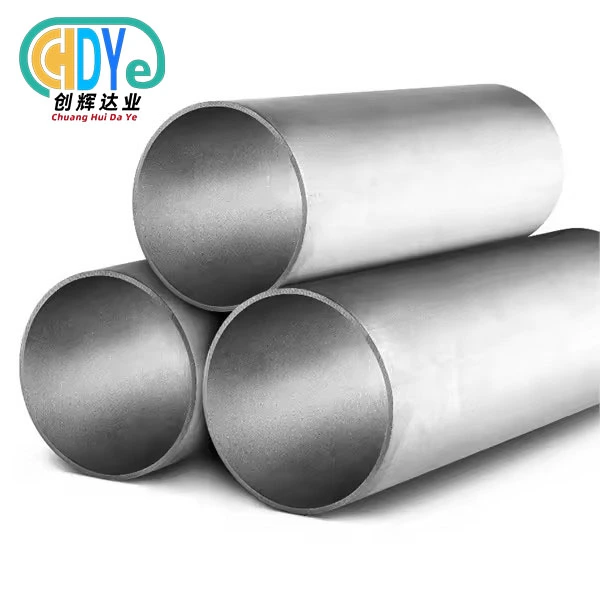
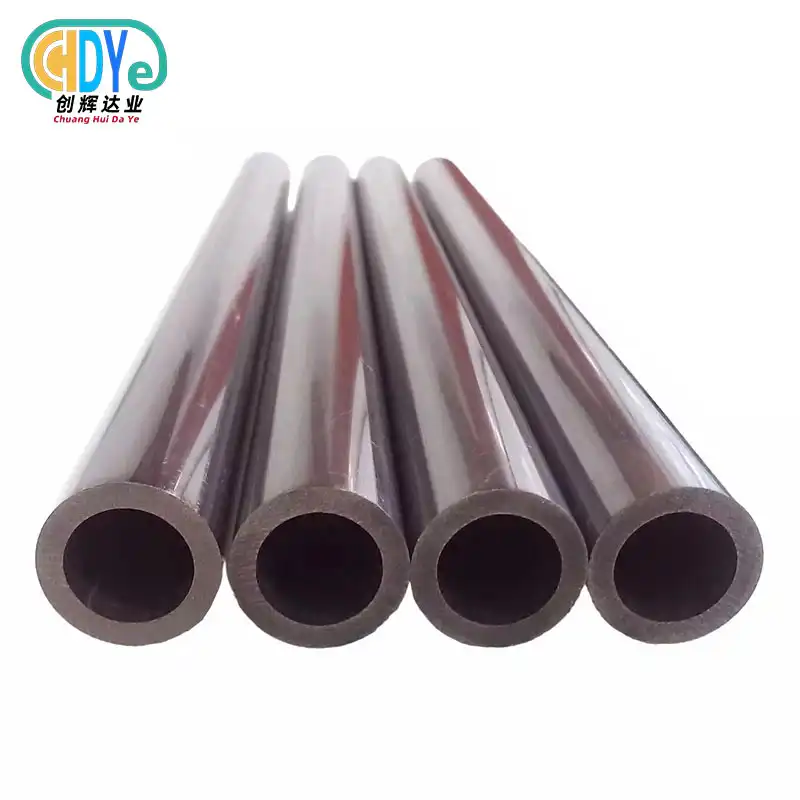
Finding the right source for titanium welded pipe requires more than a simple online search. Whether you need high-purity tubing for chemical processing, large-diameter pipes for desalination plants, or custom-fabricated solutions for aerospace applications, selecting a trusted supplier can make the difference between project success and costly delays. Quality titanium welded pipe combines corrosion resistance, mechanical strength, and cost-efficiency, but sourcing it demands careful attention to supplier credentials, manufacturing standards, and import logistics. This guide walks you through the essential considerations to help procurement professionals navigate the global supply landscape confidently.
How to Choose the Right Titanium Welded Pipe Supplier
Clearly stating your technical requirements and practical needs is the first step to successful buying. Knowing exactly what you need is the first step in evaluating potential suppliers in the best way.
Defining Your Technical Requirements
First, figure out what grade and size you need for your application. Grade 2 is best for most uses that need to prevent corrosion, while Grade 5 (Ti-6Al-4V) is better for high-pressure systems because it has more mechanical strength. Give details about the outside width, wall thickness, length, and whether you need standard sizes or special sizes. Find out what you need to do to be in compliance, like ASTM standards, pressure ratings for ASME applications, and any certifications that are specific to your industry. Think about how much titanium welded pipe you need—whether it's small amounts for research, runs of prototypes, or big orders for production—because this affects how you choose a source and set your prices.
Essential Supplier Evaluation Criteria
Quality certifications are the most basic way to tell if a supplier is trustworthy. Getting ISO 9001:2015 approval shows that you handle quality in a planned way throughout the whole production process. Following the rules set by ASTM and ASME for material composition and mechanical properties is known as compliance. Look into the company's manufacturing skills, such as the level of complexity of its tools, its welding technology, and its post-weld treatment methods. Operational maturity is shown by suppliers who are open about where they get their raw materials, how they inspect them, and the paperwork that shows where the materials came from. When planning a project, delivery reliability is very important. Take a look at their usual lead times, their ability to handle rush orders, and their history of delivering on time. Factory-direct benefits should be reflected in the prices, and there shouldn't be any secret costs. Ask for thorough quotes that break down the costs of the materials, the handling, and the shipping.
Verifying Supplier Reputation and Track Record
In addition to certificates, real customer reviews and well-documented case studies can also help you understand how well a supplier is doing. Read reviews from companies in the same line of work as you and make a note of how they felt about the quality of the product, the technical support, and how well the problems were solved. To check the quality of the paperwork, ask for material test results and mill certificates from past orders. Companies that have a foothold in places like Baoji, China (known as the "Titanium Capital") that make titanium often gain from local knowledge and integrated supply chains that lead to better product and lower costs.
Where to Buy Titanium Welded Pipe: Global Supplier Landscape
Titanium welded tubing is made by specialized companies that are mostly located in key industrial regions. Getting a sense of the landscape helps procurement teams find partners who can meet their needs.
Regional Manufacturing Hubs
The world's largest number of titanium manufacturing plants are in Shaanxi Province, especially in Baoji. Manufacturers in this area have access to integrated supply chains, high-tech tools, and decades of experience in metalworking. With over 30 years of experience in the rare metal business, Shaanxi Chuanghui Daye Metal Material Co., Ltd., which is in the Baoji High-tech Development Zone, is a great example of this regional advantage. The company has a wide range of production tools, such as electron beam furnaces, rolling machines, annealing furnaces, and precision machining equipment, which allow them to make everything from raw materials to finished pipes. Suppliers from North America and Europe are often resellers or specialty fabricators that work with smaller orders and niche uses, usually charging more.
Direct Manufacturers Versus Distributors
Buying straight from makers has big benefits for people who want to buy in bulk or who need to make changes to the product. With factory-direct pricing, there are no markups for distributors, which is especially helpful for large orders. Custom shapes, special grades, and unique needs can be met more easily by manufacturers. Production engineers provide direct technical support because they know how materials behave and what they can be used for. On the other hand, wholesalers keep standard sizes in stock locally so they can serve quickly. They also make it easy to buy small amounts, but the cost per unit is higher.
Customization and Bulk Purchase Strategies
Full-service manufacturers are different from standard stock suppliers because they can make things to order. Shaanxi Chuanghui Daye makes diameters, wall thicknesses, lengths, and end configurations and surface treatments that are all made to order. This versatility comes in very handy when project requirements call for non-standard sizes or when merging with current systems needs exact matching. Strategies for buying in bulk should use commitments to buy a lot of goods to get competitive prices and set up framework agreements that ensure supply continuity. Talk about different ways to manage your inventory, different shipping times, and quality hold-point checks that work with your project's plan.
Comparing Titanium Welded Pipe with Alternatives for Procurement Decisions
Choice of material has a big effect on both the original cost of capital and the economics over the life of the asset. By comparing titanium welded pipe with knowledge, you can make choices that are fair when you think about performance, reliability, and the total cost of ownership.
Titanium Versus Stainless Steel and Carbon Steel
Stainless steel 3productsless expensive at first and don't rust, but it breaks quickly in chloride- or highly acidic conditions. Titanium doesn't pit or crack under stress, so it doesn't need to be replaced too soon. Stainless steel may only last 5 to 8 years in saltwater environments, but titanium can last 40 years or more with no rust. Protective coatings and cathodic protection systems are needed for carbon steel, which makes it more complicated and harder to keep up. Even though carbon steel costs less up front, the difference is smaller when you add in the cost of installation and any safety measures. Titanium's low weight means that structures don't need as much support in aircraft and offshore uses, which saves money in other ways.
Welded Versus Seamless Titanium Pipe
When it comes to ultra-high-pressure applications and some important aircraft uses where weld joints are a problem, seamless titanium pipe made by extrusion is better. Welded pipe, on the other hand, has strong advantages in many industrial settings. Better uniformity in wall thickness in welded goods makes heat movement more efficient in condensers and exchangers. It is cheaper to make welded pipe with bigger widths than seamless pipe, which can only be made in limited sizes. Modern welding methods and heat treatment after the welding process make the weld as strong as the base metal, which is proven by non-destructive testing. Welded pipe gives the same performance at a better price for chemical processing, irrigation, and most heat transfer uses.
Grade Selection for Specific Environments
Titanium grade 2 can handle most rust problems in industry, such as acids, chlorides, and salt. Because it doesn't rust and can be shaped and welded, it is the main material used in chemical plants and marine systems. Grade 5 (Ti-6Al-4V) is good for high-stress situations that need extra strength, like in aerospace parts and high-pressure vessels. When palladium is added to Grade 7, it makes it more resistant to reducing acids in some chemical processes. Grade 12 is stronger and more resistant to rust, making it ideal for use in relatively high temperatures.
Importing Titanium Welded Pipes: Best Practices and Lead Time Considerations
Buying things internationally means figuring out how to meet regulatory requirements, plan logistics, and keep costs as low as possible. When you're ready, you can avoid delays and keep landing costs in check.
Regulatory Compliance and Documentation
To bring something into the United States, it has to meet ASTM standards and maybe get ASME approval for use in pressure vessels. For customs processing, suppliers must provide the Material Test Reports that list the chemical makeup and mechanical qualities of the goods, as well as certificates that the goods meet certain standards and proof of origin from the country of origin. According to the Pressure Equipment Directive, goods coming into the European Union must have a CE mark on them and be able to be traced back to their source. Before you place an order, make sure that your seller has the right export licenses and can give you all the necessary certifications for titanium welded pipe. Getting through customs is easy for Shaanxi Chuanghui Daye because they are ISO 9001:2015 certified and follow international standards.
Lead Time Planning and Production Cycles
Lead times usually depend on how complicated and how many items are being ordered. Standard sizes from stock may ship within two to three weeks, but custom construction usually takes six to ten weeks from the time the order is confirmed until it is finished, inspected, and packed. It could take 10 to 14 weeks for large-diameter welded pipe or rare alloy types. Including extra time in project schedules in case of delays is a good idea. Make sure that your delivery needs are made clear during the quotation process and that you know if the lead times you are given include shipping within the country to the port of export. When you build long-term ties with your suppliers, you can better assign production slots and give urgent needs top attention.
Cost Factors and Total Landed Cost Optimization
Costs are affected by international freight in a big way. For full container loads, ocean freight is the most cost-effective way to ship, while air freight is best for shipping small packages at higher costs. If the price is FOB (Free on Board), you have to plan for foreign shipping. If the price is CIF (Cost, Insurance, Freight), delivery to your destination port is included. Customs duties and tariffs are different for each country and type of product. To get an accurate estimate, talk to a customs broker. In many places, import fees and value-added taxes are used. To keep total landed costs as low as possible, you should combine shipments to make the most of each container, negotiate good Incoterms based on your logistics skills, and use long-term volume commitments to get better base prices.
Conclusion
To find high-quality titanium welded pipe, you need to carefully evaluate suppliers, be clear about what you need, and plan your imports in advance. The material can be used in heat exchange systems, chemical processing, marine engineering, and aerospace because it is very resistant to corrosion and has a high strength-to-weight ratio. A good procurement process combines specialized needs with the skills, certifications, and prices of suppliers. Working directly with well-known companies like Shaanxi Chuanghui Daye in China's titanium manufacturing hub gives you access to cutting-edge production technology, low prices, and the freedom to make changes as needed. Procurement pros can make sure that projects have reliable supplies that support their success and long-term operating efficiency by knowing how global supply works, what regulations apply, and how much things will cost in total.
FAQ
Q: What advantages do titanium welded pipes offer over stainless steel?
A: Titanium-welded pipes are better at resisting rust in chloride- and oxidizing-rich areas than stainless steel, which can pit and crack under stress. In seawater applications, the material lasts 40 years or more, while stainless steel only lasts 5 to 8 years. Titanium's low weight lowers the loads on structures, and its design that allows for no corrosion allows for smaller walls, which improves the efficiency of heat transfer in exchanges.
Q: How can I verify supplier quality and certifications?
A: Ask for copies of the ISO 9001:2015 certificates and the ASTM compliance paperwork. Ask for Material Test Reports from the most recent production batches that show the chemical make-up and mechanical properties of the material. Look at customer references and case studies from businesses in the same line of work. You can see the tools, processes, and quality control systems in action by visiting production sites. Third-party audits and certifications, on the other hand, provide independent confirmation.
Q: What are typical lead times for custom orders?
A: It usually takes 2 to 3 weeks for custom titanium welded pipe orders to go from being confirmed to being made and sent to the export port. Ten to fourteen weeks may be needed for large diameters or special alloy grades. When an order is placed, how long it takes to make, and if any testing is needed, all affect the lead time. When you talk about your timeline needs during the quotation process, suppliers can give you accurate delivery estimates and maybe even put urgent projects at the top of their list.
Partner with Chuanghui Daye for Reliable Titanium Welded Pipe Supply
Shaanxi Chuanghui Daye Metal Material Co., Ltd. has been working with rare metals for 30 years and has state-of-the-art manufacturing equipment that they use to make titanium welded pipe that meets the strictest industrial standards. Our factory in China's Titanium Capital is ISO 9001:2015 certified and uses cutting-edge TIG and plasma welding technology to make tubing that meets ASTM B338, B862, and B861 standards. We can make any changes you need, such as using large-diameter lines, special grades, or precise machining, to fit your specific needs. We are the best place for chemical makers, aircraft manufacturers, and engineering firms around the world to get titanium welded pipes because we offer competitive factory-direct prices, strict quality control with full traceability paperwork, and reliable global delivery. Get in touch with our expert team at info@chdymetal.com to talk about your needs and get a full quote that fits your project.
References
1. American Society for Testing and Materials. "ASTM B862-14: Standard Specification for Titanium and Titanium Alloy Welded Pipe." ASTM International, 2014.
2. Davis, J.R. "Titanium: A Technical Guide, 2nd Edition." ASM International, Materials Park, Ohio, 2000.
3. Peters, M. and Leyens, C. "Titanium and Titanium Alloys: Fundamentals and Applications." Wiley-VCH, Weinheim, 2003.
4. Schutz, R.W. and Watkins, H.B. "Recent Developments in Titanium Alloy Application in the Energy Industry." Materials Science and Engineering A, Volume 243, 1998.
5. Boyer, R., Welsch, G., and Collings, E.W. "Materials Properties Handbook: Titanium Alloys." ASM International, 1994.
6. International Titanium Association. "Guidelines for Design with Titanium in the Chemical Process Industry." ITA Technical Publication, Denver, Colorado, 2010.
Learn about our latest products and discounts through SMS or email