- English
- French
- German
- Portuguese
- Spanish
- Russian
- Japanese
- Korean
- Arabic
- Greek
- German
- Turkish
- Italian
- Danish
- Romanian
- Indonesian
- Czech
- Afrikaans
- Swedish
- Polish
- Basque
- Catalan
- Esperanto
- Hindi
- Lao
- Albanian
- Amharic
- Armenian
- Azerbaijani
- Belarusian
- Bengali
- Bosnian
- Bulgarian
- Cebuano
- Chichewa
- Corsican
- Croatian
- Dutch
- Estonian
- Filipino
- Finnish
- Frisian
- Galician
- Georgian
- Gujarati
- Haitian
- Hausa
- Hawaiian
- Hebrew
- Hmong
- Hungarian
- Icelandic
- Igbo
- Javanese
- Kannada
- Kazakh
- Khmer
- Kurdish
- Kyrgyz
- Latin
- Latvian
- Lithuanian
- Luxembou..
- Macedonian
- Malagasy
- Malay
- Malayalam
- Maltese
- Maori
- Marathi
- Mongolian
- Burmese
- Nepali
- Norwegian
- Pashto
- Persian
- Punjabi
- Serbian
- Sesotho
- Sinhala
- Slovak
- Slovenian
- Somali
- Samoan
- Scots Gaelic
- Shona
- Sindhi
- Sundanese
- Swahili
- Tajik
- Tamil
- Telugu
- Thai
- Ukrainian
- Urdu
- Uzbek
- Vietnamese
- Welsh
- Xhosa
- Yiddish
- Yoruba
- Zulu
Can a Titanium Anode Rod Prevent Corrosion Effectively?
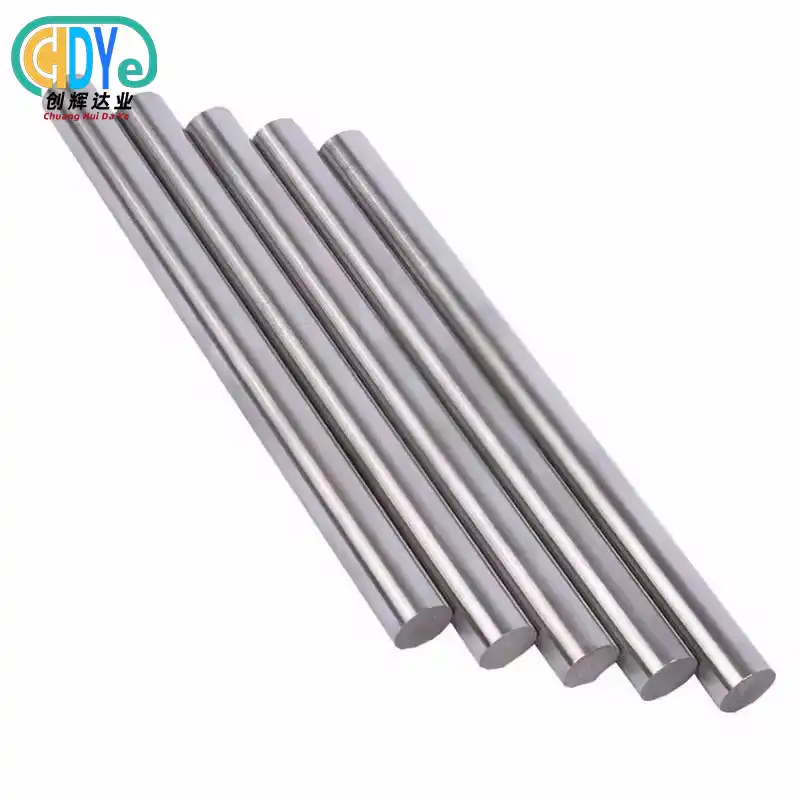
Yes, impressed current cathodic protection (ICCP) technology works very well to keep titanium anode rods from rusting. A titanium anode rod works by sending a controlled electrical current into the water. This creates an electrochemical buffer that stops acidic reactions on tank walls. This is different from traditional sacrificial anodes, which break down over time. The rod's titanium core (usually Grade 1 or Grade 2) stays fixed in size and doesn't wear down, and its mixed metal oxide covering (usually iridium or ruthenium) does a satisfactory job of carrying the protected current. This active protection method eliminates the hydrogen sulfide gas that is produced when balanced bacteria interact with regular magnesium rods. It also stops dirt from building up and protects against rusting for 10 to 20 years without having to be replaced.
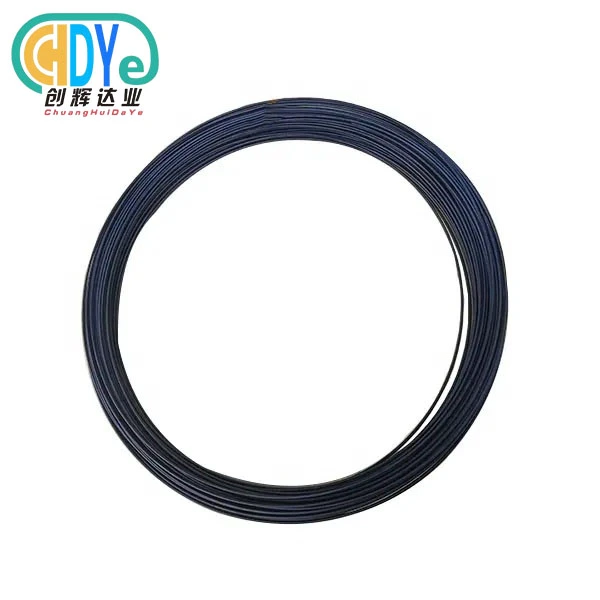
Understanding Titanium Anode Rods and Their Corrosion Prevention Capabilities
One of the biggest problems that industrial water-holding systems, heat exchangers, and handling equipment have to deal with is corrosion. The cost effects include equipment breaking down early, unexpected downtime, and expensive emergency fixes that throw off production plans.
The Science Behind Electrochemical Protection
When metal surfaces are exposed to water and liquid oxygen, oxidation processes happen. This is called corrosion. In traditional ways of defense, spare anodes, which are usually magnesium or aluminum, degrade more quickly to protect the steel tank. Even though they work, these anodes wear out in a few years and release metal ions into the water system.
Titanium anode technology completely changes this method. The system uses a titanium base that doesn't break down. It is covered with electrocatalytic materials that create a safe current when linked to a low-voltage power source. This current goes through the water and hits the steel surfaces. It makes them cathodic, which stops the oxidation process that wears away metal and causes rust.
Material Composition and Technical Specifications
The engineering behind these high-tech anodes includes picking the right materials. Our titanium anode rods are made from titanium that meets ASTM B265 or B348 standards. This makes sure that the structure is strong and that the metal conducts electricity well. The catalytic layer is made of mixed metal oxides that are fused and carefully controlled to have widths from 2 micrometers to 10 micrometers, depending on the climate where they will be used.
The power used for operation stays amazingly low—usually less than 3 volts for home use and slightly higher for business use. The current flow controls itself based on the water's temperature and resistance. This means that the amount of safety changes automatically as the conditions change. This smart reaction eliminates the problems that come up with passive anode systems when they over-protect or under-protect.
Performance Advantages in Harsh Water Chemistry
The nature of water is very different in various places and manufacturing sites. There are places with a lot of minerals, places with acidic conditions, and many places with sulfur chemicals that speed up rusting and cause smelly things to happen. In all of these situations, titanium anode rods work very well. It is very hard for the titanium base to break down in acidic settings or when it gets hard, so it keeps working even when it's in water with harsh chemicals that would quickly destroy other anodes. Our clients who work in chemical processing plants really appreciate how strong the titanium is because the water systems there often have small amounts of industrial chemicals that make it hard for regular rust protection methods to work.
Titanium Anode Rod vs. Conventional Alternatives: Making an Informed Decision
The choice of material has a direct effect on running costs, repair plans, and the life of the equipment. Knowing the differences between titanium anode rod technologies helps you make smart purchasing choices that meet the needs of your building.
Comparative Material Analysis
Magnesium anodes have been the standard for decades because they provide strong defense in soft water conditions. They make strong galvanic currents that protect steel surfaces well, but they wear out quickly and need to be replaced every two to four years. When something dissolves, it releases magnesium ions and hydrogen gas. These can feed sulfate-reducing bacteria and give water systems the smell of rotten eggs.
Compared to magnesium anodes, aluminum anodes last somewhat longer, especially in water that is harder. They make less hydrogen gas, but they still break down over time, which helps the sediment build up at the bottom of the tank. In some types of water, aluminum oxide passivation on the anode surface can reduce its protective effectiveness.
Titanium anode rods that are powered work in an entirely different way. The titanium base stays whole throughout its useful life; it only acts as a collector of electricity and doesn't wear out. The power used is very low—about 1 to 2 kilowatt-hours per year—so the costs of running the business are very low. If there is no metal breakdown, there is no sedimentation, no hydrogen gas production, and no food source for bacteria that cause smells.
Environmental and Operational Safety Considerations
Environmental duty and worker safety are becoming more and more important in modern factories. Sacrificial anodes add dissolved metals to sewer streams, which means they need to be treated or disposed of in a different way. In tight areas, the hydrogen gas they produce could catch fire, even though it is usually released properly.
When titanium anode rods work, they don't make any chemicals or gases that could be harmful. The low-voltage operation doesn't pose many electrical safety issues, and the stable, neutral nature of titanium makes it easy to handle and get rid of waste. These traits fit well with the safety rules and environmental management standards set by ISO 14001 for the workplace.
Optimizing Procurement: Choosing and Maintaining Titanium Anode Rods
It's not enough to just choose the titanium anode rod; you also need to evaluate the seller, make sure the technology works with the product, and plan for upkeep. As buying pros, you know that product quality and your relationship with the seller affect equipment reliability.
Critical Selection Criteria for Industrial Applications
You should first think about dimensional matching. 3/4-inch NPT tubing is common for tank entry holes, but some specialized equipment uses different sizes. The rod length needs to be able to fit the height of the tank and still leave enough space for attaching tools. It also needs to reach the right depth for distributing current evenly. Before manufacturing starts, our engineering team helps check the measurements to make sure they are correct.
Material clarity has a direct effect on how well it works and how long it lasts. We obtain titanium that meets or exceeds ASTM standards and can be traced back to mill certifications. The mixed metal oxide coating recipe needs to be right for the job. For example, iridium-tantalum mixtures work best in freshwater systems, while other formulas work best in chloride-rich or high-temperature settings.
How reliable a system is depends on the strength of its power source. Industrial-grade rectifiers with LED state signs make it easy to quickly check that they work during regular checkups. Overcurrent safety and voltage control circuits prevent damage from electrical problems. We sell whole systems, and we design their parts to work together and withstand heavy-duty loads in industrial settings.
Supplier Qualification and Quality Assurance
Certification to ISO 9001:2015 is a basic way to ensure that quality management systems work in titanium anode rod production. At Chuanghui Daye, our Baoji plant keeps tight control over the whole process, from checking the raw materials to doing the final tests. Electrical performance, covering bonding and measurement checking, is all done on every production batch, and full records are kept for each one.
Every package comes with material approvals that make it easy to track for quality checks and legal compliance. When the requirements for a purchase require more testing or licensing, we work with certified labs to get the paperwork we need. This adaptability helps clients in the aerospace, military, and medical device industries, where requirements for material proof go beyond normal business practices.
Maintenance Protocols and Performance Monitoring
Titanium anode systems don't need as much care as disposable options, but they should be checked on a regular basis to make sure they're working properly. The power source status sign should be looked at once a month; an LED that stays lit up means that the security system is working, and any errors should be looked into right away. As part of the annual check, the power source is turned off, and the output voltage is measured to make sure everything is working right.
In titanium anode rod applications, in places with hard water, calcium carbonate crystals may gradually build up on the anode surfaces over time. These layers do not significantly interfere with performance, but they can be removed during routine maintenance by soaking in a weak acid solution. The titanium base itself can be safely cleaned with chemicals without degradation, unlike coating systems on lower-quality materials that may be damaged during these procedures.
Real-World Applications and Case Studies Demonstrating Titanium Anode Rod Efficiency
Data from real-world industrial setups shows that titanium anode technology really does work well in a wide range of situations and can handle tough service conditions.
Industrial Water Heating Systems Case Study
Twelve 500-gallon water heaters were used at a pharmaceutical factory in New Jersey to help with cleaning and sterilization. Their old upkeep plan for the magnesium anodes called for replacing all of them every six months, which took 96 hours of work and cost a lot of money in materials. Water chemical changes during different city supply seasons led to uneven anode lifespan, which caused two tanks to fail over five years because they weren't protected enough when the anodes were rapidly depleted.
After switching to titanium anode systems, the center stopped replacing the anodes on a regular basis. Checking the indicators once a month takes 15 minutes per unit, which cuts the work needed for upkeep every year by 63%, to 36 hours. Over the next six years of running, there were no tank breakdowns, even though the water makeup changed little. The recorded return on investment was reached in 28 months, and the savings will continue for as long as the tank is in use.
Chemical Processing Equipment Protection
A petroleum plant that used corrosive feedstocks had to deal with its process water holding tanks breaking down faster than expected. Standard magnesium anodes were destroyed in eight to twelve months when the temperature ranged from 180°F to 220°F and the pH changed from 4.5 to 6.2. The fast rate of loss made things more difficult to organize and cost more, but it still allowed for occasional under-protection.
Implementing a titanium anode rod gave steady safety across all temperature and pH levels. Even when the temperature changed, the dimensionally stable design kept the current spread the same. After three years of use, a check showed that the titanium base and covering were still in great shape. They should last for more than fifteen years. Based on cost analysis and performance proof, the building added more tanks to the scheme.
HVAC and Marine Applications
Building management companies that are in charge of big business buildings put titanium anode rods in water heaters on rooftops where they are hard to get to, and upkeep can't be done often. Titanium technology is especially useful for marine uses on offshore bases and ships because it is resistant to chloride and has a long service life in salt water.
These different uses all have one thing in common: they all want to extend the life of equipment, make upkeep easier, and get rid of water quality problems caused by anode dissolving. Working with clients in these fields helps us improve our product development and design skills, so we can make sure we can solve the problems your apps bring up.
Conclusion
In conclusion, titanium anode rod technology stops rust better than standard sacrificial anode systems because it uses electrical principles that are better. The long service life, low upkeep needs, and great performance in a wide range of water types make this product very valuable, especially for commercial uses where keeping tools reliable and lowering running costs are very important. The best buying choices are made when materials are chosen by carefully comparing their efficiency, total cost of ownership, and ability to work with the current infrastructure. The real-life case studies from chemical processing, pharmaceutical manufacturing, and other tough settings show that these methods really do help. Working with qualified sources who follow strict quality standards and offer full expert support will make sure that your rust prevention investment is put into action correctly and that you are happy with it for a long time.
FAQ
Q: How does energy consumption compare to traditional anodes?
A: Titanium anode systems use very little electricity—about 1 to 2 kilowatt-hours a year for home setups and more for big commercial tanks based on their volume. The cost-effect is still very small—usually less than $5 a year at business energy rates—when compared to the work and repair costs of spare anodes. The system only needs milliamps of power because it can control itself based on the level of protection it needs.
Q: Can existing equipment be retrofitted with titanium anodes?
A: Most water heaters and storage tanks have anode holes that can be used to add a titanium anode rod. Taking out the old sacrificial anode, putting in the titanium rod, placing the power supply, and making electrical connections are all parts of the installation process. Our expert team helps with installation and can suggest skilled workers who know about the technology. Thread adapters can work with ports that aren't set up in a normal way when they need to.
Q: What indicators suggest the protection system requires attention?
A: Power source LED signs show the state right away; green means everything is working normally, while red or flashing patterns mean there are problems that need to be looked into. Circuit breaks can happen because of loose connections, scale growth that stops current flow, or a problem with the power source. Electrical testing once a year checks the output voltage and current supply. Titanium anode systems make computer tracking easier than spare anodes, which need to be physically inspected to see how much material is left.
Partner with Chuanghui Daye for Reliable Titanium Anode Rod Solutions
Shaanxi Chuanghui Daye is an expert at making high-quality titanium anode rods that are designed to work in tough industrial settings. Our plant is in Baoji, which is known as China's titanium capital. It blends thirty years of experience with rare metals with ISO 9001:2015-approved quality management to make sure that the goods we send you meet the high standards your business needs. In addition to keeping a large stock of standard designs, we also offer custom manufacturing for specific size needs or finishing formulas. Our engineering team can help you build the best system for your water chemistry and machine setup by giving you expert advice. Competitive factory-direct pricing makes buying in bulk a good deal, especially for facilities that are in charge of multiple tanks or looking to improve them all at once. As a reliable titanium anode rod seller, we give you all the paperwork you need to meet your quality assurance needs, such as material licenses and test results. Email our team at info@chdymetal.com to talk about how to stop rust and get full specs and quotes that are unique to your project.
References
1. American Society for Testing and Materials. (2019). ASTM B265-15: Standard Specification for Titanium and Titanium Alloy Strip, Sheet, and Plate. West Conshohocken, PA: ASTM International.
2. Bhandari, J., Khan, F., Abbassi, R., Garaniya, V., & Ojeda, R. (2015). Modeling of pitting corrosion in marine and offshore steel structures: A technical review. Journal of Loss Prevention in the Process Industries, 37, 39-62.
3. Jones, D. A. (2017). Principles and Prevention of Corrosion (3rd ed.). Upper Saddle River, NJ: Pearson Education.
4. National Association of Corrosion Engineers. (2016). Cathodic Protection Technologist Course Manual. Houston, TX: NACE International.
5. Revie, R. W., & Uhlig, H. H. (2008). Corrosion and Corrosion Control: An Introduction to Corrosion Science and Engineering (4th ed.). Hoboken, NJ: John Wiley & Sons.
6. Wu, Y., Liu, T., Sun, C., & Yu, C. (2014). Research on the preparation and properties of Ti/IrO₂-Ta₂O₅ anodes for oxygen evolution. International Journal of Hydrogen Energy, 39(15), 7788-7792.
Learn about our latest products and discounts through SMS or email