- English
- French
- German
- Portuguese
- Spanish
- Russian
- Japanese
- Korean
- Arabic
- Greek
- German
- Turkish
- Italian
- Danish
- Romanian
- Indonesian
- Czech
- Afrikaans
- Swedish
- Polish
- Basque
- Catalan
- Esperanto
- Hindi
- Lao
- Albanian
- Amharic
- Armenian
- Azerbaijani
- Belarusian
- Bengali
- Bosnian
- Bulgarian
- Cebuano
- Chichewa
- Corsican
- Croatian
- Dutch
- Estonian
- Filipino
- Finnish
- Frisian
- Galician
- Georgian
- Gujarati
- Haitian
- Hausa
- Hawaiian
- Hebrew
- Hmong
- Hungarian
- Icelandic
- Igbo
- Javanese
- Kannada
- Kazakh
- Khmer
- Kurdish
- Kyrgyz
- Latin
- Latvian
- Lithuanian
- Luxembou..
- Macedonian
- Malagasy
- Malay
- Malayalam
- Maltese
- Maori
- Marathi
- Mongolian
- Burmese
- Nepali
- Norwegian
- Pashto
- Persian
- Punjabi
- Serbian
- Sesotho
- Sinhala
- Slovak
- Slovenian
- Somali
- Samoan
- Scots Gaelic
- Shona
- Sindhi
- Sundanese
- Swahili
- Tajik
- Tamil
- Telugu
- Thai
- Ukrainian
- Urdu
- Uzbek
- Vietnamese
- Welsh
- Xhosa
- Yiddish
- Yoruba
- Zulu
Can ASTM B265 titanium sheet Reduce Maintenance Costs?
Maintenance expenses represent a significant portion of operational budgets across industries that rely on durable metal components. Equipment failures, corrosion-related replacements, and unplanned downtime can drain resources quickly. ASTM B 265 titanium sheet offers a proven solution to these challenges by combining exceptional corrosion resistance with superior mechanical properties. This standard material directly lowers the total cost of ownership by cutting down on the number of times parts need to be fixed, changed, and maintained. If purchasing managers choose titanium sheets that are made to ASTM B265 standards, they can save money while still meeting strict performance standards in tough environments.
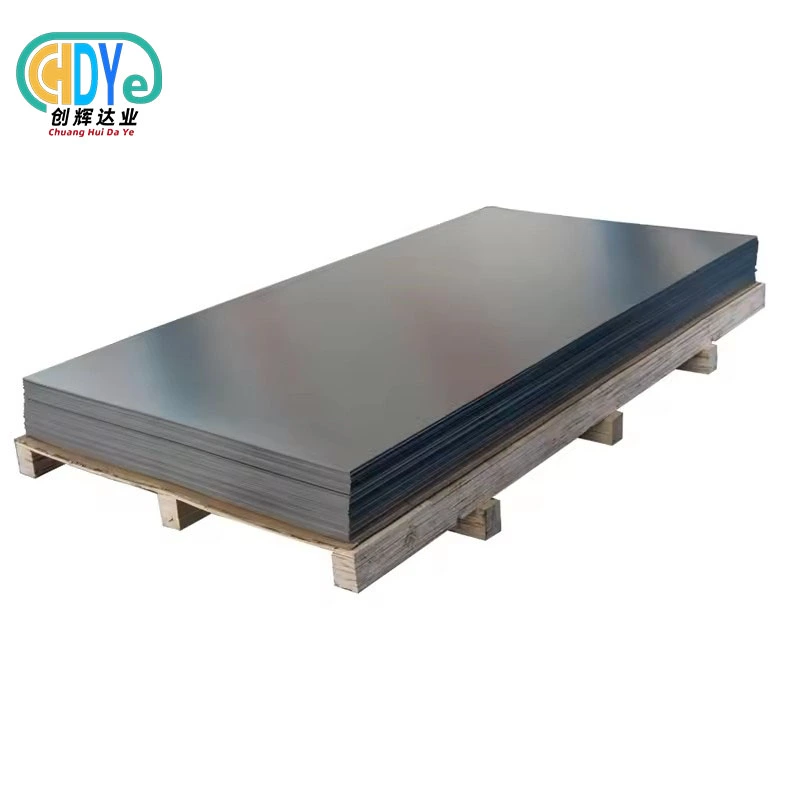
How ASTM B265 Titanium Sheet Reduces Maintenance Costs: Core Advantages
Maintenance problems that keep happening at industrial facilities drive up running costs. Damage from corrosion forces early replacement of parts, and frequent fixes cause costly production delays. Failures of materials can lead to safety issues and increased attention from regulators. Titanium sheets that meet ASTM B 265 titanium sheet standards solve these problems because the material itself has benefits that make it last longer and require less upkeep.
Exceptional Corrosion Resistance in Harsh Environments
Titanium naturally creates a stable, self-healing oxide layer that keeps harmful chemicals from getting to the base metal. It is very hard for seawater, chloride solutions, nitric acid, hydrochloric acid, sulphuric acid, and many organic compounds to damage ASTM B 265 titanium sheets. This resistance to corrosion gets rid of the pitting and surface wear that happen on stainless steel and aluminium in the same conditions. Chemical processing plants that use titanium heat exchangers and reactor tanks say that the materials last longer than 20 years without needing to be replaced. Coated steel options, on the other hand, only need to be replaced every 5 to 7 years. Over time, the savings add up because facilities don't have to pay for capital items and installation labour over and over again.
Superior Strength-to-Weight Ratio Reduces Structural Stress
Titanium alloy sheets are used to make parts that are about 45% lighter than similar stainless steel parts while still being as strong as or stronger than the stainless steel parts. This extra weight makes mounting brackets, support frames, and fastening systems less stressed, which lowers the rate of wear and increases the time between maintenance visits. Due to better fatigue performance, aerospace makers have found that titanium aircraft parts need 30% fewer structural checks than aluminium versions. Marine equipment makers say the same things. For example, titanium propeller shafts and rudder assemblies have longer bearing lives and require less alignment maintenance.
Extended Service Life Translates to Lower Total Cost of Ownership
Even though ASTM B 265 titanium sheets cost more than other materials at first, lifetime cost analysis always shows that titanium is better for use in harsh settings or with corrosive materials. Even though titanium pipes cost 250% more than stainless steel pipes, a petroleum plant in Texas saw a 60% drop in upkeep costs after switching from stainless steel to titanium pipes. By getting rid of the need to reapply coatings every year, shut down inspections every other year, and replace sections every three years, the initial investment was paid back within four years. Similar case studies from desalination plants and offshore drilling platforms show that titanium parts usually last longer than the equipment they're used in, only needing to be replaced when the facility is upgraded or during regular maintenance.
Comparative Analysis: ASTM B265 vs Other Materials and Standards
When choosing materials, you have to weigh the costs of up-front investments against the costs of long-term maintenance. Not only do procurement managers have to look at chemical and mechanical specs, but they also have to look at real-world performance data, supplier reliability, and costs over the product's entire life. When you compare ASTM B 265 titanium sheets to other materials and competing standards, you can see that they have clear advantages that make them worth careful consideration for uses that need to be maintained. ASTM B 265 Versus Other Titanium Specifications
ASTM B348 (bars and billets) and AMS 4911 (aerospace sheet) are two other titanium standards. These standards cover grades that are similar, but ASTM B 265 titanium sheet talks about the specific size ranges, surface finish needs, and testing methods for sheet and plate products that are used in structural and pressure vessel applications. As an example, ASTM B 265 titanium sheet Grade 2 is the same as AMS 4902, and Grade 5 is the same as AMS 4911. However, the clearance factors for surface defects and mechanical property testing are not the same. Facilities that buy to ASTM B 265 titanium sheet benefit from the standard being used by more industries. This means that there are more suppliers to choose from and prices are lower than with aerospace-specific AMS specs.
Performance Against Stainless Steel and Aluminum
When you compare titanium sheets to stainless steel and aluminium alloys, you can see that they are very different in how well they fight corrosion and how little upkeep they need. Grades of stainless steel like 316L don't rust too badly in mild environments, but they rust pitting and crevices when they get above 60°C in chloride-rich environments. Aluminium alloys are very easy to shape, but they corrode quickly in acidic or alkaline solutions if they don't have protective coatings that need to be checked and reapplied on a regular basis. ASTM B 265 titanium sheet Grade 2 titanium keeps its passive film stability at temperatures up to 300°C and pH levels between 2 and 12. It does this without any surface treatment, so it doesn't need any coating upkeep at all. Titanium corrosion rates below 0.02 mm per year in seawater, compared to 0.15-0.30 mm per year for uncoated aluminium and 0.05-0.10 mm for 316 stainless steel. This means that titanium is 5–15 times more resistant to corrosion, which directly lowers the number of times it needs to be replaced.
Pricing Benchmarks and Lifecycle Cost Considerations
ASTM B 265 titanium sheet, Grade 2 titanium sheet, costs about $25 to $35 per kilogram on the market right now, while 316 stainless steel sheet costs $8 to $12 and aluminium alloy sheet costs $4 to 6. Lifecycle cost models, which include upkeep regularity, replacement cycles, and downtime costs, always show that titanium is better for uses that last longer than five years. A company that makes equipment for chemical processing looked at the costs of using titanium versus coated stainless steel for reactor vessels over a period of ten years. Even though titanium costs 200% more at first, the elimination of twice-yearly coating reapplication ($45,000 per vessel), reduced inspection frequency ($12,000.00 per year), and longer replacement interval (20 years versus 8 years) saved a net present value of $187,000 per vessel over the analysis period.
Procurement Considerations for ASTM B265 Titanium Sheet
To find high-quality ASTM B 265 titanium sheets, you have to look at more than just price quotes when evaluating suppliers. To make sure that materials meet specs and project deadlines, procurement teams must check manufacturing skills, quality certifications, delivery reliability, and expert support resources. Choosing the right partner can have a big effect on both the success of the project and the cost of maintenance in the long run.
Evaluating Supplier Qualifications and Certifications
Companies with a good reputation keep their ISO 9001:2015 quality management certification up to date and include full material tracking paperwork with every shipment. EN 10204 3.1 Material Test Reports should include the heat number, the chemical make-up according to ASTM E1409 or E1447 analysis, the results of the tensile test according to ASTM E8, and confirmation of the tolerances for size. The company Chuanghui Daye is in Baoji's Titanium Capital Industrial Zone. They have strict quality control procedures that go beyond the basic standards set by ASTM B 265 titanium sheet; these include chemical analysis, ultrasonic testing for internal flaws, and surface inspection procedures. Our ISO certification and the ability to track documents down to the batch level give procurement managers the peace of mind they need for important applications Grade 2 titanium sheeted Services That Simplify Installation
Custom sizing and fabrication services cut down on the work needed for installation and the waste of materials. We offer free precision cutting based on customer requirements, so there's no need for expensive shearing or plasma cutting on-site, which can lower the quality of the edges. Custom cutting can lower scrap rates from 15-20% for normal stock sizes to below 5% by making sure that sheet sizes are just right for the way equipment is set up. Surface finishing choices like pickling, sandblasting, and anodising make it possible for parts to come ready to be installed, without having to go through any extra steps of processing. These extra services shorten the time it takes to complete a job and lower the total cost of installation, which helps to balance out the higher price of titanium.
Balancing Bulk Purchase Strategies With Project Requirements
Titanium sheet prices go down a lot as the quantity ordered rises. Orders over 500 kilos can get discounts of 10-15%, and promises to buy 20–25% of a tonne are eligible for discounts of 20–25%. But procurement managers have to weigh volume discounts against the cost of keeping inventory and the chance that specifications will change. Setting up framework agreements with qualified suppliers that lock in price levels while still allowing for call-off orders that fit with project schedules is part of a strategic approach. Customers with multiple projects can get flexible production scheduling and warehousing support from Chuanghui Daye. This lets them get volume discounts and manage just-in-time delivery to keep their working capital needs as low as possible.
Implementing ASTM B265 Titanium Sheet in Your Projects: Best Practices
The performance of a material depends on its own properties as well as how it is handled, installed, and maintained. Following the best practices in the business will make the benefits of ASTM B 265 titanium sheet last longer and make sure that the expected drops in upkeep costs actually happen.
Storage and Handling Procedures
When you store titanium sheets, make sure they are clean and dry, and keep them away from carbon steel, copper, or aluminium, which can cause galvanic rust or surface contamination. Putting sheets together with plastic or paper between them stops the surfaces from getting scratched when they are handled. For lifting tools to avoid damage to the surface that could become a source of stress, they must use nylon slings or rubber-coated hooks. When working with sheets, people should wear clean cotton or synthetic gloves because skin oils and salts can change the colour of the surface during heat treatment or welding. These easy steps for handling stop flaws in the way things look and work that could make them less resistant to corrosion or needing to be reconditioned on the surface.
Installation Techniques That Preserve Material Integrity
To keep the work from getting too hard and the edges from breaking, carbide or ceramic tools must be used at slower speeds when cutting titanium sheets than when cutting steel or aluminium sheets. To keep the atmosphere from getting contaminated, welding processes should follow the rules in the AWS D1.9 structural welding code and use argon shielding gas that is purer than 99.99%. The control of heat input stops grains from getting bigger, which can lower their resistance to rust and mechanical properties. To avoid galvanic corrosion, fastening systems must use titanium or a suitable alloy for the bolts. Stainless steel screws are okay as long as they have the right isolation washers. By following these installation steps, you can be sure that the fabricated parts will keep their full corrosion resistance and mechanical performance characteristics as specified in ASTM B 265 titanium sheet. This will also keep you from having to deal with problems that come up early because of bad assembly.
Maintenance Protocols Leveraging Titanium's Strengths
When titanium parts are maintained regularly, they are inspected rather than fixed or given a new protective coating. Unlike covered steel, which usually only needs to be inspected every three months, visual checks can happen once every year or every other year. Simple cleaning methods are used: light detergents or alkaline cleaners get rid of surface grime without hurting the passive oxide layer. Stay away from hydrofluoric acid or phosphoric acid solutions that are very concentrated because they can damage titanium. Ultrasonic thickness readings taken on a regular basis show how fast corrosion is happening and confirm estimates of longer service lives. This gives lifecycle cost models more faith. Setting up these lean maintenance protocols saves enough money on operations to justify titanium's higher initial cost.
Conclusion
ASTM B 265 titanium sheet has better mechanical qualities, is more resistant to corrosion, and lasts a lot longer than regular materials. This means that upkeep costs are lower in a measurable way. Even though the original cost of the material is higher than alternatives made of stainless steel or aluminium, lifecycle cost analysis constantly shows large savings due to less frequent replacement, no longer needing to maintain the coating, and fewer inspections. When purchasing materials for chemical processing equipment, marine uses, aerospace parts, or medical devices, procurement managers shouldn't just look at the purchase price. They should also look at the total cost of ownership. Working with reputable providers who offer certified materials, custom fabrication services, and expert support is the best way to make sure that the project goes smoothly and that you save money on upkeep costs as planned.
FAQ
Q: What industries benefit most from ASTM B265 titanium sheets?
A: Titanium sheets are best for places that work with chemicals, make aerospace equipment, naval equipment, medical devices, and power plants because they lower the cost of upkeep. Titanium's qualities make it useful in places with corrosive media, high-stress settings, or designs that need to be light.
Q: How does corrosion resistance compare to 316 stainless steel?
A:In chloride-rich environments, ASTM B 265 titanium sheet has 5–10 times lower corrosion rates than 316 stainless steel. It also keeps its passive film integrity at temperatures and concentrations where stainless steel suffers from pitting and crevice corrosion, so it doesn't need the maintenance that comes with surface degradation.
Q: What documentation should suppliers provide with shipments?
A: Qualified providers give EN 10204 3.1 Material Test Reports that list the heat number, chemical makeup according to ASTM E1409 analysis, tensile test results according to ASTM E8, proof of dimensions, and heat treatment approval. This ability to track meets the needs of quality assurance and legal compliance.
Q: Can titanium sheets be customized for specific project requirements?
A: Reliable manufacturers can cut to exact sizes, offer different surface finishes like pickled and anodised options, and can work with different thickness or width requirements to get the most out of the material and make installation easier for certain uses.
Partner With a Trusted ASTM B 265 Titanium Sheet Supplier
Shaanxi Chuanghui Daye asks procurement managers who want to lower maintenance costs and make sure materials are reliable to look at our full range of ASTM B 265 titanium sheet options. We are in China's Titanium Capital and have been working with rare metals for more than 30 years. We use advanced vacuum melting and precise cold rolling techniques to make ASTM BB265-certifiedsheets in Grades 1, 2, 3, 4, 5, 7, 9, 12, and 23. Our ISO 9001:2015 certification guarantees strict quality control, and we offer free custom sizing to make the best use of your materials. You can email our technical team at info@chdymetal.com to talk about your unique application needs, get full specs, or get quotes from other companies for your next project.
References
1. American Society for Testing and Materials. (2021). ASTM B265-20a: Standard Specification for Titanium and Titanium Alloy Strip, Sheet, and Plate. West Conshohocken, PA: ASTM International.
2. Boyer, R., Welsch, G., & Collings, E.W. (2019). Materials Properties Handbook: Titanium Alloys. Materials Park, OH: ASM International.
3. Schutz, R.W. & Thomas, D.E. (2018). Corrosion of Titanium and Titanium Alloys in Industrial Chemical Processing. In Corrosion: Materials. ASM Handbook Volume 13B.
4. Peters, M., Kumpfert, J., Ward, C.H., & Leyens, C. (2020). Titanium Alloys for Aerospace Applications: Processing, Properties and Performance. Advanced Engineering Materials, 22(4), 213-229.
5. Donachie, M.J. (2017). Titanium: A Technical Guide, Second Edition. Materials Park, OH: ASM International.
6. Lütjering, G. & Williams, J.C. (2019). Titanium: Engineering Materials and Processes. Berlin: Springer-Verlag.

Learn about our latest products and discounts through SMS or email