- English
- French
- German
- Portuguese
- Spanish
- Russian
- Japanese
- Korean
- Arabic
- Greek
- German
- Turkish
- Italian
- Danish
- Romanian
- Indonesian
- Czech
- Afrikaans
- Swedish
- Polish
- Basque
- Catalan
- Esperanto
- Hindi
- Lao
- Albanian
- Amharic
- Armenian
- Azerbaijani
- Belarusian
- Bengali
- Bosnian
- Bulgarian
- Cebuano
- Chichewa
- Corsican
- Croatian
- Dutch
- Estonian
- Filipino
- Finnish
- Frisian
- Galician
- Georgian
- Gujarati
- Haitian
- Hausa
- Hawaiian
- Hebrew
- Hmong
- Hungarian
- Icelandic
- Igbo
- Javanese
- Kannada
- Kazakh
- Khmer
- Kurdish
- Kyrgyz
- Latin
- Latvian
- Lithuanian
- Luxembou..
- Macedonian
- Malagasy
- Malay
- Malayalam
- Maltese
- Maori
- Marathi
- Mongolian
- Burmese
- Nepali
- Norwegian
- Pashto
- Persian
- Punjabi
- Serbian
- Sesotho
- Sinhala
- Slovak
- Slovenian
- Somali
- Samoan
- Scots Gaelic
- Shona
- Sindhi
- Sundanese
- Swahili
- Tajik
- Tamil
- Telugu
- Thai
- Ukrainian
- Urdu
- Uzbek
- Vietnamese
- Welsh
- Xhosa
- Yiddish
- Yoruba
- Zulu
Can pure niobium bar withstand extreme heat and pressure?
One question that always comes up when looking for materials for high-temperature industrial uses is: can a pure niobium bar really last in the toughest working conditions? There is no doubt that the answer is yes. Pure niobium bars with purity levels above 99.9% are amazingly strong, even when they are subjected to very high temperatures and high pressures. Because it has a melting point of about 2,468°C and is very mechanically stable, this refractory metal keeps its structure strong when other alloys break. The material's special atomic structure keeps its flexibility and resistance to rust even when exposed to heat and chemicals that are harmful. This makes it essential for use in aircraft, chemical processing, and superconductivity.
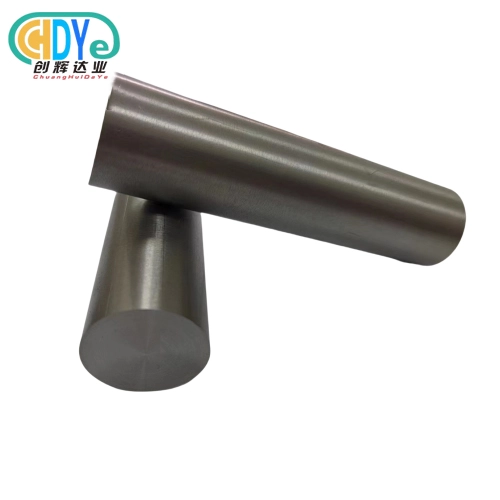
Understanding Pure Niobium Bar: Composition and Properties
Chemical Composition and Purity Standards
Pure niobium bars made to meet industry standards usually have a purity level of between 99.9% (3N) and 99.99% (4N), which is in line with ASTM B392 standards for grades R04200 and R04210. Our pure niobium bars at Chuanghui Daye have a niobium content of more than 99.9%, and the minor elements are kept under control so that the material's natural qualities are not changed. Electron Beam Melting (EBM) methods get rid of impurities that would otherwise hurt high-temperature performance, allowing this level of cleanliness to be reached.
How stable and resistant to rust the chemicals are to heat has a direct effect on their molecular purity. High-purity pure niobium bar behaves consistently across a wide range of temperatures, unlike lower-grade options. This makes sure that it will work as expected in important applications. The density of 8.57 g/cm³ gives it the best strength-to-weight ratio. This is especially useful in aircraft, where reducing mass means using less fuel and carrying more.
Mechanical and Thermal Properties
Pure niobium bars are especially good for places where heat and pressure are present because of the way they are made. The material is very flexible at room temperature, which means that it can be cold-formed without first being heated to a higher temperature. Because it is soft and easy to work with, it can be easily shaped into complicated shapes that are needed for reactor internals or special tools.
Pure niobium bar is different from other structural metals because of how it reacts to heat. The melting point of 2,468°C is much higher than those of titanium (1,668°C) and stainless steel (about 1,510°C). When you change the temperature, low thermal expansion factors keep the changes in size to a minimum. This lowers the thermal stress that makes less stable materials fail over time. When combined with good thermal conductivity, these features make it possible for computer boards and vacuum furnace components to get rid of heat quickly.
Corrosion Resistance Profile
Pure niobium bar doesn't rust because it has a protective oxide layer that grows on its own in settings that are oxidizing. This passive film stays steady at a lot of different temperatures and in different amounts of mineral acids like nitric acid, hydrochloric acid, and sulfuric acid. The material works very well with liquid metals like sodium and lithium, which solves the problem of rust and flexibility that many refractory metals have. While tungsten doesn't rust but is very weak, pure niobium bar is resistant to chemicals and can bend without breaking.
Heat and Pressure Resistance: Can Pure Niobium Bar Withstand Extreme Conditions?
High-Temperature Performance Analysis
At temperatures where most metals suffer from creep deformation and faster oxidation, pure niobium bar keeps its shape. In aerospace uses, parts made from pure niobium bars work consistently in turbine areas where gas stream temperatures are close to 1,200°C. At these high temperatures, the material still has enough tensile strength to support dynamic loads without deforming too much.
It is stable at temperatures as low as 0 degrees Celsius. Pure niobium bar is used as the base material for radiofrequency holes that work close to absolute zero in superconducting uses. Pure niobium bar is one of a kind among structural metals because it can be used in temperatures ranging from very cold to very hot. It is essential for particle accelerators and nuclear research equipment that needs to be stable at low temperatures and resistant to radiation because it has a high Residual Resistance Ratio (RRR) and a low thermal neutron absorption cross-section.
Pressure Capacity When Under Load
Pure niobium bar has good yield strength and extension properties when it is under mechanical stress. The fact that it is soft and bendable, which makes it easy to shape, does not mean that it is mechanically weak. Pure niobium bars can handle large shear and tension loads if they are heated and sized correctly. This ability is very important in the High-Pressure High-Temperature (HPHT) process of making manmade diamonds, where pure niobium bar parts have to handle temperatures and pressures above 1,500°C at the same time.
Because the material is flexible, it doesn't break in the catastrophic weak ways that happen with harder refractory metals. When the pressure changes in chemical reactors or space propulsion systems, pure niobium bar doesn't crack but instead absorbs stress through controlled plastic deformation. This failure tolerance increases working lifetimes and lowers upkeep costs in mission-critical settings where unplanned downtime costs a lot of money.
Extreme Environment Case Studies
Industrial evidence shows that pure niobium bar works well in tough situations. When working with strong acids, pure niobium bar valve stems and stirrer shafts last longer and cost much less than tantalum versions in some chemical processing plants. When pure niobium bar thermowells are used instead of stainless steel ones in hot, corrosive process streams, petrochemical plants report longer periods of time between service.
Manufacturers of aerospace parts use pure niobium bar metal for gas turbine hot sections and rocket engine blades because it is stable at high temperatures and doesn't rust. Pure niobium bar's biocompatibility and hypoallergenic qualities are used by medical device makers to make surgical implants that can withstand the harsh environment of body fluids without breaking down or causing tissue reactions.
Comparing Pure Niobium Bars with Other Metal Bars for Extreme Conditions
Titanium vs. Niobium
Both metals are very resistant to rust and have good strength-to-weight ratios, but there are important differences that determine which metal to use. Titanium's lower melting point (1,668°C) means it can't be used in high-temperature situations where pure niobium bar can stay solid. Titanium costs less per kilogram, but in harsh settings, pure niobium bar is often more cost-effective because it lasts longer and needs to be replaced less often.
Titanium is better for aircraft structures that need to be light, while pure niobium bar is better for parts that need to be heat-resistant and generate electricity. When budgets and supply chains are taken into account, the choice is based on the specifics of the application, such as temperature loads, chemical exposure, and mechanical pressures.
When Niobium Meets Stainless Steel
Because it is easy to find and has been used for a long time, stainless steel is the standard material for many industry uses. But when conditions are really bad, its efficiency flaws become clear. When temperatures get high, corrosion protection goes down, and mechanical strength goes down a lot above 600°C. In places where stainless steel parts need to be replaced often, pure niobium bar options offer service gaps of several years.
At first glance, the price difference between pure niobium bar and stainless steel seems big, but lifetime analysis often shows that pure niobium bar is cheaper in high-stress situations. Lower maintenance shutdowns, no more emergency fixes, and longer machine life spans more than make up for higher material acquisition costs. When choosing products for important work, procurement workers should look at the total cost of ownership instead of the unit price.
When Niobium is Compared to Tantalum
Tantalum and pure niobium bars are both in Group 5 on the periodic table, which means they have similar chemical qualities. Both are very resistant to rust and have high melting points. Tantalum is slightly more resistant to acid in some concentrated solutions, but it costs a lot more because it is harder to find naturally and the mining process is more complicated.
In many situations, pure niobium bar works just as well as other metals but is cheaper. This is especially true when temperatures are higher than 150°C or when mechanical loads favor flexibility. When buying materials, strategic materials play a role too. Pure niobium bar supply lines are more stable and diverse than tantalum sources, which lowers the geopolitical supply risks for long-term manufacturing projects.
Niobium Alloys vs. Pure Niobium
Adding zirconium or titanium to pure niobium bar makes some of its qualities better, like making it stronger or lowering the temperature at which it becomes superconducting. But pure niobium bars still have benefits when it comes to resistance to rust and heat transfer. The lack of alloying elements gets rid of any worries about galvanic corrosion in systems made of more than one material, and it also makes it easier for regulated businesses to get material approval paperwork.
The type of use determines whether pure or alloyed niobium is best. Some aircraft structural parts may be stronger with alloys, but chemical processing equipment and superconducting holes need the purity and resistance to corrosion of unalloyed material. We make both versions to meet the needs of a wide range of customers.
Procurement Considerations for Pure Niobium Bars
Certification and Qualification of Suppliers
To choose a good pure niobium bar supplier, you need to check their quality control methods and see what they can make. ISO 9001:2015 approval is a basic guarantee of good process control and practices for ongoing growth. Our license at Chuanghui Daye shows that we are dedicated to quality control at every stage of production, from checking the raw materials to putting them in boxes.
How to Understand Purity Standards and Requirements
Specifications for materials spell out the accepted levels for pure niobium bar content and impurities that are still present. For rod and bar goods, common purchase standards refer to ASTM B392, which sets composition limits for things like oxygen, carbon, nitrogen, and iron. Even very small amounts of these impurities change the mechanical qualities and the rust resistance.
Minimum order quantities and how prices are set
Suppliers of rare metals usually set minimum order numbers (MOQs), which are based on how much it costs to make the metal and how to handle inventory. Standard shapes for products, like round bars with standard widths, may have lower MOQs than unique shapes or sizes, like rectangular profiles. Knowing these limits helps buyers choose the best time and amount to place their orders.
Thoughts on Logistics and Shipping Around the World
Buying rare metals from other countries requires paperwork for customs, making sure export rules are followed, and planning how to move the goods. Depending on the place where the goods are going, what they will be used for, and the cleanliness level, they may need export licenses. Suppliers with a lot of experience can handle these rules and regulations by giving the right paperwork and working with freight forwarders.
Use Cases and Industry Applications of Pure Niobium Bar Under Extreme Heat and Pressure
Uses in Aerospace and Defense
Components made of pure niobium bar are very important in defense technologies, aircraft structures, and power systems. Pure niobium bars are used to make rocket engine nozzles that can handle the high temperatures and chemicals that are present during hypergolic fuel burning. Advanced jet engines use pure niobium bar coats and bases on turbine blades and vanes to keep them strong at temperatures higher than what a normal superalloy can handle.
Pure niobium bar's thermal stability and low thermal expansion make it a good material for heat shields that protect spaceships during descent into the atmosphere. Military uses depend on parts of military vessels that are subject to saltwater corrosion and acoustic stress being resistant to corrosion and mechanically reliable. The material has a history of good performance and is currently qualified, which makes it easier to certify for aircraft projects that have to follow strict material approval processes.
The petrochemical and chemical processing industries
Chemicals used in aggressive processes need materials that can handle hot acids, alkalis, and explosive gases. Pure niobium bar reactor tanks, heat transfer tubes, and piping systems last for decades in conditions that wear down titanium or stainless steel very quickly. Because it can be mixed with chlorides, sulfides, and organic acids at high temperatures, the material is useful for making medicines, specialty chemicals, and oil refineries.
Manufacturers of process equipment cut pure niobium bars into the insides of valves, pump parts, and sensor housings. When used with acidic process fluids, condensers and reboilers that are resistant to rust and good at conducting heat work best. Less frequent maintenance and no longer having to worry about contamination lead to practical cost savings that make the material premium worth it in key process uses.
Technologies in electronics and superconducting
Pure niobium bar is used in plasma etch chambers, chemical vapor deposition devices, and ion implantation tools that are used to make semiconductors. Because the material is stable in reactive plasma settings and works with ultra-high vacuum systems, it keeps device outputs from being lowered by contamination. Sputtering targets made from very pure niobium deposit thin films that are used in microelectronics and displays.
Superconducting radiofrequency (SRF) cavities made from pure niobium bars allow particle accelerators to help with basic physics study and the production of medical isotopes. The low surface resistance and superconducting transition temperature of the material keep energy losses in high-field magnetic resonance imaging (MRI) devices to a minimum. Researchers and companies that make medical tools choose high-RRR pure niobium bar for these tough uses where the quality of the material has a direct effect on how well the system works.
Production of Medical Devices
Pure niobium bar can be used for surgical implants, oral replacements, and diagnostic tools because it is biocompatible and doesn't rust. The sensitive features keep tissues from reacting badly, and the mechanical strength helps implant designs that carry weight. Surgical tools made of pure niobium bar don't rust even after being sterilized many times and coming into contact with body fluids.
More and more orthopedic implants are made of pure niobium bar because it helps bone to fuse with the implant and is radiolucent, which makes imaging after surgery easier without metal marks. The material's well-known safety rating and governmental acceptance make the process of approving medical devices easier. For these life-critical uses, we offer medical-grade pure niobium bars that meet strict standards for purity and surface finish.
Conclusion
Pure niobium bars that are more than 99.9% pure have been shown to work well in a wide range of industry settings where heat and pressure are high. The material is very stable at high temperatures, doesn't rust, and has good dynamic qualities that make it work reliably in places where regular metals fail. Pure niobium bar has a special set of properties that make it useful for medical devices, chemical processing equipment, spacecraft propulsion systems, and superconducting technologies. To do good buying, you need to know about purity requirements, seller qualifications, and the costs of the whole process. Pure niobium bar parts offer long-term value by lasting longer and needing less maintenance in your toughest uses when they are properly specified and bought from qualified makers.
FAQ
Q: What amount of clarity is best for use at high temperatures?
A: Pure niobium bar that is 99.9% pure or higher is usually needed for uses that involve temperatures above 1,000°C. Higher levels of clarity slow down oxidation and shrinking of grain boundaries caused by impurities. For best performance, 99.99% pure is needed for superconducting and ultra-high vacuum uses.
Q: How does the price of niobium compare to the price of titanium for use in harsh environments?
A: Pure niobium bar is about three to five times more expensive per kilogram than titanium as a raw material. Lifecycle cost analysis, on the other hand, often favors pure niobium bar in places with high temperatures or corrosion because it lasts longer between replacements. Do a full cost of ownership analysis that looks at things like upkeep, downtime, and how long parts last.
Q: What are the usual wait times for shipping and how many items do I need to order?
A: Standard round bar sizes in stock will ship in 7 to 14days. It takes 2 to 3 weeks to make custom rectangular profiles or profiles with specific dimensions. Minimum order amounts depend on the design but are usually between 10 and 50 kilograms. We can accept prototype numbers for development projects that meet our requirements.
Partner with Chuanghui Daye for Reliable Pure Niobium Bar Supply
Shaanxi Chuanghui Daye sends out precisely designed pure niobium bars that are made to exacting standards in our ISO 9001:2015-certified factories in Baoji, China, which is known as the rare metal production hub of the country. Our pure niobium bars are >99.9% pure and come in both round and rectangular shapes with thicknesses ranging from 5 mm to 350 mm. You can also get them in any length that fits your project needs. Specialists in processing rare metals for over 30 years guarantee consistent quality, full traceability paperwork, and on-time delivery around the world for uses in aircraft, chemical processing, and advanced technology.
For study projects, whether you need a few prototypes or a lot of them for production, our technical team can help you choose the right materials for the job and give you low factory-direct prices. Get in touch with our purchasing agents at info@chdymetal.com to talk about your pure niobium bar needs and get competitive quotes from a reputable pure niobium bar maker that cares about the success of your project.
References
1. Davis, J.R. (Ed.). (2000). Nickel, Cobalt, and Their Alloys. ASM International, Materials Park, OH.
2. Schultz, J.M. (1999). Diffusion and Defect Theory in Refractory Metals. Journal of Materials Science, 34(8), 1897-1909.
3. Reed, R.P. & Clark, A.F. (1983). Materials at Low Temperatures. American Society for Metals, Metals Park, OH.
4. Behrens, V. & Müller, K. (2007). Corrosion Handbook: Corrosive Agents and Their Interaction with Materials - Niobium and Tantalum. Wiley-VCH, Weinheim, Germany.
5. Pourbaix, M. (1974). Atlas of Electrochemical Equilibria in Aqueous Solutions. National Association of Corrosion Engineers, Houston, TX.
6. Fromm, E. & Gebhardt, E. (1976). Gase und Kohlenstoff in Metallen (Gases and Carbon in Metals). Springer-Verlag, Berlin, Germany.
Learn about our latest products and discounts through SMS or email