- English
- French
- German
- Portuguese
- Spanish
- Russian
- Japanese
- Korean
- Arabic
- Greek
- German
- Turkish
- Italian
- Danish
- Romanian
- Indonesian
- Czech
- Afrikaans
- Swedish
- Polish
- Basque
- Catalan
- Esperanto
- Hindi
- Lao
- Albanian
- Amharic
- Armenian
- Azerbaijani
- Belarusian
- Bengali
- Bosnian
- Bulgarian
- Cebuano
- Chichewa
- Corsican
- Croatian
- Dutch
- Estonian
- Filipino
- Finnish
- Frisian
- Galician
- Georgian
- Gujarati
- Haitian
- Hausa
- Hawaiian
- Hebrew
- Hmong
- Hungarian
- Icelandic
- Igbo
- Javanese
- Kannada
- Kazakh
- Khmer
- Kurdish
- Kyrgyz
- Latin
- Latvian
- Lithuanian
- Luxembou..
- Macedonian
- Malagasy
- Malay
- Malayalam
- Maltese
- Maori
- Marathi
- Mongolian
- Burmese
- Nepali
- Norwegian
- Pashto
- Persian
- Punjabi
- Serbian
- Sesotho
- Sinhala
- Slovak
- Slovenian
- Somali
- Samoan
- Scots Gaelic
- Shona
- Sindhi
- Sundanese
- Swahili
- Tajik
- Tamil
- Telugu
- Thai
- Ukrainian
- Urdu
- Uzbek
- Vietnamese
- Welsh
- Xhosa
- Yiddish
- Yoruba
- Zulu
Can Titanium Metal Plates Be Welded Easily?
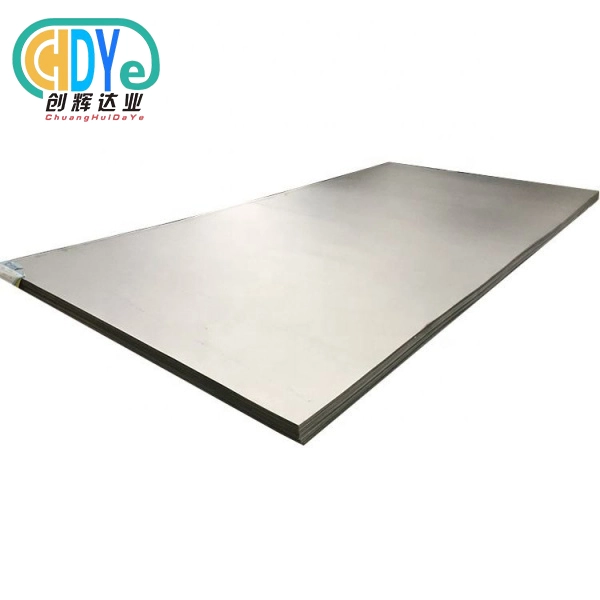
There is a way to weld titanium metal plates, but it requires special skills and controlled circumstances. Titanium is not like other metals such as steel or aluminium. It reacts with gases in the air, so it needs a neutral covering during the welding process. Titanium plates make very strong and long-lasting joints when the right methods are used, such as TIG welding with argon protection, careful surface preparation, and approved filler materials. To be successful, you need to know the specifics of each grade, keep environmental controls strict, and work with seasoned sources who can give you weld-ready materials that meet standards like ASTM B265 and AMS 4911.
Introduction
Titanium metal plates have transformed manufacturing in the military, aircraft, chemical processing, and medical device industries. They have the best strength-to-weight ratio, are very resistant to rust, and work reliably at high temperatures, so they can't be replaced in serious situations. But procurement managers and engineers often have to answer a very important question: can they join these high-performance materials well without breaking? Understanding the details of titanium welding has a direct effect on how long a job takes, how much it costs to make, and how long the result lasts. This complete guide looks at the technical aspects of welding titanium plates, talks about common problems, and gives you practical ways to buy things. Learning about these things will help you make smart choices and improve the performance of your supply chain, whether you're looking for materials for pressure tanks, aircraft parts, or biomedical implants.
Understanding Titanium Metal Plates and Their Weldability
Core Material Properties Affecting Welding
Titanium metal plates have special physical and mechanical properties that make them bond differently than other metals. These materials work very well in harsh conditions because they have a melting point of 1,668°C and a density of 4.51 g/cm³, which is about half that of steel. The natural formation of a protective titanium dioxide (TiO₂) layer makes the metal resistant to rust. However, this reactive tendency makes welding more difficult when airborne contaminants enter the metal.
Commercial Grades and Their Welding Characteristics
When it comes to welding, different types of titanium present different problems and challenges. Grade 2 titanium is the most commonly used economically pure titanium. It is easy to weld and has average strength, which makes it perfect for chemical processing equipment and marine uses. Grade 5 (Ti-6Al-4V), an alpha-beta alloy with 6% aluminium and 4% vanadium, has tensile strengths higher than 895 MPa, but it needs stricter welding rules because of the alloying elements. Grades 1, 3, and 4 are in the middle, combining the need for strength with the ability to be shaped.
Critical Factors Influencing Weld Quality
Many different factors affect how well titanium welding works. It is critical to keep the surface clean—even small amounts of dirt from oils, metals, or fingerprints can weaken the joint. How easily a material breaks down is directly related to how pure it is, especially the amount of intermediate elements like oxygen, nitrogen, hydrogen, and carbon. The thickness of the plate affects how much heat is needed and how to handle warping. We make titanium metal plates with thicknesses ranging from 0.5 mm to 50 mm and exact control over their dimensions. This lets us set the best welding parameters for your purpose.
Preferred Welding Methods for Titanium Plates
TIG (Tungsten Inert Gas) welding is still the best way to make titanium plates because it gives you more control over how much heat goes in and how deep it goes. To keep the liquid pool clean, this method uses tungsten electrodes that don't break down and an inert gas covering, usually high-purity argon. Laser and electron beam welding are two options for automatic production that require small areas of heat damage and little warping. Based on the needs of the project, each method strikes a balance between accuracy, cost-effectiveness, and productivity.
Challenges and Solutions in Welding Titanium Metal Plates
Contamination Risks and Prevention Strategies
Titanium's strong attraction to oxygen, nitrogen, and hydrogen at high temperatures makes it difficult to bond titanium metal plates. When exposed during the welding process, the joints become weak, discoloured, and lose some of their mechanical qualities. Using full protection rules saves not only the molten weld pool but also the hot back surface and areas nearby that are affected by heat. It is suggested that the following shields go 150 to 200 mm beyond the arc and that the backing gas systems give argon at controlled flow rates of 10 to 15 litres per minute.
Managing Hydrogen Embrittlement
When fusing, hydrogen can be absorbed, which can delay breaking and make the metal less flexible. Hydrogen comes from moisture, which can be found in surface contaminants, high humidity in the air, or protective gases that have been damaged. Surface layers can be removed by using alcohol or methanol for tough cleaning before welding and then abrasion. Keeping titanium metal plates in controlled settings with relative humidity below 50% stops them from picking up moisture from the air. Our ISO 9001:2015-certified building has designated storage places that make sure goods get to customers in excellent shape.
Controlling Oxidation and Discolouration
Visual cues show how well the weld is done and how well the air safety works. Welds that are silver in colour mean that the protection is working right, while colours that are straw, blue, or grey mean that the oxygen contamination level is rising. Welders can make real-time changes to the shielding settings when they understand this colour range. Using nitric-hydrofluoric acid solutions for cleaning after welding gets rid of surface rust and restores corrosion resistance. But if you use the right protection, you can stop the problem before it happens. This cuts down on costs and keeps the limits for size.
Thermal Distortion Management
Titanium doesn't transfer heat as well as steel or aluminium does, so heat builds up near the weld area, which raises the risk of warping. Strategic fixturing, balanced welding processes, and controlled heat input keep warping to a minimum. With our advanced rolling and machining skills, we can make plates with very tight limits for smoothness. This is the best way to start welding without warping. Different manufacturing needs can be met with thicknesses ranging from 0.5 mm to 50 mm and widths up to 2000 mm. Dimensional stability is maintained at all times.
Comparing Titanium Metal Plates to Alternative Metals in Welding
Titanium Versus Stainless Steel
You can weld stainless steel more easily, and it costs less, but titanium metal plates are stronger and lighter and more resistant to rust. In places with a lot of chloride, like desalination systems or ocean platforms, stainless steel cracks easily from stress rust, but titanium works well for decades. When you look at lifetime costs, repair intervals, and performance standards as a whole, the welding difficulty differential makes sense. Our titanium plates can stand up to tough chemical conditions that would break down even the best stainless steels rapidly.
Titanium Versus Aluminum Alloys
Aluminium is good for lightweight uses because it is easy to weld and inexpensive. But it can't be used in harsh settings because it's weak and rusts in aggressive media. Titanium is essential for rocket engine parts and high-temperature chemical reactions because it keeps its shape better at high temperatures—beyond 400°C, where aluminium starts to melt. The extra rules for controlling the welding process make the parts much more durable and last longer.
Titanium Versus Nickel-Based Superalloys
Nickel metals are strong at high temperatures, don't rust, are dense, and cost more to make. Titanium's density of 4.51 g/cm³ is much higher than nickel's 8.2–8.9 g/cm³, which makes it a better choice for uses where weight reduction directly affects performance, like aeroplane structures, spinning equipment, or portable medical devices. Titanium and nickel metals need different shielding rules when they are welded, but both require skilled workers and strict quality control. In the end, the choice of material relies on the temperature ranges, corrosive media, and stress conditions of the structure.
How to Procure Weld-Ready Titanium Metal Plates for Your Projects?
Defining Critical Specifications
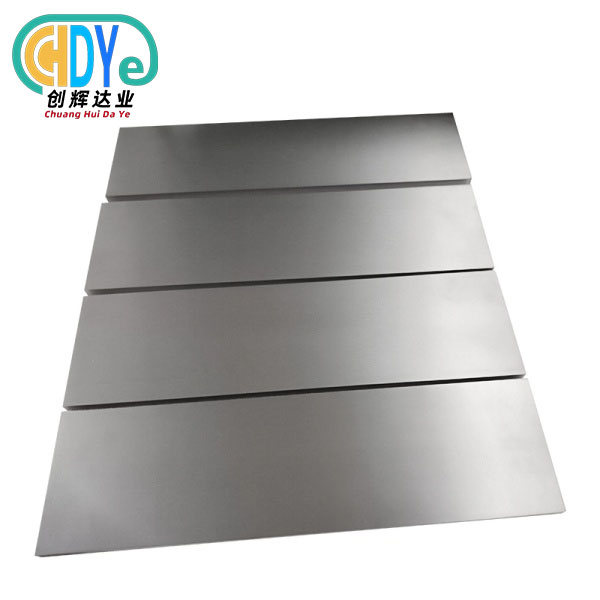
Clear communication of technical needs is the first step to a successful purchase of titanium metal plates. Choose the grade of titanium based on its strength, ability to be shaped, and how it will be exposed to the environment. Grade 2 is good at resisting rust and being welded, while Grade 5 is the strongest grade for aircraft use. Include thickness (0.5 to 50 mm), width (500 to 2000 mm), and length (1000 to 6000 mm) in the dimensional dimensions, making sure that the limits are correct. Surface treatment needs—pickled, heated, or polished—affect the time it takes to prepare for welding and the quality of the joint.
Evaluating Supplier Capabilities
Work with producers that can show they have complete quality processes and technical know-how. ISO 9001:2015 approval means that the whole process is controlled in an organised way, from checking the raw materials to melting, forging, rolling, and checking the end product. Our plant in Baoji, China's famous "Titanium Capital", has electron beam furnaces, precision rolling mills, and state-of-the-art machining centres, as well as 30 years of experience in the rare metals business. This combined ability ensures that the qualities of the materials are always the same and that there is full paperwork that meets ASTM B265 and AMS standards.
Assessing Quality Control and Certification
Before fabrication starts, strict checking processes ensure that the materials are complete. The chemical makeup study using ICP or OES proves the limits of interstitial elements that keep the structure from becoming weak. Tensile strength, yield strength, and extension qualities are checked mechanically at room temperature and at higher temperatures. According to AMS 2631 guidelines, ultrasonic testing can find internal breaks like laminations. The microstructure reveals alpha-case pollution and even grain size. We offer full mill test results and third-party certifications that meet the needs of the aircraft, medical, and petrochemical industries.
Balancing Cost and Delivery Considerations
Accurate budget planning is possible with clear pricing systems that take into account current market situations, order amounts, and customisation needs. Our factory-direct plan gets rid of markups from middlemen while keeping per-kilogram prices low. A flexible production schedule lets you meet the needs of both urgent development and large-scale production runs. Supply chain problems are kept to a minimum by using strategic inventory management and long-term transportation partnerships to make sure of reliable delivery around the world. A full total cost of ownership analysis is easier to do when you ask for specific quotes that include material prices, processing fees, and shipping terms.
Ensuring Long-Term Success: Post-Weld Treatments and Quality Assurance
Heat Treatment and Stress Relief
Post-weld heat treatment for titanium metal plates reduces leftover loads that could cause the weld to warp or fail before it's supposed to during service. Stress-relief annealing, which is usually done at 540–650°C for set amounts of time, lowers locked-in pressures without changing the features of the material too much. Controlled cooling rates keep the dimensions stable and stop thermal shock. Solution treating and ageing processes improve the mechanical qualities of some titanium alloys, making the balance between strength and flexibility better. With our annealing furnace, you can make your own heat treatment specs that fit the needs of your product.
Nondestructive Testing Protocols
Ultrasonic screening can find flaws in an internal weld, such as holes, poor fusion, and cracks that the naked eye cannot see. Radiographic testing keeps lasting records that show the quality of the weld meets aircraft standards. Liquid penetrant inspection shows gaps that break the surface of complicated shapes. Using the right NDT methods before putting together a component stops failures and repairs that cost a lot of money. Setting acceptance criteria based on the right rules (for example, ASME Section VIII for pressure tanks and AWS D1.9 for structural welding) makes sure that quality standards are always met.
Compliance with Industry Standards
Meeting sector-specific standards shows that the provider is reliable and knows what they're doing. Aerospace must comply with AMS 4911, which has strict rules for chemical and mechanical property testing. According to ASTM F67 and FDA regulations, medical equipment needs to be tested for biocompatibility. For pressure-retaining parts, chemical handling tools must meet ASME SB-265 standards. Our quality management system maintains up-to-date licenses and paperwork for a wide range of industries. This makes it easier for you to get approvals and send in legal paperwork.
Building Collaborative Supplier Relationships
Long-term relationships with titanium sellers who have a lot of knowledge pay off in ways that go beyond simple purchases. Getting technical help during the planning process makes it easier to choose the best materials and methods for making them. With rapid development, teams can test ideas before they turn into production tools. Regular discussions about quality comments, delivery performance, and new requirements facilitate continuous improvement. Our team is delighted to work with you and can provide engineering help that gives you a competitive edge by giving you better material options.
Conclusion
To successfully weld titanium metal plates, you need to know how the material works, keep contamination under tight control, and work with skilled sources who can provide consistent quality. Even though titanium is harder to weld than most metals, when it is done right, the joints are as strong as or stronger than the base material. This allows lightweight, corrosion-resistant systems to last for decades in harsh settings. Titanium's full potential will be realised in aerospace, chemicals, medicine, and defence uses by procurement professionals who learn the processes for developing specifications, evaluating suppliers, and checking quality. Investing in specialised welding knowledge and high-quality materials pays off in a big way by improving product performance, lowering upkeep costs, and setting you apart from competitors.
FAQ
Q: Which titanium grade is easiest to weld?
A: Commercially pure titanium grade 2 has the easiest welding properties of all the usual grades. It is less sensitive to temperature cycling and contamination because it is not as strong as alloyed types. Grade 1 gives you even more ease, but it also makes you weaker. Grade 5 Ti-6Al-4V has better mechanical qualities, but it needs stricter control over insulation and heat input because the aluminium and vanadium in it change the phases.
Q: What causes weld discolouration, and is it acceptable?
A: Weld colouring occurs when oxygen is exposed during the welding process. This creates layers of titanium oxide that are different thicknesses. Silver means the best protection; straw means minor contamination, which is usually fine for non-critical uses; blue means moderate oxidation that lowers corrosion resistance; and grey means serious contamination that needs to be removed. In aerospace and medical uses, silver-coloured welds are usually required. Less demanding settings may be able to handle small discolouration after checking the effects on the mechanical properties.
Q: Can titanium plates be welded to other metals?
A: When you weld titanium metal plates straight to metals that are not the same as it, like steel or aluminium, you make brittle intermetallic compounds that weaken the joint. When titanium needs to be connected to steel, transition plugs or explosive bonding are used to make metallurgical links without fusion welding. Galvanic rusting can't happen in mixed-metal systems that are mechanically fastened with isolation washers. The right way to join buildings made of more than one material depends on careful design considerations and a study of how well the materials work together.
Partner with Chuanghui Daye for Premium Titanium Plates
For titanium metal plate fabrication projects to be successful, they need more than just the right materials. They also need relationships based on professional know-how, steady quality, and quick service. Shaanxi Chuanghui Daye Metal Material Co., Ltd. is based in Baoji, which is known as the "Titanium Capital." The company has been in the rare metals business for over 30 years and is ISO 9001:2015 approved. As a reliable provider of titanium metal plates, we offer a wide range of grades, from Grades 1-4 that are commercially pure to Grade 5 Ti-6Al-4V alloys that are forceful.
Our combined facility has cutting-edge electron beam melting, precise rolling, and high-tech machining tools that can make plates from 0.5 mm to 50 mm thick with exceptional control over their dimensions. No matter if you need a few prototypes for research and development or a lot of them for production, our flexible manufacturing method can work with your schedule and requirements. Full traceability paperwork, strict quality checks, and affordable factory-direct pricing will meet your buying goals.
Get in touch with our expert team at info@chdymetal.com to talk about your unique needs for welding-grade titanium plate. We provide you with detailed information about the materials we use, help with application engineering, and custom processing services like precise cutting and surface preparation. This makes sure that the materials you use are ready to be welded, which increases the speed of your manufacturing process and the performance of your products.
References
1. American Welding Society. (2020). Welding Handbook: Volume 4 - Materials and Applications, Part 2. Miami: AWS Publications.
2. Donachie, M.J. (2000). Titanium: A Technical Guide, 2nd Edition. Materials Park: ASM International.
3. Lütjering, G. & Williams, J.C. (2007). Engineering Materials and Processes: Titanium. Berlin: Springer-Verlag.
4. Boyer, R., Welsch, G., & Collings, E.W. (1994). Materials Properties Handbook: Titanium Alloys. Materials Park: ASM International.
5. Schutz, R.W. & Watkins, H.B. (1998). "Recent developments in titanium alloy application in the energy industry." Materials Science and Engineering: A, 243(1-2), 305-315.
6. Welding Research Council. (2018). Bulletin 526: Recommended Practices for Welding Titanium and Titanium Alloys. New York: WRC Publications.
Learn about our latest products and discounts through SMS or email