- English
- French
- German
- Portuguese
- Spanish
- Russian
- Japanese
- Korean
- Arabic
- Greek
- German
- Turkish
- Italian
- Danish
- Romanian
- Indonesian
- Czech
- Afrikaans
- Swedish
- Polish
- Basque
- Catalan
- Esperanto
- Hindi
- Lao
- Albanian
- Amharic
- Armenian
- Azerbaijani
- Belarusian
- Bengali
- Bosnian
- Bulgarian
- Cebuano
- Chichewa
- Corsican
- Croatian
- Dutch
- Estonian
- Filipino
- Finnish
- Frisian
- Galician
- Georgian
- Gujarati
- Haitian
- Hausa
- Hawaiian
- Hebrew
- Hmong
- Hungarian
- Icelandic
- Igbo
- Javanese
- Kannada
- Kazakh
- Khmer
- Kurdish
- Kyrgyz
- Latin
- Latvian
- Lithuanian
- Luxembou..
- Macedonian
- Malagasy
- Malay
- Malayalam
- Maltese
- Maori
- Marathi
- Mongolian
- Burmese
- Nepali
- Norwegian
- Pashto
- Persian
- Punjabi
- Serbian
- Sesotho
- Sinhala
- Slovak
- Slovenian
- Somali
- Samoan
- Scots Gaelic
- Shona
- Sindhi
- Sundanese
- Swahili
- Tajik
- Tamil
- Telugu
- Thai
- Ukrainian
- Urdu
- Uzbek
- Vietnamese
- Welsh
- Xhosa
- Yiddish
- Yoruba
- Zulu
Can Titanium Plates Replace Stainless Steel in Engineering?
Titanium plates can be used instead of stainless steel in many engineering situations, especially when it's important to save weight, fight corrosion better, and last longer. Stainless steel is still a cheap option for general structural work, but titanium plates work best in harsh conditions like medical devices, aircraft parts, chemical processing equipment, and marine infrastructure. The choice depends on comparing the performance needs with the total lifecycle costs, not just the starting prices of the materials. Industries that have to deal with harsh acidic media, high temperatures, or strict weight limits are turning more and more to titanium alloys like Grade 2 and Grade 5 to get around the problems that come with using traditional ferrous metals.
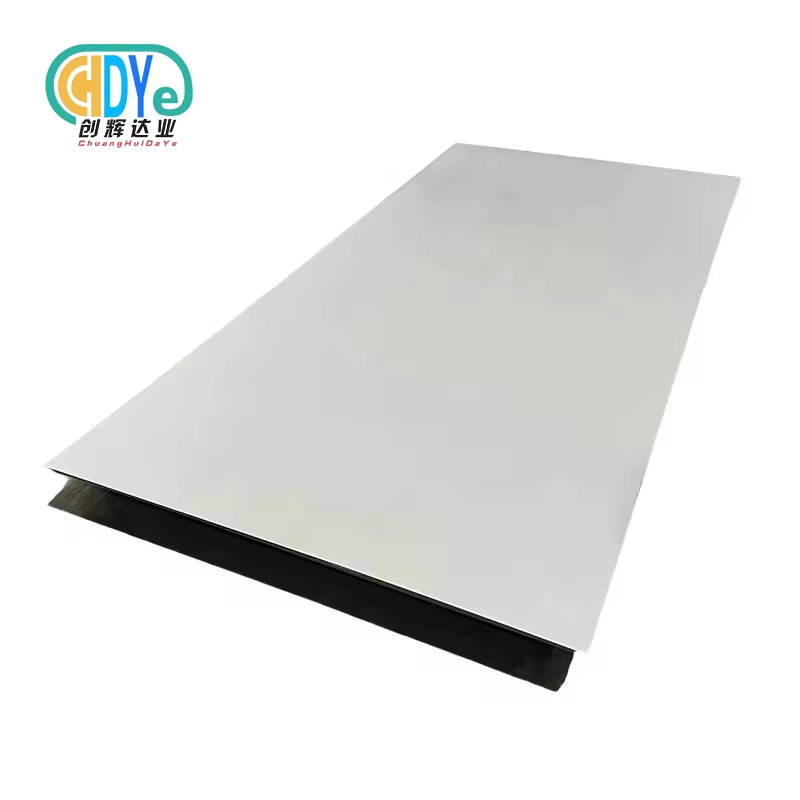
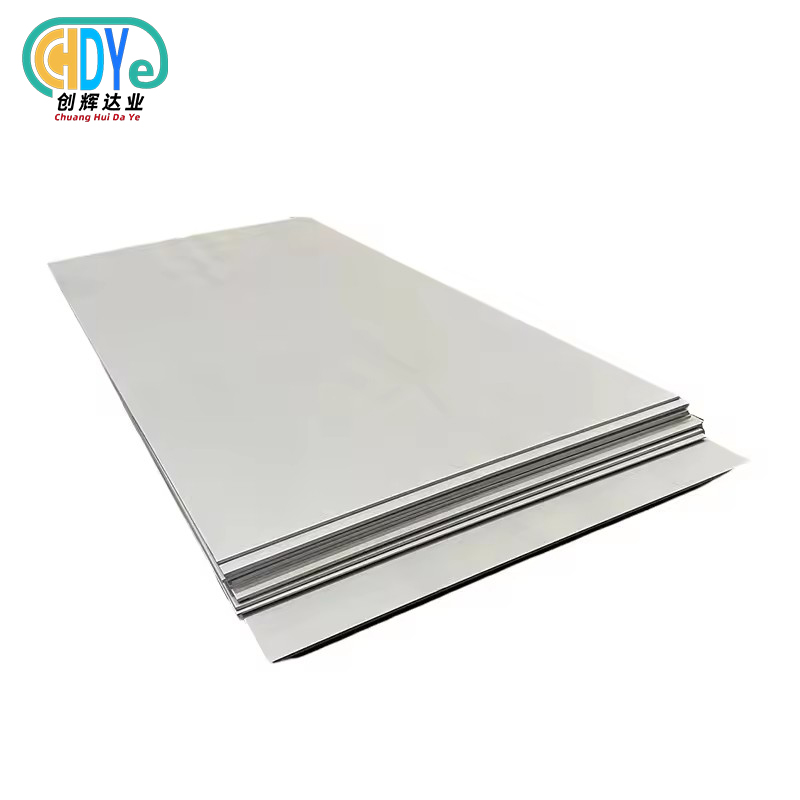
Understanding Titanium and Stainless Steel Plates: Properties & Applications
Material Characteristics of Titanium Plates
Hot rolling, heating, and descaling are the steps used to make titanium plates from commercially pure titanium or titanium alloys. These flat-rolled metal goods are usually thicker than 4.75 mm and have an amazing strength-to-weight ratio. The stuff creates a steady oxide-based passivation layer that protects against crevice corrosion and stress corrosion cracking up to 260°C. Common grades, such as Grade 2 (commercially pure) and Grade 5 (Ti-6Al-4V), have tensile strengths between 345 MPa and over 900 MPa and weigh about 45% less than steel pieces of the same size. This mix solves two major problems in industry: the extra weight that comes with steel buildings and the catastrophic failure of parts in aggressive media due to corrosion.
Key Properties of Stainless Steel Plates
Plates made of stainless steel have been used for a long time, don't rust, and are cost-effective in many industry settings. Grades 304 and 316 have chromium and nickel in them, which make a chromium oxide layer that protects the metal from oxidation and mildly corrosive environments. Tensile strengths of these materials range from 515 MPa to 620 MPa, and they are very easy to weld and machine. Because they are easy to find and come from well-established supply lines, they are often used in general construction, food processing equipment, and architectural elements. But stainless steel can't be used in places with a lot of chlorine, at temperatures above 400°C, or in situations where reducing the weight of titanium plates has a direct effect on how well something works or on how much fuel it uses.
Titanium vs Stainless Steel Plates: Comparative Analysis for Procurement Decisions
Mechanical Strength and Weight Advantages
One of the best things about titanium over stainless steel is that it is stronger for its weight. When you compare Grade 5 titanium (Ti-6Al-4V) with a density of 4.43 g/cm³ to 316 stainless steel with a density of 8.0 g/cm³, titanium has the same or better tensile strength while lowering the weight of the structure by almost half. This weight decrease is hugely significant in aerospace, where a 100 kg drop in the weight of an aeroplane can save thousands of dollars a year on fuel costs. Automotive experts who are looking for ways to make cars lighter to meet emissions standards are looking more and more at titanium for use in racing, exhaust systems, and suspension parts. Stainless steel, on the other hand, has a higher modulus of elasticity, which makes it stiffer in structural uses where deflection needs to be kept to a minimum. The material's well-known mechanical properties and large design files make engineering calculations easier and lower the risk of development for common uses. Because titanium isn't as stiff as steel, it needs to be carefully designed so that it doesn't bend too much when it's loaded, especially in long spans that aren't supported.
Corrosion Resistance in Aggressive Environments
Titanium has very good corrosion protection because it can form a strong, self-healing oxide layer when oxygen or water is present. This passive film stays stable in chloride levels that would quickly rust stainless steel. This makes titanium plates the best choice for use in seawater, for electrolysing brine, and in chlor-alkali production plants. People who work with organic acids, oxidising acids, and bleaching conditions say that titanium grades last three to five times longer than stainless steel grades. Stainless steel works well in slightly corrosive environments and is resistant to corrosion from the air in both urban and rural areas. Adding molybdenum to grade 316 makes it work better in coastal environments and reduces chemical exposure. However, chloride-induced pitting, crevice corrosion, and stress corrosion cracking are still common ways for materials to fail in tough situations. Environmental factors like higher temperatures, chloride concentrations above 100 ppm, and a lack of oxygen in cracks speed up the breakdown process, which often leads to expensive maintenance rounds and unplanned shutdowns of titanium plates.
When Should Engineering Projects Prefer Titanium Plates Over Stainless Steel?
High Strength-to-Weight Ratio Requirements
The best reason to use titanium is in aerospace and defence uses. Titanium plates are used by commercial aircraft makers for structural bulkheads, wing components, and landing gear assemblies because they are light and reduce weight, which directly increases payload capacity and fuel efficiency. Military planes and spaceships go even further with this requirement, needing materials that stay strong at high temperatures while keeping the structure as light as possible. A single wide-body plane has several tonnes of titanium parts that make it lighter. These weight savings add up over millions of flying hours. Titanium is being used more and more in exhaust systems, connecting rods, and suspension parts for race and high-performance cars. The material allows for aggressive weight reduction without affecting the strength or longevity of the structure. The good qualities of titanium are used to improve performance in even leisure products like high-end bikes and golf clubs.
Extreme Corrosion Resistance Needs
Titanium plates are essential for chemical processing plants that work with highly corrosive materials to keep workers safe and tools lasting a long time. Titanium cladding or a solid titanium building is used to keep reactors that make acetic acid, terephthalic acid, and chlorine dioxide from failing catastrophically due to corrosion. In multi-stage flash evaporators and reverse osmosis systems, where constant seawater exposure would quickly break down other materials, desalination plants use titanium plates. On offshore oil and gas sites, titanium is used for riser pipes, wellhead parts and processing equipment that will be exposed to hydrogen sulphide and chloride-containing sour gas.
Procurement Guide: How to Source Quality Titanium Plates for Engineering Needs
Selecting Certified Suppliers and Quality Standards
Verification of the supplier's certification is the first step in quality security. Getting ISO 9001:2015 certification from a supplier shows that they are dedicated to systematic quality management, process control, and constant growth. Material titanium plates certifications that meet ASTM B265 standards for titanium plates, ASME SB-265 standards for pressure vessel applications, and AMS specs for aerospace parts make sure that the standards are met. For full traceability, ask for mill test records that list the chemical composition, mechanical properties, and history of heat treatment. To lower quality risks, third-party testing services can check the material's properties, surface finish, and dimensional tolerances before it is shipped. Suppliers who can do their own testing, like spectrometric analysis, tensile testing, and ultrasonic checking, can get things done faster and give you more confidence in the quality. Check to see if possible partners keep a supply of raw materials on hand, offer custom annealing cycles, and offer surface treatment options such as passivation and pickling. Technical support skills like helping with choosing materials, suggesting welding procedures, and fixing problems during fabrication are what set exceptional sellers apart from commodity vendors.
Bulk Ordering Strategies and Custom Capabilities
Volume buying agreements get you better prices and make sure you have enough materials for your ongoing production needs. Setting up blanket purchase orders with scheduled releases strikes a balance between the costs of keeping inventory and the benefits of volume discounts and supply security. Custom cutting services send plates already cut to your specifications, so there is no waste and less time is spent on processing afterwards. With water jet cutting, plasma cutting, and precision sawing, suppliers can make blanks that are almost in the shape of a net, which means that less work is needed. Check to see how flexible the provider is when it comes to prototype numbers, fast deliveries, and sizes that aren't standard. Universities and research sites often need to place small orders with tight tolerances that can't be met by suppliers of goods. Custom thickness needs that aren't met by standard mill goods may mean that suppliers who can forge and roll must be able to make specific sizes. Different types of surface finishes, from hot-rolled scale to polished finishes, need different ways of handling and checking for quality.
Conclusion
Titanium plates offer compelling advantages over stainless steel in engineering applications where superior corrosion resistance, exceptional strength-to-weight ratios, and extended service life justify the material investment. While stainless steel remains appropriate for general-purpose applications with moderate environmental demands, titanium excels in aerospace structures, chemical processing equipment, marine infrastructure, and medical devices. Procurement decisions should evaluate the total cost of ownership, including maintenance cycles, operational downtime, and lifecycle duration, rather than focusing solely on initial material costs. Partnering with certified suppliers who provide technical support, custom processing capabilities, and rigorous quality control ensures successful titanium adoption and optimal project outcomes.
FAQ
1. What are the primary benefits of choosing titanium plates over stainless steel?
Titanium plates deliver a 45% weight reduction compared to stainless steel while maintaining comparable or superior strength, making them ideal for weight-sensitive applications. The material's exceptional corrosion resistance in chloride environments, organic acids, and high-temperature oxidising conditions extends equipment service life by three to five times versus stainless steel. Titanium's biocompatibility makes it the preferred choice for medical implants, where stainless steel may cause adverse reactions. These performance advantages often result in lower total cost of ownership despite higher initial material investment, particularly in demanding corrosive environments and critical aerospace applications.
2. How do I verify supplier certifications and quality standards?
Request copies of ISO 9001:2015 certificates and confirm registration through the issuing certification body's database. Require mill test reports conforming to ASTM B265, ASME SB-265, or relevant AMS specifications that document chemical composition, mechanical properties, and heat treatment procedures. Third-party inspection agencies can verify dimensional tolerances and material properties before shipment. Reputable suppliers maintain full traceability from raw material ingots through final processing, providing documentation that satisfies aerospace, medical, and pressure vessel code requirements. Site audits of supplier facilities offer additional confidence in process controls and quality systems.
Partner with Chuanghui Daye for Your Titanium Plate Requirements
Shaanxi Chuanghui Daye stands ready to support your titanium plate procurement needs with titanium plates factory-direct pricing, custom processing capabilities, and certified quality assurance. Our facility in Baoji's titanium manufacturing hub combines advanced production equipment, including electron beam furnaces and precision rolling mills, with over three decades of metallurgical expertise. We supply commercially pure and titanium alloy plates in grades 1 through 5, offering custom cutting, annealing cycles, and surface treatments tailored to aerospace, chemical processing, marine, and medical applications. As an ISO 9001:2015 certified titanium plates manufacturer, we provide complete material traceability documentation and technical support throughout your project lifecycle. Contact our team at info@chdymetal.com to discuss your specific requirements, request custom quotes, or arrange small-batch prototyping for your engineering applications.
References
1. Boyer, R., Welsch, G., & Collings, E.W. (1994). Materials Properties Handbook: Titanium Alloys. ASM International, Materials Park, Ohio.
2. Schutz, R.W. & Watkins, H.B. (1998). "Recent developments in titanium alloy application in the energy industry." Materials Science and Engineering A, Vol. 243, Issues 1-2, pp. 305-315.
3. American Society for Testing and Materials (2021). ASTM B265: Standard Specification for Titanium and Titanium Alloy Strip, Sheet, and Plate. ASTM International, West Conshohocken, Pennsylvania.
4. Donachie, M.J. (2000). Titanium: A Technical Guide, 2nd Edition. ASM International, Materials Park, Ohio.
5. Peters, M., Kumpfert, J., Ward, C.H., & Leyens, C. (2003). "Titanium alloys for aerospace applications." Advanced Engineering Materials, Vol. 5, No. 6, pp. 419-427.
6. Cotton, J.D., Briggs, R.D., Boyer, R.R., Tamirisakandala, S., Russo, P., Shchetnikov, N., & Fanning, J.C. (2015). "State of the art in beta titanium alloys for airframe applications." JOM Journal of the Minerals, Metals and Materials Society, Vol. 67, No. 6, pp. 1281-1303.
Learn about our latest products and discounts through SMS or email